How Long To Walk On Treadmill To Lose Weight: Simple Plan
Aim for 30 to 60 minutes on a treadmill most days to lose weight.
I’ve coached dozens of people and logged hundreds of treadmill miles myself. In this guide I break down exactly how long to walk on treadmill to lose weight, how intensity changes results, realistic weekly plans, and common mistakes to avoid. Read on to get a step-by-step plan you can start this week.

Why walking on a treadmill works for weight loss
Walking burns calories. Over time, burning more calories than you eat causes fat loss. The treadmill gives control over pace, time, and incline. That control makes it easy to track progress and steadily increase effort.
Walking is low-impact. It’s easier on joints than running. That helps you be consistent. Consistency is the main driver of long-term weight loss.
Research and real-world coaching show steady walking plus a calorie deficit leads to reliable fat loss. I’ve seen clients lose steady pounds by following simple treadmill routines and tracking food.
How long to walk on treadmill to lose weight
Start by setting a realistic weekly target. A simple rule: aim for at least 150 minutes of moderate aerobic activity per week for health. For weight loss, increase that to 200–300 minutes per week. That answers how long to walk on treadmill to lose weight in practical terms.
Simple time targets by goal
- Light weight loss: 150 minutes per week (about 30 minutes, 5 days).
- Moderate weight loss: 200–300 minutes per week (40–60 minutes, 4–5 days).
- Faster fat loss: 300+ minutes per week (60+ minutes most days).
How to split time
- Short daily walks: 30–45 minutes every day adds up and helps build habit.
- Longer fewer days: 60–90 minutes three to five days a week works if your schedule allows.
- Two-a-day option: Two 30-minute walks can fit better into busy days.
Calories matter more than minutes. A 150-pound person walking briskly (about 3.5 mph) burns roughly 250–300 calories per hour. To lose one pound you need a deficit of about 3,500 calories. So think weeks, not single sessions.
My tip from coaching: plan for progressive increases. Start with 20–30 minute sessions if you are new. Add 5–10 minutes each week until you reach the weekly goal that matches your desired pace of weight loss.
Intensity, speed, and incline: what changes the math
Minutes matter. But speed and incline change calorie burn a lot. Walk faster or add incline to burn more in the same time.
How intensity affects results
- Easy pace (2.5–3.0 mph): light effort, good for recovery, burns fewer calories.
- Brisk pace (3.2–4.0 mph): moderate effort, sweet spot for weight loss for many people.
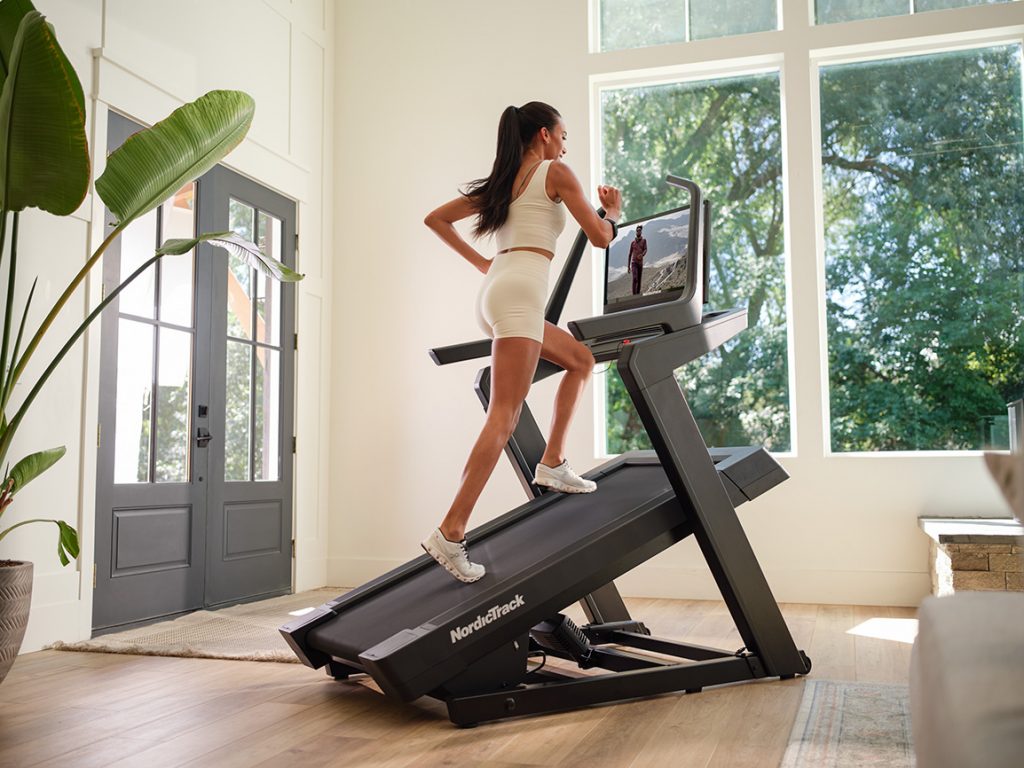
- Incline walking: 5–8% incline doubles the effort and boosts calorie burn.
- Intervals: short bursts of faster walking followed by recovery raise overall burn and improve fitness.
Practical intensity plan
- Beginner: 30 minutes at 3.0 mph, flat, 5 days a week.
- Intermediate: 45 minutes at 3.5 mph with two 5-minute incline segments.
- Advanced: 60 minutes with 10–15 minutes intervals (1–2 minutes fast, 1–2 minutes easy).
I prefer incline walking. It keeps heart rate up, reduces joint stress, and feels less monotonous. In my own training, adding 5% incline for 20 minutes increased calorie burn and helped break plateaus.
Sample weekly treadmill plans you can follow
Pick the plan that matches your current fitness and goal. Each plan keeps the focus on how long to walk on treadmill to lose weight while adding clear steps.
Beginner 4-week plan
- Week 1: 20–30 minutes, 4 days, easy pace.
- Week 2: 25–35 minutes, 5 days, add one incline minute each session.
- Week 3: 30–40 minutes, 5 days, add one interval day.
- Week 4: 35–45 minutes, 5 days, two incline sessions.
Intermediate plan
- 40 minutes, 5 days per week. Include two interval sessions and two steady-state incline sessions.
Advanced plan
- 60 minutes, 5–6 days per week. Mix long steady walks, hill days, and interval walking. Add strength training twice a week.
Tracking progress
- Log time, speed, incline, and perceived effort.
- Reassess every 2–4 weeks and increase time or intensity by 10–15% if you stall.
Nutrition, recovery, and what to pair with treadmill walking
Walking alone can deliver results, but combine it with food and recovery habits for best effect.
Nutrition basics
- Create a modest calorie deficit. Aim for 250–500 calories below maintenance per day for steady loss.
- Prioritize protein: 0.6–0.9 grams per pound of body weight to protect muscle.
- Eat whole foods and track portions for the first few weeks.
Recovery and strength
- Sleep 7–9 hours. Poor sleep undermines weight loss.
- Add two short strength sessions per week. Muscle preserves metabolic rate and shapes your results.
- Hydrate and stretch. Walking is low-risk, but tight hips and calves are common.
I learned the hard way that long treadmill walks without enough protein led to slow strength loss. When I added resistance work and protein, my scale loss improved and my shape changed.
Common mistakes and how to avoid them
Skipping progressions
- Mistake: keeping the same 20-minute pace for months.
- Fix: increase time, speed, or incline every 1–3 weeks.
Relying only on long slow walks
- Mistake: endless slow sessions without ever challenging intensity.
- Fix: add 1–2 interval or incline sessions weekly.
Ignoring calories
- Mistake: assuming exercise lets you eat unlimited food.
- Fix: track intake for 2–4 weeks and create a small deficit.
Overtraining and burnout
- Mistake: going too long too fast leads to pain or loss of motivation.
- Fix: build slowly, use active recovery, and mix in rest days.
I once advised a client to jump from 30 to 90 minutes immediately. They burned out and quit. The slow, steady approach keeps you on track.

Frequently Asked Questions of how long to walk on treadmill to lose weight
How many calories do I burn walking on a treadmill for 30 minutes?
Calories vary by weight and intensity. A 150-pound person burns about 120–180 calories in 30 minutes of brisk walking, while heavier people burn more.
Is walking 20 minutes on a treadmill enough to lose weight?
Twenty minutes helps if paired with a calorie deficit. For steady weight loss, aim to increase to 30–60 minutes most days.
Can incline walking replace speed for weight loss?
Yes. Increasing incline raises effort and calorie burn while reducing joint stress, making it a good alternative to faster paces.
How often should I walk on a treadmill to see results?
Aim for 4–6 days per week. Total weekly time of 200–300 minutes gives solid weight loss results for many people.
Will I lose belly fat if I walk on a treadmill every day?
Spot reduction is not reliable. Daily walking reduces overall body fat, and belly fat will decrease as your total body fat drops.
Conclusion
Walking on a treadmill is a simple, effective way to lose weight when you combine the right time, intensity, and nutrition. Aim for 30–60 minutes most days and build toward 200–300 minutes per week if you want steady fat loss. Start small, add incline or intervals, track your food, and add two strength sessions weekly.
Take action this week: pick a plan above, schedule your walks, and log your food for seven days. Share your progress or questions below and subscribe to get more real-world training tips.

Brandon Knoxley is a sport & fitness writer and training guide contributor at MySportFitHub. He focuses on practical workouts, performance-based training, and honest fitness gear insights designed for real people and real results. Brandon is passionate about helping beginners and active individuals train smarter, avoid common mistakes, and build sustainable fitness habits.