

How Long Should I Run On A Treadmill: Ideal Time
For most people, run on a treadmill for 20 to 30 minutes, three to five days weekly.
How long you should run on a treadmill depends on your fitness level, goal, pace, and health. A short, steady run can improve fitness, while longer sessions may support endurance and weight management. This guide explains how to choose the right treadmill workout, build time safely, and avoid common training mistakes.
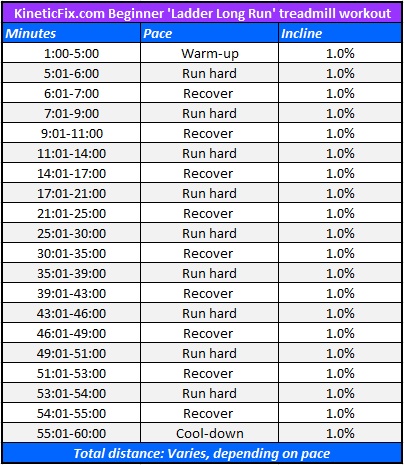
How long should I run on a treadmill?
For a general fitness workout, aim for 20 to 30 minutes of running. This time does not need to be completed at a fast pace. A steady speed that raises your breathing but still lets you say a few words is often enough.
If you are new to running, start with less. Try 10 to 15 minutes of easy run and walk intervals. Add a few minutes every one or two weeks as your body adapts.
Your ideal treadmill workout may look like this:
• Beginners: 15 to 20 minutes, three days per week
• Regular runners: 25 to 40 minutes, three to five days per week
• Experienced runners: 40 to 60 minutes, three to six days per week
• High intensity sessions: 15 to 30 minutes, one to two days per week
These are broad ranges, not strict rules. The best answer to how long should I run on a treadmill is the longest duration you can complete with good form and recover from well.
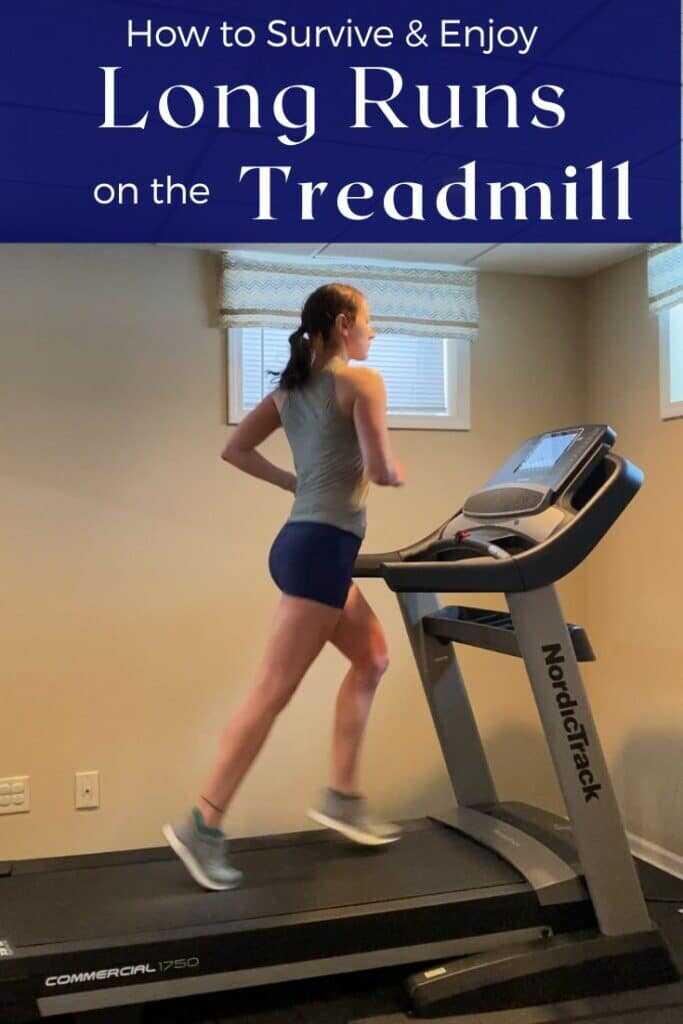
Choose your treadmill running time by goal
The right running time changes with your reason for training. A person preparing for a 5K needs a different plan from someone who wants a quick cardio workout.
For general health
Run for 20 to 30 minutes at a moderate effort. Do this on at least three days each week, and add strength training on two days if possible.
Health guidelines commonly advise adults to get at least 150 minutes of moderate aerobic activity each week, or 75 minutes of vigorous activity. Your treadmill time can form part of that total.
You do not need to run every minute. Brisk walking, incline walking, cycling, and other cardio also count.
For weight loss
A 30 to 45 minute treadmill session can help increase calorie use. However, weight loss depends on your overall food intake, daily movement, sleep, and health.
Longer workouts are not always better. A 20 minute run that you can repeat four times each week may work better than a 60 minute run that leaves you too tired to train again.
For weight loss, combine treadmill running with:
• A balanced eating plan
• Strength training
• Regular sleep
• More movement during the day
• A gradual increase in weekly activity
For improving endurance
If you want to run farther, increase time slowly. Start with a comfortable session of 20 to 30 minutes, then add about five minutes when the workout feels manageable.
You can also use one longer treadmill run each week. For example, run for 30 minutes during week one, 35 minutes during week two, and 40 minutes during week three. Every fourth week, reduce your time to help your body recover.
For a 5K race
A beginner training for a 5K may run for 20 to 35 minutes on most training days. One weekly session can slowly become longer until you can exercise for 45 to 50 minutes.
You do not need to run the full race distance during every workout. Easy runs build your base, while short speed sessions improve pace.
For mental health and stress relief
Even 10 to 20 minutes can help you feel better and create a regular habit. Use an easy pace, listen to music, or watch a familiar show if that helps you stay consistent.
The best treadmill workout for stress is one that feels calming rather than punishing. Leave the treadmill feeling refreshed, not defeated.

How long should beginners run on a treadmill?
Beginners should focus on time spent moving, not speed. A run and walk plan is often safer and more comfortable than trying to run without stopping.
Try this four-week starting plan:
-
Week one: Walk for five minutes, then alternate one minute of easy running with two minutes of walking for 15 to 20 minutes.
-
Week two: Alternate two minutes of running with two minutes of walking for 20 minutes.
-
Week three: Alternate three minutes of running with two minutes of walking for 20 to 25 minutes.
-
Week four: Run for five minutes, walk for two minutes, and repeat for 25 to 30 minutes.
Keep the effort easy. You should finish with the feeling that you could do a little more.
A common mistake is starting at a speed that looks impressive on the treadmill screen. Speed is only useful when it matches your current fitness. If you cannot control your breathing or form, slow down.
When I learned this lesson, I stopped treating every treadmill workout like a test. Easy runs became more useful because I could repeat them without sore knees, heavy fatigue, or missed sessions.
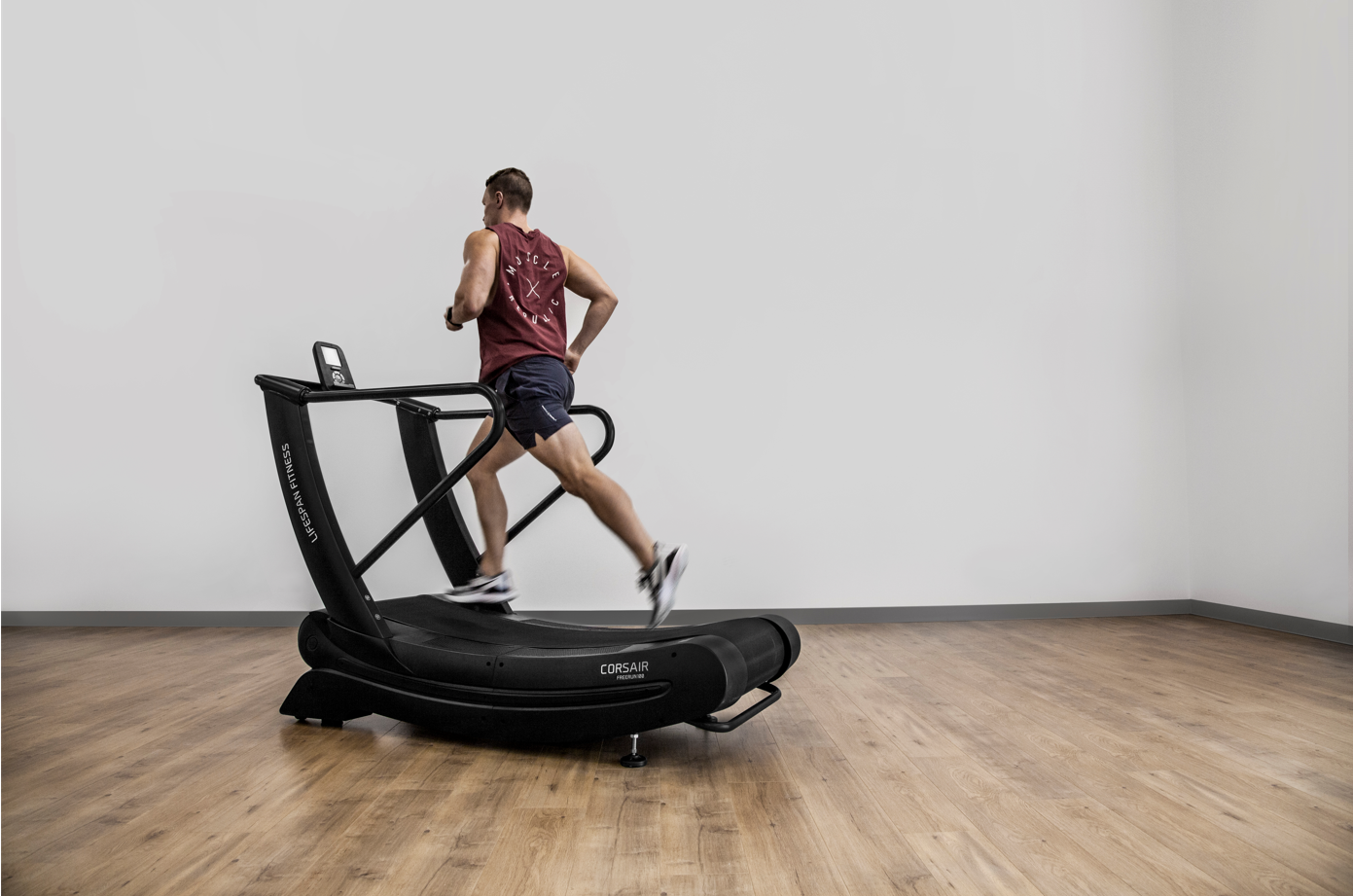
How long should I run on a treadmill to lose weight?
Many people benefit from 30 to 45 minutes of treadmill exercise, four or five days per week. This can include easy running, incline walking, or a mix of both.
Your calorie use depends on your body weight, speed, incline, workout length, and individual metabolism. Treadmill calorie displays can be useful for comparing workouts, but they are not exact measurements.
A simple weekly plan could include:
• Two 25 minute easy runs
• One 30 minute incline walk
• One 35 minute run and walk session
• Two short strength workouts
This approach creates regular activity without placing all the work on your joints. It also gives you time to recover.
Do not try to “earn” food with exercise or use extreme workouts to force quick weight loss. Sustainable progress usually comes from small changes that you can keep for months.
:max_bytes(150000):strip_icc()/treadmill-GettyImages-1131136364-43b577a548db492c97cc9dc5c720b241.jpg)
How long should I run on a treadmill for cardio fitness?
For cardio fitness, run for 20 to 40 minutes at a moderate pace. A moderate pace usually feels like a five or six out of 10 effort.
You can also use intervals. For example:
-
Warm up by walking for five minutes.
-
Run at a challenging pace for one minute.
-
Walk or jog easily for two minutes.
-
Repeat the cycle six to eight times.
-
Cool down for five minutes.
Interval training can improve fitness with less total time, but it is more demanding. Limit hard sessions to one or two days each week. Keep the other workouts easy.
A 2021 review of exercise research found that both moderate, steady activity and higher intensity training can improve cardiorespiratory fitness. The best choice depends on your health, schedule, experience, and ability to recover.

How long should I run on a treadmill at different speeds?
Speed alone does not determine how long you should run on a treadmill. A slow jog may be suitable for 30 minutes, while a fast run may be challenging after 10 minutes.
Use effort as your main guide:
• Easy effort: You can speak in full sentences.
• Moderate effort: You can speak in short phrases.
• Hard effort: You can say only a few words.
• Very hard effort: You cannot maintain the pace for long.
Most treadmill runs should be easy or moderate. Hard workouts have a place, but they should not make up every session.
If you use heart rate, remember that estimated maximum heart rate formulas are only general tools. Medication, stress, heat, sleep, and fitness can change your heart rate. Perceived effort remains useful, even when a watch or treadmill sensor gives a different number.

How to structure a safe treadmill workout
A good treadmill session has three parts: warm-up, main workout, and cool-down.
Warm up for five to 10 minutes
Start with a slow walk. Gradually increase the speed until your muscles feel ready. You can add gentle leg swings or ankle movements before stepping on the belt.
A warm-up does not need to make you tired. Its job is to prepare your body and help you notice stiffness before you run faster.
Complete the main workout
Choose a pace that matches your goal. Keep your shoulders relaxed, look forward, and let your arms move naturally.
Avoid holding the front or side rails while running. Rail support changes your posture and reduces the work your legs must do. If you need the rails, lower the speed or incline.
Cool down for five to 10 minutes
Slow to a comfortable walk before stopping. This gives your breathing and heart rate time to settle.
You may stretch after the workout if it feels good. Stretching can improve comfort, but it does not replace gradual training or proper recovery.

How often should you run on a treadmill?
Most beginners should run three days per week, with at least one rest day between harder sessions. This schedule gives muscles, tendons, and joints time to adjust.
More experienced runners may train four to six days per week. Not every workout should be long or hard. A useful pattern is:
• One longer, easy run
• Two or three easy runs
• One optional interval or hill session
• One or two rest or light activity days
Increase only one factor at a time. You can add minutes, speed, incline, or training days, but changing all four at once raises the risk of overuse injuries.
A practical rule is to stop increasing when your legs feel unusually heavy, your sleep worsens, or your normal pace feels much harder. These signs may mean you need more recovery.

Treadmill incline, pace, and impact
A treadmill can make running easier to control because it offers a steady surface and removes wind resistance. Still, it can feel repetitive, and the moving belt may change how you run.
A small incline may make the workout feel more like outdoor running. Many runners use an incline near one percent, but there is no need to force this setting. New runners and people with joint pain may feel better at zero percent.
Incline walking is also an excellent choice. It raises effort without requiring a fast running speed. This can be helpful when you want a lower impact session or need a change from running.
Try these options:
• Easy run: 0% to 1% incline at a relaxed pace
• Hill workout: Alternate one to three minutes at a moderate incline with easy walking
• Recovery day: Flat walking or gentle jogging
• Strength focus: Short incline periods with controlled form
If your calves or Achilles tendons become sore, reduce the incline. Incline work can place more demand on these areas.
Signs you are running too long
Running should challenge you, but pain and extreme fatigue are not signs of a successful workout. Reduce your time or stop if you notice warning signs.
Watch for:
• Sharp pain in a joint or bone
• Chest pain or pressure
• Faintness or confusion
• Severe shortness of breath
• A limp or change in running form
• Pain that grows during the workout
• Soreness that does not improve after several days
Seek urgent medical help for chest pain, fainting, or severe breathing trouble. If you have a heart condition, uncontrolled high blood pressure, diabetes, or another medical concern, ask a health professional how long you should run on a treadmill before starting a plan.
Soreness in the muscles can be normal after a new workout. Sharp pain is different. It is your body’s warning light, not a challenge to ignore.
Common treadmill running mistakes
Small errors can make a simple workout harder than it needs to be. Avoid these habits:
• Running too fast too soon: Start at a pace you can control.
• Skipping the warm-up: Give your body several minutes to prepare.
• Doing hard workouts every day: Mix easy and hard training.
• Holding the rails: Slow down instead.
• Increasing time too quickly: Add minutes in small steps.
• Ignoring shoes: Use comfortable running shoes with good support.
• Chasing calorie numbers: Treat the display as an estimate.
• Running through pain: Stop and assess sharp or unusual symptoms.
• Wearing headphones too loudly: Keep enough awareness to hear alarms and notice your surroundings.
One of the best lessons from regular treadmill training is that consistency beats drama. A modest workout repeated week after week usually produces better results than a heroic session followed by several days of rest.
How to build a weekly treadmill plan
Use this sample plan if you are healthy and can already walk comfortably. Adjust the time and pace to your ability.
Beginner plan
• Monday: 20 minutes of run and walk intervals
• Wednesday: 20 minutes of easy walking or jogging
• Friday: 20 to 25 minutes of run and walk intervals
• Weekend: Optional easy walk
Intermediate plan
• Monday: 30 minutes of easy running
• Tuesday: 20 minutes of walking or strength training
• Wednesday: 25 minutes with six short faster intervals
• Friday: 30 minutes of easy running
• Sunday: 40 minutes at a comfortable pace
Progression rule
Stay at the same level for at least one week if the workout feels difficult. When it feels manageable, add five minutes to one session. After several weeks, consider adding another easy day.
Keep a simple record of time, pace, incline, and effort. This helps you spot progress that the treadmill screen may not show, such as easier breathing or faster recovery.
Frequently asked questions about how long should I run on a treadmill
Is 20 minutes on a treadmill enough?
Yes. A 20 minute treadmill run can improve fitness, especially when you do it regularly. Warm up first, keep the effort suitable for your level, and build duration slowly.
Is 30 minutes on a treadmill a good workout?
For many people, 30 minutes is an effective treadmill workout. It provides enough time for a warm-up, a steady run, and a cool-down without creating excessive fatigue.
How long should I run on a treadmill as a beginner?
Start with 15 to 20 minutes of walking and easy running intervals three days per week. Add time gradually when you can finish without pain and recover well.
Can I run on a treadmill every day?
You can walk on a treadmill daily, but daily running may not suit everyone. Beginners should include rest days, while experienced runners should keep most daily sessions easy and watch for signs of overuse.
How long should I run on a treadmill to burn 500 calories?
There is no fixed time because calorie use varies by body size, speed, incline, and fitness. For many people, 40 to 60 minutes of moderate running may approach that amount, but treadmill calorie estimates are only rough guides.
Is treadmill running as good as outdoor running?
Treadmill running can improve aerobic fitness and support many of the same goals as outdoor running. Outdoor terrain, wind, and uneven surfaces create different demands, so using both can provide variety.
Should I run fast or for a long time on a treadmill?
Use a mix of both, but prioritize easy, steady running when building a base. Short fast intervals can improve speed, while longer easy sessions support endurance and consistency.
Conclusion
How long should I run on a treadmill? For most people, 20 to 30 minutes is a strong starting point, while beginners may need 10 to 20 minutes of run and walk intervals. Your best workout depends on your goal, effort, fitness, and recovery.
Start slowly, warm up, use good form, and increase your time in small steps. Choose a plan you can repeat, because steady progress matters more than one exhausting session.
Try one comfortable treadmill workout this week, track how you feel, and adjust your plan as your fitness improves. Explore more training guides, and share your treadmill goals in the comments.

Brandon Knoxley is a sport & fitness writer and training guide contributor at MySportFitHub. He focuses on practical workouts, performance-based training, and honest fitness gear insights designed for real people and real results. Brandon is passionate about helping beginners and active individuals train smarter, avoid common mistakes, and build sustainable fitness habits.