What Incline Should I Walk On A Treadmill: Best Incline
Aim for 1–5% incline for general walking; 5–12% for steeper, calorie-burning sessions.
I’ve guided runners, busy parents, and gym-goers on treadmill use for years. This article explains what incline should i walk on a treadmill in clear, practical steps. You’ll get safe settings by goal, sample workouts, form tips, and the research-backed reasons why incline changes matter. Read on and you’ll know exactly which incline fits your fitness, time, and health needs.

Why treadmill incline matters
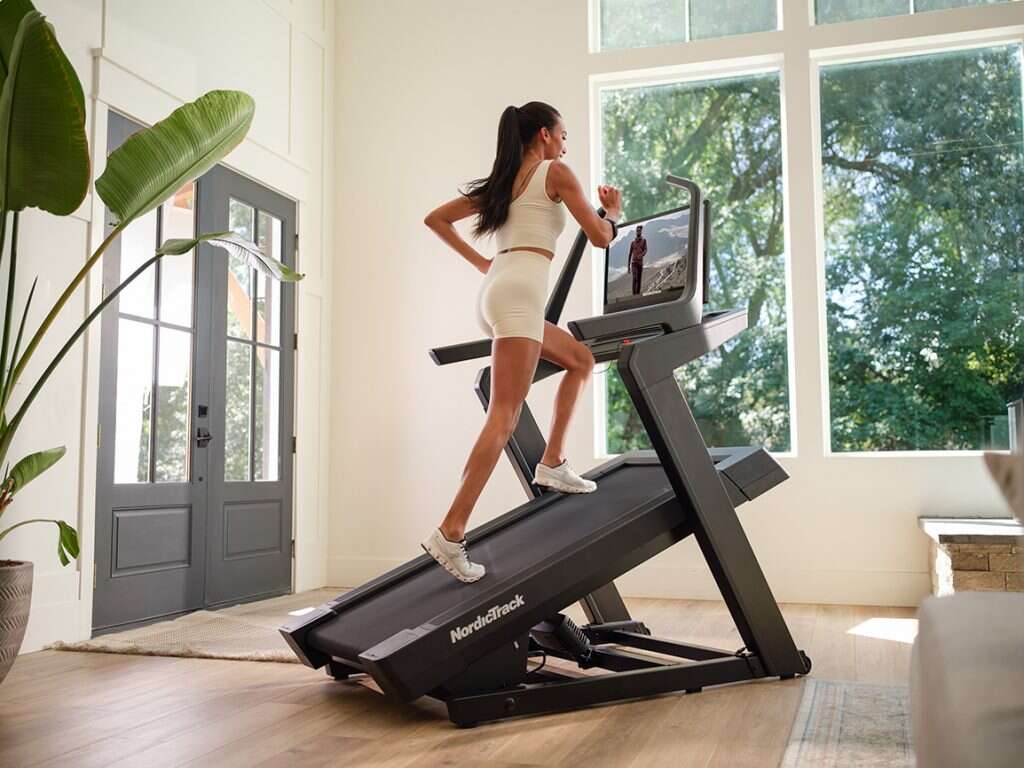
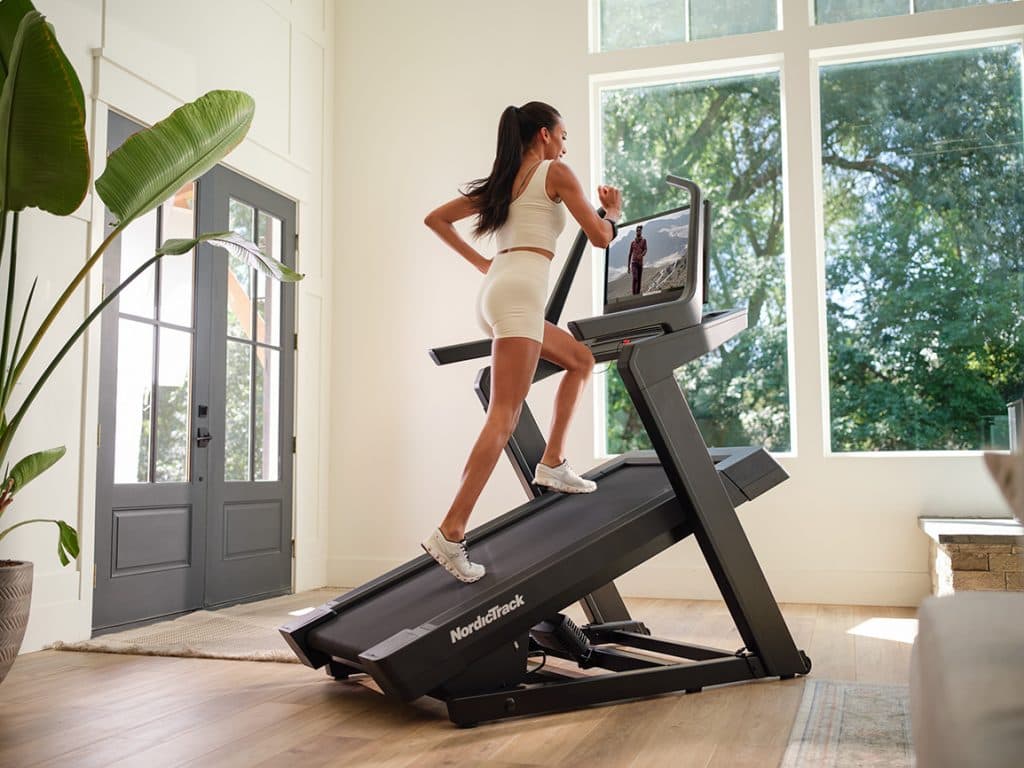
Choosing the right incline changes how your body works. Walking at an incline raises heart rate, taxes the glutes and hamstrings more, and can boost calorie burn without upping speed. When you ask what incline should i walk on a treadmill, the answer depends on your goal: fat loss, strength, endurance, or joint safety.
Incline mimics real hills. It teaches your body to stabilize and use larger muscle groups. That leads to better function off the treadmill and lower injury risk. Small increases in incline often give large fitness gains.
How to decide what incline should i walk on a treadmill
Follow these steps to choose an incline that fits you.
- Identify your goal.
- If you want daily movement, aim low.
- If you want calorie burn or strength, pick a higher hill.
- Check your fitness and joints.
- New walkers or people with knee pain start at 0–2%.
- Fit walkers can start at 3–6%.
- Match incline to speed.
- Lower speed can handle higher incline safely.
- Faster walking pairs best with lower incline.
- Use perceived effort.
- Aim for a conversational pace for steady walks.
- For hard efforts, target a steady breath but still able to speak short phrases.
Typical, practical ranges when wondering what incline should i walk on a treadmill:
- Beginner: 0–2% for 20–40 minutes.
- Intermediate: 3–5% for 20–45 minutes.
- Advanced or hill training: 6–12% for intervals or short climbs.
I often start clients at 1% for warm-up. After two weeks, we move to 3% for stronger muscle engagement. These small steps keep progress steady and safe.
Sample workouts for different goals
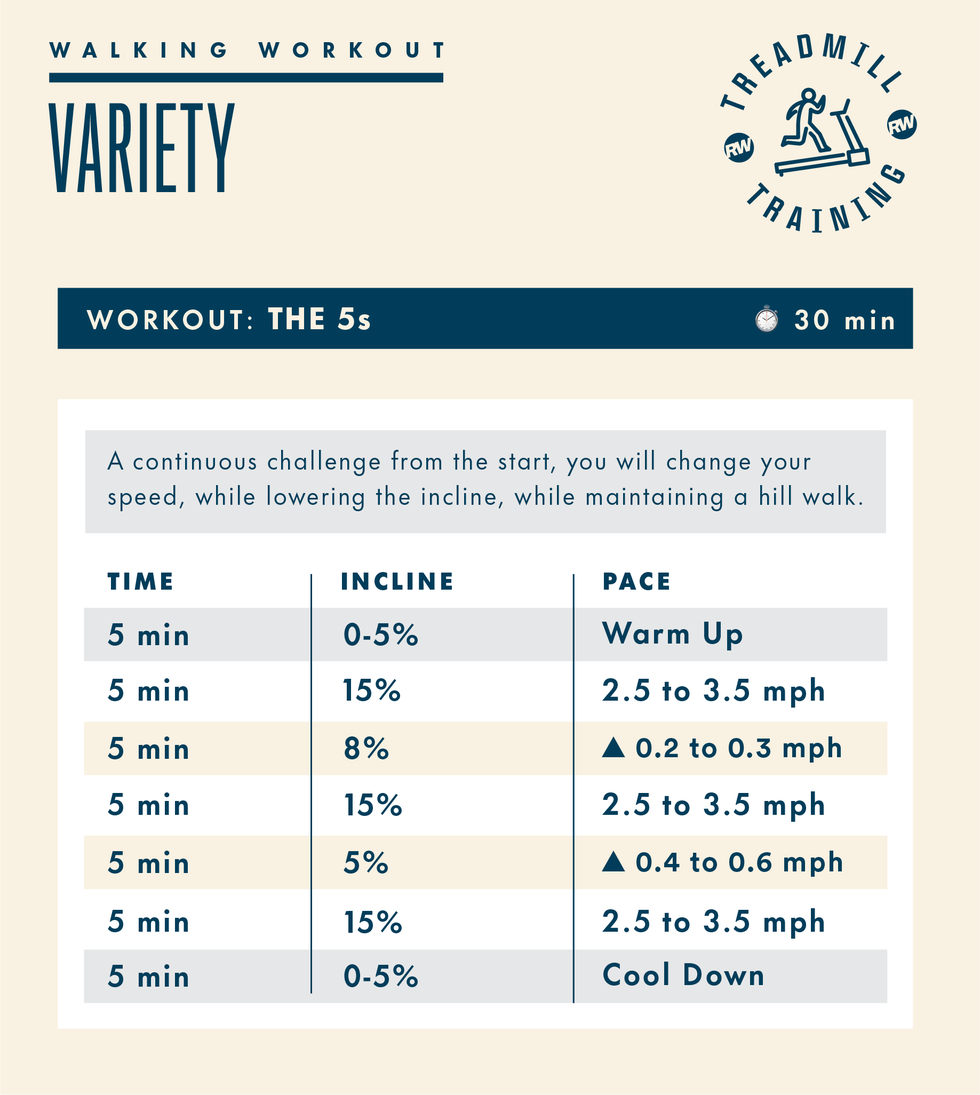
Here are simple, short workouts you can try. Each lists an incline range so you can test what incline should i walk on a treadmill for that goal.
- Daily fitness walk
- Warm-up: 0% for 5 minutes.
- Main: 1–3% for 20–30 minutes at comfortable pace.
- Cool-down: 0–1% for 5 minutes.
- Fat-burn steady walk
- Warm-up: 0–5 minutes.
- Main: 3–5% for 30–45 minutes at brisk walk.
- Finish: 0–5 minutes easy.
- Hill interval beginners
- Warm-up: 5 minutes at 0–1%.
- Work: 1 minute at 6–8%, walk fast; 2 minutes at 1–2% recovery. Repeat 6–8 times.
- Cool-down: 5 minutes.
- Pyramid incline (time efficient)
- Warm-up: 5 minutes.
- Climb: 1% → 3% → 5% → 7% each for 2 minutes. Then descend the same.
- Cool-down: 5 minutes.
- Speed + incline mix
- Warm-up: 5 minutes.
- Alternate 2 minutes brisk walk at 0–2% with 1 minute power walk at 5–8%. Repeat 8–10 cycles.
- Cool-down: 5 minutes.
Try each workout once a week. Track how your legs feel next day. If you feel sharp pain, reduce the incline. These workouts show practical answers to what incline should i walk on a treadmill based on time and goals.
How incline changes calories, muscles, and effort
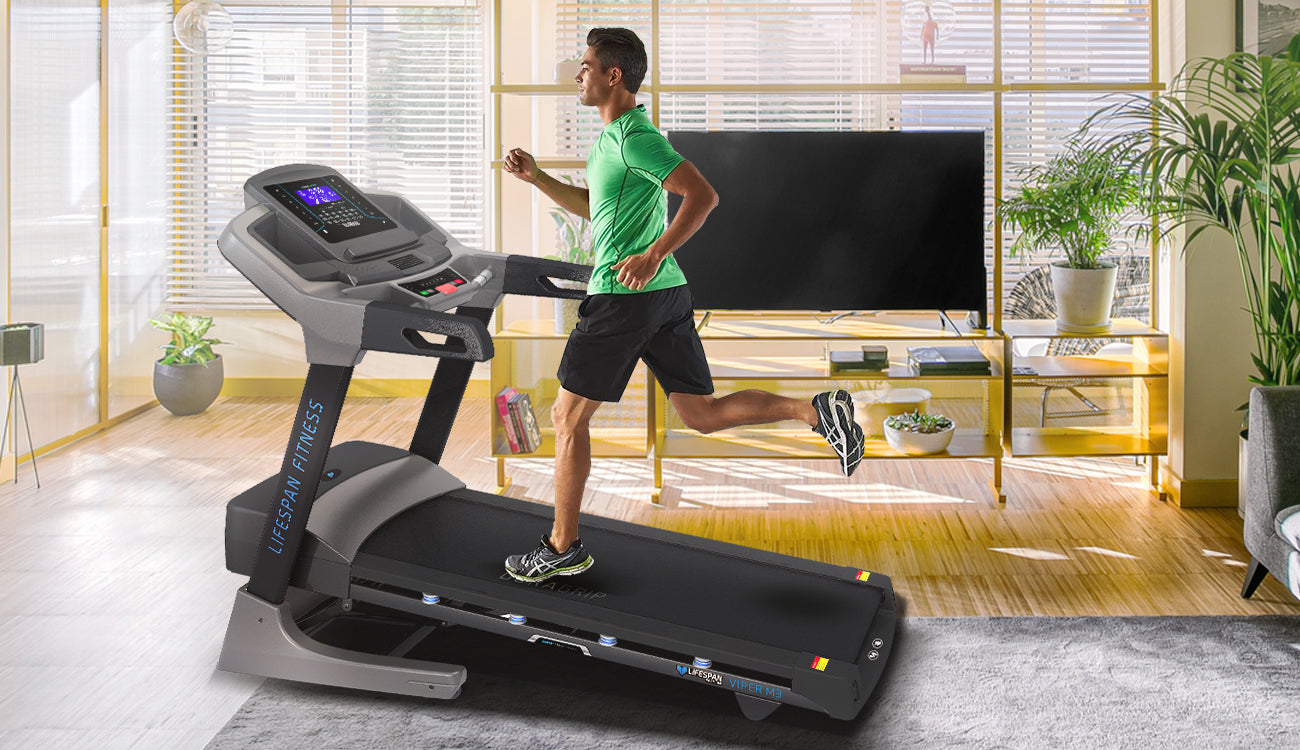
Incline is an easy lever to change intensity. A small grade increase can boost calorie burn more than raising speed. Walking at 5% uses more posterior chain muscles. That includes glutes, hamstrings, and calves.
- Calorie effect
- Calories rise with incline and effort. You don’t need to run to burn more.
- Muscle effect
- Steeper incline targets glutes and hamstrings. That helps with climbing stairs and posture.
- Joint effect
- Incline walking can reduce impact versus faster flat walking. But very steep grades may change gait and stress joints differently.
When thinking what incline should i walk on a treadmill, balance calorie goals with comfort. Start small and increase incline before pushing speed.
Proper form and treadmill safety
Form keeps your walks safe and effective. Bad posture wastes energy and raises injury risk.
- Posture tips
- Stand tall. Keep gaze forward and chin level.
- Let arms swing naturally. Don’t grip rails.
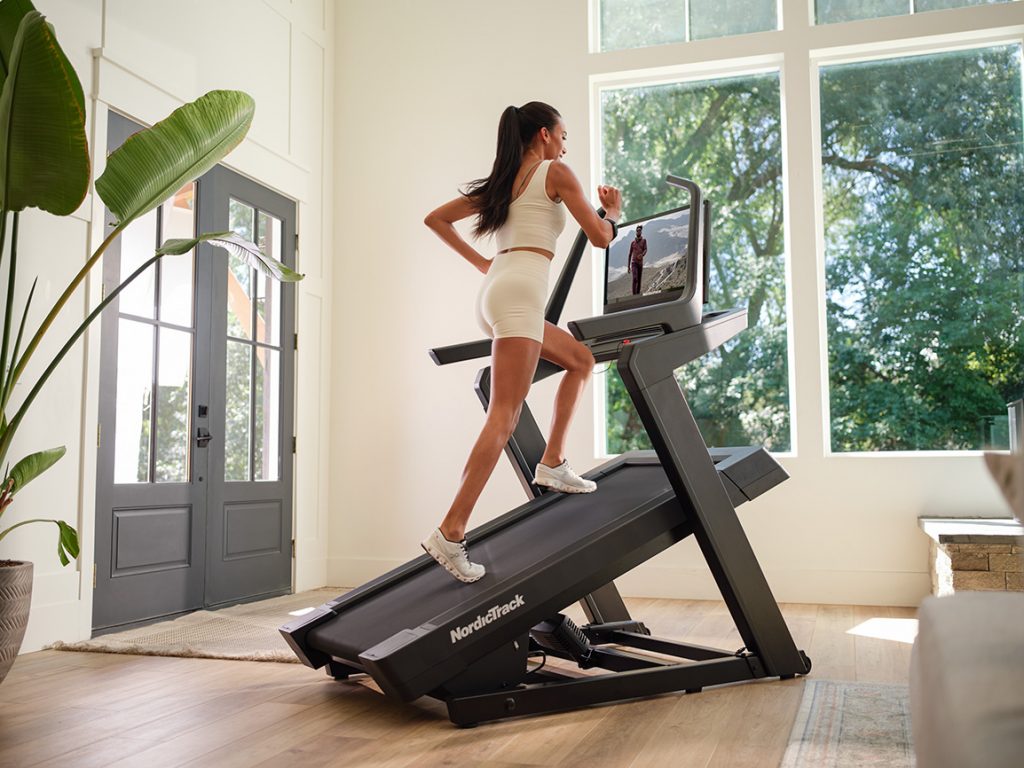
- Keep a slight forward lean from the ankles on steeper grades.
- Handrail use
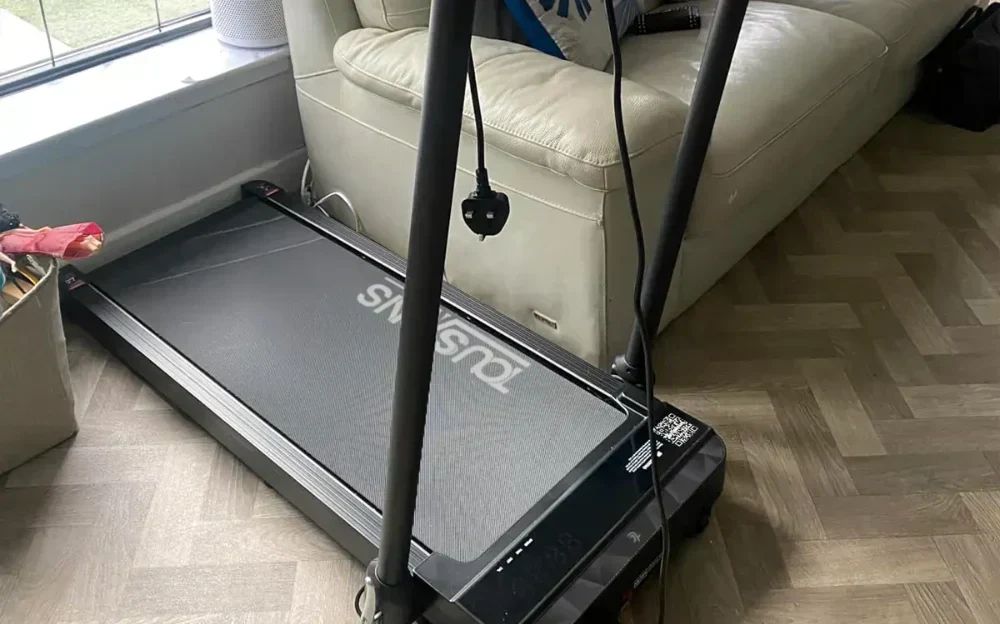
- Use rails only for balance or getting on/off. Relying on them lowers intensity and can change posture.
- Speed control
- Slow down when starting a high incline. This keeps balance and stable foot strike.
- Foot strike
- Aim for midfoot-to-forefoot on steeper inclines. Avoid heavy heel strikes.
If you have joint pain or balance issues, choose lower inclines and consult a clinician. Safety-first makes progress steady and lasting.
Common mistakes and how to avoid them
Avoid these frequent errors so your incline sessions help more than they hurt.
- Mistake: Jumping to high incline too fast.
- Fix: Increase grade by 1–2% every 1–2 weeks.
- Mistake: Holding the rails for long periods.
- Fix: Use a light touch for balance and reintroduce arm swing.
- Mistake: Speeding up to compensate for low incline.
- Fix: Slow speed and add small incline instead for safer intensity.
- Mistake: Flat posture or rounded shoulders.
- Fix: Check posture each 5 minutes and reset stance.
Listen to your body. If something feels off, drop the grade and reassess. Personal experience taught me that slower, consistent progress trumps sporadic hard efforts.
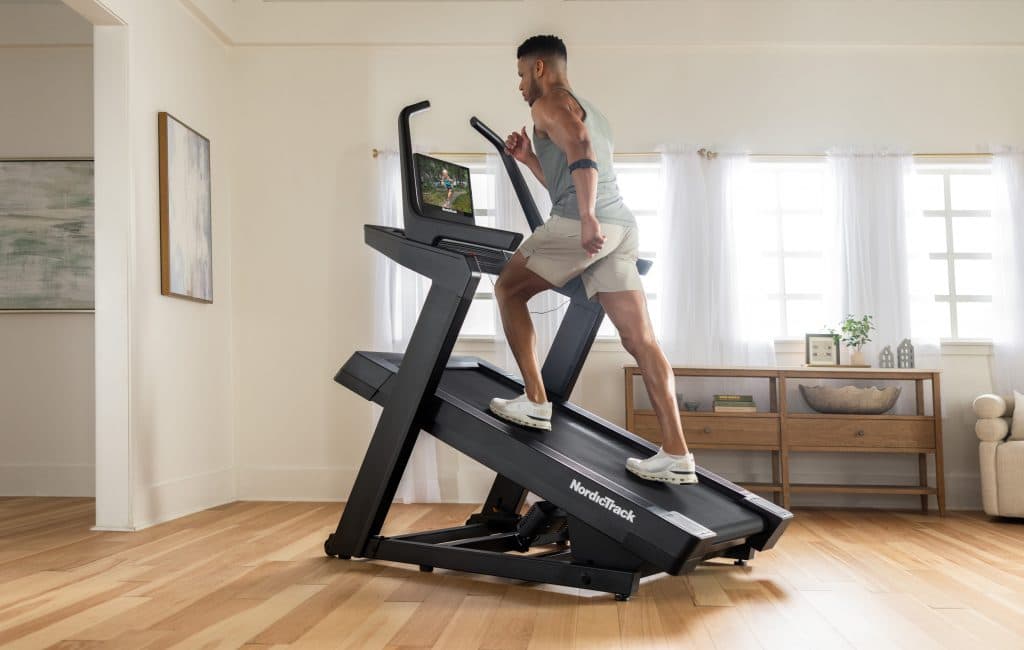
Progression plan: how to increase incline safely
A simple 6-week plan answers what incline should i walk on a treadmill as you gain fitness.
Week 1–2
- Base: 0–2% most sessions.
- Try: One 10-minute block at 3% once per week.
Week 3–4
- Base: 1–3%.
- Try: Two sessions with 3–5% intervals.
Week 5–6
- Base: 2–4%.
- Try: One hill interval day at 6–8% and one steady 4–6% session.
Increase incline only if you can hold good form. Log how you breathe and how your legs feel. That feedback is more reliable than the treadmill display.

Personal tips and lessons learned
From years coaching, here are practical tips I share with clients.
- Start with 1% when new to the treadmill. It feels natural and reduces belt drag.
- Shorter, steeper climbs beat long, flat sessions when time is tight.
- If your hips or knees ache after steep sessions, drop back 1–2% and focus on cadence.
- Use incline days for strength goals and flat brisk walks for recovery.
One client moved from 0% to consistent 5% walks over eight weeks and reported better posture and less back fatigue at work. Small, steady changes yield reliable results.
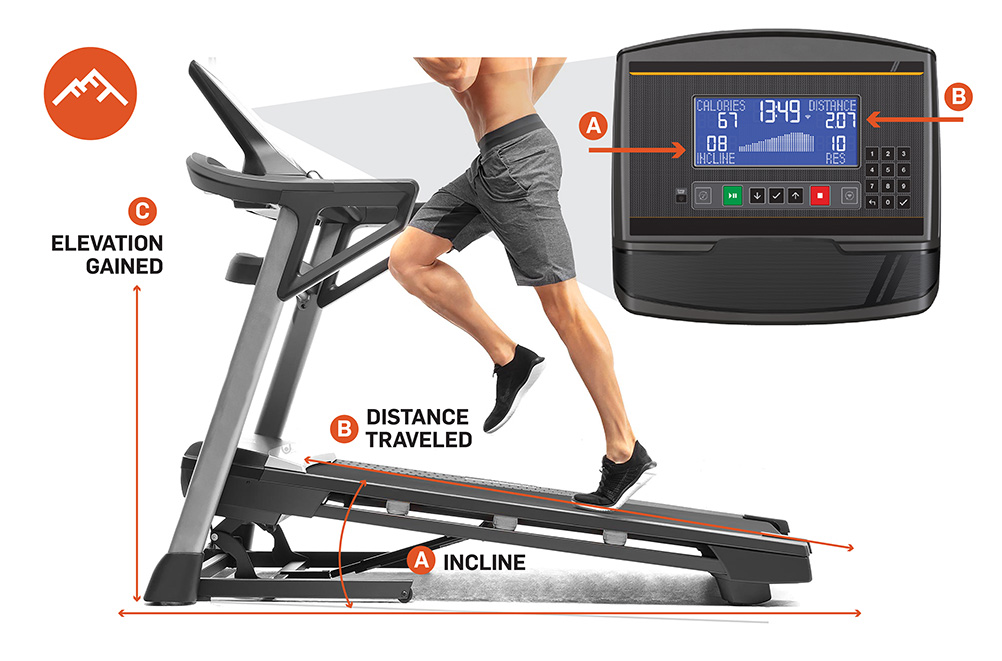
Frequently Asked Questions of what incline should i walk on a treadmill
What incline should i walk on a treadmill to burn fat?
Aim for 3–6% for steady-state fat-burning walks. Combine that with 30–45 minutes and a brisk pace for best results.
Is walking at 5% incline better than walking faster on flat?
Walking at 5% increases muscle recruitment and can burn more calories than the same speed on flat ground, while being gentler on joints.
How steep is too steep for walking on a treadmill?
For most people, sustained walking above 12% is very taxing and may alter gait. Use 6–12% for short intervals rather than long steady sessions.
Should I hold the handrails when walking on an incline?
No, avoid holding rails except for balance when starting. Holding rails reduces workout intensity and changes posture.
Can incline walking replace strength training?
Incline walking builds endurance and recruits glutes, but it does not replace targeted resistance training for maximal strength gains.
How long should I wait to increase incline?
Wait 1–2 weeks of consistent sessions before increasing incline by 1–2%. Let muscles adapt to avoid injury.
Conclusion
Choosing the best incline comes down to your goal, fitness, and comfort. If you wonder what incline should i walk on a treadmill, start low, progress steadily, and match grade to your goal—1–5% for daily fitness, 3–6% for calorie and muscle gains, and 6–12% for targeted hill work. Use the sample workouts and safety tips above to build a plan that fits your life.
Take one small step today: try a 3% walk for one session this week and notice how your legs and breathing change. If this guide helped, come back and share your progress, ask a question, or subscribe for more practical treadmill tips.

Brandon Knoxley is a sport & fitness writer and training guide contributor at MySportFitHub. He focuses on practical workouts, performance-based training, and honest fitness gear insights designed for real people and real results. Brandon is passionate about helping beginners and active individuals train smarter, avoid common mistakes, and build sustainable fitness habits.