What Is 10 Incline On A Treadmill: Benefits And Tips
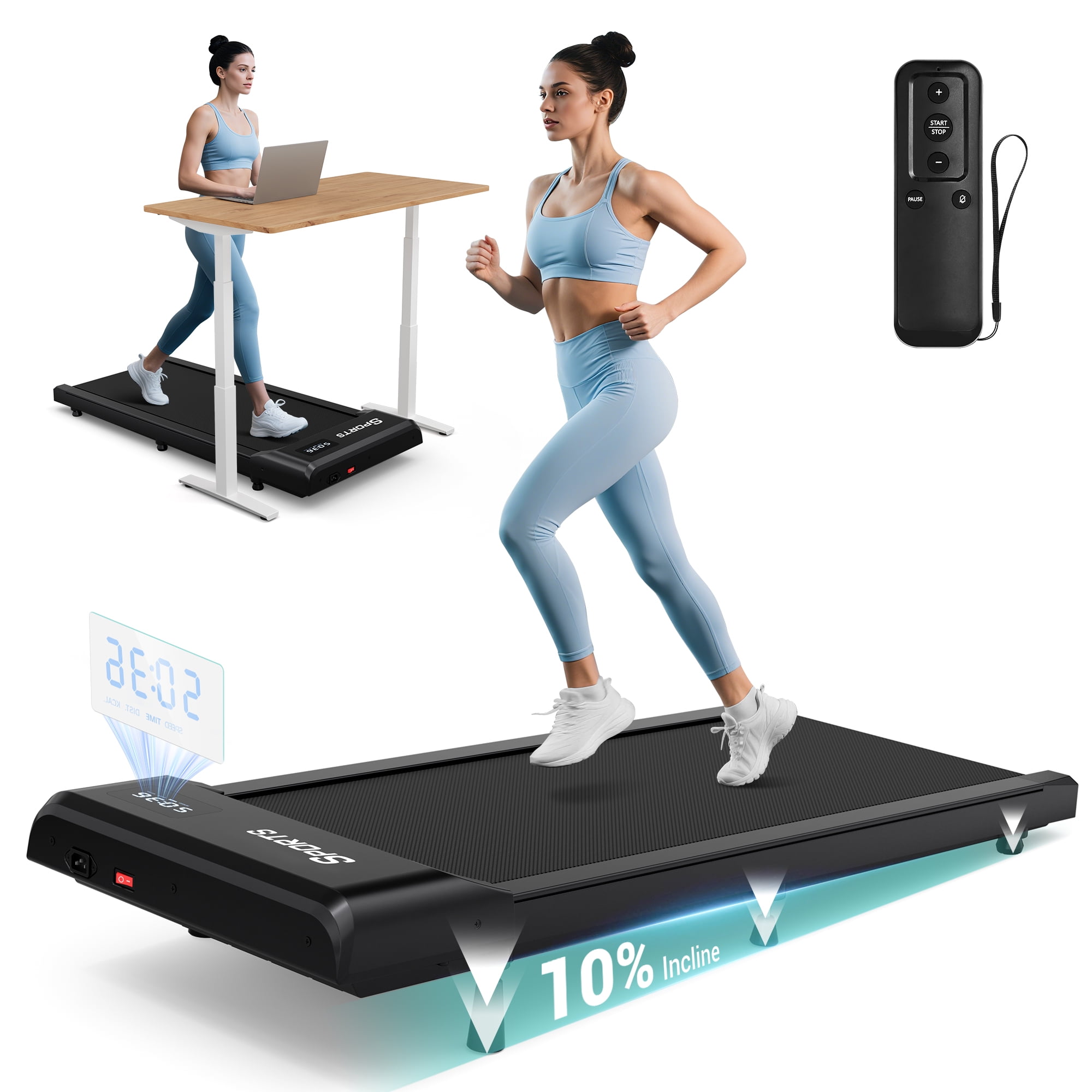
A 10 incline on a treadmill means a 10% uphill grade, not a 10-degree angle.
Understanding what is 10 incline on a treadmill can make your workouts safer, harder, and more useful. This setting creates a steep hill effect, raises your heart rate, and places more demand on your calves, glutes, and hamstrings. In this guide, you will learn how the setting works, how hard it is, how many calories it may burn, and how to use it without overdoing it.
What Is 10 Incline on a Treadmill?
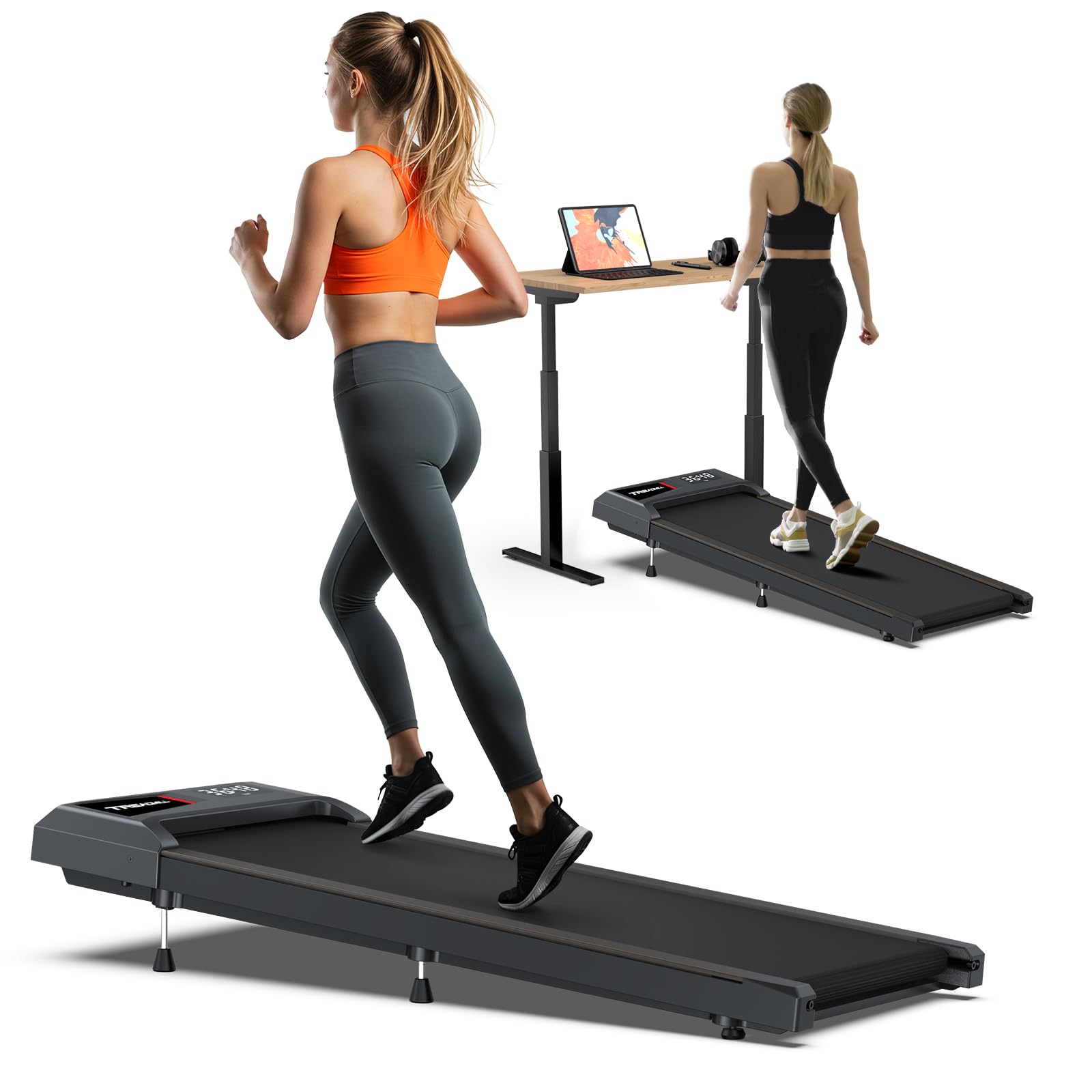
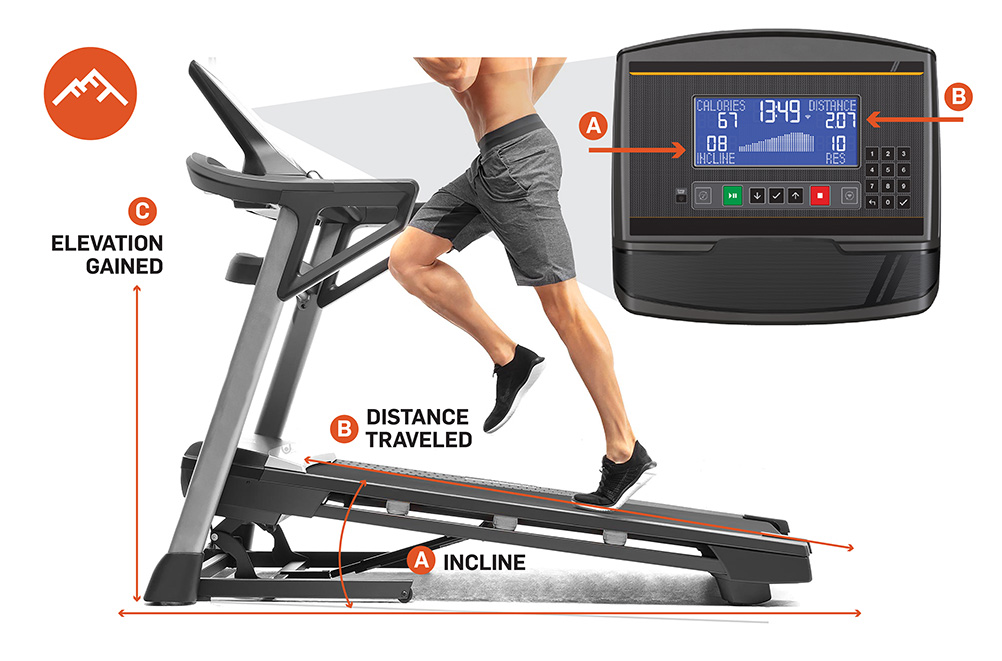
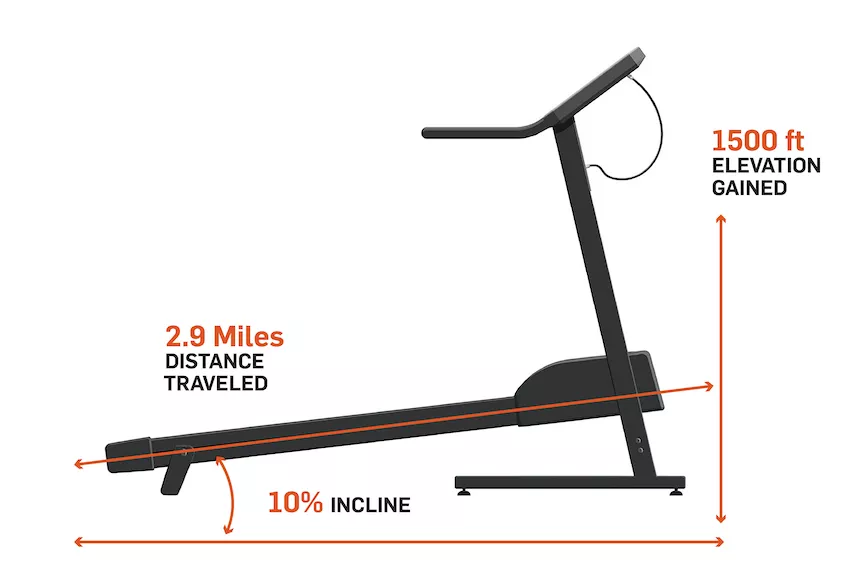
What is 10 incline on a treadmill? It is a 10% grade. For every 100 units of forward movement, the treadmill deck rises about 10 units. On most treadmills, the number “10” means a 10% incline rather than a 10-degree slope.
This setting feels like walking or running up a fairly steep outdoor hill. It is much harder than walking on a flat treadmill, but it is not the steepest setting on many machines. Some treadmills reach a 12%, 15%, or even 40% incline.
A 10% grade has an angle of about 5.7 degrees. That difference matters because incline percentage and angle are not the same measurement.
Here is a simple example:
• A 0% incline feels like level ground.
• A 5% incline feels like a moderate hill.
• A 10% incline feels like a steep hill.
• A 15% incline feels very steep for most walkers.
The treadmill raises the front of the belt to create this slope. You then work against gravity with every step, much like climbing a long outdoor hill.
How Hard Is a 10 Incline Treadmill Workout?
What is 10 incline on a treadmill in terms of effort? The answer depends on your speed, fitness level, body weight, stride, and how long you stay on the incline.
A 10% incline at 2.5 mph may feel like a strong walk. At 3.5 mph, it can feel like a demanding cardio session. At 5 mph, it may become a hard uphill run or power walk for many people.
For example:
• 2.0 to 2.5 mph at 10%: Easy to moderate uphill walking
• 2.5 to 3.5 mph at 10%: Moderate to hard cardio
• 3.5 to 4.5 mph at 10%: Hard power walking
• More than 5 mph at 10%: Very demanding for most users
The grade can change your workout more than a small speed increase. A flat 3 mph walk may feel comfortable, while a 3 mph walk at a 10% incline can quickly raise your breathing rate.
The American College of Sports Medicine uses speed and grade together to estimate treadmill exercise intensity. In simple terms, both settings matter. A slow speed on a steep incline may be as challenging as a faster speed on a flat belt.
Your body also adapts over time. A setting that feels tough today may feel manageable after several weeks of steady training.
What Muscles Does a 10 Incline Work?
What is 10 incline on a treadmill doing to your muscles? It increases the work required from the muscles that extend your hips, knees, and ankles.
The main muscles involved include:
• Glutes, which help drive your body upward
• Hamstrings, which support hip movement and knee control
• Calves, which help push your foot into the belt
• Quadriceps, which straighten the knee during each step
• Core muscles, which help keep your trunk stable
A steep incline shifts more work toward the back of your legs. Many people notice this in the glutes and calves first. You may also feel more tension in your lower back if you lean too far forward or use poor posture.
Keep your chest lifted and take short, steady steps. Avoid reaching far ahead with your foot. A shorter stride often gives you better control and reduces unnecessary stress on your knees.
The incline does not isolate one muscle. It creates a full lower-body challenge while also making your heart and lungs work harder.
Benefits of Walking at a 10% Incline
Using a 10% treadmill incline can offer several fitness benefits when you use it with good form and sensible progression.
It raises heart rate
An uphill walk usually requires more effort than the same speed on a level treadmill. This can help you reach a moderate or vigorous exercise intensity without sprinting.
A faster heart rate is not automatically better. The goal is to match the effort to your health, fitness, and workout plan.
It builds uphill strength
Incline walking gives your legs a strength-endurance challenge. This can help with stairs, hiking, hills, and sports that require repeated pushing from the ground.
It may increase calorie use
A steeper grade usually increases energy use compared with walking at the same speed on a flat belt. However, calorie displays are estimates. They may not account for fitness level, body composition, handrail use, or machine accuracy.
It offers a lower-impact option than running
Walking at an incline can feel hard without requiring the same impact as running. This may suit people who want a challenging workout while limiting repeated pounding.
Still, lower impact does not mean zero risk. A steep incline can place extra demand on the calves, Achilles tendons, knees, and lower back.
It adds variety
A 10% incline can make a short treadmill session feel more purposeful. It also helps prevent every workout from becoming the same flat walk.

Does a 10 Incline Burn More Calories?
What is 10 incline on a treadmill likely to do for calorie burn? It can increase calorie use because your body must lift itself against gravity with each step.
The exact number varies. A person who weighs more may use more energy for the same speed and grade. A faster pace also raises energy use. Fitness level, stride efficiency, workout length, and whether you hold the handrails all affect the result.
As a rough illustration, a 155-pound person walking at 3 mph may burn around 230 calories per hour on a flat treadmill. At a 10% incline, the estimated total may rise to roughly 500 calories per hour. These figures are only examples, not guarantees.
Treadmill calorie numbers should not be treated as exact. Many machines calculate results from speed, incline, and a guessed body weight. They may not measure your true oxygen use.
Holding the front or side rails can also reduce the challenge. It supports part of your body weight and may make the displayed calorie estimate less meaningful. If you need the rails for balance, use them lightly and lower the speed or incline.
How to Use a 10 Incline Safely
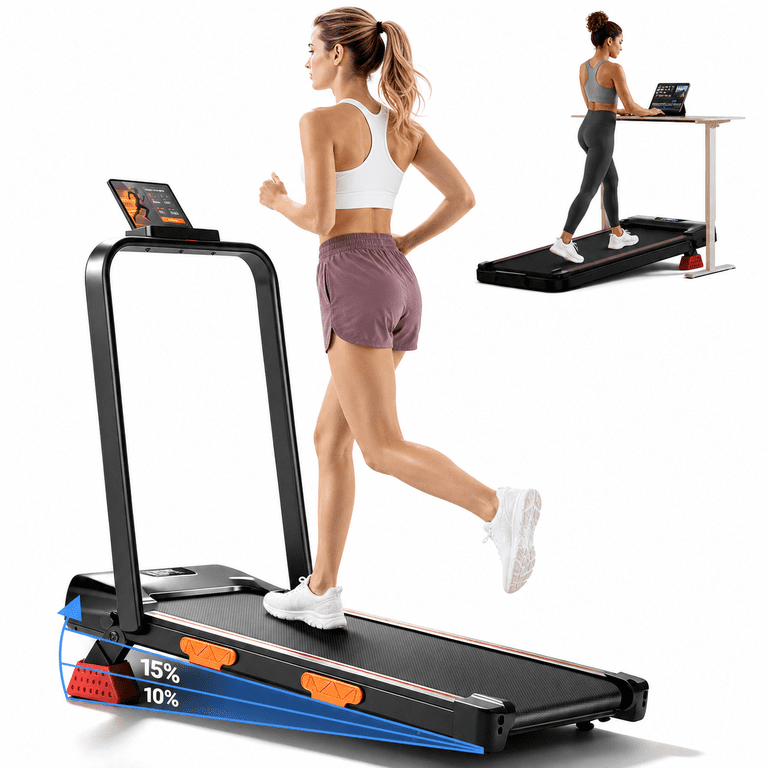
What is 10 incline on a treadmill worth if it causes pain or poor form? A safe workout should challenge you without making you lose control.
Use these steps:
- Warm up for five to ten minutes at a flat or low incline.
- Raise the incline slowly instead of jumping straight to 10%.
- Choose a speed that lets you keep a steady stride.
- Keep your chest tall and your eyes forward.
- Let your arms swing naturally when possible.
- Reduce the incline if you begin to lean heavily on the rails.
- Cool down at a low incline for several minutes.
- Stop if you feel chest pain, faintness, severe shortness of breath, or sharp pain.
Do not treat the handrails like crutches. Light contact is fine for balance, but pulling your body forward can change your posture and reduce the training effect.
If you have heart disease, uncontrolled blood pressure, major joint problems, balance concerns, or a recent injury, speak with a qualified health professional before using a steep incline. People with diabetes or reduced foot sensation should also take extra care with foot checks and exercise planning.

Beginner 10 Incline Treadmill Workout
A beginner does not need to stay at a 10% incline for a long time. Short intervals can provide a strong workout while allowing your muscles and tendons to adapt.
Try this 25-minute plan:
• 5 minutes at 0% to 2% incline for warm-up
• 2 minutes at 5% incline
• 1 minute at 10% incline
• 2 minutes at 3% incline
• Repeat the incline block four times
• 5 minutes at 0% to 2% incline for cool-down
Choose a walking speed that feels controlled. You should be breathing harder, but you should still be able to speak in short sentences.
When I assess incline training plans, the most common mistake is starting with too much speed and too much grade at once. A slower pace at 10% is often more useful than a fast pace that forces you to grip the rails.
Progress by changing one factor at a time. Add one interval, increase the speed slightly, or extend the workout by a few minutes. Do not increase everything in the same session.
10 Incline Treadmill Workouts for Different Goals
What is 10 incline on a treadmill best used for? It can support several goals, including general fitness, hill preparation, and cardio conditioning.
For general fitness
Use 10% incline intervals for one or two minutes. Recover at a low incline for the same amount of time. Repeat four to eight times.
For hiking preparation
Spend more time at a moderate speed and use longer incline blocks. For example, walk at 10% for five minutes, then recover at 2% for three minutes. Repeat three or four times.
For fat loss support
Combine incline walking with a balanced eating plan and regular strength training. Incline exercise can raise energy use, but no treadmill setting can replace a sustainable calorie balance.
For running preparation
Use short uphill intervals at a controlled running speed. Keep the total hard-running time modest at first. Hill work is demanding, so allow recovery between sessions.
For a short workout
Try this 15-minute session:
• 3 minutes at 0% to 2%
• 1 minute at 10%
• 1 minute at 3%
• Repeat five times
• 2 minutes at 0% to cool down
Adjust the speed and incline to your fitness level. The numbers are a starting point, not a test you must pass.

Common Mistakes on a 10 Incline
A 10% grade is simple to set, but several mistakes can reduce its value or increase injury risk.
Holding the rails
Leaning on the rails changes your body position and reduces the amount of work your legs must do. Lower the speed if you cannot walk safely without heavy support.
Taking long steps
Long strides can cause your foot to land too far ahead of your body. This may increase braking forces and make the incline feel awkward. Use short, smooth steps instead.
Leaning from the waist
A slight forward body angle is normal on a hill. Bending sharply at the waist is not. Keep your spine long and hinge slightly from the ankles.
Skipping the warm-up
Cold muscles and tendons may not handle a steep grade well. A gradual warm-up prepares your joints and raises body temperature.
Using 10% every day
More is not always better. Your calves, feet, and Achilles tendons need time to recover. Mix steep incline workouts with flat walking, easy cycling, strength work, or rest.
Chasing the calorie display
The treadmill screen can provide a useful estimate, but it is not a laboratory measurement. Focus on consistent training, effort, recovery, and long-term progress.
Incline Percentage Versus Incline Level
What is 10 incline on a treadmill may look different across brands. Some treadmills display the actual percentage, while others use a numbered incline level.
On many machines, level 10 equals a 10% grade. That is common, but it is not universal. Always check the treadmill manual or the label near the console.
The term “10 incline” can therefore create confusion. One machine may show 10%, while another may show level 10 with a different physical slope.
Look for the percent sign when possible. If the console shows only levels, check the machine settings before comparing your workout with another treadmill.
This is also why online workout claims can be misleading. A “10 incline” workout may not mean exactly the same thing on every model.
How Often Should You Use a 10 Incline?
Most beginners can start with one incline session per week. If your body responds well, you may gradually increase to two or three sessions per week.
Allow at least one easier day between hard incline workouts when you are new to the setting. This gives your calves, feet, and leg muscles time to recover.
A balanced weekly plan might include:
• One steep incline interval workout
• Two easy or moderate cardio sessions
• Two strength training sessions
• One or two rest or active recovery days
The right schedule depends on your goals and current fitness. If your legs remain sore for several days, reduce the incline, speed, or workout length.
Progress should feel steady rather than dramatic. Fitness improves when training stress and recovery work together.
Frequently Asked Questions About What Is 10 Incline on a Treadmill
Is a 10 incline the same as a 10-degree incline?
No. A 10 incline usually means a 10% grade, which equals about 5.7 degrees. A true 10-degree incline is steeper than a 10% treadmill setting.
Is walking at a 10% incline good for weight loss?
It can support weight loss by increasing energy use and making cardio more demanding. Weight loss still depends on your overall calorie balance, eating habits, sleep, and long-term activity.
What speed should I use at a 10 incline?
Many people start between 2 and 3.5 mph, but the best speed depends on fitness and walking form. Choose a pace that feels challenging while allowing you to stay upright and avoid heavy rail support.
Is a 10 incline hard for beginners?
Yes, it can be challenging, especially when combined with a fast speed. Beginners should use short intervals, warm up first, and lower the incline if they lose good form.
Can I use a 10 incline every day?
You can, but daily steep incline work may irritate your calves, feet, knees, or Achilles tendons. Most people benefit from alternating hard incline sessions with easier workouts.
Does a 10 incline build glutes?
It can train the glutes more than level walking because uphill movement requires greater hip extension. The result depends on speed, duration, technique, and your total strength program.
Should I hold the treadmill rails at a 10 incline?
Use the rails lightly for balance if needed, but avoid pulling or leaning heavily. If you need constant support, reduce the speed or incline until you can move with better control.
Conclusion
A 10 incline on a treadmill means a 10% uphill grade, not a 10-degree angle. It can raise your heart rate, increase energy use, and challenge your glutes, hamstrings, calves, and core more than level walking.
Start slowly, use good posture, avoid heavy rail support, and build your workout over time. A short, controlled incline session is often more effective than a long session performed with poor form.
Set the treadmill to a level that challenges you without causing pain or loss of control. Track how you feel, allow recovery, and adjust your plan as your fitness improves. Share this guide with someone starting incline walking, and explore more evidence-based training resources for your next workout.

Brandon Knoxley is a sport & fitness writer and training guide contributor at MySportFitHub. He focuses on practical workouts, performance-based training, and honest fitness gear insights designed for real people and real results. Brandon is passionate about helping beginners and active individuals train smarter, avoid common mistakes, and build sustainable fitness habits.