What Does A Treadmill Stress Test Show: Results Explained
A treadmill stress test shows how your heart responds to exercise, detecting blockages, rhythm problems, and symptoms.
I’ve run and reviewed many of these tests in clinic and in research, so I’ll walk you through exactly what does a treadmill stress test show, why clinicians order it, and how to read the results. This guide balances plain language, practical tips, and clinical insight so you can understand findings, prepare properly, and know the test’s limits.
:max_bytes(150000):strip_icc()/1745248_color-5ba52e0446e0fb00505549e4.png)
What does a treadmill stress test show — the basics
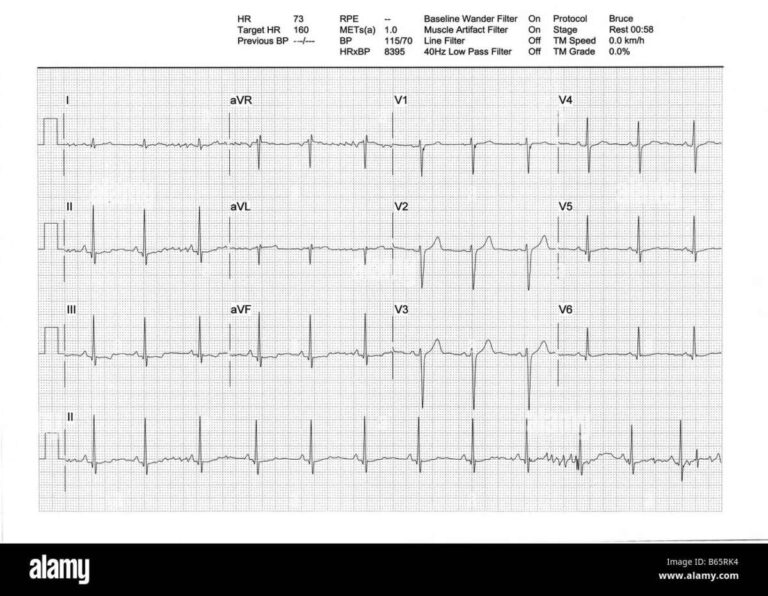
A treadmill stress test measures heart rate, rhythm, blood pressure, exercise capacity, and ECG changes while you exercise. It looks for signs of reduced blood flow to the heart, exercise-induced arrhythmias, and how well the heart tolerates physical stress.
Key outputs clinicians look for
- ECG changes that suggest ischemia or poor blood flow.
- Blood pressure response to exercise.
- Heart rate response and recovery speed.
- Symptoms such as chest pain, breathlessness, or dizziness.
- Functional capacity measured in exercise duration or METs.

How the test works
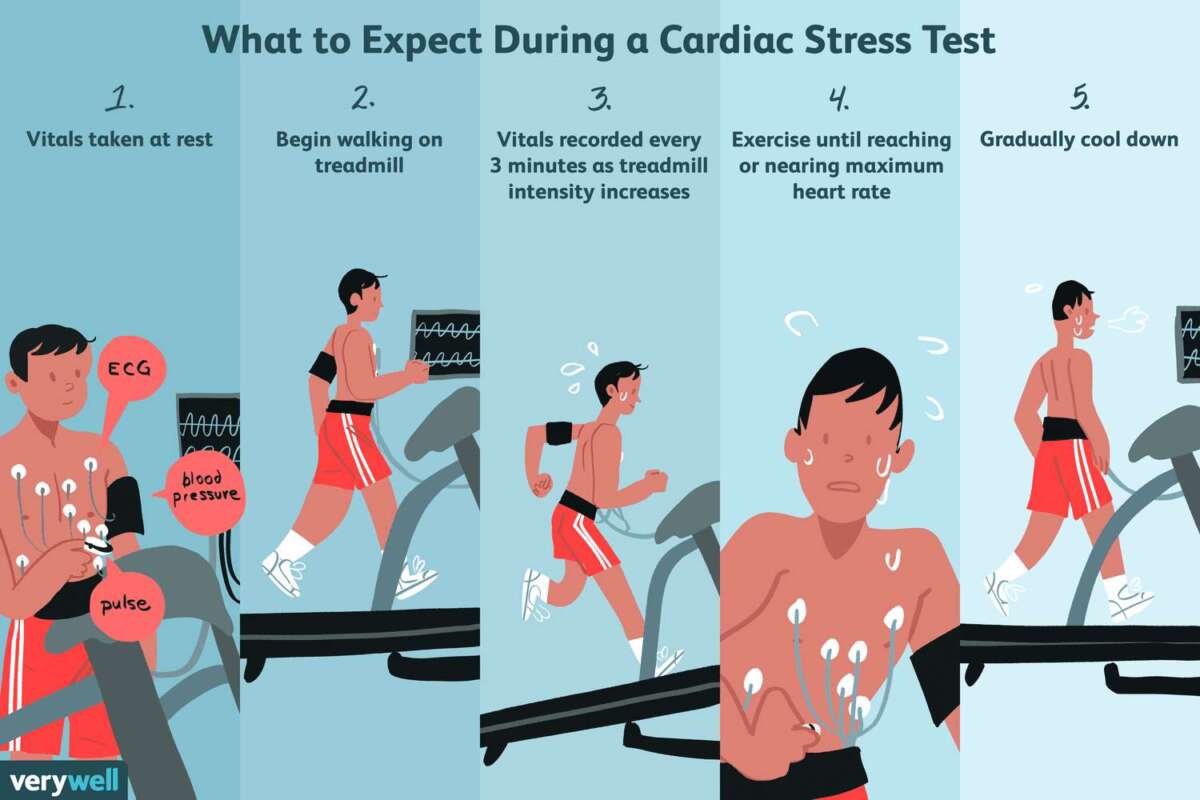
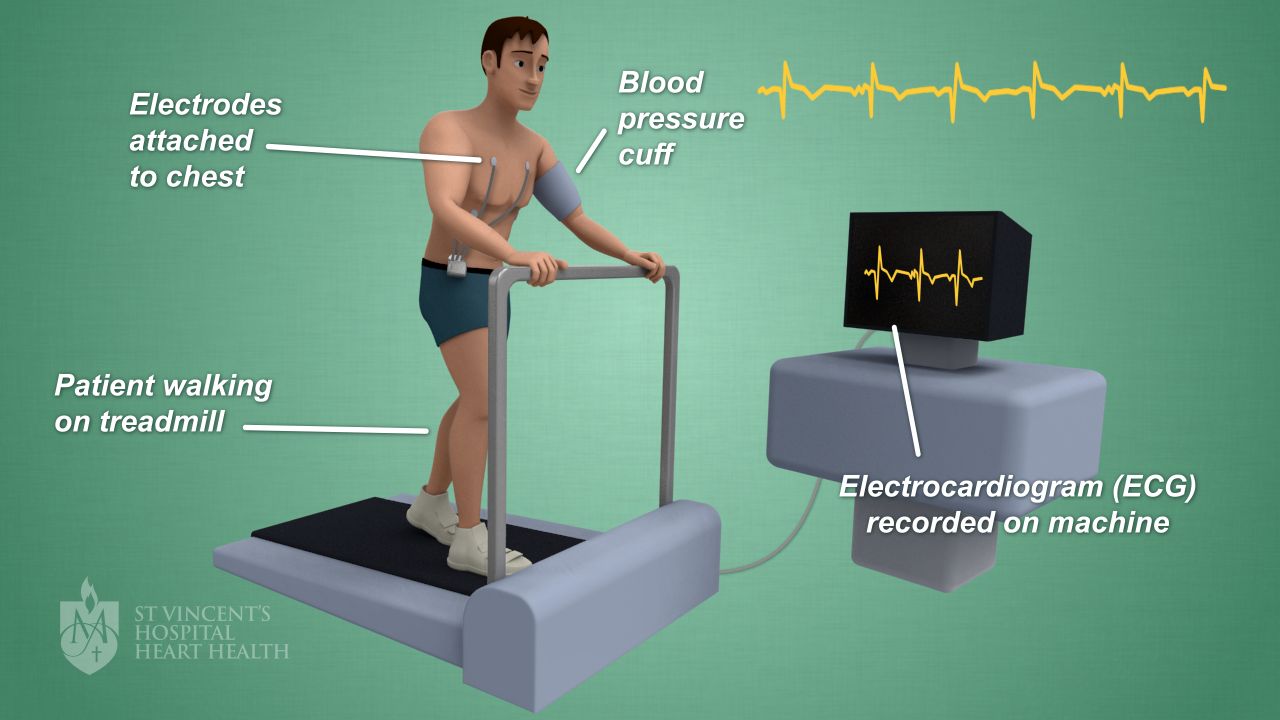
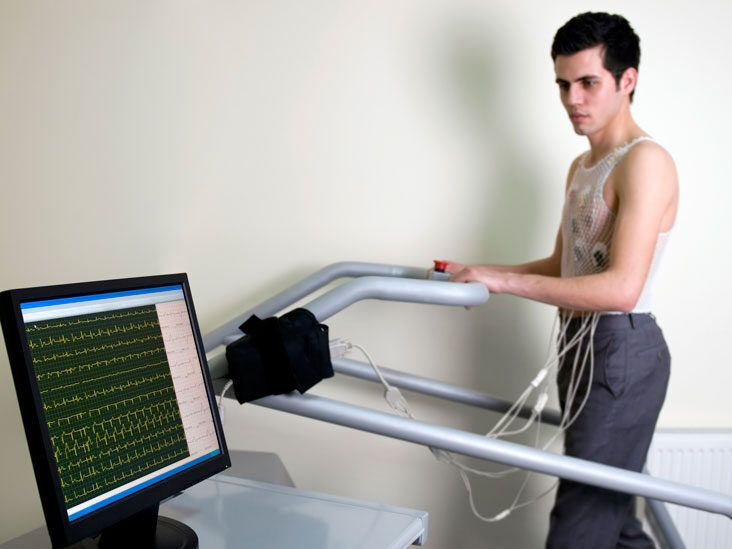
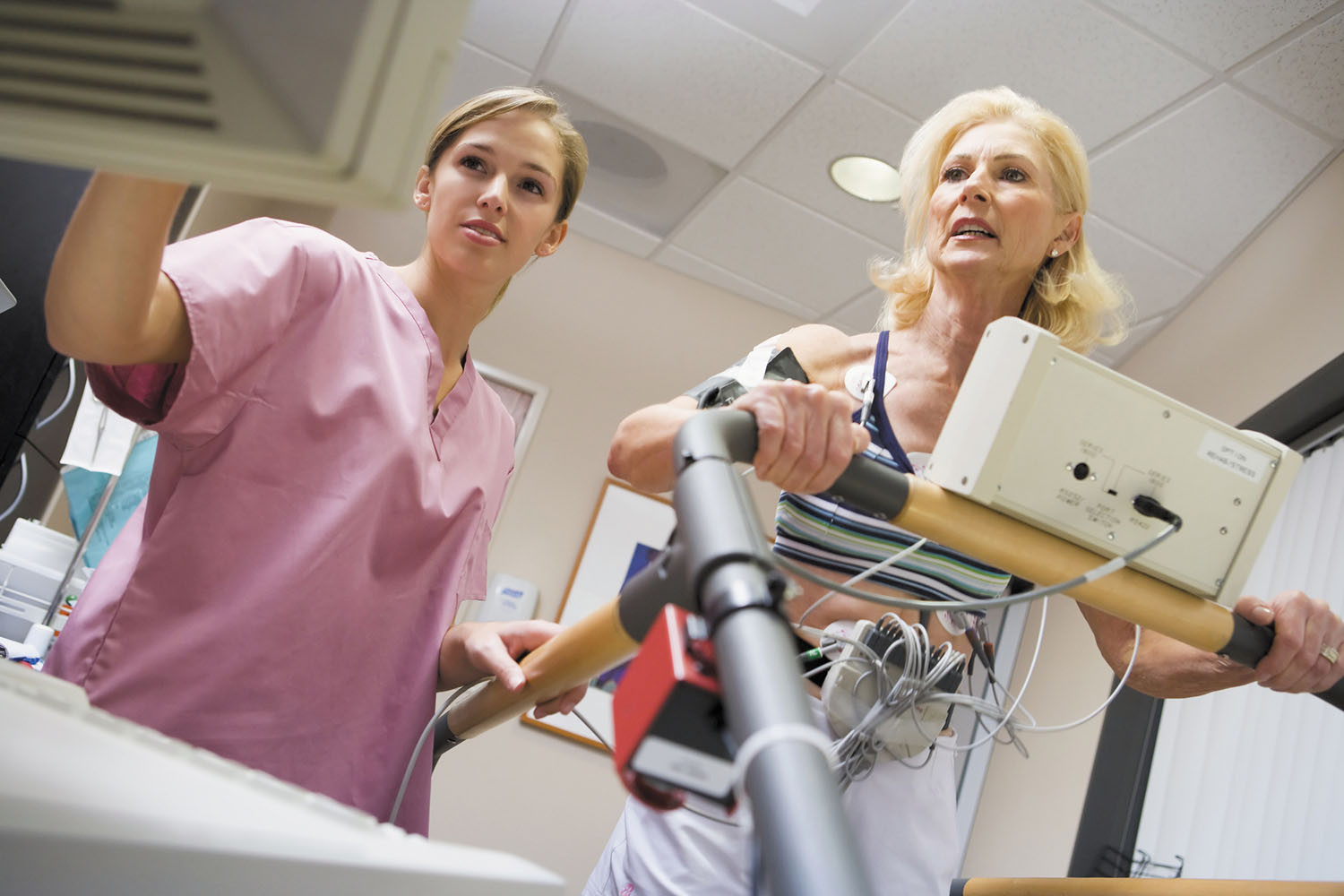
You walk or jog on a treadmill while wearing ECG leads and a blood pressure cuff. The treadmill speed and incline rise in stages, usually every 2–3 minutes, to increase heart workload.
What technicians record
- Continuous ECG tracing.
- Blood pressure at regular intervals.
- Your symptoms and perceived exertion.
- Total exercise time and peak heart rate reached.
What findings mean: common results and their meaning
Interpreting what does a treadmill stress test show depends on patterns and context. Here are common findings and what they usually indicate.
ECG changes
- ST-segment depression often suggests myocardial ischemia from narrowed coronary arteries.
- New arrhythmias like atrial fibrillation or ventricular ectopy may show up only during stress.
Blood pressure and heart rate
- An appropriate rise in blood pressure and heart rate is normal.
- A fall in blood pressure or failure to rise may indicate poor heart function or severe ischemia.
Exercise capacity and symptoms
- Low exercise tolerance or early chest pain can point to heart disease or poor fitness.
- Rapid heart rate recovery after stopping exercise usually signals good cardiovascular health.
Other clues
- Uneven performance between men and women, or atypical symptoms, can change test interpretation.
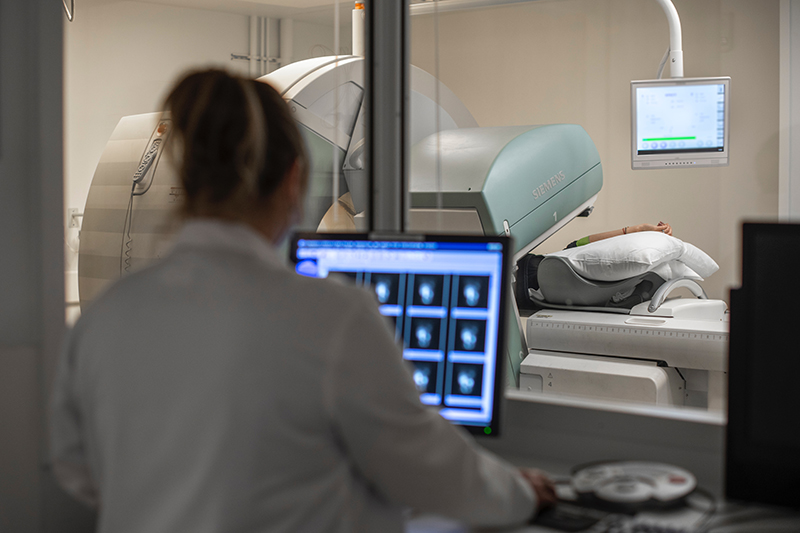
- Combined with imaging or blood tests, treadmill tests give clearer answers about blockages.
Who needs a treadmill stress test and why
Clinicians often order the test when they suspect coronary artery disease or when symptoms appear only with exertion. It helps answer questions such as:
- Do your chest pain or shortness of breath come from the heart?
- Is it safe to start or increase an exercise program?
- How well does your heart function under strain after a heart attack or procedure?
Common patient scenarios
- New exertional chest discomfort with low-to-intermediate risk.
- Evaluation before non-cardiac surgery in certain patients.
- Monitoring known coronary disease when symptoms change.

Preparing for the test and what to expect
Preparation is simple but important for accurate results. Follow your clinician’s instructions about medications and food.
Practical preparation tips
- Wear comfortable clothes and running shoes.
- Avoid heavy meals, caffeine, and smoking for a few hours before the test.
- Ask which medications to hold; beta blockers often blunt test responses.
- Expect the test to last 10–20 minutes of exercise plus setup and recovery.
During the test
- You will warm up, then exercise increases in intensity.
- Tell the technician if you feel chest pain, dizziness, or extreme shortness of breath.
- The test ends when you reach target heart rate, develop concerning symptoms, or cannot continue.
Risks, limitations, and when results can be misleading
A treadmill stress test is generally safe, but it has limits. Knowing them helps you and your clinician avoid wrong conclusions.
Risks
- Small risk of chest pain, arrhythmia, or very rarely heart attack during maximal exercise.
- Monitored setting and trained staff minimize risk.
Limitations
- False negatives can occur if coronary disease affects blood flow only at higher workloads than the test reaches.
- False positives are possible with baseline ECG changes, medications, or poor test quality.
- It is less accurate in people with prior ECG abnormalities, left bundle branch block, or paced rhythms.
When results can mislead
- If you are on medications that blunt heart rate, like beta blockers, the test may underestimate risk.
- Poor effort or orthopedic limits can make a heart problem look milder than it is.
Personal experience and practical tips from the clinic
I’ve overseen hundreds of treadmill stress tests. One lesson I learned early: good communication beats fancy machines. When patients describe their symptoms clearly during exercise, the test gains value.
Practical tips I share with patients
- Be honest about your effort. Stopping early can mask disease.
- Report even mild chest discomfort; small changes matter.
- If you take beta blockers, ask whether to hold them; timing matters for test accuracy.
A short anecdote
- I once had a 58-year-old who walked briskly and felt fine, yet developed a small ST depression right at the end. That prompted further imaging that found a significant blockage. The treadmill test guided timely treatment.
Quick PAA-style questions
Q: What does a treadmill stress test show about blockages?
A: It shows signs of reduced blood flow—usually ECG changes—suggesting blockages in coronary arteries. Positive findings often lead to further imaging or invasive testing.
Q: Can a treadmill stress test show heart rhythm problems?
A: Yes. It can reveal arrhythmias that appear only during exercise, such as premature beats or atrial fibrillation. These findings help guide treatment and safety advice.
Q: How accurate is the treadmill stress test?
A: Accuracy varies with patient factors and test quality. It’s a good first-line test for many but may be supplemented by imaging or catheterization when needed.
Frequently Asked Questions of what does a treadmill stress test show
What does a treadmill stress test show if it is normal?
A normal test suggests no obvious exercise-induced ischemia, good blood pressure and heart rate response, and no dangerous arrhythmias during the test. It does not completely rule out coronary disease, especially in people with low test effort or certain ECG abnormalities.
Can a treadmill stress test show a heart attack?
A treadmill stress test can show ECG changes that suggest ischemia but it does not diagnose a current heart attack. If a heart attack is suspected, clinicians use blood tests and acute care protocols instead of an exercise test.
How long does it take to get treadmill stress test results?
Technicians and cardiologists often review results the same day and discuss them with you before you leave or at a follow-up visit. If additional analysis or imaging is needed, results may take a few days.
Will medications affect what a treadmill stress test shows?
Yes. Medications like beta blockers and some calcium channel blockers blunt heart rate and can reduce the test’s sensitivity. Your clinician may advise holding certain drugs before the test.
What should I do if my treadmill stress test shows abnormalities?
Discuss the findings with your cardiologist to decide on next steps, which may include stress imaging, coronary CT, invasive angiography, or medical therapy adjustments. The plan depends on the type and severity of the abnormality.
Conclusion
A treadmill stress test shows how your heart behaves under exercise, revealing ischemia, rhythm problems, blood pressure response, and fitness level. Use the test as one clear piece of information, combined with symptoms, history, and further testing when needed. If you have symptoms or risk factors, talk to your clinician, prepare well, and share full effort during the test. Share your experience, ask questions, or subscribe for updates if you found this guide helpful.

Brandon Knoxley is a sport & fitness writer and training guide contributor at MySportFitHub. He focuses on practical workouts, performance-based training, and honest fitness gear insights designed for real people and real results. Brandon is passionate about helping beginners and active individuals train smarter, avoid common mistakes, and build sustainable fitness habits.