
How Many Dumbbells Do I Need: A Simple Buying Guide
Most people need one pair of dumbbells, while serious home gyms benefit from several pairs or adjustable dumbbells.
Knowing how many dumbbells you need depends on your goals, strength, training style, budget, and available space. After helping people build simple home gyms, I have found that buying more weights is not always the best move. The right set should support steady progress without filling your room with equipment you rarely use.
How Many Dumbbells Do You Need?
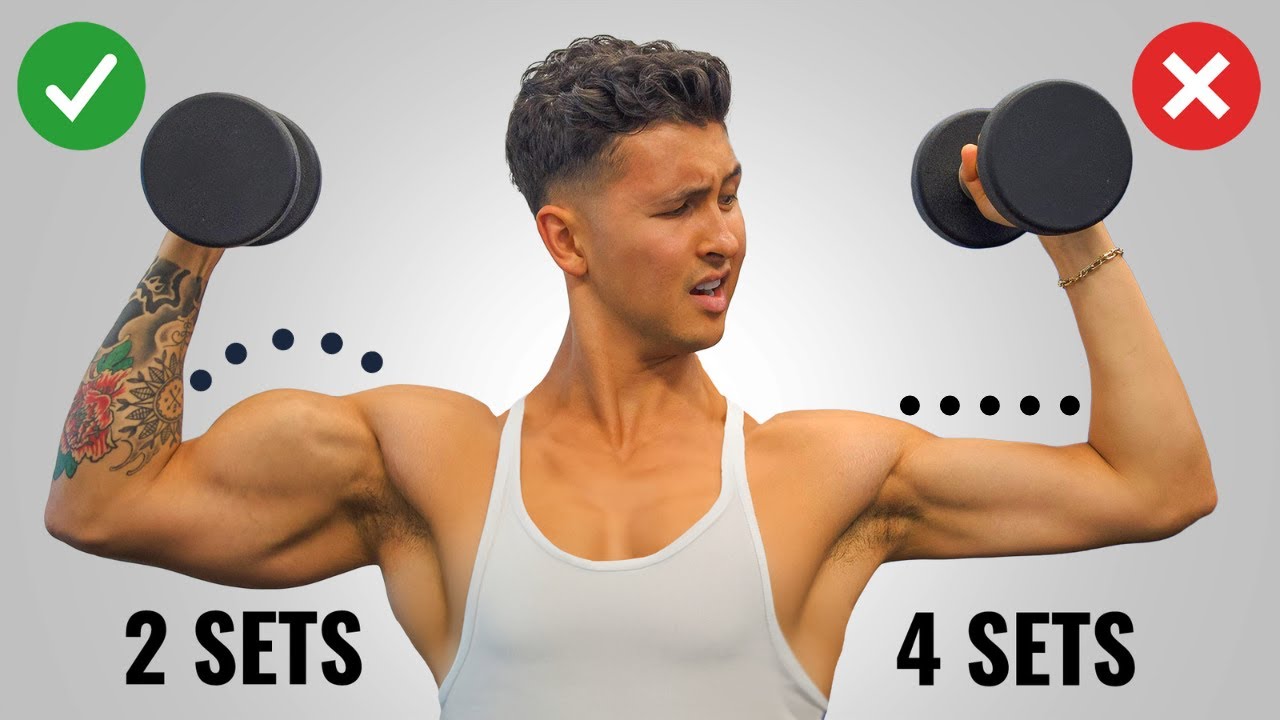
For most beginners, one pair of dumbbells is enough to start. A pair lets you train both sides of your body at the same time and perform key exercises such as presses, rows, squats, lunges, and curls.
The best answer to how many dumbbells do I need depends on the type of workout you plan to do:
• One pair works well for basic strength training and full-body workouts.
• Two to four pairs give you more options for different exercises.
• A full rack suits advanced lifters, families, or people who train often.
• One pair of adjustable dumbbells can replace many fixed-weight pairs.
You do not need a separate dumbbell for every exercise. You need enough weight to make each exercise challenging while allowing you to use safe form.
For example, you may use 10-pound dumbbells for shoulder presses but need 25-pound dumbbells for goblet squats. This is why many people eventually choose several pairs or adjustable dumbbells.

How Many Dumbbells Do You Need for a Home Gym?
A small home gym usually needs between one and five pairs of dumbbells. Your ideal setup depends on your experience and the exercises you enjoy.
Beginner home gym
A beginner can start with one pair in the 5- to 20-pound range. The exact weight depends on your current strength and the exercise.
A new lifter may use:
• 5 to 10 pounds for lateral raises and arm exercises
• 10 to 20 pounds for presses and rows
• 15 to 30 pounds for squats and deadlifts
These are only general examples. Some beginners may need lighter weights, while others may start with heavier ones.
Intermediate home gym
An intermediate lifter often benefits from three to six pairs. This setup gives you enough range for upper-body, lower-body, and single-arm exercises.
A practical collection may include:
• 10 pounds
• 15 pounds
• 20 pounds
• 25 pounds
• 30 pounds
• 35 pounds
You do not need every weight in exact five-pound steps. You can skip sizes if your budget or space is limited.
Advanced home gym
Advanced lifters may want a full range from 5 to 75 pounds or more. This setup works well for people who train with heavy presses, rows, lunges, squats, and carries.
Still, a large rack is not essential for everyone. Adjustable dumbbells can provide a similar range with less floor space.
So, how many dumbbells do I need for advanced training? Most people need either several pairs that cover their main lifts or one high-quality adjustable set.
One Dumbbell or Two Dumbbells: Which Is Better?
You can train with one dumbbell, but two dumbbells offer more balance and exercise choices.
A single dumbbell works well for:
• One-arm rows
• Goblet squats
• Suitcase carries
• One-arm presses
• Split squats
• Turkish get-ups
One-dumbbell workouts can also help correct strength differences between your left and right sides. They force your core to resist twisting, which can make some exercises more demanding.
Two dumbbells are better for:
• Chest presses
• Shoulder presses
• Biceps curls
• Triceps exercises
• Dumbbell deadlifts
• Walking lunges
• Renegade rows
If you are buying your first dumbbells, start with one pair. It is more convenient, faster, and easier to use for full-body workouts.
When people ask how many dumbbells do I need, I often suggest beginning with two matching dumbbells rather than one heavy dumbbell. A pair gives you more options from day one.

Fixed Dumbbells vs. Adjustable Dumbbells
The choice between fixed and adjustable dumbbells can change how many dumbbells you need.
Fixed dumbbells
Fixed dumbbells have one permanent weight. They are simple, fast to change, and often feel balanced in the hand.
Benefits include:
• Quick transitions between exercises
• No plates to adjust
• Strong durability
• Easy use during circuits
• A familiar feel in each hand
The main drawback is space. If you want ten different weights, you may need ten pairs. A dumbbell rack can also cost more than the weights themselves.
Adjustable dumbbells
Adjustable dumbbells use plates, pins, or dials to change the weight. One pair may replace many fixed dumbbells.
Benefits include:
• Better use of small spaces
• Lower cost for a wide weight range
• Easy progress over time
• Useful for full-body training
The drawbacks include slower weight changes and, with some models, a larger shape. Some adjustable handles may also feel less natural during exercises such as curls or presses.
Adjustable dumbbells are often the smartest answer to how many dumbbells do I need in a small apartment. One pair can cover beginner and intermediate training for years.
How to Choose the Right Dumbbell Weight
The right dumbbell weight should make the final few repetitions hard without ruining your form. You should feel challenged, but you should not need to swing, twist, or hold your breath to finish.
A useful starting point is a weight you can lift for about 8 to 12 controlled repetitions. The last two repetitions should feel difficult, but you should still be able to move with control.
Use this simple test:
-
Choose a weight that feels manageable.
-
Perform 8 to 12 repetitions.
-
Stop if your form breaks down.
-
If you can do more than 12 easy repetitions, increase the weight.
-
If you cannot complete 8 clean repetitions, reduce the weight.
Different muscles need different weights. Your legs and back are usually stronger than your shoulders and arms, so one dumbbell size will not work for every movement.
A common mistake is buying weights based on pride. Heavy dumbbells may look impressive, but a lighter weight used well will build better habits and reduce injury risk.

A Simple Dumbbell Setup for Every Fitness Level
Here are practical setups based on your needs.
For beginners
Choose one pair that lets you perform 8 to 12 good repetitions for presses, rows, squats, and lunges. Many adults start with 10- to 20-pound dumbbells, but this range is not universal.
If possible, choose adjustable dumbbells. They allow you to begin light and increase the load as your strength improves.
For weight loss and general fitness
You may need one or two pairs. Circuit workouts often use moderate weights, higher repetitions, and short rest periods.
A basic set could include:
• One lighter pair for raises and curls
• One heavier pair for squats, rows, and lunges
You can also use one pair for a full-body circuit. Exercises such as thrusters, deadlifts, rows, and presses work many muscles at once.
For muscle growth
Muscle growth requires progressive overload. This means gradually increasing weight, repetitions, sets, or training difficulty over time.
You may need three to five pairs so that each muscle group receives a suitable challenge. Adjustable dumbbells are useful because you can make small increases without buying a new pair each time.
For strength training
Strength-focused workouts usually require heavier dumbbells. You may need several pairs that allow low-repetition work on presses, rows, squats, and carries.
Your heaviest dumbbells should support your main movements without forcing poor form. If you can easily perform 15 or 20 repetitions, the weight may be too light for a strength-focused set.

Dumbbell Weight Guide by Exercise
The following examples can help you estimate how many dumbbells you need and what weight range may suit each movement.
| Exercise | Common starting range | Dumbbells used |
|---|---|---|
| Lateral raise | 2.5 to 10 pounds | One pair |
| Biceps curl | 5 to 25 pounds | One pair |
| Shoulder press | 5 to 35 pounds | One pair |
| Chest press | 10 to 50 pounds | One pair |
| One-arm row | 15 to 60 pounds | One dumbbell |
| Goblet squat | 15 to 60 pounds | One dumbbell |
| Romanian deadlift | 20 to 75 pounds | One pair |
| Walking lunge | 10 to 50 pounds | One pair |
These ranges are examples, not rules. Your training history, body size, age, and technique all affect the right load.
A person with strong legs may need 50-pound dumbbells for deadlifts but only 15-pound dumbbells for shoulder presses. That difference is normal.
How Many Dumbbells Do You Need for a Full-Body Workout?
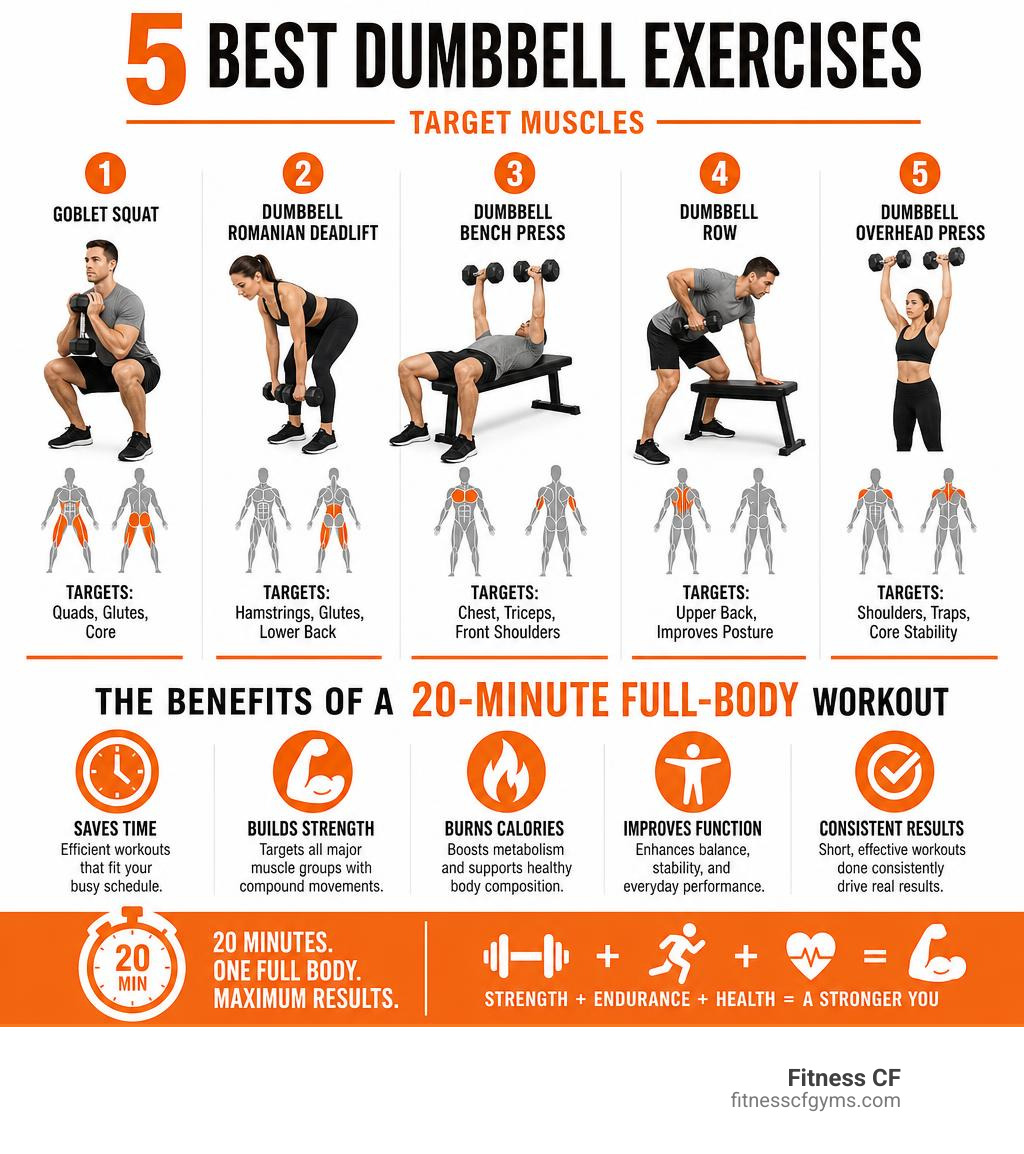
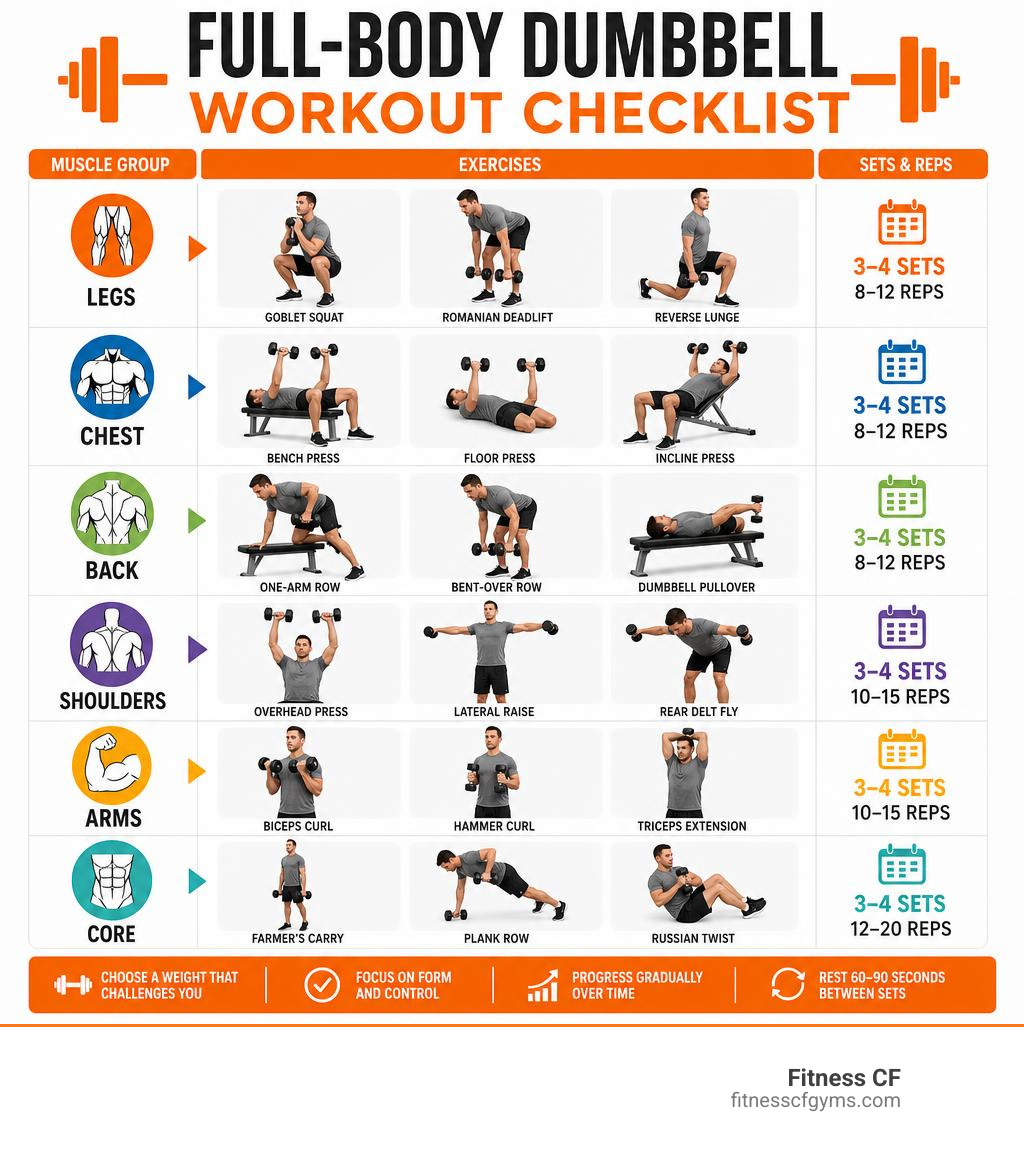
You can complete a strong full-body workout with just one pair. The key is choosing exercises that train the major movement patterns.
Try this simple routine:
-
Goblet squat: 3 sets of 8 to 12 repetitions
-
Dumbbell chest press: 3 sets of 8 to 12 repetitions
-
One-arm row: 3 sets of 8 to 12 repetitions per side
-
Dumbbell Romanian deadlift: 3 sets of 8 to 12 repetitions
-
Shoulder press: 2 sets of 8 to 12 repetitions
-
Farmer carry: 3 rounds of 30 to 45 seconds
Use a weight that allows smooth, controlled movement. Rest for about 60 to 120 seconds between sets, depending on the exercise and your fitness level.
The Centers for Disease Control and Prevention recommends muscle-strengthening activity on at least two days each week for adults. You can meet that goal with dumbbells, bodyweight exercises, resistance bands, or other tools.
This routine shows why the answer to how many dumbbells do I need is often just two. A pair can train your legs, chest, back, shoulders, arms, and core.

How Many Dumbbells Do You Need for Progressive Overload?
Progressive overload means making your training slightly harder over time. You can do this by adding weight, repetitions, sets, or control.
For example:
• Week one: 15 pounds for 10 repetitions
• Week two: 15 pounds for 12 repetitions
• Week three: 20 pounds for 8 repetitions
• Week four: 20 pounds for 10 repetitions
You do not need a new dumbbell after every workout. In fact, small changes in repetitions can help you build strength before you increase the load.
A useful approach is to increase the weight when you can complete all planned repetitions with clean form. A jump of 5 pounds per dumbbell may feel small for a leg exercise but large for a shoulder exercise.
In my experience, new lifters often rush to buy heavier weights. The better lesson is to master control first. A slow lowering phase can make a moderate dumbbell feel much heavier.
Common Mistakes When Buying Dumbbells
Buying dumbbells is simple, but several mistakes can waste money or limit your progress.
Buying only one very heavy pair
A heavy pair may work for deadlifts and squats, but it will not suit every exercise. You may struggle to perform safe shoulder raises, curls, or overhead presses.
Buying too many weights too soon
A full rack looks professional, but it may sit unused. Start with the weights you can use now, then expand as your needs change.
Ignoring weight jumps
Some adjustable dumbbells increase in large steps. A jump from 20 to 30 pounds may be too much for certain exercises. Smaller weight changes often make progress easier.
Choosing poor-quality equipment
Cheap handles can become uncomfortable. Loose plates can also create safety problems. Check the locking system, grip, finish, and weight accuracy before buying.
Forgetting storage
Dumbbells can damage floors or create a tripping hazard. Keep them on a stable rack or place them on a protective mat.
Dumbbell Safety Tips for Home Workouts
Dumbbell training is safe for most healthy adults when performed with good technique and sensible progression. However, no exercise tool is risk-free.
Follow these basic safety tips:
• Check that adjustable plates are locked before each set.
• Keep your training area clear.
• Do not drop dumbbells unless the equipment and floor support it.
• Use a spotter for very heavy presses when possible.
• Keep your wrists straight during presses and curls.
• Stop if you feel sharp pain, numbness, or dizziness.
• Warm up before heavy sets.
• Lower weights under control.
If you have a medical condition, recent injury, or long period of inactivity, speak with a qualified health professional before starting a new program.
Dumbbells should challenge your muscles, not test your balance in a crowded room. Good setup and steady progress matter more than lifting the heaviest weight available.
How Much Should You Spend on Dumbbells?
Your budget should match your training plan. A single pair may cost less than a full set, while adjustable dumbbells can offer more weight for the money.
Consider these options:
• Low budget: one pair of basic fixed dumbbells
• Moderate budget: two or three pairs with a compact rack
• Small-space budget: one adjustable pair
• Long-term home gym: adjustable dumbbells plus a bench
Do not pay only for appearance. A durable, comfortable dumbbell with a secure grip is often a better choice than a stylish model with poor construction.
Used dumbbells can also be a good option. Inspect them for cracks, loose handles, damaged plates, or rust that affects the grip. Weight accuracy may vary, so test them when possible.
How Many Dumbbells Do You Need for a Family?
A family may need more than one pair because people often have different strength levels. One adult may use 25-pound dumbbells for rows, while another may need 10 pounds.
A family setup could include:
• One light pair
• One medium pair
• One heavy pair
• One adjustable pair for flexible use
If several people train at the same time, duplicate pairs may be useful. If everyone works out at different times, one adjustable set may be enough.
Label adjustable settings clearly and return each dumbbell to its storage place. This keeps workouts simple and prevents missing plates.
Frequently Asked Questions
Can I build muscle with only one pair of dumbbells?
Yes, you can build muscle with one pair if the weights challenge you and you use progressive overload. You can add repetitions, sets, slower movements, pauses, or harder exercise variations as you improve.
How many dumbbells do I need as a beginner?
Most beginners need one pair of light-to-moderate dumbbells. Adjustable dumbbells are a strong choice because they let you increase the weight without buying several new pairs.
Is one dumbbell enough for a full-body workout?
Yes, one dumbbell is enough for exercises such as goblet squats, one-arm rows, lunges, carries, and one-arm presses. Two dumbbells provide more balance and allow more exercise choices, but they are not required.
Should I buy fixed or adjustable dumbbells?
Buy fixed dumbbells if you want fast changes and a simple feel. Choose adjustable dumbbells if you have limited space, want to save money, or expect your strength to increase.
What dumbbell weight should I start with?
Start with a weight you can lift for about 8 to 12 controlled repetitions. The final repetitions should feel hard, but you should not lose good form or use momentum.
Do I need different dumbbell weights for different exercises?
Usually, yes. Your legs and back can often handle more weight than your shoulders and arms, so different exercises may require different dumbbell sizes.
How often should I increase dumbbell weight?
Increase the weight when you can complete your target repetitions with steady form and still have some energy left. A small increase is usually better than a large jump.
Are dumbbells enough for strength training?
Dumbbells can support effective strength training for the entire body. They may not replace every barbell or machine exercise, but they offer plenty of options for home workouts.
Conclusion
For most people, one pair of dumbbells is enough to begin. As your strength and goals grow, you may add lighter and heavier pairs or switch to adjustable dumbbells. The best answer to how many dumbbells do I need is the smallest setup that supports safe, steady progress.
Choose a weight you can control, train each major muscle group, and increase the challenge over time. Start with what fits your space and budget, then build your home gym with purpose. Try a simple dumbbell workout this week, and share your favorite exercise or training setup in the comments.

Brandon Knoxley is a sport & fitness writer and training guide contributor at MySportFitHub. He focuses on practical workouts, performance-based training, and honest fitness gear insights designed for real people and real results. Brandon is passionate about helping beginners and active individuals train smarter, avoid common mistakes, and build sustainable fitness habits.
