
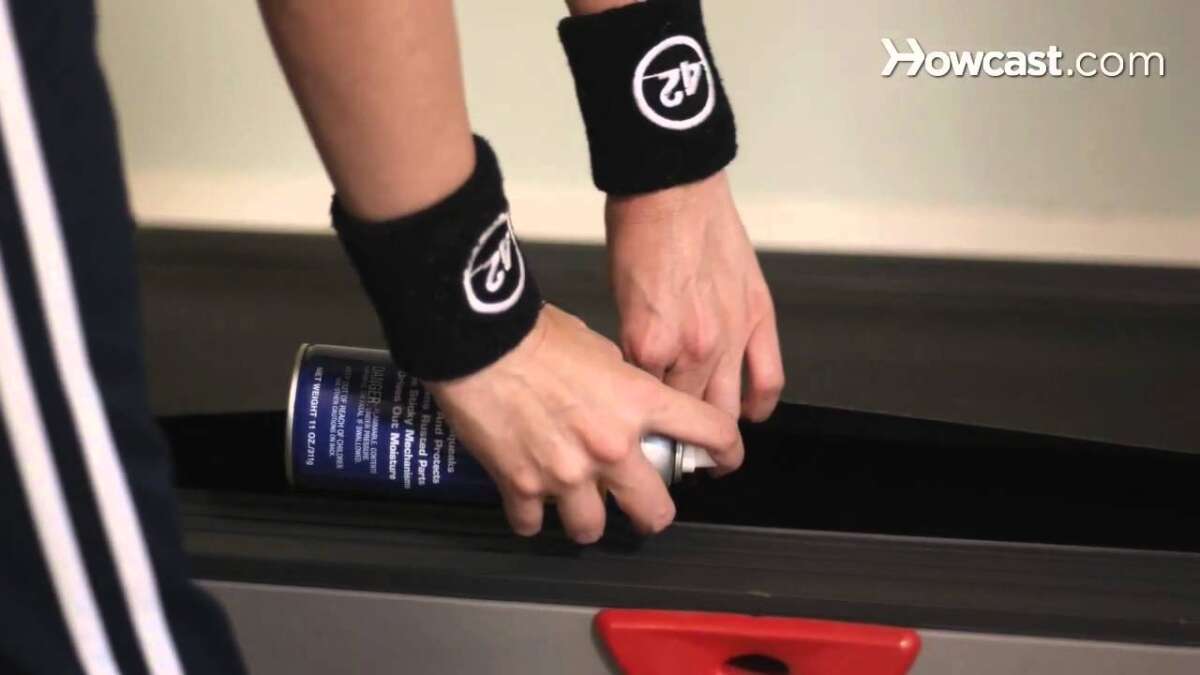
How Often To Lubricate Treadmill: Easy Maintenance Guide
Most treadmills need silicone lubrication every three months or after about 40 hours of use.
Knowing how often to lubricate a treadmill helps protect the walking belt, deck, motor, and rollers from avoidable wear. The right schedule depends on your treadmill model, workout frequency, room conditions, and whether the machine uses a self-lubricating belt. This guide explains the safest method, common mistakes, warning signs, and practical maintenance tips.

How often to lubricate a treadmill
For most home treadmills, lubricate the belt every three months or after 40 hours of use. If you walk or run every day, you may need to lubricate it more often. Light users may need lubrication only two or three times a year.
The treadmill manual should always come first. Some brands recommend lubrication by mileage, such as every 150 miles. Others use a fixed time period. A few newer treadmills have self-lubricating systems and should not receive extra lubricant unless the manufacturer says so.
• Light use: Every four to six months
• Regular use: Every three months
• Heavy use: Every one to two months
• Commercial or shared use: Follow the service schedule from the manufacturer
• New treadmill: Follow the break-in and first-lubrication instructions in the manual
When deciding how often to lubricate a treadmill, count real workout time rather than calendar time alone. A treadmill used by two people every day will need more care than one used for a short walk twice a week.

Why treadmill lubrication matters
A treadmill belt slides over the deck each time you walk or run. Without enough lubricant, friction rises between these surfaces. That friction can make the motor work harder and may create heat, noise, and belt drag.
Proper lubrication creates a thin, smooth layer between the belt and deck. Think of it as a light coat of wax on a wooden drawer. It helps the belt move with less resistance, but too much product can attract dust and cause slipping.
Regular lubrication may help:
• Reduce belt and deck friction
• Lower stress on the drive motor
• Prevent a dry, rough walking surface
• Reduce squeaking and rubbing sounds
• Improve belt movement and workout comfort
• Extend the useful life of the belt and deck
Lubrication cannot fix every treadmill problem. A worn belt, damaged deck, loose drive belt, bad roller bearing, or failing motor needs a different repair. This is why lubrication should be part of a wider maintenance routine, not a cure for every symptom.
Industry service guidance commonly treats belt lubrication as preventive care. However, exact benefits depend on the treadmill design, lubricant type, user weight, workout speed, and room temperature.
Factors that change the lubrication schedule
The answer to how often to lubricate a treadmill is not the same for every home. Your use pattern matters more than a one-size-fits-all rule.
Frequency and workout time
A person who walks for 20 minutes three times a week places less demand on the machine than a runner who trains for an hour each day. Track total use if possible. Many treadmills show total mileage or operating hours in the settings menu.
User weight and workout intensity
Running creates more impact than walking. Heavier users also place greater load on the belt and motor. If the machine feels warm, sounds strained, or slows under your feet, inspect it rather than simply adding more lubricant.
Room dust and heat
Dust acts like fine sand under the belt. A hot or dry room may also affect how quickly lubricant spreads and wears away. Keep the treadmill away from open windows, dusty workshops, and damp areas.
Belt and deck design
Some belts have a special coating. Some decks use low-friction materials. Some models are designed to work with a specific silicone product. Using the wrong lubricant can damage the belt or affect the warranty.
Treadmill age
Older treadmills may need more frequent checks. Their decks can become dry, rough, or worn. If the belt has many miles on it, ask a qualified technician to inspect the deck and rollers before changing the lubrication schedule.

Signs your treadmill needs lubrication
A treadmill may not have a clear lubrication warning. You can often spot the need through sound, feel, and simple inspection.
Look for these signs:
• A squeaking, rubbing, or scraping sound beneath the belt
• The belt feels jerky or slow when you walk
• The motor sounds louder than usual
• The belt pauses or slips during use
• The walking belt feels hot after a short workout
• The belt surface looks dry under the front edge
• The machine shows a motor overload warning
• The belt does not move smoothly when you push it by hand with the power off
A slipping belt does not always mean it needs lubricant. It may be too loose, too tight, or worn out. Extra silicone can make an already loose belt even more slippery.
To check the deck, unplug the treadmill. Lift the edge of the belt and touch the deck with one finger. It should feel slightly slick, not completely dry and not wet with excess oil. Never place your hand near moving parts while the treadmill is running.
What lubricant should you use?
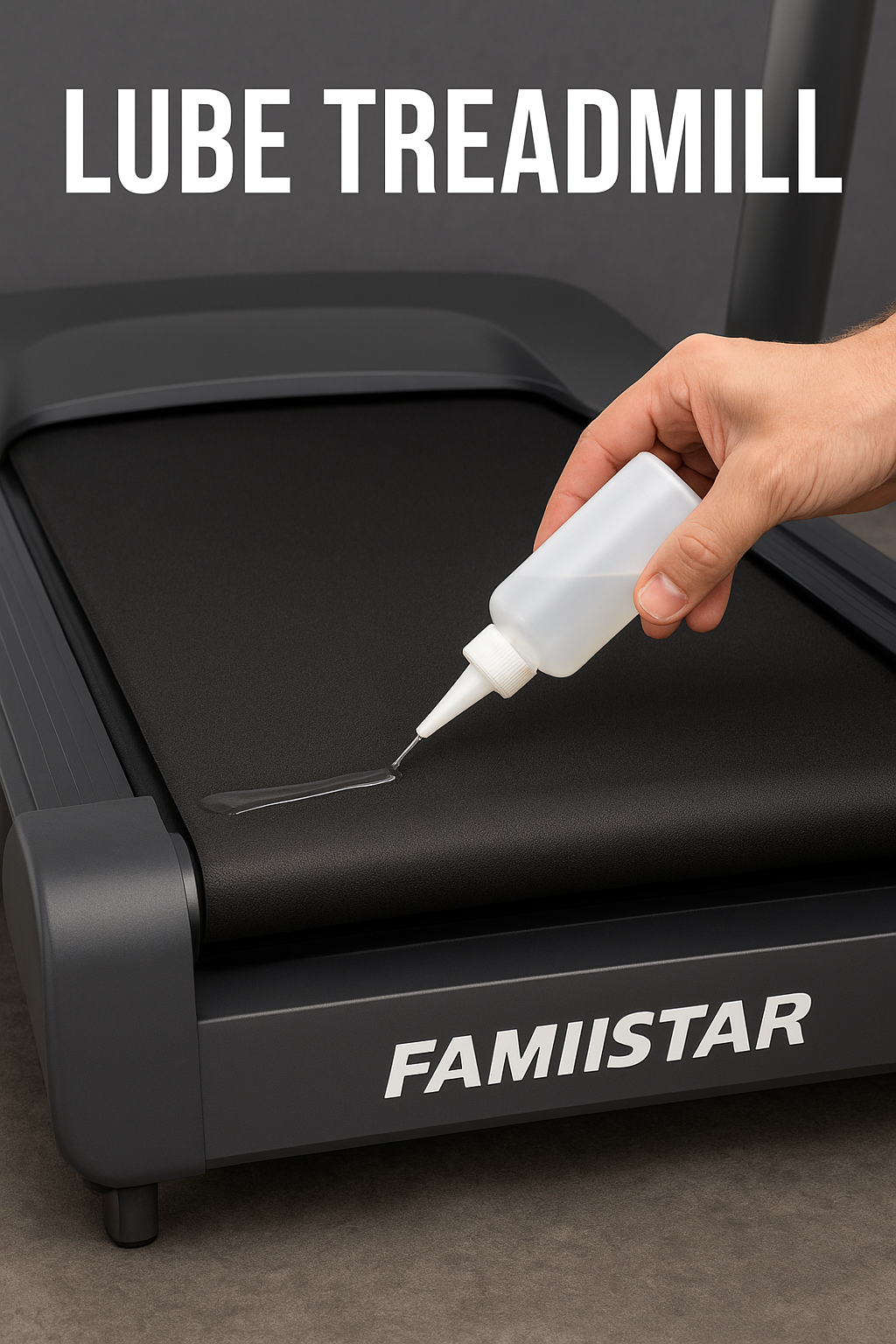
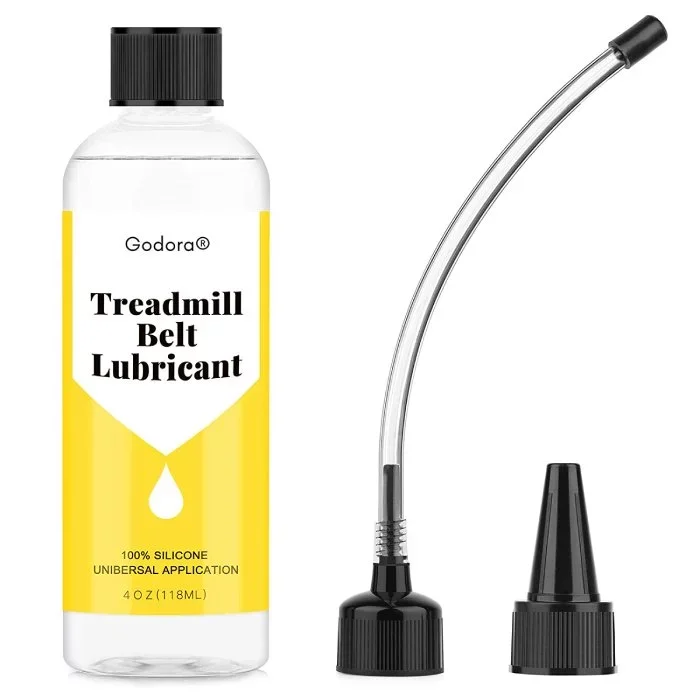
Use a treadmill lubricant made from 100% silicone unless your manual gives different instructions. Silicone treadmill lubricant is designed to reduce friction without damaging common belt and deck materials.
Avoid household oils and sprays. They may break down belt materials, leave residue, or create a fire and slipping risk.
Do not use:
• WD-40 or similar penetrating sprays
• Motor oil
• Cooking oil
• Grease
• Bicycle chain oil
• Automotive lubricant
• Water-based cleaners as a substitute
Some treadmill products contain additives. Read the label and compare it with the treadmill manual. If the manufacturer requires a particular lubricant, using another product may affect warranty coverage.
A small bottle with a narrow applicator makes the job easier. You usually need only a small amount. More lubricant is not better.

How to lubricate a treadmill safely
Before you begin, read the owner’s manual. It may show a special access point or recommend a particular amount.
Step 1: Turn off and unplug the treadmill
Switch off the treadmill and remove the power plug from the wall. This prevents accidental movement while your hands are near the belt.
Step 2: Clean around the machine
Remove dust from the belt, deck edges, and motor cover with a dry or slightly damp cloth. Do not spray cleaner directly onto the treadmill.
Step 3: Loosen the belt only if needed
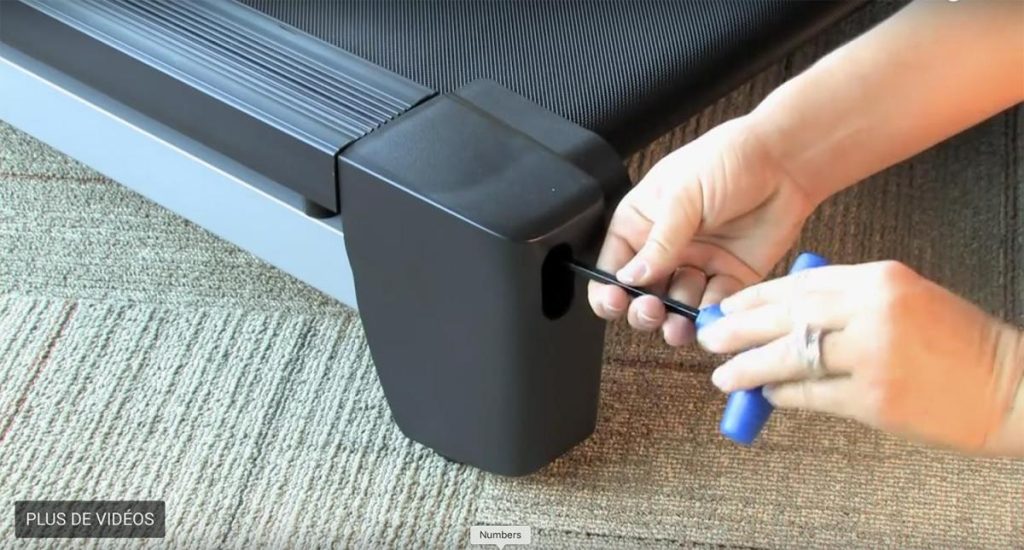
Many treadmills allow you to lift the belt without loosening it. If the belt is too tight to lift, follow the manual before adjusting the rear roller bolts. Mark the original position if you make any adjustment.
Step 4: Apply silicone under the belt
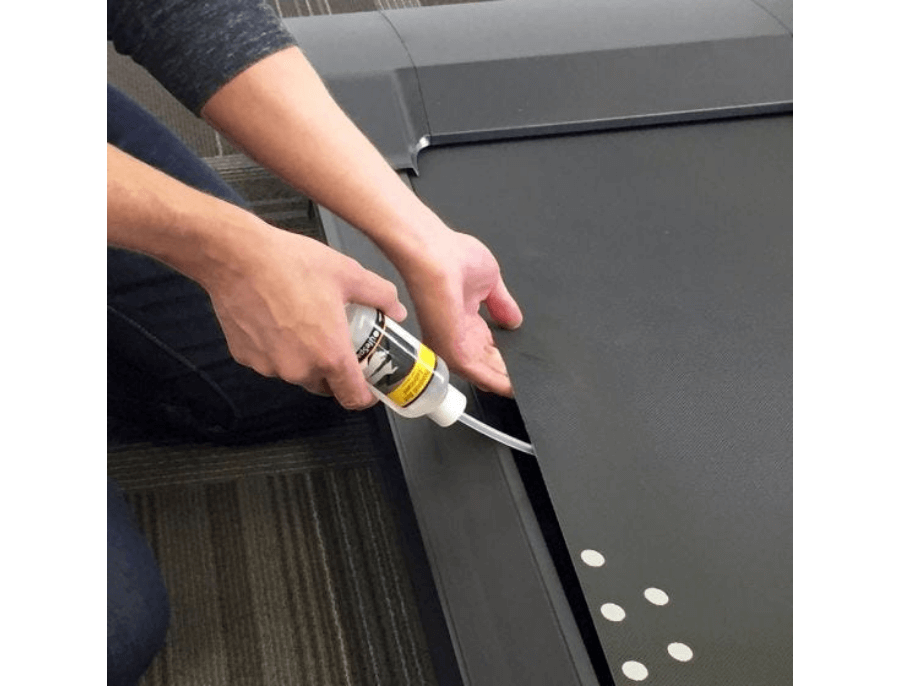
Lift one side of the walking belt. Apply a thin line of treadmill silicone along the deck, from the front area toward the middle. Repeat on the other side if the manual recommends it.
Do not pour lubricant on top of the belt. The silicone belongs between the belt and deck.
Step 5: Spread the lubricant
Plug the treadmill back in and run it at a slow walking speed for about three to five minutes. This helps spread the silicone across the deck. Stay near the machine and stop it if the belt slips or behaves strangely.
Step 6: Wipe away extra product
Turn the treadmill off and wipe any silicone from the side rails, belt edges, or floor. Extra lubricant can make the belt slippery and collect dust.
Step 7: Test the treadmill
Walk slowly for a few minutes. Listen for noise and watch for belt movement. If the belt still drags, slips, or makes a harsh sound, stop using the treadmill and inspect the tension, alignment, deck, and motor.

Common lubrication mistakes to avoid
Many treadmill problems come from too much product or the wrong product. Avoid these common errors.
• Lubricating without reading the manual
• Applying silicone every week without checking the belt
• Pouring lubricant onto the top of the belt
• Using WD-40, oil, or grease
• Applying a large puddle under the belt
• Ignoring a worn or cracked belt
• Tightening the belt too much after lubrication
• Running the treadmill at high speed right after application
• Failing to clean dust from the deck
• Continuing to use the machine when the motor overheats
One mistake I often see during treadmill care is treating noise as proof that more lubricant is needed. In some cases, the real cause is a dry roller bearing, a misaligned belt, or a loose drive belt. Adding silicone may hide the sound for a short time while the actual problem gets worse.
Use lubrication as a measured maintenance step. If the same issue returns soon after treatment, arrange a proper inspection.
How to tell whether you used too much lubricant
Excess silicone can make the treadmill belt slip, especially during faster workouts. You may notice a shiny belt surface, wet edges, or silicone splashing onto the floor.
If you applied too much:
-
Unplug the treadmill.
-
Wipe the visible excess from the deck edges and belt underside.
-
Clean the side rails and floor.
-
Run the treadmill slowly for a few minutes.
-
Test it at a low walking speed before running.
Do not use harsh chemicals on the belt unless the manual allows them. A clean, dry cloth is often the safest first step. If the belt continues to slip, it may need tension adjustment or professional service.
Treadmill maintenance beyond lubrication
Knowing how often to lubricate a treadmill is useful, but lubrication is only one part of care. A few minutes of basic maintenance can prevent larger repair bills.
Clean the belt and frame
Wipe the belt and frame each week with a soft cloth. Sweat can damage metal parts over time. Keep the area around the treadmill free from dust and pet hair.
Check belt alignment
The belt should sit evenly between the side rails. If it moves toward one side, adjust it according to the manual. Small changes are safer than large turns of the rear roller bolts.
Check belt tension
A belt that is too tight places extra load on the motor. A belt that is too loose may slip. The correct tension differs by model, so use the manufacturer’s instructions.
Inspect the power cord
Look for cuts, crushed areas, loose plugs, or heat damage. Do not use a damaged power cord.
Keep the motor area clean
Unplug the treadmill before cleaning near the motor cover. Use a vacuum or soft brush to remove dust. Never spray liquid inside the motor compartment.
Use a surge protector if recommended
Some manufacturers recommend a grounded surge protector. Follow the electrical guidance in the manual and avoid plugging a treadmill into an overloaded extension cord.
When to call a treadmill technician
Stop using the treadmill and seek professional help if you notice burning smells, smoke, repeated motor shutdowns, exposed wires, severe belt damage, or loud grinding.
A technician can check:
• Motor brushes and wiring
• Drive belt condition
• Roller bearings
• Deck wear
• Belt alignment and tension
• Motor control board
• Electrical connections
Lubrication is usually a simple maintenance task, but electrical and motor repairs can be dangerous. If you are unsure how to remove a cover or adjust a component, do not guess. The cost of one service visit is often lower than the cost of damage caused by an incorrect repair.
A practical lubrication schedule
A written schedule makes treadmill care easy. Record the date, total mileage, and product used after each application.
Use this basic plan if your manual does not provide a different schedule:
• Occasional walking: Inspect every three months and lubricate every four to six months if the deck is dry
• Regular walking: Inspect monthly and lubricate about every three months
• Frequent running: Inspect monthly and lubricate every one to two months
• Family use: Track total hours and inspect more often
• Shared or commercial use: Follow the service plan set by the facility or manufacturer
The best answer to how often to lubricate a treadmill may change during the year. More indoor dust, longer workouts, and heavier use can shorten the interval. A quick inspection is more reliable than blindly following a date on the calendar.
What manufacturer guidance can and cannot tell you
Treadmill manuals are the most useful source for model-specific care. They may specify silicone type, application points, service intervals, belt tension, and whether the treadmill is self-lubricating.
General schedules are only starting points. Two treadmills used for the same number of hours may need different care because their decks, belts, motors, and coatings differ.
Also, lubrication does not guarantee a longer service life. Good results depend on proper cleaning, correct alignment, suitable room conditions, and safe operation. Manufacturer guidance, safety standards, and service data support these points, but no schedule can predict the exact needs of every machine.
Frequently Asked Questions About How Often to Lubricate Treadmill
How often should I lubricate a treadmill used every day?
A daily-use treadmill often needs lubrication every one to two months or after about 40 hours of use. Check the manual first, and inspect the belt and deck for dryness before applying anything.
Can I lubricate my treadmill too often?
Yes. Too much silicone can make the belt slip, attract dust, and interfere with normal belt movement. Apply only the amount recommended by the manufacturer.
How do I know if my treadmill needs lubrication?
A dry deck, increased belt drag, squeaking, unusual motor noise, or a hot belt can point to low lubrication. These signs can also indicate belt tension or mechanical problems, so inspect the treadmill before adding product.
Can I use WD-40 on a treadmill belt?
No. WD-40 and similar penetrating sprays are not suitable substitutes for treadmill silicone. They may damage materials, leave residue, and create a slippery surface.
Should I lubricate a self-lubricating treadmill?
Usually, no extra lubricant is needed for a self-lubricating treadmill unless the manual specifically requires it. Adding silicone without approval may affect the belt system or warranty.
How much lubricant does a treadmill need?
Most treadmills need only a thin layer under the walking belt. The correct amount varies by model, so follow the manual rather than applying a large puddle.
Should I loosen the treadmill belt before lubrication?
Not always. Many belts can be lifted enough to apply lubricant without adjustment. Loosen or adjust the belt only when the manufacturer’s instructions call for it.
Conclusion
For most home machines, how often to lubricate a treadmill means checking the belt regularly and applying 100% silicone about every three months or 40 hours of use. Heavy use may require a shorter interval, while self-lubricating models may need no added product.
Always follow the treadmill manual, use the correct silicone, unplug the machine before servicing it, and avoid over-lubrication. Start by checking your treadmill’s current condition today, then record each service date so maintenance becomes simple and consistent. Share your treadmill model or maintenance experience in the comments, or explore your manufacturer’s care resources for model-specific guidance.

Brandon Knoxley is a sport & fitness writer and training guide contributor at MySportFitHub. He focuses on practical workouts, performance-based training, and honest fitness gear insights designed for real people and real results. Brandon is passionate about helping beginners and active individuals train smarter, avoid common mistakes, and build sustainable fitness habits.