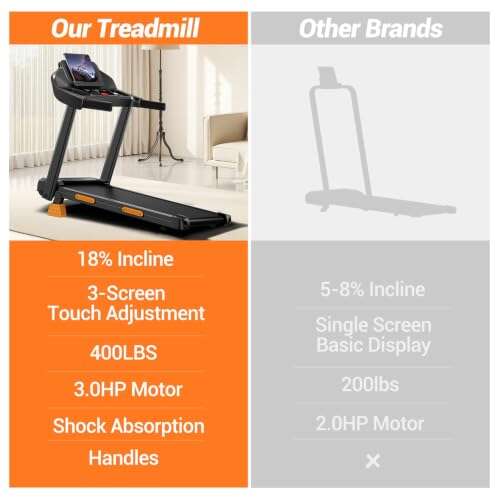
How To Grease A Treadmill Belt: Quick Step-By-Step Guide
Lift the belt, apply a silicone treadmill lube under the deck, then re-center and test.
I’ve serviced dozens of home and gym treadmills and helped owners learn how to grease a treadmill belt safely and correctly. This guide walks you step-by-step through tools, timing, lubricant choices, and real troubleshooting so you can protect your machine, cut noise, and extend motor life. Read on to get clear, practical instructions that work for most walk- and run-style treadmills.

Why proper lubrication matters
Lubrication reduces friction between the belt and deck. Less friction lowers motor strain, cuts energy use, and prevents heat damage. Knowing how to grease a treadmill belt well keeps the belt moving smoothly and reduces wear on rollers and bearings.
Over time, a dry belt speeds up wear and can lead to costly repairs. Regular lube saves money and keeps workouts consistent. Treat lubrication as simple preventive care for a machine you use often.

When to grease your treadmill belt
Most manufacturers suggest lubing every 3 to 12 months. Frequency depends on use, belt type, and environment. Heavy daily use needs more frequent care. Light home use might need lube less often.
Watch for signs that tell you how to grease a treadmill belt now:
- The motor sounds louder than usual.
- The belt slips or hesitates.
- You see visible wear or belt scorching.
- The machine draws more power or shuts down on incline.
If you move your treadmill to a dry or dusty room, check more often. Proper timing prevents damage before it starts.

What you need before you begin
Use the right supplies. Wrong lubricants can harm belts and void warranties. Gather:
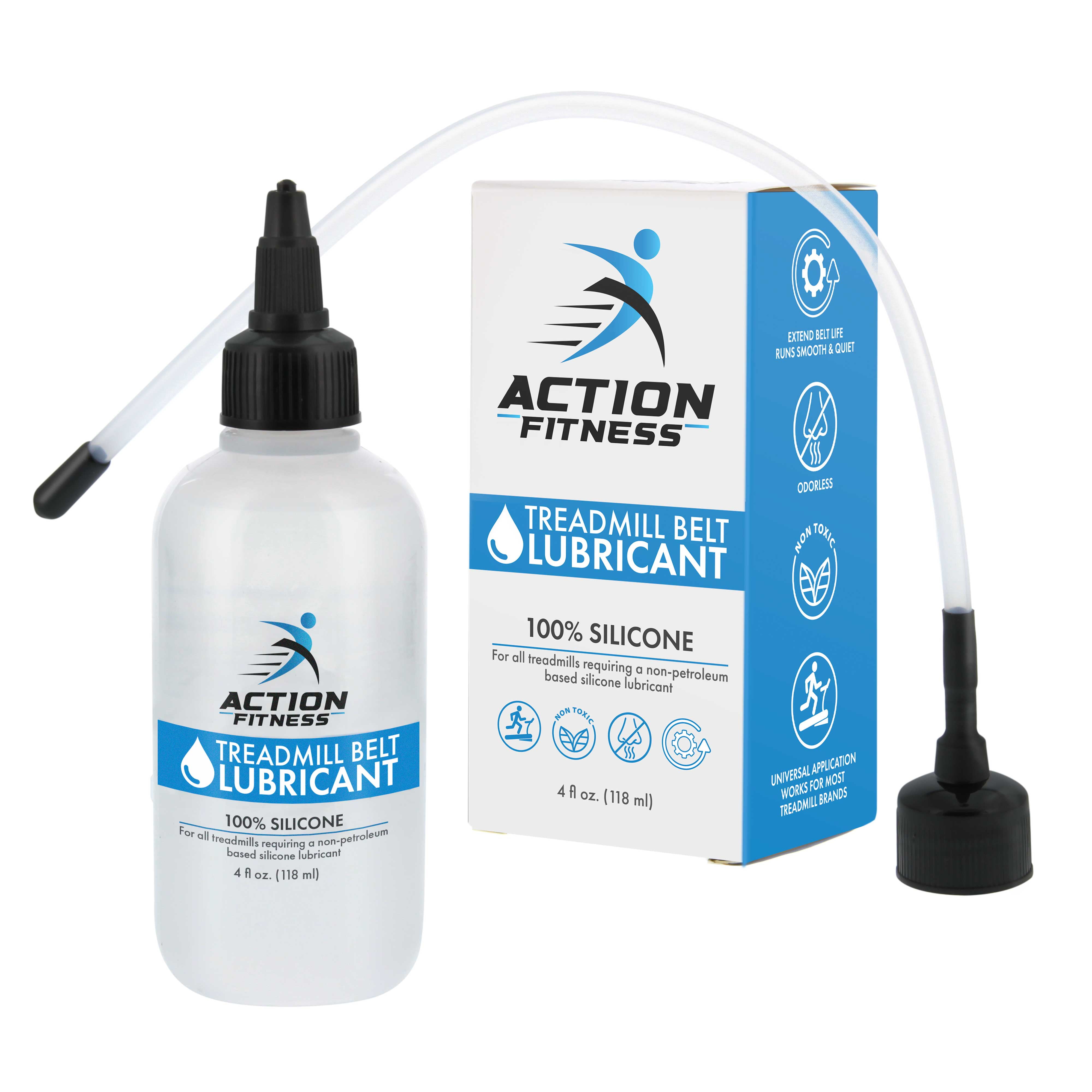
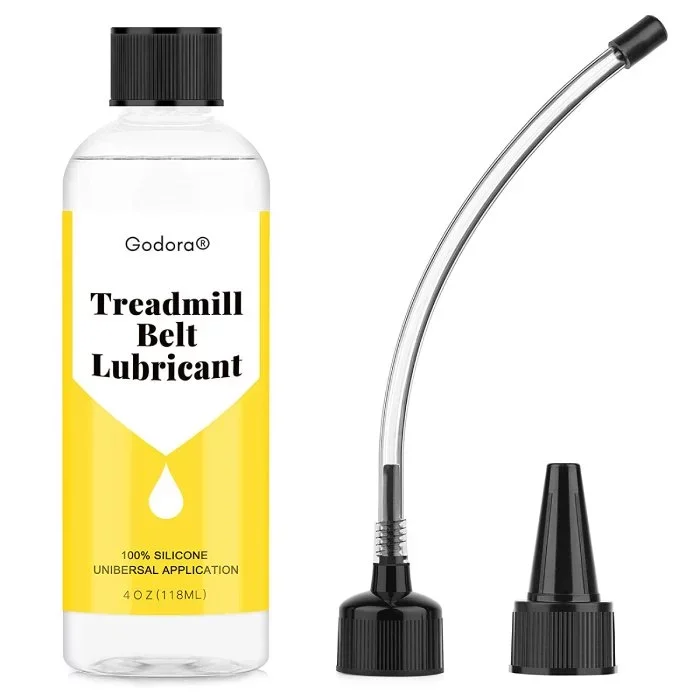
- Approved silicone-based treadmill lubricant (liquid, not oil).
- Clean rag and mild cleaner.
- Hex key or allen wrench to adjust belt tension.
- Measuring syringe or applicator if provided.
- Tape to mark belt center and a helper if the unit is heavy.
Avoid cooking oils, WD-40, motor oil, or petroleum-based products. These break down belt materials. Choosing the right lube is the core of how to grease a treadmill belt safely.

Step-by-step: how to grease a treadmill belt
Follow these short steps for a typical under-deck application. Read your treadmill manual first. Models vary and some require manufacturer-supplied lubricant.
- Unplug the machine and allow it to cool.
- Move the belt to the center and stop the deck.
- Lift the belt on one side about 2–3 inches. You may wear gloves for grip.
- Apply lubricant under the belt close to the center of the deck. Use small dabs every couple of feet along the deck length. Typical amount is 1–3 milliliters per application point; check your manual.
- Lower the belt and plug the treadmill back in.
- Turn the treadmill on at a slow speed (walking pace) for 2–5 minutes. This spreads the lube evenly.
- Repeat the lift-and-lube on the other side of the belt.
- Check belt alignment and tension. Adjust with the rear roller bolts if the belt is off-center or too tight.
- Wipe excess lubricant from the belt surface to prevent slipping.
Apply only under the belt, not on top. If your treadmill uses a sprayed-in-place lube or has external lube ports, follow the specific procedure in the manual. Practicing this routine teaches you exactly how to grease a treadmill belt without guesswork.

Common mistakes and troubleshooting
People make a few repeatable errors. Avoid these to get clean results:
- Using the wrong lubricant. Petroleum-based oils damage belts.
- Over-lubing. Too much lube pools and attracts dirt.
- Skipping alignment checks. A misaligned belt rubs and wears faster.
- Not running the belt after lube to spread it.
If you see a slipping belt after lubing, wipe the top belt clean and run the deck to redistribute lubricant. If noise persists, inspect rollers, motor brushes, and deck condition. These problems can mimic lubrication issues.
Maintenance schedule and best practices
Set a simple, repeatable plan. Here’s a basic schedule based on use:
- Light use (under 3 hours/week): check every 6–12 months.
- Moderate use (3–7 hours/week): lube every 3–6 months.
- Heavy use (gym or daily runs): lube every 1–3 months.
Keep a log on your phone or sticker on the frame noting date and type of lube used. Clean the deck and belt monthly. Check for debris under the belt after outdoor shoes or pet hair may have entered the deck area.

Personal experience and lessons learned
I once serviced a treadmill that ran hot despite new brushes. The owner had used motor oil under the belt. After cleaning and applying proper silicone lube, noise and heat dropped noticeably. Lesson: use the correct lube and follow the manual.
A second tip: tighten belts in small increments and test. I overtightened once and caused premature roller wear. Now I adjust in quarter turns and run the belt for a minute between changes. That habit keeps the belt centered and prevents damage.
Frequently Asked Questions of how to grease a treadmill belt
How often should I grease my treadmill belt?
Check your manual, but a good rule is every 3–6 months for moderate home use. Heavy use needs more frequent lubing while light use may be fine at 6–12 month intervals.
What lubricant is best for a treadmill belt?
Use a silicone-based treadmill lubricant designed for belts. Avoid petroleum, cooking oils, and household sprays.
Can I apply lubricant on top of the belt?
No. Apply lubricant under the belt between belt and deck. Surface application can cause slipping and attract dirt.
How much lubricant should I use?
Apply small amounts in multiple spots under the belt, usually 1–3 milliliters per spot. Check your manual for exact quantities for your model.
Will lubrication fix a noisy treadmill?
Lubrication can reduce noise caused by friction, but grinding or bearing noises may indicate worn rollers or motor issues. If noise stays after lube, have a technician inspect the unit.
Conclusion
Knowing how to grease a treadmill belt is simple, but doing it right protects the motor, deck, and belt. Use the correct silicone lube, follow the step-by-step process, and check alignment and tension after each service. Start a regular maintenance habit today to keep workouts smooth and avoid repairs. If this guide helped, try logging your next service date or leave a comment with your treadmill model and questions.

Brandon Knoxley is a sport & fitness writer and training guide contributor at MySportFitHub. He focuses on practical workouts, performance-based training, and honest fitness gear insights designed for real people and real results. Brandon is passionate about helping beginners and active individuals train smarter, avoid common mistakes, and build sustainable fitness habits.