How To Make The Treadmill Less Boring: Fun Workout Ideas
Mix entertainment, changing workouts, clear goals, and small rewards to make treadmill sessions feel fresh and enjoyable.
The best way to learn how to make the treadmill less boring is to stop treating every walk or run like the same workout. With smart pacing, good entertainment, varied training, and a plan that matches your energy, the treadmill can become a useful tool instead of a daily chore. This guide combines practical training advice, simple psychology, and lessons from real treadmill routines to help you enjoy every mile more.

Why Treadmill Workouts Feel So Boring
Treadmill boredom is common because the machine keeps your body moving while your surroundings stay the same. Outside, your brain notices streets, people, hills, weather, and turns. On a treadmill, you may stare at one wall for 30 minutes.
The treadmill also gives you instant feedback. You can see every second, mile, and calorie. That sounds helpful, but watching the clock can make time feel slower. A five-minute glance can feel like a full hour when you are already tired.
Another cause is repetition. If you use the same speed, incline, playlist, and workout each time, your brain has little to process. The session becomes predictable, like watching the same short video on repeat.
Learning how to make the treadmill less boring starts with one key idea: change the experience, not only the speed.
The main causes of treadmill boredom
• Repeating the same workout each session
• Watching the clock too often
• Using a pace that feels too hard or too easy
• Having no clear goal for the workout
• Choosing poor entertainment
• Exercising in a dull or uncomfortable space
• Running for too long without breaks or changes
Boredom does not always mean you dislike exercise. It may mean your workout lacks variety, purpose, or the right level of challenge.

Change the Workout Every Few Minutes
One of the simplest ways to learn how to make the treadmill less boring is to divide your workout into short blocks. Each block can have a different speed, incline, or purpose.
You do not need a complex athlete-level plan. Small changes are enough to give your mind something new to focus on. Think of the workout as a playlist with different songs instead of one long note.
Try this simple 30-minute treadmill workout:
- Walk easily for 5 minutes.
- Jog or walk briskly for 5 minutes.
- Increase the incline for 3 minutes.
- Return to a flat or easy pace for 3 minutes.
- Repeat the incline and recovery pattern three times.
- Cool down for 5 minutes.
You can also use time-based changes. For example, run for two minutes, walk for one minute, and repeat. This is a form of interval training. It can improve fitness while making the workout feel shorter.
Easy treadmill interval ideas
• One minute fast, two minutes easy
• Two minutes jogging, one minute walking
• Thirty seconds at a higher incline, 90 seconds flat
• Five minutes steady, one minute faster
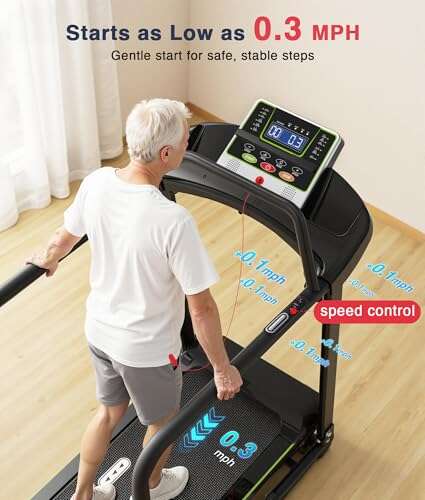
• Increase speed by 0.1 mph every two minutes
Start with changes that feel manageable. A workout should challenge you, but it should not leave you gasping from the first interval. The Centers for Disease Control and Prevention recommends regular moderate or vigorous activity, but your personal level should match your fitness, health, and experience.
A practical lesson from treadmill training is that variety works best when it is planned. Randomly changing settings can feel stressful. A simple pattern lets you focus on the workout instead of deciding what to do next.

Use Entertainment That Matches Your Workout
Entertainment is one of the most popular answers to how to make the treadmill less boring. The right choice can shift your attention away from the slow passage of time.
For easy walking or steady jogging, you can usually watch a show, documentary, interview, or sports event. Choose something that does not require constant reading. Subtitles may be hard to follow when your breathing becomes heavy.
For faster intervals, music often works better. A strong beat can help you hold a steady rhythm. Make a playlist with songs that match each part of your workout.
You could create sections such as:
• Warm-up songs with a relaxed beat
• Fast songs for running intervals
• Familiar songs for hard efforts
• Calm songs for recovery
• A favorite song for the final five minutes
Podcasts and audiobooks are useful for long, easy sessions. They can turn treadmill time into learning time. You might listen to a business book, comedy show, language lesson, or story.
Avoid using entertainment as a way to ignore pain or extreme fatigue. If you feel sharp pain, dizziness, chest pressure, or unusual shortness of breath, stop and seek appropriate medical help.
How to choose better treadmill entertainment
• Save one favorite show for treadmill workouts.
• Build a playlist before you start.
• Download podcasts in case your gym connection is weak.
• Use wireless headphones that stay secure.
• Keep the volume low enough to hear alarms and people nearby.
• Pick content that fits the workout intensity.
A common mistake is watching the same show every day without a plan. It can still help, but special content creates a stronger reward. When a new episode is available only during your workout, you have a reason to step onto the machine.

Turn Your Treadmill Workout Into a Game
Games create small goals, and small goals make exercise feel more engaging. This is another effective way to understand how to make the treadmill less boring.
You can make a game from almost any treadmill setting. Try to beat your previous distance, complete more intervals, or stay consistent with your pace. The goal is not to push as hard as possible each time. The goal is to create interest.
Try these simple treadmill games:
• Predict your distance before the workout ends.
• Add a small incline during every chorus of a song.
• Walk faster during commercials.
• Count how many intervals you complete with good form.
• Keep your pace steady for five minutes without checking the clock.
• Set a weekly distance goal.
Fitness apps and smartwatches can also add friendly competition. Some track distance, heart rate, pace, and workout streaks. These tools can motivate you, but they are not perfect. Calorie estimates can be inaccurate, and heart-rate readings may vary by device.
Use numbers as feedback, not as a judgment of your worth. A slower workout can still be useful. Recovery walks, easy aerobic sessions, and short workouts all support long-term progress.
Use milestones instead of watching every minute
Constantly checking the display can make the session feel longer. Cover the time screen if your treadmill allows it, or focus on milestones.
For example:
• Reach the next song.
• Finish the current interval.
• Complete one mile.
• Walk until the end of a podcast segment.
• Stay relaxed until the next water break.
This approach changes your focus from “How much longer?” to “What is my next small target?” That shift can make treadmill time feel much easier.

Create a Treadmill Playlist With a Purpose
Music can influence your mood, pace, and effort. It cannot replace a sound training plan, but it can make the session more enjoyable.
Many people make one long playlist and use it for every workout. A better option is to create several playlists for different goals. This gives each session its own mood.
You might create:
• A relaxed walking playlist
• A steady cardio playlist
• A high-energy interval playlist
• A throwback playlist
• A podcast-only playlist
• A playlist filled with songs you have not heard recently
Music with a clear rhythm may help you maintain a steady pace. However, the best music is personal. A song that motivates one person may annoy another. Test different styles and notice what helps you feel calm, focused, or energized.
A useful trick is to place your favorite song near the end. This gives you something to look forward to without forcing you to sprint before your body is ready.
If you exercise in a shared gym, be respectful. Keep your volume at a safe level and stay aware of other people, treadmill alarms, and staff instructions.

Adjust Speed and Incline Without Overdoing It
Changing speed and incline can make treadmill workouts more interesting, but it also changes the physical demand. A small incline may increase effort, especially during a brisk walk. A high incline can place more stress on your calves, Achilles tendon, and lower back.
When learning how to make the treadmill less boring, use small changes. Increase the incline by 1% or 2% for a short period, then return to an easier level. There is no need to copy an intense workout from social media.
Try this beginner-friendly incline session:
- Warm up for 5 minutes at a flat setting.
- Walk at a comfortable pace for 3 minutes.
- Add a 2% incline for 2 minutes.
- Return to flat for 3 minutes.
- Add a 4% incline for 2 minutes.
- Repeat once or twice.
- Cool down for 5 minutes.
Keep your posture tall. Avoid leaning heavily on the handrails. Holding the rails can reduce the challenge and may change your walking pattern. If you need the rails for balance, lower the speed and incline.
Your effort should guide the workout. On a simple scale from 1 to 10, easy exercise may feel like a 3 or 4. Moderate work may feel like a 5 or 6. Hard efforts may feel like a 7 or 8. Most people do not need to train at a hard level every day.
People with heart disease, joint problems, balance concerns, pregnancy, or other health conditions should ask a qualified health professional about suitable treadmill settings.

Try Different Types of Treadmill Workouts
Doing the same workout every day is a fast path to boredom. A weekly mix can keep your body and mind more interested.
A basic treadmill week could include:
• Easy walk: 20 to 40 minutes at a comfortable pace
• Steady workout: 20 to 30 minutes at a moderate effort
• Interval workout: Short fast efforts with easy recovery
• Incline walk: Gentle speed with planned incline changes
• Recovery session: Short and easy movement
• Run and walk workout: Alternate jogging and walking
You do not need to use every option in one week. Choose two or three types that fit your goals. If you are new to exercise, start with easy walking and short sessions. Build time before adding much speed or incline.
Cross-training can also reduce treadmill boredom. Add cycling, swimming, strength training, rowing, hiking, or outdoor walking when possible. A varied routine can support fitness while giving overused muscles a break.
The American College of Sports Medicine commonly promotes gradual progress, individual planning, and a mix of aerobic and strength activity. That advice matters because the most exciting workout is not always the most useful one. Consistency usually beats extreme effort.
Make the Treadmill Area More Comfortable
Your surroundings can strongly affect your mood. A hot, dark, crowded, or noisy workout area can make any treadmill session feel worse.
At home, place the treadmill near a screen or window if possible. Good lighting can make the space feel more open. A small fan may improve comfort because indoor exercise can feel warmer than outdoor movement.
At a gym, try different times of day. A busy room may make you feel rushed. A quiet time may help you focus. You can also choose a treadmill near a television, away from a wall, or beside a fan.
Wear comfortable shoes and clothes. Poor footwear can cause foot pain, hot spots, or tired legs. Replace worn shoes when the cushioning and support no longer feel reliable.
Keep water nearby, but do not force yourself to drink large amounts during a short workout. Drink according to thirst and your training conditions. Longer or sweaty sessions may require more careful hydration.
A clean, organized setup also helps. Place your towel, water, headphones, and workout plan within reach before you start. Removing small barriers makes it easier to begin.

Train With a Friend or Join a Virtual Group
Social connection can make treadmill workouts feel less lonely. You can meet a friend at the gym, share a workout plan, or call someone during an easy walk if it is safe and allowed.
Virtual classes can add structure and energy. A coach may guide your pace, incline, and recovery time. Some platforms also offer scenic routes, live classes, or group challenges.
Choose a class that matches your level. A high-energy instructor may encourage you, but the workout should still feel appropriate. You can lower the speed or incline at any time.
If you train with another person, do not feel pressured to match their pace. Fitness levels differ. A good training partner supports your effort rather than turning every session into a race.
When I advise people on treadmill habits, I often point out that accountability works best when it feels supportive. A simple message such as “Are you walking today?” can be more helpful than a strict challenge.
Set a Clear Goal Before You Start
A treadmill workout feels less boring when it has a reason. Your goal may be better stamina, more daily movement, stress relief, weight management, or preparation for a race.
Keep the goal specific and realistic. “Get fit” is hard to measure. “Walk for 25 minutes three times this week” is clear.
Before pressing start, decide:
• How long will the workout last?
• What effort level will you use?
• Will you change speed or incline?
• What will you listen to?
• How will you know the workout is complete?
A clear plan reduces decision fatigue. It also prevents you from wandering through the workout while waiting for motivation to appear.
Avoid making calorie burn your only goal. Calorie numbers from treadmill displays are estimates. They may not account for body composition, fitness level, handrail use, or individual metabolism. Time, effort, distance, and consistency can offer more useful feedback.
Your goal should help you return tomorrow, not punish you today.
Use Mindfulness When Entertainment Stops Working
Sometimes music, shows, and apps lose their effect. That does not mean the treadmill is hopeless. You can use the session to practice focus.
Notice your breathing without trying to change it. Feel your feet move from heel to toe, or notice how your arms swing. Relax your jaw and shoulders. Check that you are not gripping the handrails.
You can also use a simple breathing pattern. Breathe in gently and breathe out slowly. Do not force a rhythm that feels uncomfortable.
Mindfulness does not mean ignoring discomfort. It means noticing the difference between normal effort and warning signs. Burning muscles, sweating, and faster breathing may be normal. Sharp pain, faintness, chest pressure, or sudden weakness are reasons to stop.
This method may feel strange at first. Like learning to enjoy a quiet car ride, it takes practice. Even five mindful minutes can make a routine workout feel more useful.
Mistakes That Make the Treadmill More Boring
Knowing what to avoid is an important part of how to make the treadmill less boring. Some habits make the session feel longer and less enjoyable.
Avoid these common treadmill mistakes
• Starting too fast and feeling exhausted early
• Using the same settings every time
• Watching the clock every few seconds
• Choosing entertainment that does not match the effort
• Skipping the warm-up
• Making every workout extremely hard
• Holding the rails throughout the session
• Copying advanced workouts without preparation
• Ignoring pain or poor running form
• Expecting motivation to appear before you begin
A common mistake is trying to solve boredom by increasing speed. This may create more discomfort, not more enjoyment. A better solution is to change the format, add a small goal, or shorten the workout.
Another mistake is planning a 60-minute session when you only have the energy for 20 minutes. A short workout completed regularly is often more valuable than a long plan you avoid.
If you feel bored every time, consider whether the treadmill is the right tool for every session. Outdoor walking, group fitness, dance, cycling, or strength training may suit you better. Exercise should support your life, not feel like a punishment.
A Simple Seven-Day Plan
This sample plan shows how to make the treadmill less boring without using difficult workouts. Adjust the time, speed, and incline to fit your fitness level.
Day 1: Easy entertainment walk
Walk for 20 to 30 minutes while listening to a podcast or watching a show.
Day 2: Short intervals
Warm up for 5 minutes. Alternate one minute of brisk effort with two minutes of easy movement for 15 to 20 minutes. Cool down for 5 minutes.
Day 3: Recovery walk
Walk easily for 15 to 25 minutes. Focus on relaxed posture and smooth breathing.
Day 4: Music workout
Choose five to eight songs. Change your pace slightly during each song, but stay in control.
Day 5: Incline changes
Walk flat for 5 minutes. Add a gentle incline for 2 minutes, then return to flat for 3 minutes. Repeat several times.
Day 6: Virtual class or social workout
Join a beginner class or meet a friend. Keep the pace comfortable enough to speak in short sentences.
Day 7: Choice day
Pick the session you enjoyed most. You can also rest or take an outdoor walk.
This plan is only a starting point. If your legs feel unusually heavy or sore, choose rest or easy movement. Progress depends on recovery as well as effort.
Frequently Asked Questions About How to Make the Treadmill Less Boring
How can I make a treadmill walk more interesting?
Use a podcast, audiobook, show, music playlist, or virtual walking route. You can also add small changes in speed or incline every few minutes to give the workout more variety.
What should I watch while using a treadmill?
Choose a show, documentary, interview, or sports event for easy walking. During hard intervals, music or audio content is often safer and easier to follow than a screen.
Does changing the incline make the treadmill less boring?
Yes, gentle incline changes can add variety and make a workout feel more purposeful. Start with small increases and reduce the incline if your calves, knees, or lower back become uncomfortable.
How long should I use a treadmill if I get bored quickly?
Start with 10 to 20 minutes and focus on completing the session. You can add a few minutes over time, but a short workout that you enjoy is better than a long workout you avoid.
Is it better to run faster or use intervals?
Intervals often feel more engaging because they break the workout into short sections. They can also be challenging, so begin with easy work periods and longer recovery periods.
Can I use my phone while walking on a treadmill?
You can use a phone for music, audio, or a planned video, but avoid activities that distract you from your balance and surroundings. Do not text or scroll if it makes you look down or affects your form.
How often should I change my treadmill workout?
You do not need a new workout every day, but changing one detail can help. Try a different playlist, duration, pace, incline, or workout style once or twice each week.
Conclusion
The best way to make the treadmill less boring is to add variety, purpose, and a reward. Use short intervals, gentle incline changes, planned entertainment, playlists, virtual classes, and simple goals. Keep the effort safe, vary your weekly routine, and avoid judging every session by calories or speed.
Start with one change today. Pick a favorite show, create a 20-minute interval plan, or choose a new playlist before you step on. Try different options until you find what makes treadmill time feel more like your time. Share your favorite treadmill strategy or explore more practical fitness guides for your next workout.

Brandon Knoxley is a sport & fitness writer and training guide contributor at MySportFitHub. He focuses on practical workouts, performance-based training, and honest fitness gear insights designed for real people and real results. Brandon is passionate about helping beginners and active individuals train smarter, avoid common mistakes, and build sustainable fitness habits.