How to Avoid Injuries During Sports Training: Essential Safety Tips
Are you pushing yourself hard during sports training but worried about getting hurt? Injuries can stop your progress and keep you off the field longer than you want.
The good news is, with the right approach, you can protect your body and keep training safely. You’ll discover simple yet powerful tips that help you avoid injuries and stay at your best. Keep reading to unlock the secrets to smart training that works with your body—not against it.
Warm-up Techniques
Warming up before sports training helps prepare your body and mind. It reduces the risk of injuries and improves performance. Warm-up techniques increase blood flow to muscles and raise your heart rate gradually. This process makes your muscles more flexible and ready for action.
Dynamic Stretching
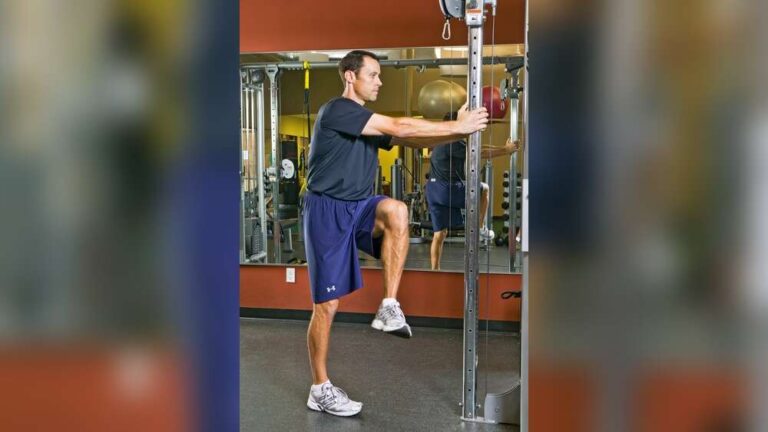
Dynamic stretching uses movement to stretch muscles. It includes leg swings, arm circles, and walking lunges. These stretches improve flexibility and range of motion. Dynamic stretches mimic the movements you will do during training. This helps your body adjust and prevents muscle strains.
Light Cardio Exercises
Light cardio exercises raise your heart rate slowly. Activities like jogging, jumping jacks, or cycling work well. These exercises warm your muscles and joints gently. They also prepare your lungs and heart for physical effort. Light cardio reduces stiffness and improves overall readiness.
Proper Equipment
Proper equipment plays a key role in avoiding injuries during sports training. Wearing the right gear protects your body from harm. It also helps improve your performance and comfort. Choosing and maintaining equipment carefully reduces risks on the field or court.
Choosing The Right Gear
Select gear designed for your specific sport. Look for equipment that fits well and feels comfortable. Poor fit can cause blisters, pain, or even injuries. Protective gear like helmets, pads, and guards must meet safety standards. Avoid using old or damaged equipment. Always replace worn-out shoes to support your feet and joints properly.
Maintaining Equipment
Keep your gear clean and in good shape. Dirty or broken equipment can cause infections or fail to protect you. Check your gear regularly for cracks, tears, or loose parts. Fix or replace damaged items quickly. Store equipment in a dry place to avoid mold and rust. Well-maintained gear lasts longer and keeps you safe during every training session.
Training Plans
Creating a smart training plan helps protect your body from injuries. It guides your workouts and controls your effort. A well-made plan balances work and rest. It allows your muscles and joints to adjust to new stresses. This approach lowers the risk of strains or sprains.
Gradual Progression
Start slowly and increase intensity step by step. Avoid jumping into hard workouts too quickly. Your body needs time to build strength and endurance. Gradual progression helps muscles grow stronger safely. It also helps improve technique and confidence. Sudden increases in training can cause injuries fast.
Incorporating Rest Days
Rest days are as important as training days. They give your body time to heal and rebuild. Without rest, muscles stay tired and weak. Over time, this leads to overuse injuries. Plan regular breaks to avoid burnout. Rest also improves overall performance and mood.
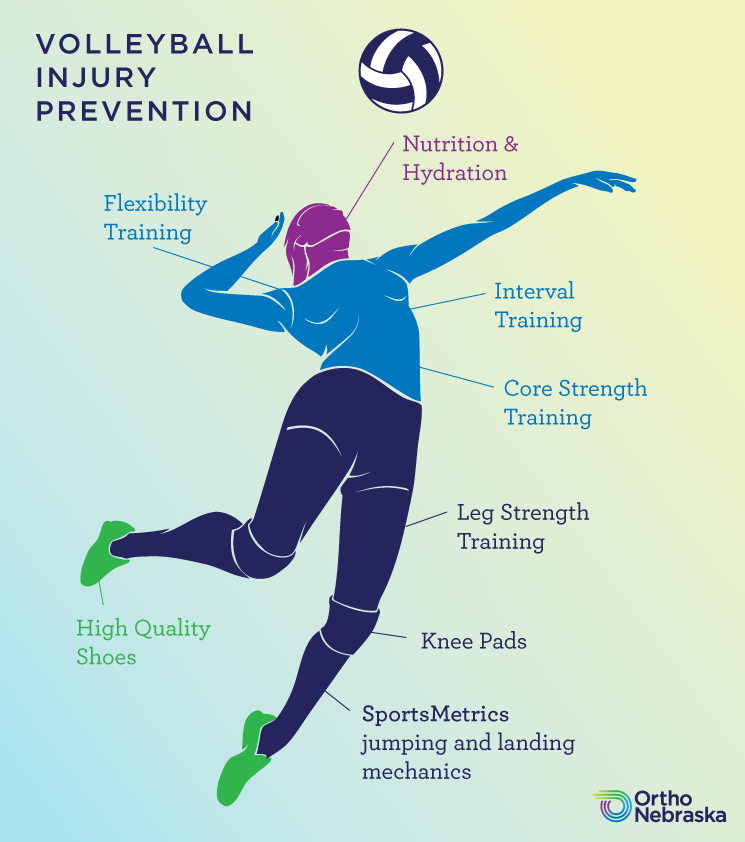
Credit: orthonebraska.com
Body Mechanics
Body mechanics means how your body moves during sports training. Good body mechanics help prevent injuries and improve performance. It includes posture, movement, and how muscles work together. Understanding body mechanics keeps your body safe and strong.
Correct Form
Using the correct form is key to avoiding injury. Each sport has specific movements to follow. Keep your back straight and shoulders relaxed. Move smoothly, not in jerks. Proper form spreads the pressure evenly across muscles and joints. This reduces strain and helps muscles work well. Practice in front of a mirror or with a coach to check your form.
Avoiding Overuse
Overuse happens when you repeat the same movement too much. It causes pain and weakens muscles. Give your body time to rest and heal. Change your routine to use different muscles. Listen to your body and stop if you feel pain. Rest days are important for recovery and injury prevention. Balance training with rest for long-term health.
Hydration And Nutrition
Hydration and nutrition play a key role in preventing sports injuries. They keep your body strong and help muscles recover. Proper fluids and food give energy and reduce fatigue. This lowers the risk of strains and cramps during training.
Staying Hydrated
Drink water before, during, and after training. Water controls body temperature and stops dehydration. Dehydration can cause dizziness and muscle cramps. Sports drinks help replace lost salts in long sessions. Avoid sugary or caffeinated drinks that dry you out.
Balanced Diet For Recovery
Eat a mix of proteins, carbs, and fats. Protein helps repair muscles after exercise. Carbs refill energy stores for the next workout. Healthy fats support joint health and reduce inflammation. Include fruits and vegetables for vitamins and minerals. They boost your immune system and help healing.

Credit: www.eliteorthopaedic.com
Listening To Your Body
Listening to your body plays a key role in avoiding injuries during sports training. Your body sends signals that tell you when something is wrong. Paying close attention to these signals helps prevent serious harm. Training smart means knowing the difference between normal tiredness and harmful pain.
Recognizing Pain Signals
Pain is your body’s warning system. Sharp or sudden pain is a red flag. It means stop and rest immediately. Dull, aching pain may mean overuse or strain. Ignoring pain can cause more damage. Learn to notice unusual feelings in muscles and joints. Swelling, stiffness, or numbness are signs to slow down. Never push through pain. Respect your body’s limits to stay safe.
When To Seek Medical Advice
Some pain needs professional care. See a doctor if pain lasts more than a few days. Intense pain after an injury also needs attention. Difficulty moving a limb or joint is serious. Swelling that grows or does not reduce is a warning. If you feel weakness or numbness, get help fast. Early treatment can speed recovery and prevent long-term problems. Don’t wait until the pain worsens.
Cool-down Routines
Cool-down routines are essential after sports training. They help the body recover and reduce injury risks. These routines lower heart rate and relax muscles. Cooling down also prevents stiffness and soreness. A good cool-down lets the body return to a resting state safely.
Static Stretching
Static stretching means holding a stretch without moving. This helps lengthen muscles and improve flexibility. Stretching after training reduces muscle tightness. Hold each stretch for about 20 to 30 seconds. Focus on major muscle groups used during the activity. Avoid bouncing or sudden movements while stretching. This practice helps muscles relax and recover.
Relaxation Techniques
Relaxation techniques calm the mind and body. Deep breathing is simple and effective. Breathe slowly and deeply to lower stress. Muscle relaxation exercises release tension from the body. These techniques support recovery and reduce injury risk. They also improve focus and mental clarity after training.
Credit: www.mclaren.org
Frequently Asked Questions
How Can Warm-up Prevent Sports Injuries?
Warming up increases blood flow to muscles and improves flexibility. It prepares your body for intense activity, reducing injury risks like strains and sprains. Always include dynamic stretches and light cardio before training to effectively prevent injuries during sports.
What Role Does Proper Technique Play In Injury Prevention?
Using correct technique minimizes stress on muscles and joints. It helps avoid unnecessary strain and repetitive motion injuries. Learning proper form from a coach or trainer enhances performance and keeps you safe during sports training.
How Important Is Rest In Avoiding Sports Injuries?
Rest allows muscles and joints to recover and repair. Overtraining without adequate rest leads to fatigue and higher injury risk. Incorporate rest days and listen to your body to maintain peak condition and prevent injuries.
Can Hydration Reduce Injury Risks During Training?
Staying hydrated keeps muscles flexible and reduces cramps and fatigue. Dehydration impairs coordination and concentration, increasing injury chances. Drink water before, during, and after training for optimal performance and injury prevention.
Conclusion
Staying safe during sports training protects your body and helps progress. Warm up well and stretch to prepare muscles. Use the right gear to avoid harm. Listen to your body and rest when needed. Practicing good form keeps injuries away.
Keep these tips in mind for safe, fun training. Enjoy your sport and stay healthy. Prevention matters more than cure. Simple steps can save you pain. Train smart and stay strong every day.

Brandon Knoxley is a sport & fitness writer and training guide contributor at MySportFitHub. He focuses on practical workouts, performance-based training, and honest fitness gear insights designed for real people and real results. Brandon is passionate about helping beginners and active individuals train smarter, avoid common mistakes, and build sustainable fitness habits.