How to Breathe Properly During Sports Training: Boost Performance Fast
Are you pushing yourself hard during sports training but still feel tired too quickly? The secret to unlocking better performance might be simpler than you think—how you breathe.
Proper breathing can boost your energy, improve endurance, and help you recover faster. Yet, many athletes don’t realize they’re breathing the wrong way. You’ll discover easy, practical techniques to breathe properly during your workouts. Mastering this skill could be the game-changer you’ve been looking for to take your training to the next level.
Keep reading, and let’s breathe new life into your sports routine!
Breathing Basics For Athletes
Breathing is a simple action that affects athletic performance greatly. Proper breathing helps athletes stay strong and focused. It also reduces fatigue and improves endurance. Understanding the basics of breathing is key to better training and results.
Breath control supports energy supply and muscle function. Learning how to breathe during exercise makes each movement more effective. Let’s explore the types of breathing and why oxygen is vital during sports.
Types Of Breathing
There are two main types of breathing: diaphragmatic and chest breathing. Diaphragmatic breathing uses the diaphragm muscle below the lungs. It fills the lungs fully and allows deeper, slower breaths. Chest breathing mainly uses the upper chest muscles. This type is shallow and less efficient.
Athletes should focus on diaphragmatic breathing. It increases oxygen intake and helps control heart rate. Practicing deep belly breaths improves relaxation and stamina during sports.
Role Of Oxygen In Performance
Oxygen fuels muscles during exercise. It helps create energy needed for movement. Without enough oxygen, muscles tire quickly. Proper breathing ensures a steady oxygen supply to the body.
Good oxygen flow also aids in faster recovery. It removes waste products like carbon dioxide. This keeps muscles fresh and ready to perform better. Breathing well supports endurance and strength in every sport.
Common Breathing Mistakes
Breathing is key during sports training. Many athletes do not breathe right. These common mistakes lower performance and cause fatigue. Fixing them helps you train better and feel stronger.
Shallow Breathing Effects
Shallow breathing means taking short breaths only from the chest. This limits oxygen intake. Muscles get less oxygen and tire faster. It also raises stress and heart rate. Deep belly breaths improve stamina and calm the body.
Holding Breath During Effort
Holding your breath during hard exercises is common but harmful. It creates pressure in the chest and raises blood pressure. Muscles do not get enough oxygen. This makes you feel dizzy or weak. Breathing out during effort helps keep oxygen flowing and supports muscle work.
Techniques For Proper Breathing
Proper breathing techniques improve performance and reduce fatigue during sports. Learning how to control your breath helps your body get more oxygen. This supports muscles and keeps you energized. Using the right methods can also prevent cramps and dizziness. Below are key techniques to practice for better breathing in sports training.
Diaphragmatic Breathing
Diaphragmatic breathing uses the diaphragm muscle at the bottom of the lungs. Breathe deeply into your belly, not just your chest. This allows more air to enter your lungs. Place one hand on your stomach to feel it rise as you inhale. Exhale slowly and fully to clear carbon dioxide. This method increases oxygen intake and calms your body during exercise.
Nasal Vs. Mouth Breathing
Nasal breathing filters and warms the air before it reaches your lungs. It also helps keep your mouth moist. Mouth breathing can bring in more air quickly but may dry your throat. Try to breathe through your nose during light to moderate exercise. Use mouth breathing only during intense activity when you need extra oxygen. Balance both to maintain comfort and efficiency.
Rhythmic Breathing Patterns
Rhythmic breathing matches your breath with your movements. For example, inhale for two steps and exhale for two steps while running. This pattern helps control your breath and avoid gasping. Find a rhythm that feels natural and steady for your sport. Practice this pattern regularly to improve endurance and focus. Consistent breathing rhythms reduce stress and improve oxygen flow.
Breathing For Different Sports
Breathing plays a key role in sports training. Different sports need different breathing techniques. Proper breathing helps improve performance and avoid fatigue. It also supports better oxygen flow to muscles. Understanding how to breathe for your sport is important.
Endurance Training
Endurance sports like running or cycling need steady breathing. Breathe deeply and rhythmically. Use your diaphragm to take full breaths. Inhale through your nose and mouth together. Exhale completely to remove carbon dioxide. Keep a calm and even breath. This helps maintain energy for long periods.
Strength Training
Strength exercises such as weightlifting require controlled breathing. Inhale before lifting or pushing. Exhale during the effort or lift. This supports your core and stabilizes your body. Avoid holding your breath for too long. Controlled breathing reduces pressure and helps prevent injury.
High-intensity Workouts
High-intensity sports need quick and powerful breaths. Breathe rapidly but fully. Use short, deep breaths to supply oxygen fast. Focus on timing your breath with movements. Try to avoid shallow or uneven breathing. Proper breathing helps you recover faster between bursts.
Training Your Breath
Training your breath improves endurance and focus in sports. Proper breathing helps muscles get enough oxygen. It also reduces fatigue and stress during workouts. Learning to control your breath can boost your overall performance. You can train your breath with specific exercises and drills.
Breath Control Exercises
Start with deep breathing exercises. Breathe in slowly through your nose for four counts. Hold your breath for four counts. Breathe out gently through your mouth for six counts. Repeat this cycle five to ten times. This practice strengthens your diaphragm and lung capacity. It also calms your mind and body. Try to do these exercises daily, especially before training sessions.
Incorporating Breathing Drills
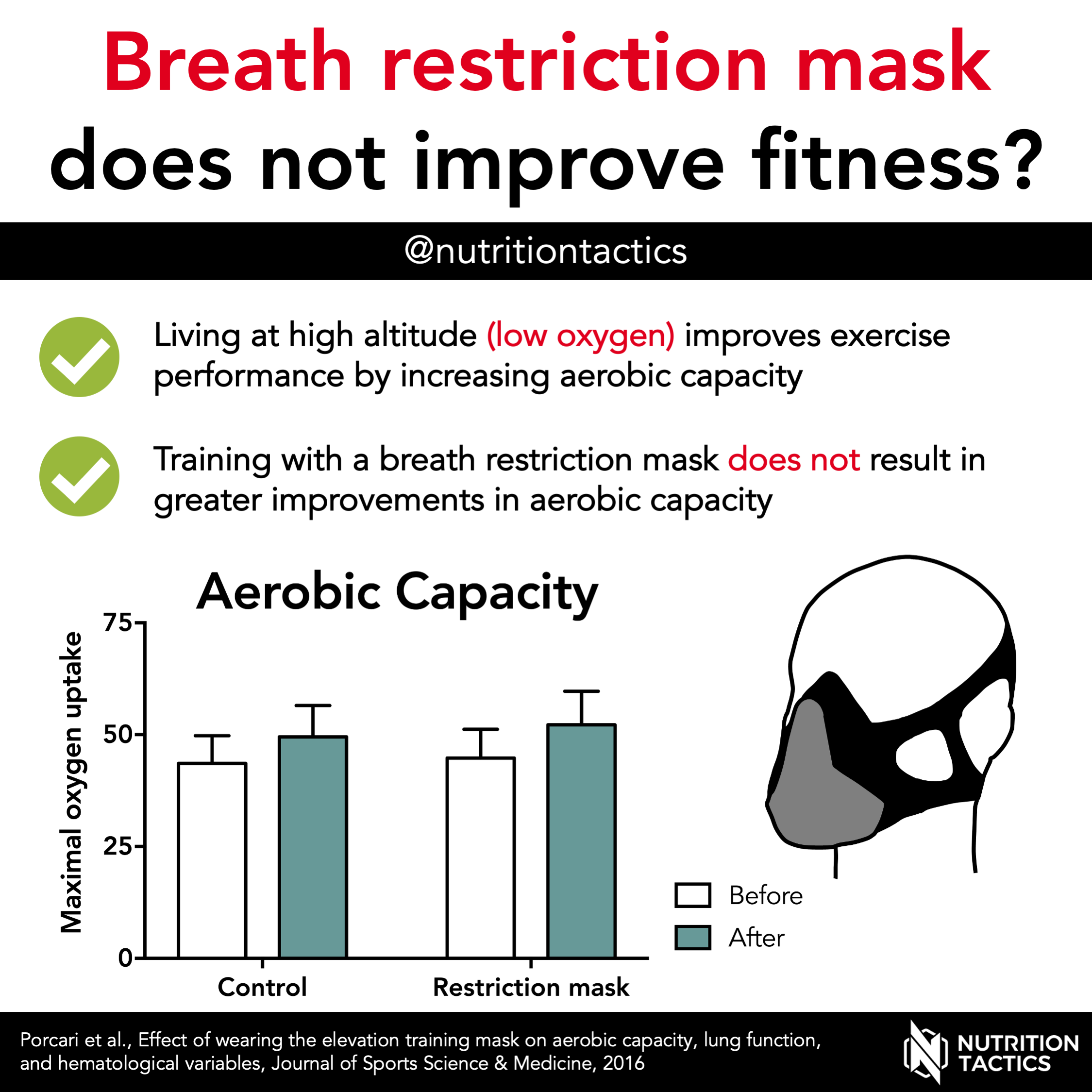
Add breathing drills to your regular training routine. Practice inhaling deeply before starting an intense move. Exhale steadily while performing the action. For example, breathe in before a sprint, then breathe out during the run. Use rhythmic breathing during steady exercises like jogging or cycling. It helps maintain a steady oxygen supply. Over time, your body learns to use oxygen more efficiently. This improves stamina and reduces breathlessness.
Credit: www.nutritiontactics.com
Benefits Of Proper Breathing
Proper breathing during sports training brings many benefits. It helps your body work better and keeps your mind clear. Breathing right can improve how you perform, recover, and feel during exercise. Learning this skill makes every workout more effective and less tiring.
Enhanced Performance
Breathing properly delivers more oxygen to your muscles. This helps them work harder and longer. Your body can burn energy more efficiently. Better oxygen flow also sharpens your focus and coordination. This improves your speed, strength, and endurance.
Faster Recovery
Good breathing helps clear waste products like carbon dioxide. This reduces muscle soreness after training. It also lowers heart rate and blood pressure faster. Your body heals quicker and feels ready for the next session sooner. Recovery becomes smoother and less painful.
Reduced Fatigue
Proper breathing reduces stress on your body. It helps maintain steady energy levels during exercise. You avoid feeling tired too soon. Calm, deep breaths prevent muscle cramps and dizziness. Your workout lasts longer with less strain.
Tips To Maintain Good Breathing Habits
Good breathing habits improve sports performance and reduce fatigue. Proper breathing supports your muscles and keeps oxygen flowing. Practicing these habits regularly helps you stay calm and focused during training.
Simple tips can build strong breathing skills. Follow these steps to develop and maintain proper breathing while you train.
Consistency And Practice
Practice breathing exercises every day. Start with slow and deep breaths. Try belly breathing to engage your diaphragm. Repeat the exercise for a few minutes each session. Consistency builds muscle memory for better breathing. Over time, breathing will feel natural during sports.
Monitoring Breathing During Training
Pay attention to your breath while exercising. Notice if you breathe fast or shallow. Slow down if you feel breathless. Use rhythmic breathing to match your movements. For example, inhale for two steps and exhale for two steps. This helps keep your breathing steady and efficient.

Credit: peopleimages.com

Credit: pngtree.com
Frequently Asked Questions
How Does Proper Breathing Improve Sports Performance?
Proper breathing boosts oxygen flow to muscles, enhancing endurance and reducing fatigue. It supports better focus and quicker recovery during sports training.
What Is The Best Breathing Technique For Athletes?
Diaphragmatic breathing, or belly breathing, is ideal. It increases oxygen intake and helps maintain steady breathing during intense exercise.
How Can I Avoid Breathlessness During Training?
Pace your breathing with your movements. Inhale deeply through the nose and exhale fully through the mouth to prevent breathlessness.
Why Is Nasal Breathing Recommended During Exercise?
Nasal breathing filters and humidifies air, improving oxygen absorption. It also helps regulate breath and maintain steady heart rate.
Conclusion
Proper breathing supports better performance and faster recovery. It helps you stay calm and focused during training. Practice breathing deeply and steadily every day. This builds your lung strength and endurance. Remember, breathing is part of your workout too. Keep it natural and relaxed.
With time, you will feel the difference. Breathe right, train smart, and enjoy your sports journey.

Brandon Knoxley is a sport & fitness writer and training guide contributor at MySportFitHub. He focuses on practical workouts, performance-based training, and honest fitness gear insights designed for real people and real results. Brandon is passionate about helping beginners and active individuals train smarter, avoid common mistakes, and build sustainable fitness habits.