How to Prevent Muscle Imbalance Beginners: Easy Steps for Stronger Gains
Are you tired of feeling one side of your body stronger or tighter than the other? Muscle imbalances can slow down your progress, cause discomfort, and even lead to injuries.
But the good news is, you don’t have to accept this as your normal. By understanding simple steps and making small changes, you can keep your muscles balanced and your body moving smoothly. Ready to learn how to protect your muscles and boost your strength from the start?
Keep reading, because this guide is made just for you.

Credit: oman.whizzcart.com
Causes Of Muscle Imbalance
Muscle imbalance happens when one muscle is stronger or tighter than its opposite. This difference affects how the body moves and feels. Understanding the causes of muscle imbalance helps beginners avoid pain and injury. It also improves body strength and posture.
Common Muscle Imbalance Patterns
Some muscles tend to get stronger while others stay weak. For example, chest muscles often become tight, while upper back muscles stay weak. This causes rounded shoulders. Another common pattern is tight hip flexors with weak glutes. This affects how you walk and run. These patterns develop from daily habits and exercise choices.
Impact Of Poor Posture
Bad posture is a big cause of muscle imbalance. Sitting or standing wrong for long times changes muscle length. Some muscles get short and tight. Others get stretched and weak. Slouching can cause neck and back pain. Good posture keeps muscles balanced and reduces stress on joints.
Effects Of Repetitive Movements
Doing the same movements over and over creates imbalance. For example, typing or using a mouse often tightens one side of the body. Sports like tennis or golf favor one arm, causing uneven strength. Repetitive work tasks also lead to muscle tightness and weakness. Changing movements and stretching can help fix this.
Signs To Watch For
Muscle imbalance can cause many problems if not noticed early. It often starts small, but signs appear as you progress with exercise. Watching these signs helps you prevent injury and improve your workouts. Knowing what to look for is important for beginners. Below are key signs to watch for.
Uneven Strength Levels
You might feel one side of your body is stronger. Lifting weights may feel easier with one arm or leg. This difference can cause poor form and injury. Test your strength on both sides regularly. Balance your exercises to fix uneven strength.
Postural Changes
Muscle imbalance can change your posture. One shoulder may drop lower than the other. Your back might curve unevenly. These changes cause discomfort and affect your movement. Check your posture in a mirror often. Correct exercises can help restore balance.
Frequent Discomfort Or Pain
Muscle imbalance can cause pain in joints or muscles. You may feel tightness or soreness on one side. Pain during or after exercise is a warning. Do not ignore constant aches. Adjust your routine and seek advice if pain persists.
Balanced Workout Techniques
Balanced workout techniques help prevent muscle imbalances. These techniques improve strength and reduce injury risk. Beginners should focus on exercises that train muscles evenly. Proper planning and execution make workouts safe and effective.
Incorporating Compound Exercises
Compound exercises work multiple muscle groups at once. Examples include squats, deadlifts, and push-ups. These moves build overall strength and coordination. They help muscles grow evenly. Compound exercises save time and boost workout efficiency.
Targeting Opposing Muscle Groups
Train muscles that work against each other. For example, balance chest exercises with back exercises. This approach keeps muscles strong and flexible. It prevents one muscle from becoming stronger than its partner. Balanced strength reduces the chance of injury.
Using Proper Form And Technique
Good form ensures muscles work correctly. It protects joints and prevents strain. Beginners should learn the right techniques before adding weight. Slow and controlled movements give better results. Always focus on posture and alignment during exercises.
Credit: myyogateacher.com
Stretching And Mobility
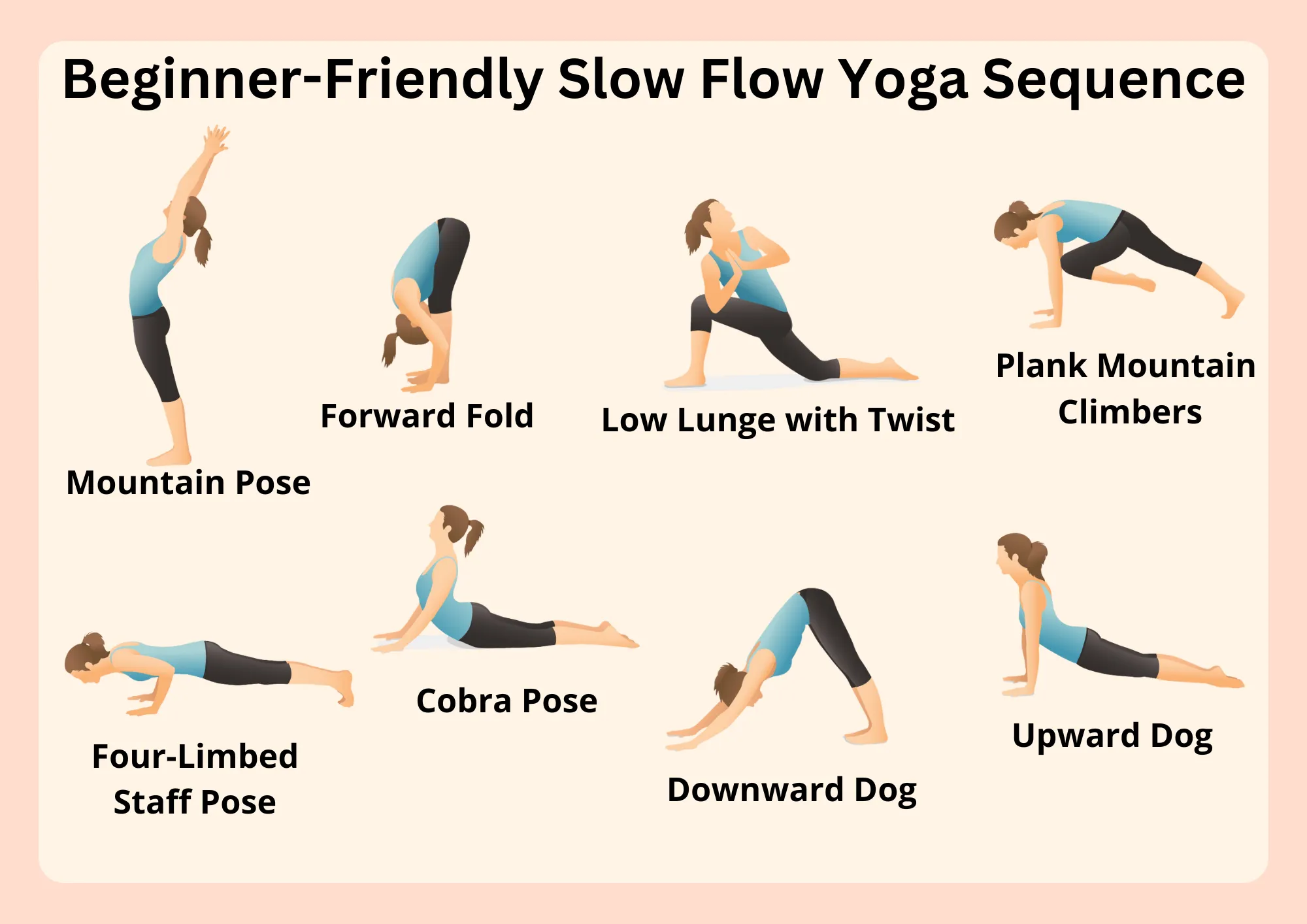
Stretching and mobility exercises play a key role in preventing muscle imbalance. They keep muscles flexible and joints moving well. This helps the body stay balanced and reduces the risk of injury. Beginners should include these exercises in their daily routine for better results.
Daily Stretching Routines
Daily stretching helps muscles stay long and flexible. Spend 5 to 10 minutes stretching major muscle groups. Focus on the muscles you use most or feel tight. Stretch gently and hold each stretch for 20 to 30 seconds. Regular stretching improves posture and reduces muscle tightness.
Foam Rolling Benefits
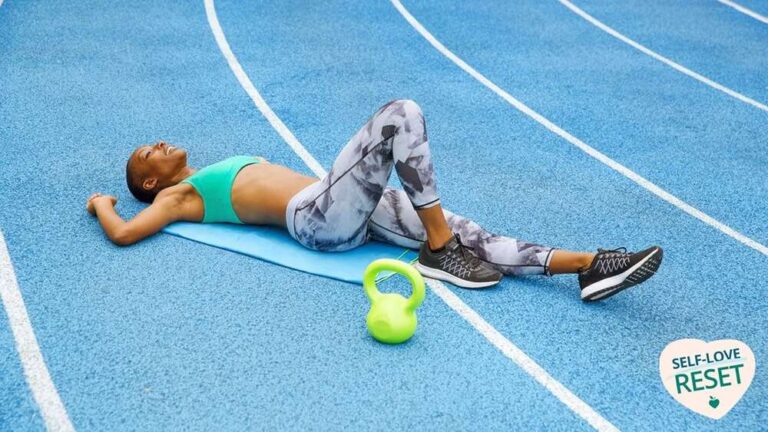
Foam rolling is a self-massage technique that loosens tight muscles. It helps break up knots and improve blood flow. Roll slowly over sore or tight areas for 1 to 2 minutes. Foam rolling before and after exercise aids recovery and prevents imbalances. It also increases muscle flexibility and reduces stiffness.
Improving Joint Mobility
Good joint mobility allows smooth and full movement. Perform simple joint circles and controlled movements daily. Focus on hips, shoulders, and ankles to support overall balance. Improved mobility reduces strain on muscles and joints. This lowers the chance of injury and muscle imbalance.
Rest And Recovery Tips
Rest and recovery are key to preventing muscle imbalance. Muscles need time to heal and grow stronger after exercise. Skipping rest can cause one side of the body to become weaker or tighter. Proper recovery helps keep muscles balanced and healthy. Here are some tips to support your rest and recovery.
Importance Of Adequate Rest
Rest allows muscles to repair small tears caused by exercise. Without enough rest, muscles stay tight and weak. Aim for at least 7-8 hours of sleep each night. Sleep boosts muscle recovery and hormone balance. Taking rest days between workouts helps avoid muscle fatigue. Rest is not laziness but part of training.
Active Recovery Strategies
Active recovery means moving gently on rest days. Walking, stretching, or light swimming help blood flow. Better circulation speeds up healing and reduces stiffness. Yoga or foam rolling can release tight spots. These activities keep muscles flexible and balanced. Avoid heavy lifting or intense exercises during recovery.
Avoiding Overtraining
Overtraining happens when muscles do not get enough rest. Signs include constant soreness, fatigue, and poor performance. Overtraining increases risk of injury and imbalance. Follow a workout plan with rest days included. Listen to your body and stop if pain occurs. Balance exercise with recovery to stay strong and healthy.
Credit: kettlebellsworkouts.com
Tracking Progress
Tracking progress helps beginners prevent muscle imbalance effectively. It shows which muscles grow stronger and which need more work. This way, you keep your body balanced and avoid injuries. Small changes in your workout plan can make a big difference.
Keeping A Workout Journal
Write down your exercises, sets, and reps each session. Note how much weight you lift and how you feel. A journal helps spot patterns and weak points. It keeps you honest and focused on your goals.
Regular Strength Assessments
Test your strength every few weeks. Compare your left and right side for any differences. Use simple moves like push-ups or squats to check balance. This shows if one side is stronger and needs more attention.
Adjusting Plans Based On Feedback
Change your workouts based on your journal and tests. Add extra exercises for weaker muscles. Reduce work on stronger sides to avoid overuse. Small tweaks keep your muscles growing evenly and safely.
Frequently Asked Questions
What Causes Muscle Imbalance In Beginners?
Muscle imbalance often results from improper exercise form, overtraining certain muscles, or poor posture. Beginners may favor stronger muscles, neglecting weaker ones, leading to uneven strength and flexibility. Addressing these issues early helps prevent injuries and promotes balanced muscle development.
How Can Beginners Prevent Muscle Imbalance Effectively?
Beginners should focus on balanced workouts targeting all major muscle groups equally. Incorporate both strength training and flexibility exercises. Use proper form and gradually increase intensity. Regularly assess muscle strength to adjust routines, ensuring no muscle group is neglected or overworked.
Which Exercises Help Correct Muscle Imbalance?
Compound exercises like squats, deadlifts, and push-ups engage multiple muscle groups, promoting balance. Include unilateral exercises such as lunges and single-arm rows to target weaker muscles individually. Stretching and mobility work also improve flexibility, reducing imbalance risks.
How Important Is Warm-up In Preventing Muscle Imbalance?
A proper warm-up prepares muscles for exercise, improving blood flow and flexibility. It reduces injury risk and helps identify tight or weak muscles. Dynamic stretches and light cardio activate muscle groups evenly, supporting balanced performance during workouts.
Conclusion
Preventing muscle imbalance starts with balanced exercises. Focus on working all muscle groups evenly. Stretch tight muscles and strengthen weak ones regularly. Pay attention to your body’s signals to avoid injury. Consistency matters more than intensity in the beginning. Good posture supports muscle health every day.
Small changes build stronger, balanced muscles over time. Stay patient and keep your routine simple. This approach helps your body move better and feel stronger.

Brandon Knoxley is a sport & fitness writer and training guide contributor at MySportFitHub. He focuses on practical workouts, performance-based training, and honest fitness gear insights designed for real people and real results. Brandon is passionate about helping beginners and active individuals train smarter, avoid common mistakes, and build sustainable fitness habits.