How to Manage Rest Days Sports Training: Ultimate Recovery Tips
Are you pushing yourself hard in sports training but not seeing the progress you want? Maybe the missing piece is how you handle your rest days.
Rest days aren’t just breaks—they’re powerful tools that can boost your strength, speed up recovery, and prevent injuries. If you want to train smarter, not just harder, you need to learn how to manage your rest days the right way.
Keep reading, and you’ll discover simple yet effective strategies to make your rest days work for you and take your performance to the next level.
Credit: www.spookynooksports.com
Importance Of Rest Days
Rest days are essential in any sports training plan. They give your body time to recover and grow stronger. Without rest, your muscles and mind can get tired. This can slow your progress and cause problems.
Taking rest days helps keep your training balanced. It stops burnout and keeps you motivated. Understanding why rest matters can help you train smarter and stay healthy.
Preventing Overtraining
Overtraining happens when you exercise too much without enough rest. It can make you feel tired all the time. Your muscles may hurt more than usual. Rest days stop overtraining by giving your body time to heal. This helps you stay fresh and ready for the next workout.
Boosting Performance
Rest days help your body repair and build muscles. This makes you stronger and faster. Without rest, your performance can drop. Your body needs time to store energy for intense training. Rest improves how well you perform in sports.
Reducing Injury Risk
Training hard every day can lead to injuries. Small pains can turn into serious problems. Rest days lower the chance of injuries by letting your body recover. Muscles, joints, and bones get time to heal. This keeps you safe and able to train longer.
Signs You Need A Rest Day
Rest days are important in sports training. They help your body and mind recover. Recognizing the signs that you need a rest day can prevent injuries and improve your progress. Ignoring these signs can lead to burnout and poor results. Here are some clear signals your body and mind send when rest is needed.
Physical Fatigue Indicators
Muscle soreness that lasts for days is a key sign. Feeling weak or heavy during workouts shows fatigue. Slow recovery after exercise means your body needs a break. Persistent joint or tendon pain also signals overuse. Watch for a drop in energy levels during the day.
Mental Burnout Symptoms
Loss of motivation to train is common. Feeling stressed or anxious without reason can appear. Difficulty focusing on workouts or daily tasks is a sign. Sleep problems like trouble falling or staying asleep may occur. A general sense of irritability or frustration also shows mental strain.
Performance Decline
Lower strength or slower speed during workouts is a warning. Missing personal bests or goals repeatedly suggests rest is needed. Increased mistakes or poor technique happen when tired. Heart rate may rise more than usual during exercise. Overall, a clear drop in performance means your body is overworked.
Active Recovery Techniques
Active recovery techniques help the body heal while keeping it moving. These methods reduce muscle stiffness and improve blood flow. They support faster recovery and prepare you for your next workout. Rest days with active recovery still keep your body engaged without strain.
Light Cardio Workouts
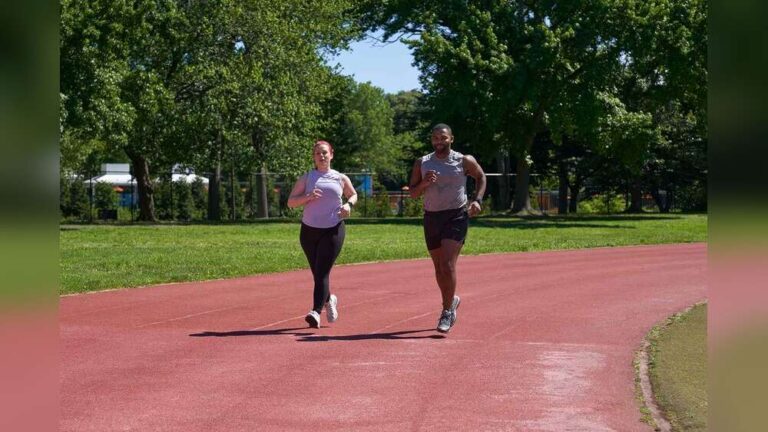
Light cardio workouts increase circulation without causing fatigue. Activities like walking, cycling, or swimming at a slow pace work well. These exercises help flush out toxins and reduce muscle soreness. Keeping your heart rate low encourages gentle movement and healing.
Stretching And Mobility
Stretching improves flexibility and reduces tight muscles. Focus on slow, controlled stretches targeting key muscle groups. Mobility exercises help joints move better and prevent stiffness. Both stretching and mobility enhance overall movement quality on rest days.
Low-intensity Activities
Low-intensity activities include yoga, tai chi, or light bodyweight exercises. These keep muscles active without heavy strain. They improve balance, coordination, and mental relaxation. Such activities maintain fitness while aiding recovery on rest days.
Nutrition For Recovery
Nutrition plays a key role in how your body recovers on rest days. Eating the right foods helps repair muscles and restore energy. Proper nutrition reduces soreness and prepares you for your next workout. Focus on balanced meals that support healing and recovery.
Hydration Strategies
Drink plenty of water throughout the day. Water helps flush out toxins and keeps muscles hydrated. Avoid sugary drinks and caffeine as they can dehydrate you. Aim for small, frequent sips instead of large amounts all at once. Electrolyte drinks can help if you sweat a lot during workouts.
Protein And Carb Intake
Protein repairs muscle tissue and helps recovery. Include lean meats, eggs, dairy, or plant-based proteins in your meals. Carbohydrates refill your energy stores. Choose whole grains, fruits, and vegetables for steady energy. Balance protein and carbs to support muscle repair and energy replenishment.
Anti-inflammatory Foods
Certain foods reduce inflammation and speed healing. Add berries, leafy greens, and nuts to your diet. Fatty fish like salmon provides omega-3 fats that calm swelling. Avoid processed foods and excess sugar, which can increase inflammation. Eat these foods regularly to feel better faster.
Sleep And Rest Quality
Good sleep and rest are key for sports training recovery. They help muscles heal and energy return. Quality rest improves focus and performance. Without it, the body struggles to repair and grow stronger.
Paying attention to sleep and rest quality can reduce injury risk. It also boosts mood and motivation. Athletes must treat rest days as part of training. Here are some tips to improve sleep and rest.
Sleep Duration Tips
Adults need 7 to 9 hours of sleep each night. Sleep less than this can slow recovery. Avoid cutting sleep short to gain training time. Instead, prioritize enough hours for full rest. Try to keep sleep consistent every night.
Creating A Sleep Routine
Go to bed and wake up at the same time daily. This trains your body’s internal clock. Avoid screens and bright lights an hour before bed. Relax with quiet activities like reading or stretching. A calm routine helps fall asleep faster.
Napping Benefits
Short naps can boost energy and alertness. Keep naps to 20-30 minutes to avoid grogginess. Naps help fill sleep gaps and improve recovery. Use naps especially after intense training or poor night sleep.

Credit: www.youtube.com
Mindfulness And Stress Reduction
Rest days are as important as training days. Mindfulness and stress reduction help your body and mind recover. They reduce tension and improve focus. This leads to better performance and less injury risk.
Practicing mindfulness on rest days allows your muscles to heal. It also calms your thoughts. A clear mind supports better sleep and energy for your next workout.
Meditation Practices
Meditation helps you stay present and relax deeply. Start with short sessions of 5 to 10 minutes. Find a quiet spot and sit comfortably. Focus on your breath or a simple word. Let distractions pass without judgment.
Regular meditation lowers stress hormones. It improves mood and mental clarity. This makes recovery feel easier and more effective.
Breathing Exercises
Breathing exercises calm your nervous system quickly. Try slow, deep breaths through your nose. Hold for a few seconds. Breathe out slowly through your mouth. Repeat for several minutes.
These exercises reduce anxiety and muscle tension. They help you feel grounded and refreshed. Perfect for rest days or before sleep.
Mental Relaxation
Mental relaxation means giving your brain a break. Avoid screens and loud noises. Listen to soft music or nature sounds. Visualize peaceful places or happy memories.
This reduces mental fatigue and improves focus. It also supports emotional balance. Mental rest helps you return to training with clear energy.
Using Rest Days Strategically
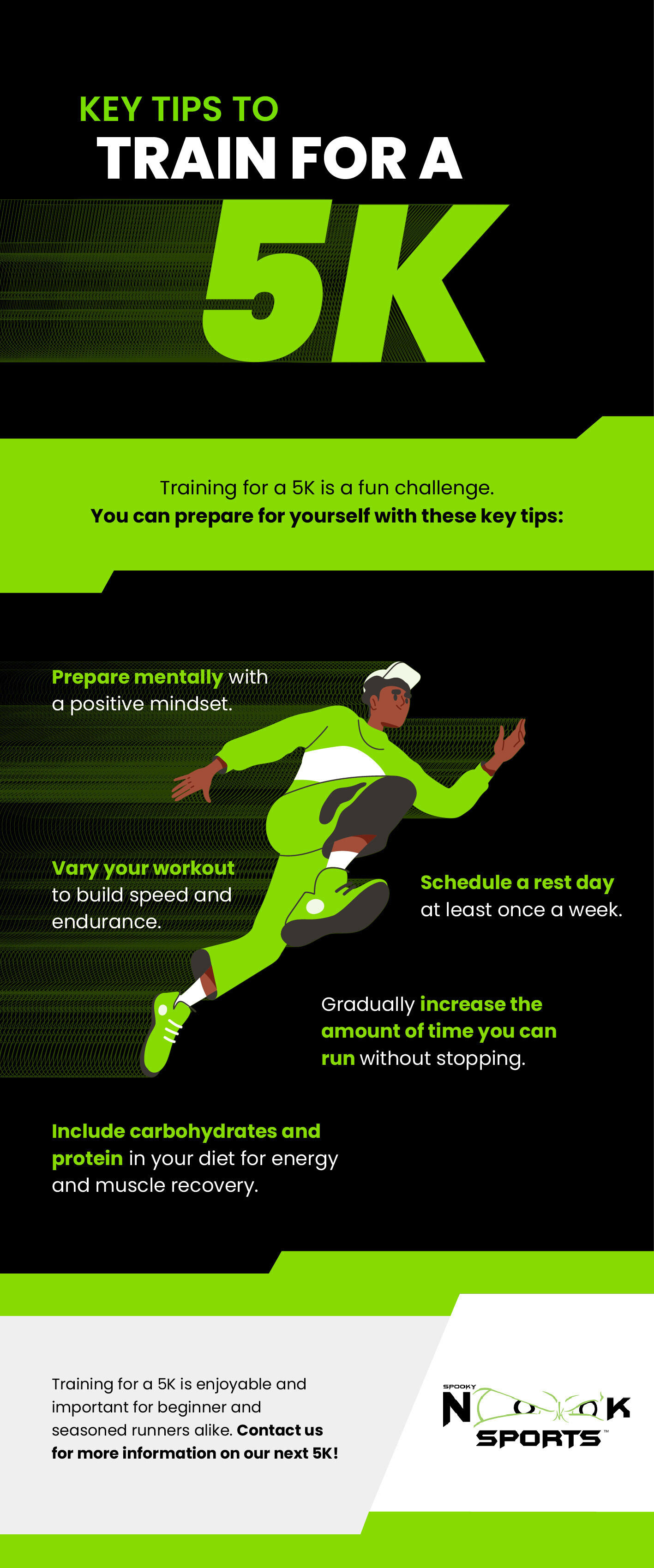
Rest days are not just breaks from training. They are essential parts of a sports training plan. Using rest days strategically helps improve performance and reduce injury risk. Planning rest days with care supports muscle recovery and mental freshness. This section explains how to use rest days smartly in your training routine.
Scheduling Around Training Cycles
Training follows cycles of hard work and recovery. Rest days should fit these cycles. Place rest days after intense workouts or competitions. This timing helps muscles heal and rebuild strength. Plan lighter days before hard sessions to prepare your body. Adjust rest days as cycles change for steady progress.
Balancing Intensity And Recovery
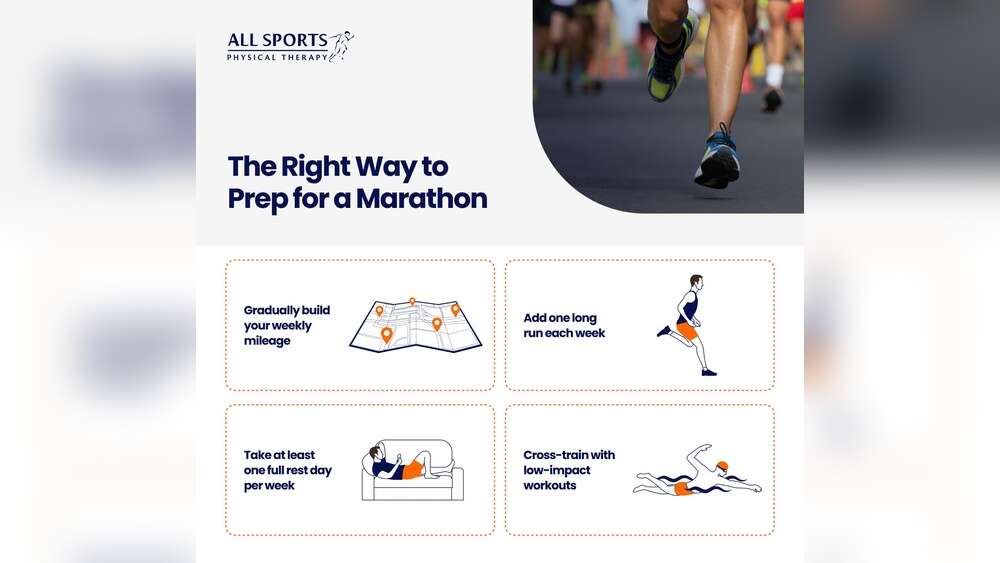
Rest days balance training intensity with recovery needs. Intense workouts require longer rest. Easy days need less rest. Mixing hard and easy days avoids burnout. Active rest, like walking or stretching, keeps blood flowing. Listen to your body to find the right balance.
Personalizing Rest Plans
Every athlete is different. Age, fitness level, and goals affect rest needs. Some recover faster; others need more time off. Track how you feel after workouts. Adjust rest days to match your energy and soreness levels. Personalized plans help maintain motivation and improve results.

Credit: www.therunningweek.com
Frequently Asked Questions
How Often Should I Take Rest Days In Sports Training?
Rest days should be taken at least once or twice weekly. They help muscles recover and prevent injury. Frequency depends on training intensity and individual fitness levels.
What Activities Are Best On Rest Days?
Light activities like walking, stretching, or yoga are ideal. These promote blood flow without straining muscles. Avoid intense workouts to allow proper recovery.
How Do Rest Days Improve Athletic Performance?
Rest days reduce fatigue and muscle soreness. They support muscle repair and growth. This leads to better strength, endurance, and overall performance.
Can Skipping Rest Days Cause Injury?
Yes, skipping rest days increases risk of overtraining injuries. Muscles and joints need time to heal. Ignoring rest can lead to chronic pain and setbacks.
Conclusion
Rest days help your body recover and grow stronger. They reduce the risk of injury and keep you motivated. Use rest days to relax, stretch, and do light activities. Eating well and sleeping enough support your recovery. Remember, balance is key to good sports training.
Taking breaks does not mean losing progress. It means giving your body the care it needs. Follow these tips to enjoy better results and stay active longer. Rest smart, train hard, and keep moving forward.

Brandon Knoxley is a sport & fitness writer and training guide contributor at MySportFitHub. He focuses on practical workouts, performance-based training, and honest fitness gear insights designed for real people and real results. Brandon is passionate about helping beginners and active individuals train smarter, avoid common mistakes, and build sustainable fitness habits.