How To Choose The Right Dumbbell: Smart Buying Guide
Choose a dumbbell based on your goals, strength, space, budget, and the exercises you plan to perform.
Learning how to choose the right dumbbell can make your workouts safer, smoother, and more effective. The best option is not always the heaviest or most expensive model. It should match your current strength, allow steady progress, feel secure in your hand, and fit the way you train. This guide explains the key differences between dumbbell types, how to select the right weight, and which features matter most.
Why Choosing the Right Dumbbell Matters
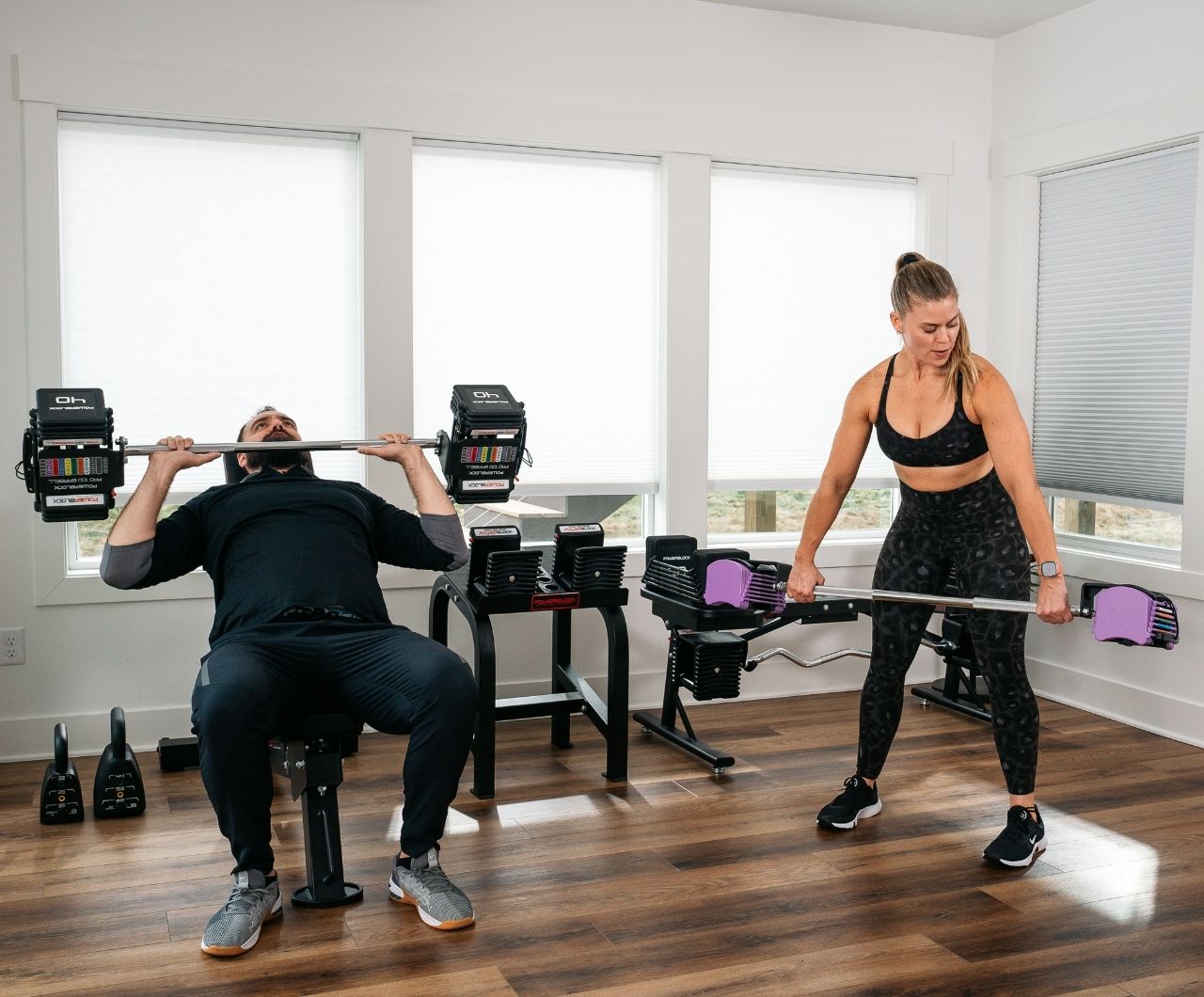
Dumbbells may look simple, but small design differences can change how an exercise feels. The handle, weight shape, grip, and adjustment system all affect comfort and control. A poor choice can make exercises awkward, limit your range of motion, or increase the chance of losing your balance.
Understanding how to choose the right dumbbell also helps you avoid wasting money. Many beginners buy one heavy pair because it seems like better value. However, one weight may be too light for leg exercises and too heavy for shoulder or arm movements.
The right dumbbell should support your training goals. It should also challenge your muscles without forcing you to use poor form. The American College of Sports Medicine generally recommends resistance that allows controlled repetitions with good technique. That principle is more useful than choosing a weight based only on body size or fitness level.
When I help people set up home gyms, I often see the same mistake: they choose a dumbbell based on what looks impressive. A better approach is to choose a weight that feels manageable at first but leaves room to progress.

Identify Your Main Training Goal
The first step in learning how to choose the right dumbbell is knowing what you want to achieve. Different goals call for different weight ranges, shapes, and adjustment options.
Strength training
For strength, you usually need heavier dumbbells and lower repetitions. Exercises such as goblet squats, dumbbell rows, Romanian deadlifts, and chest presses often require more weight than curls or lateral raises.
A fixed dumbbell set with several heavy pairs can work well if you have enough space. Adjustable dumbbells are also useful because they let you increase resistance as your strength improves.
Muscle growth
Muscle growth requires enough resistance to challenge the target muscle. You do not need the heaviest possible dumbbell. You need a weight that allows controlled repetitions while bringing the muscle close to fatigue.
Most people benefit from having several weight options. For example, you may use heavier dumbbells for presses and rows, medium weights for lunges, and lighter weights for raises and curls.
General fitness
For general fitness, moderate dumbbells are often the most practical choice. They can support full body workouts, circuits, balance exercises, and basic strength work.
A pair of adjustable dumbbells may be ideal for a small home gym. You can use lighter settings for high repetition movements and heavier settings for squats or deadlifts.
Rehabilitation and mobility
If you are returning from an injury, lighter weights and excellent control matter more than maximum load. A dumbbell that is too heavy can cause compensation, such as shrugging your shoulders or twisting your torso.
Follow the advice of a qualified health professional when training around an injury. Your ideal weight may change as your mobility and strength improve.
Weight loss and conditioning
Dumbbells can add resistance to circuits and full body workouts. For this purpose, you may prefer weights that allow repeated movements without losing form.
A weight that lets you speak in short phrases while maintaining control can work well for many conditioning sessions. Still, exercise intensity depends on many factors, including rest time, movement speed, and total workout length.
Choose the Correct Dumbbell Weight
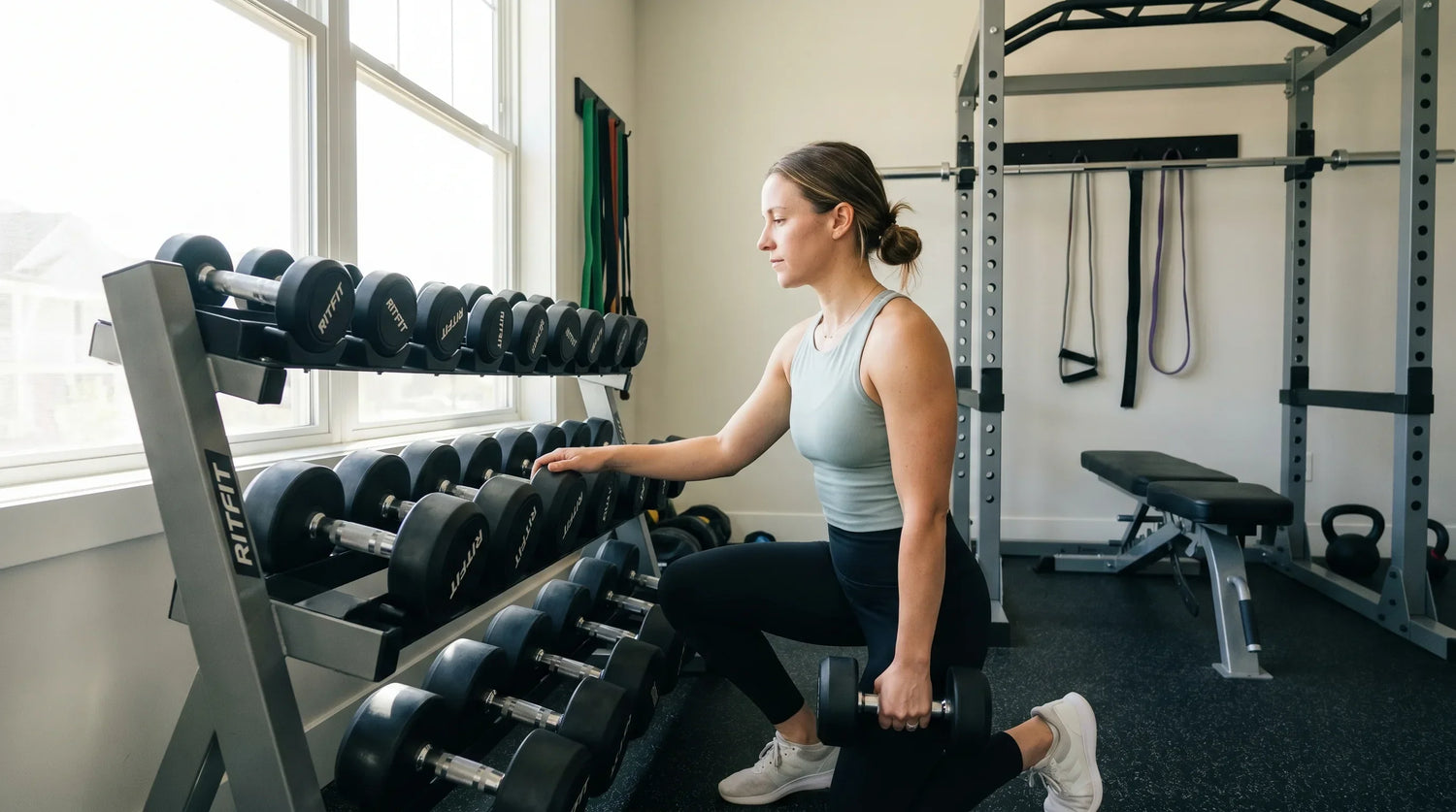
Weight selection is the most important part of how to choose the right dumbbell. The correct weight lets you complete your planned repetitions with stable joints and controlled movement.
Use this simple test:
- Choose a movement you plan to perform.
- Select a weight that feels moderate.
- Complete your target number of repetitions.
- Check your form during the final few repetitions.
- Increase the weight only if you can maintain control.
A good starting weight should feel challenging near the end of a set. You should still be able to move smoothly without swinging, holding your breath, or changing your posture.
Signs the dumbbell is too light
Your dumbbell may be too light if:
• You can complete many more repetitions than planned.
• The final repetitions feel almost effortless.
• You do not feel the target muscles working.
• You finish each set with no meaningful fatigue.
A light dumbbell is not useless. It may be suitable for warmups, rehabilitation, balance work, or exercises that use small muscles.
Signs the dumbbell is too heavy
Your dumbbell may be too heavy if:
• You cannot complete the planned repetitions.
• Your joints hurt during the movement.
• You need to swing the weight.
• Your back rounds or your shoulders rise.
• You lose control while lowering the dumbbell.
• Your breathing becomes forced or irregular.
Heavy weights can be useful, but only when you can control them. Strength should support technique, not replace it.
A practical starting range
There is no perfect weight chart for every person. Still, the following ranges can help many beginners:
• Small isolation movements, such as lateral raises: 2 to 10 pounds per hand
• Biceps curls and triceps exercises: 5 to 20 pounds per hand
• Shoulder presses: 5 to 25 pounds per hand
• Chest presses and rows: 10 to 40 pounds per hand
• Goblet squats and deadlifts: 15 to 60 pounds or more
These are broad examples, not strict rules. Your training history, body size, exercise technique, and goals all matter.
One lesson I have seen many times is that the ideal dumbbell weight changes from exercise to exercise. A person may use 25 pounds for rows but only 10 pounds for shoulder presses. That difference is normal.
Compare the Main Types of Dumbbells
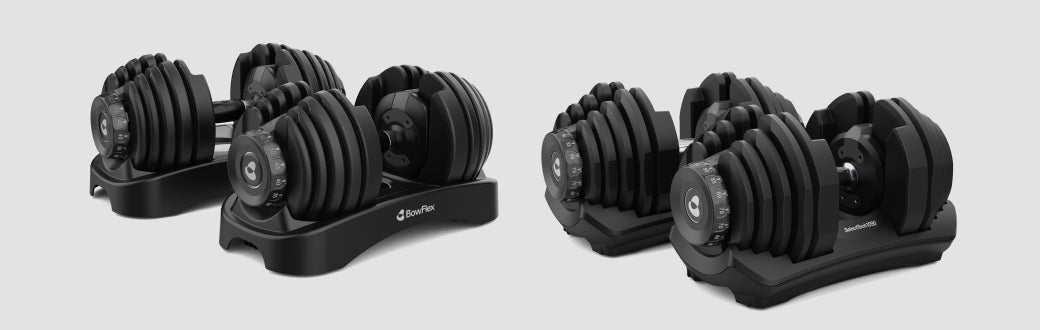
Knowing the available types makes how to choose the right dumbbell much easier. Each design has clear advantages and limits.
Fixed weight dumbbells
Fixed dumbbells come in one set weight. They are simple, durable, and ready to use.
Advantages include:
• Fast transitions between exercises
• No adjustment mechanism
• Strong durability
• Stable weight distribution
• Easy use in gyms and group classes
The main drawback is that you need several pairs for progressive training. This can become expensive and take up considerable space.
Adjustable dumbbells
Adjustable dumbbells allow you to change the load by adding plates, turning a dial, or using a locking system. They are popular for home gyms because one pair can replace several fixed pairs.
Advantages include:
• Space savings
• Lower cost than buying many fixed pairs
• Easy progression
• Good value for full body training
Possible drawbacks include:
• Slower weight changes
• More parts that may wear out
• A longer shape on some models
• Less convenience during fast circuits
When considering how to choose the right dumbbell for a small apartment, adjustable models often provide the best balance of variety and space.
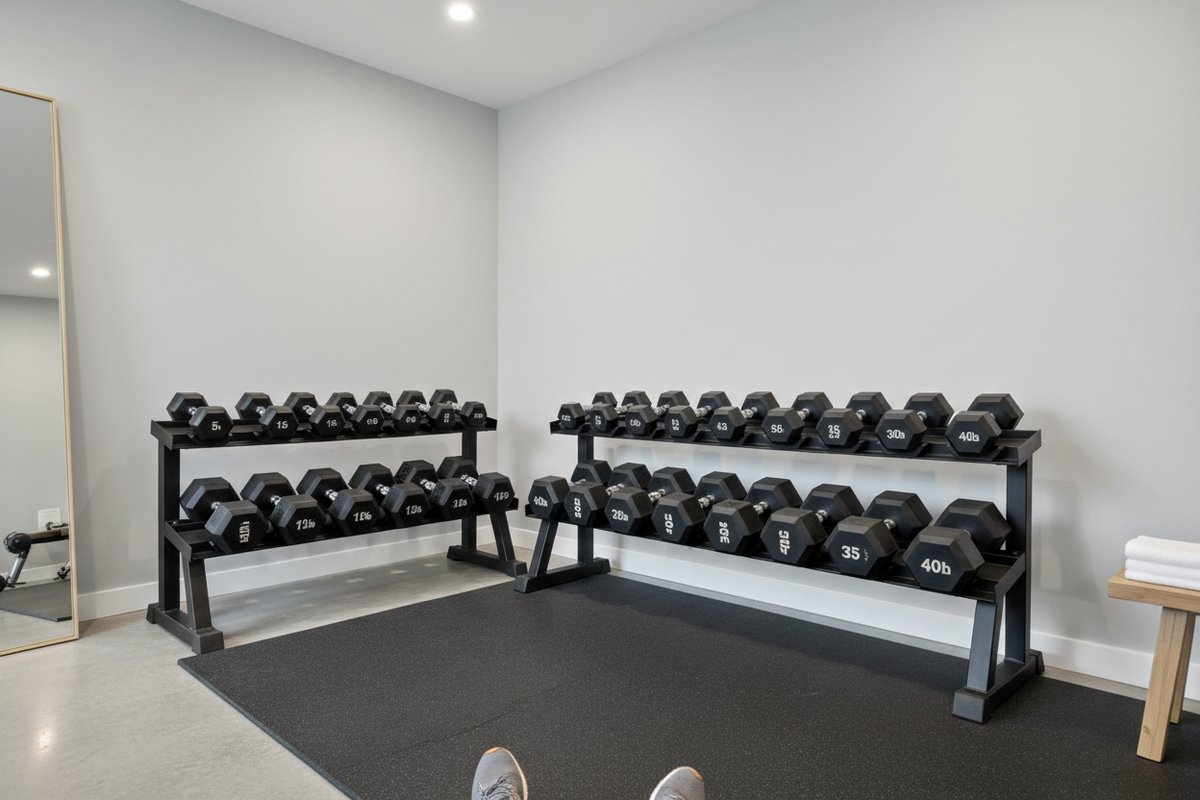
Hex dumbbells
Hex dumbbells have flat sides that prevent rolling. They are useful for home workouts, renegade rows, and floor-based exercises.
The flat ends also make storage easier. Many hex dumbbells use rubber coating, which can reduce noise and protect some floors.
Round dumbbells
Round dumbbells roll more easily but may feel smooth during traditional exercises. They are common in commercial gyms and can work well for presses, curls, and rows.
They are less convenient for movements where the dumbbell rests on the floor. You may need a rack or storage tray to keep them organized.
Neoprene or vinyl dumbbells
These lighter dumbbells have a soft coating. They are often used for aerobics, walking workouts, physical therapy, and light conditioning.
They are comfortable and easy to grip, but they may not be suitable for heavy strength training. The coating can also wear down over time if the weights are dropped.
Studio and chrome dumbbells
Studio dumbbells often have compact shapes and color coding. Chrome dumbbells may have a polished finish and a traditional feel.
The best choice depends on your priorities. A studio dumbbell may be comfortable for classes, while a rubber hex model may be better for home strength sessions.
Pay Attention to Handle Design and Grip
The handle is easy to overlook when learning how to choose the right dumbbell. Yet it is the part you touch during every repetition.
Look for a handle that feels secure without forcing you to squeeze too hard. A handle that is too thick may tire your grip. One that is too smooth may feel slippery when your hands become sweaty.
Consider these features:
• Handle diameter: A medium diameter suits many users, while thicker handles may challenge grip strength.
• Knurling: Light knurling can improve traction, but aggressive knurling may irritate your palms.
• Handle length: Longer handles may feel awkward during presses or curls.
• Center balance: A balanced dumbbell usually feels more predictable.
• Coating: Rubber, urethane, chrome, and steel each offer a different feel and level of durability.
If possible, hold a dumbbell before buying it. A product can look excellent online but feel uncomfortable in your hand.
Sweat also matters. A metal handle without enough texture may become slick during high repetition sessions. At home, a small towel and a secure grip can make a major difference.

Consider the Dumbbell Shape and Material
The shape and material influence comfort, noise, durability, and floor safety. These features should match your workout space.
Rubber coating
Rubber dumbbells are popular because they reduce noise and protect some surfaces. They are a practical choice for home gyms.
However, rubber can have a strong odor when new. It may also leave marks on certain floors. Ventilate the room and use a protective mat if needed.
Urethane coating
Urethane is durable and tends to resist odor better than some rubber products. It often costs more, but it can be a strong long term choice for frequent use.
Cast iron
Cast iron dumbbells are durable and often affordable. They may have a rougher feel and can damage floors if dropped.
Use them on a rubber mat and avoid dropping them whenever possible. Even durable equipment can crack flooring or damage the weight itself.
Hexagonal ends
Hex ends improve stability and stop the dumbbell from rolling away. They are useful for floor presses, renegade rows, and home storage.
Rounded ends
Rounded ends may feel comfortable during some movements, but they require more care during storage. They can also roll under furniture or across the floor.
A key part of how to choose the right dumbbell is matching the material to your home. If you live above another apartment, quieter rubber or urethane models may be worth the added cost.

Decide Between Fixed and Adjustable Dumbbells
The fixed versus adjustable decision depends on your space, budget, and workout style.
Choose fixed dumbbells if:
• You want fast exercise transitions.
• You have enough storage space.
• You use the same weights often.
• You prefer a simple design.
• You train in a dedicated gym.
Choose adjustable dumbbells if:
• You have limited space.
• You want several weight options.
• You plan to progress over time.
• You perform full body workouts.
• You want to reduce the cost of a home gym.
When thinking about how to choose the right dumbbell for home use, ask how often you change weight during a workout. If you switch weights often, fixed dumbbells may feel more convenient. If you train in a small room, adjustability may matter more.
Some adjustable dumbbells use plates and collars. Others use selector dials or locking systems. Read the instructions and inspect the locking parts before every workout. A loose plate can create a serious safety problem.
Do not assume the highest weight setting is the best choice. Check the minimum weight, maximum weight, adjustment steps, handle length, and warranty.

Match the Dumbbell to Your Available Space
A good home gym should make exercise easy to start. If your equipment is hard to store, you may use it less often.
Measure your available space before buying. Consider the room needed for:
• Your body during exercises
• The dumbbell rack or storage tray
• Safe movement around furniture
• Adjustable dumbbell handles
• Floor protection
A pair of compact dumbbells may work well in a bedroom or living room. Larger adjustable models may need more clearance, especially during overhead movements.
Storage also affects safety. Keep dumbbells on a stable rack or low platform. Do not place heavy weights on a weak shelf or near a walkway.
In my experience, the best equipment is often the equipment that stays visible and easy to reach. If you must unpack several boxes before every session, motivation can fade quickly.

Check Quality, Safety, and Warranty
Price matters, but build quality matters more when equipment will be used for years. A cheap dumbbell may become expensive if the handle loosens or the coating breaks.
Before buying, check:
• Whether the handle is firmly attached
• Whether plates or heads move
• Whether the weight markings are clear
• Whether the coating has cracks
• Whether the adjustment system locks securely
• Whether the product has a clear warranty
For adjustable dumbbells, read user feedback about the locking system. Look for consistent comments rather than one extreme review.
Avoid dropping adjustable dumbbells unless the manufacturer specifically permits it. The internal mechanism may not tolerate impact. Even fixed rubber dumbbells should be placed down with control.
Use weights on a stable surface. Keep your fingers away from moving parts, and inspect the equipment from time to time. These simple habits reduce preventable injuries.
Build a Dumbbell Set That Supports Progress
You do not need to buy a complete rack on your first day. A small, useful set is often the smarter choice.
A beginner home setup might include:
• One light pair for raises, curls, and warmups
• One medium pair for presses and lunges
• One heavier pair for rows, squats, and deadlifts
Adjustable dumbbells can cover these levels in one product. Fixed weights may feel more convenient if you have enough space.
Progressive overload means gradually increasing the challenge placed on your muscles. You can do this by adding weight, completing more repetitions, improving control, or reducing rest. Increasing weight is only one option.
If your dumbbell feels too easy, first check your technique. Slow the lowering phase or add repetitions before making a large weight jump. A small increase is usually easier to control than a sudden jump.
This is another important lesson in how to choose the right dumbbell: buy for your next stage, not only for your current level. You need enough room to grow, but you should not pay for weight you cannot safely use.
Common Mistakes to Avoid
Several buying mistakes appear again and again. Avoiding them can save money and reduce frustration.
Choosing based only on price
The cheapest option may have poor grip quality or weak adjustment parts. The most expensive option may include features you do not need.
Compare comfort, construction, warranty, and intended use. Value is more than the initial price.
Buying only one weight
One pair may limit your training. Different exercises require different loads, so a small range is often more useful.
Ignoring your training space
A heavy dumbbell is not practical if it damages the floor or cannot be stored safely. Measure first.
Selecting a weight that is too heavy
Heavy weight can feel motivating, but poor form reduces the value of the exercise. Start with control and build up.
Forgetting grip comfort
A handle that causes pain or slipping can make you avoid workouts. Grip comfort should be part of your decision.
Trusting marketing claims
Terms such as professional grade or premium do not always explain product quality. Check the actual materials, warranty, dimensions, and customer feedback.
Dropping adjustable weights
Many adjustable models are not designed for impact. Place them down slowly and follow the care instructions.
A Simple Buying Checklist
Use this checklist when comparing dumbbells:
- Define your main goal.
- List the exercises you plan to perform.
- Estimate the light, medium, and heavy weights you need.
- Measure your workout and storage space.
- Choose fixed or adjustable construction.
- Test the handle if possible.
- Check the coating and shape.
- Inspect the adjustment mechanism.
- Read the warranty and care instructions.
- Buy enough weight for progress, but not more than you can control.
This process makes how to choose the right dumbbell more objective. You can focus on function instead of appearance or advertising.
If you shop online, review the product dimensions. Photos can make dumbbells look smaller than they are. Also confirm whether the listed price covers one dumbbell, one pair, or a full set.
How to Choose the Right Dumbbell for Different Exercises
The same person may need several dumbbell weights during one workout. Use the exercise to guide your selection.
For lateral raises, choose a light weight because the shoulder muscles work through a long lever. For curls, select a weight that lets you keep your elbows still and avoid swinging.
For rows, you can often use more weight because the back muscles are larger. For goblet squats, lunges, and deadlifts, many people also use heavier dumbbells than they would for upper body isolation exercises.
For overhead presses, choose a moderate load. Your ribs should stay controlled, your back should not overarch, and the dumbbells should move in a steady path.
For chest presses, use a weight that allows a slow lowering phase. Your shoulders should remain stable on the floor or bench.
When deciding how to choose the right dumbbell for a new exercise, begin with less weight than you expect. Learn the movement first, then increase the load once your form feels natural.
Frequently Asked Questions About How to Choose the Right Dumbbell
What dumbbell weight should a beginner start with?
Many beginners can start with 5 to 15 pounds per hand for common upper body exercises. Lower body movements may require more, but your first priority should be controlled technique rather than a specific number.
Are adjustable dumbbells better than fixed dumbbells?
Adjustable dumbbells are often better for small spaces and progressive training. Fixed dumbbells are usually faster to change and may feel more balanced during circuits.
Should I buy rubber or cast iron dumbbells?
Rubber dumbbells are usually quieter and more suitable for home floors. Cast iron dumbbells are durable and often less expensive, but they require more care to prevent floor damage.
How do I know if my dumbbell is too heavy?
The dumbbell is likely too heavy if you cannot complete the movement with stable posture and controlled speed. Swinging, joint pain, breath holding, and poor range of motion are clear warning signs.
How many dumbbell pairs do I need at home?
A beginner can often start with two or three weight levels. An adjustable pair can provide several settings without requiring a large storage area.
Is a heavier dumbbell always better?
No. A heavier dumbbell is only better when it matches the exercise and your ability to control it. The best weight creates a useful challenge without reducing safe technique.
Can dumbbells help build muscle?
Yes. Dumbbells can build muscle when they provide enough resistance and you train consistently. Muscle growth also depends on recovery, nutrition, exercise selection, and gradual progression.
Conclusion
Choosing the right dumbbell starts with your goal, not the largest number on the label. Consider the weight, handle, shape, material, adjustment system, storage needs, and room for future progress.
Use lighter weights for precise movements and heavier weights for exercises that involve larger muscle groups. Select a load that challenges you while allowing smooth, controlled form. If you are unsure, start modestly and increase the weight over time.
Now that you know how to choose the right dumbbell, compare a few options using the checklist above. Choose equipment you can use safely and consistently, then build your strength one controlled repetition at a time.

Brandon Knoxley is a sport & fitness writer and training guide contributor at MySportFitHub. He focuses on practical workouts, performance-based training, and honest fitness gear insights designed for real people and real results. Brandon is passionate about helping beginners and active individuals train smarter, avoid common mistakes, and build sustainable fitness habits.

