What Incline Should I Run On A Treadmill: Best Guide
Most runners should start at a 1% incline, then adjust it to match their goal, fitness, and running form.
The answer to “what incline should I run on a treadmill” depends on your pace, workout, and comfort. A small incline can make indoor running feel more like outdoor running, while a steep grade can build strength but also increase fatigue. This guide explains how to choose the right treadmill incline, when to raise or lower it, and how to use it safely.
What incline should I run on a treadmill?
For most people, the best treadmill incline is between 0% and 3%. A 1% incline is a useful starting point for steady running because it adds a mild challenge without changing your form too much.
Here is a simple guide:
| Workout goal | Suggested incline |
|---|---|
| Easy walk | 0% to 3% |
| Easy run | 0% to 2% |
| Outdoor-style steady run | About 1% |
| Tempo run | 0.5% to 2% |
| Hill training | 3% to 8% |
| Short, hard hill repeats | 6% to 12% |
| Recovery run | 0% to 1% |
These are starting points, not strict rules. The right answer to “what incline should I run on a treadmill” is the setting that lets you meet the goal of the workout while keeping smooth form.
A treadmill at 0% may feel easier than running outdoors because there is no wind resistance. Still, the difference is not the same for every runner. Your speed, body size, treadmill design, room temperature, and running skill all affect the effort.
Why use a 1% incline on a treadmill?
A 1% incline slightly increases the work required from your legs and heart. Many runners use it to make indoor running feel closer to running on flat ground outdoors.
At faster speeds, a 1% incline may help offset some of the missing air resistance found outdoors. However, it is not a perfect formula. A treadmill does not fully copy outdoor running, even when you set it to 1%.
Research on treadmill and outdoor running has found that small inclines can bring energy demands closer at certain speeds. The match changes with pace, weather, terrain, and the individual runner. So, treat 1% as a practical guide rather than a magic number.
A common mistake is to assume that a higher incline is always better. It is not. A 5% incline may be useful for a hill workout, but it can be too much for a long, easy run.
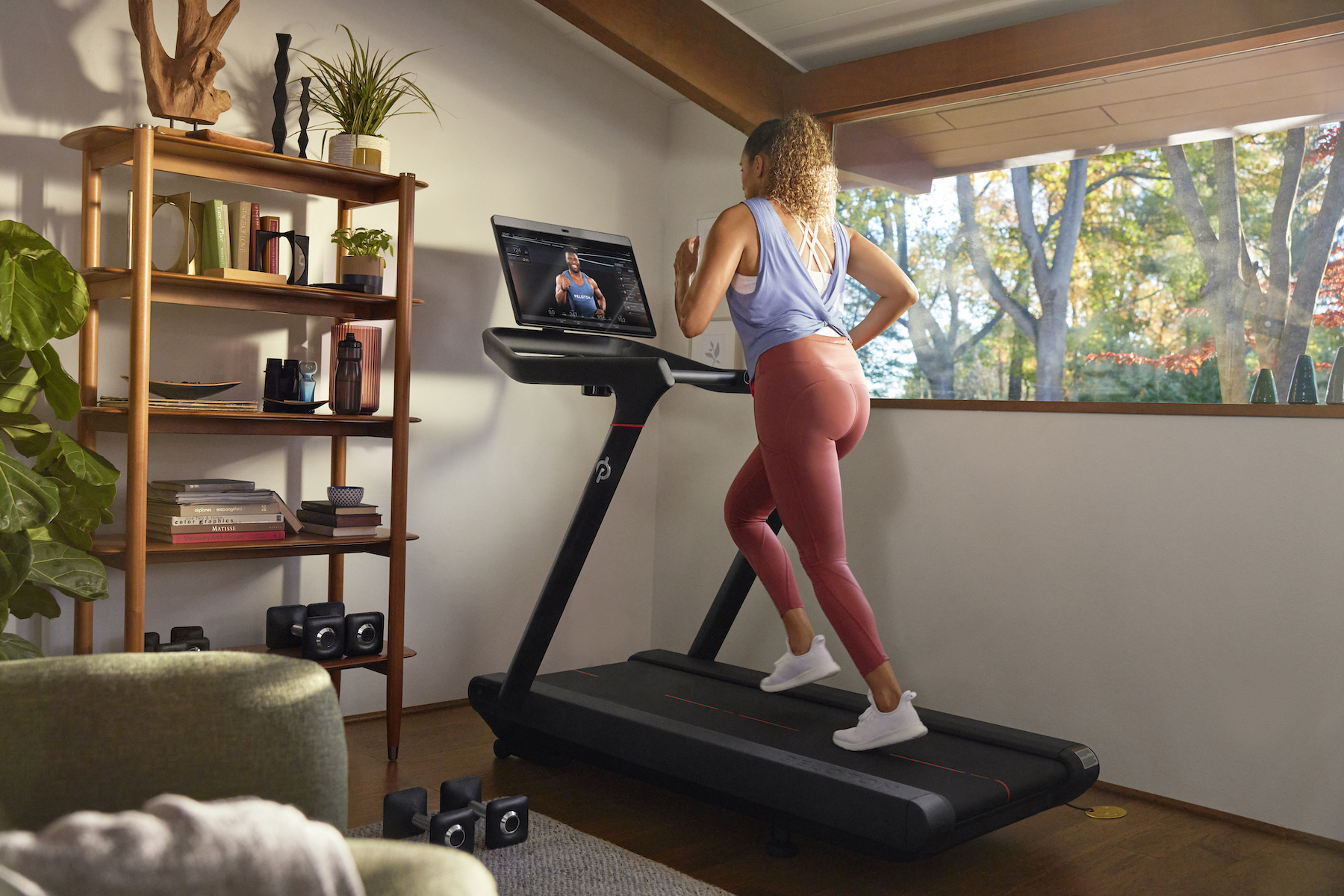
What incline should I run on a treadmill for different goals?
Your workout goal should guide the incline. A gentle incline works well for daily training, while a higher grade is better used in short blocks.
For weight loss
If your goal is weight loss, try a 1% to 5% incline at a pace you can hold with good form. The incline can raise your heart rate and energy use without forcing you to run much faster.
Weight loss depends mainly on your overall energy balance, food intake, sleep, and long-term activity. Incline running can help, but it is not a shortcut. A steady workout you can repeat is usually more useful than a very hard session that leaves you sore for several days.
For improving endurance
Use 0% to 2% for most easy and long runs. This range lets you build time on your feet without adding too much muscle fatigue.
Long runs should feel controlled. You should be able to speak in short sentences. If the incline makes your breathing hard too early, lower it or slow down.
For building leg strength
Use 3% to 8% incline for short running or walking intervals. A steeper grade increases the demand on your calves, glutes, and hamstrings.
Start with short periods, such as 30 to 90 seconds. Recover at 0% to 2% before repeating the hill. Strength work should support your running, not ruin the rest of your week.
For hill training
Try a structured hill workout:
- Warm up for 8 to 10 minutes at 0% to 1%.
- Run for 60 seconds at 4% to 6%.
- Recover for 90 seconds at 0% to 1%.
- Repeat 6 to 10 times.
- Cool down for 5 to 10 minutes.
More experienced runners may use 8% to 12% for short hill repeats. Keep the speed moderate. A steep incline paired with a fast speed can place too much stress on the calves and Achilles tendon.
For walking
Walking is a safe way to use incline training. Try 2% to 6% for a brisk walk, depending on your fitness.
For a stronger challenge, use 8% to 12% for short periods. Hold the speed steady and avoid leaning heavily on the handrails. If you must pull yourself forward, the incline or speed is too high.
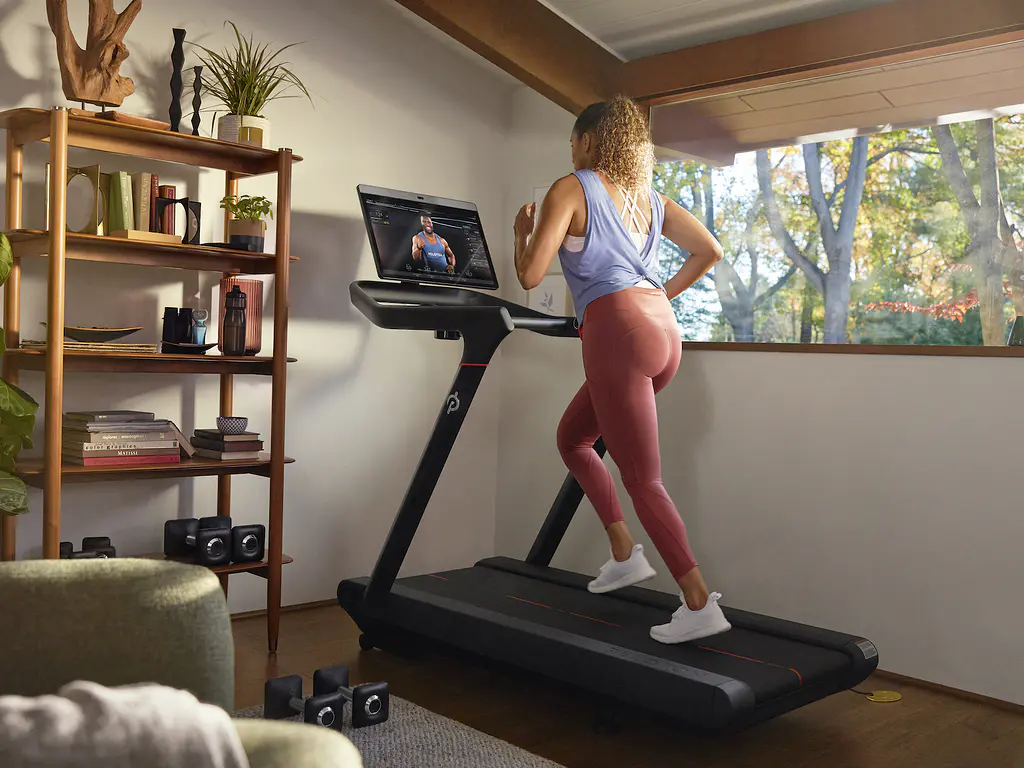
How do I choose the right treadmill incline?
Use effort, form, and purpose together. The number on the treadmill matters, but it is only one part of the workout.
Ask yourself these questions:
• Can I keep my posture tall?
• Can I land under my body without reaching too far?
• Can I keep my steps smooth?
• Can I breathe in a controlled way?
• Can I finish the planned interval without holding the rails?
If the answer is yes, the incline may be suitable. If your stride becomes short and strained, lower the incline or reduce the speed.
The talk test is also useful. During an easy run, you should be able to speak a few words without gasping. During a hard interval, speech can be difficult, but you should still feel in control.
Perceived effort can guide you:
• Easy effort: 3 to 4 out of 10
• Moderate effort: 5 to 6 out of 10
• Hard effort: 7 to 8 out of 10
• Near-max effort: 9 to 10 out of 10
Most treadmill running should not feel like a 9 or 10. Save that level for carefully planned, short efforts.
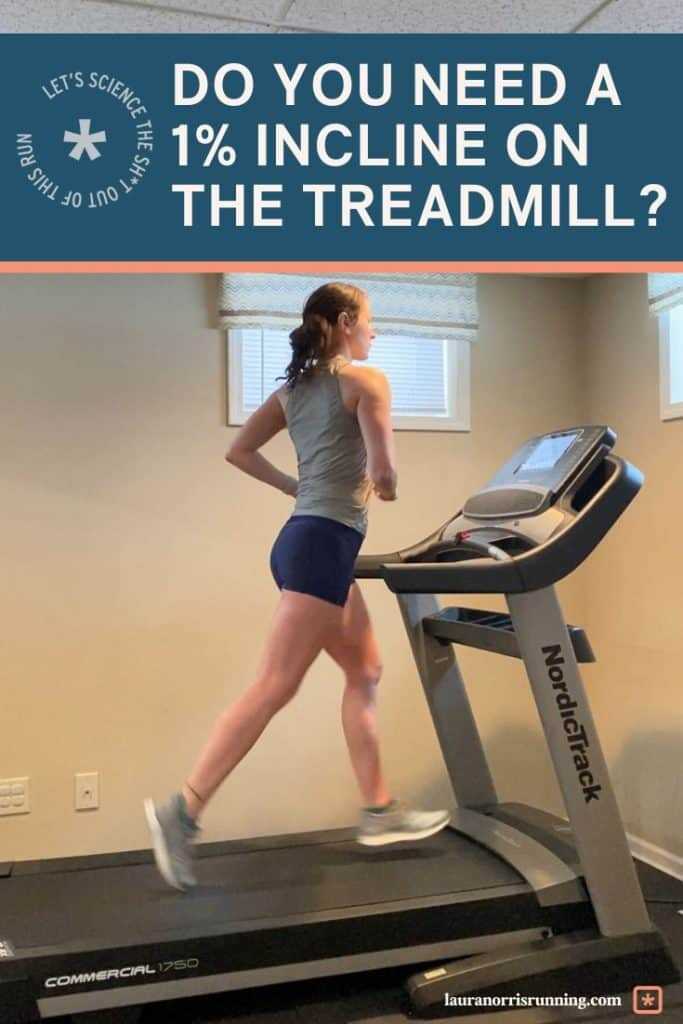
What incline should I run on a treadmill at different speeds?
Speed changes how an incline feels. A 3% incline at a slow walk is not equal to a 3% incline at a fast run.
Here are useful starting points:
Walking at 2 to 4 miles per hour
Use 0% to 5% for normal walking. For fitness walking, try 4% to 8% in short blocks.
Jogging at 4 to 6 miles per hour
Use 0% to 3% for easy jogging. If your heart rate rises quickly, lower the incline before increasing the speed.
Running at 6 to 8 miles per hour
Use about 1% for a steady run. For tempo work, stay between 0.5% and 2% unless you are intentionally training hills.
Fast running above 8 miles per hour
Use 0% to 1% for speed work. A high incline at this pace can sharply increase the load on your lower legs.
These ranges are broad because runners vary. A beginner may find 2% challenging, while a trained runner may need 5% to create the same effort. Your breathing and form are better guides than a fixed chart.
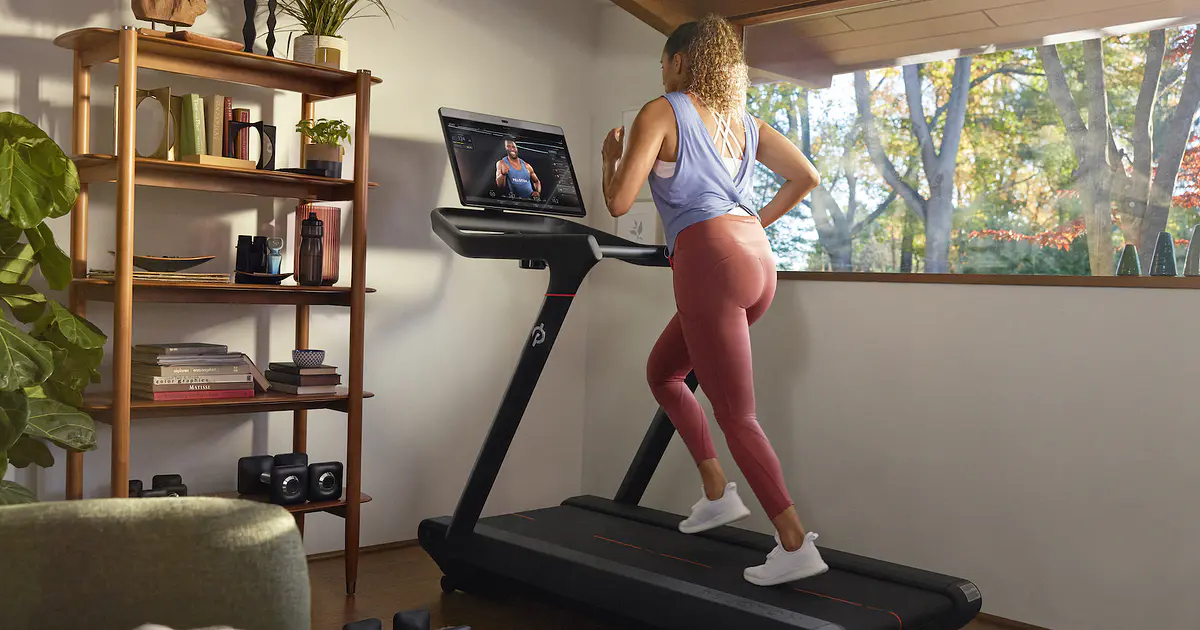
How does treadmill incline affect your body?
Running uphill changes the way your body produces force. You push more against the belt and raise your body upward with each step.
An incline usually increases work for the:
• Glutes
• Hamstrings
• Calves
• Hip muscles
• Heart and lungs
It can also reduce some impact compared with running faster on a flat treadmill. This is one reason runners sometimes use incline walking when they want a hard workout without a very high running speed.
The trade-off is greater muscle fatigue. A steep incline may stress the calves, feet, Achilles tendon, and lower back, especially if you lean too far forward or use poor shoes.
Incline training also changes your running form. Most runners naturally shorten their stride and increase their effort uphill. That is normal. Problems begin when you bend at the waist, grip the rails, or force a long stride.
Think of an incline as a hill in a road. You do not attack every hill at the same speed. You adjust your pace, stay relaxed, and keep moving.
Treadmill incline mistakes to avoid
Small errors can make an incline workout much harder than planned. Avoid these common problems.
Setting the incline too high
Many people choose 10% or 15% because it looks impressive. A high number does not guarantee a better workout. It may simply cause poor form and excessive soreness.
Start low. Add one or two percentage points only when your current setting feels controlled.
Keeping the same speed uphill
A hill changes the effort. You usually need to slow down as the incline rises. Trying to keep your flat-ground speed can turn a steady workout into a sprint.
Reduce speed first. Then decide whether the incline still matches your goal.
Holding the handrails
Holding the rails supports part of your body weight and changes the workout. It can also encourage you to lean back or twist your posture.
If you need the rails, lower the speed or incline. Use them for balance when stepping on or off, not as a way to avoid the challenge.
Leaning from the waist
Lean slightly from the ankles, not from the hips. Keep your chest open and your head in line with your spine.
A deep forward bend can strain your lower back and make breathing harder.
Using incline every day
Your calves and Achilles tendon need time to adapt. A steep incline every day may lead to soreness or overuse pain.
Use hard hills one or two times per week at first. Keep other sessions easy and flat.
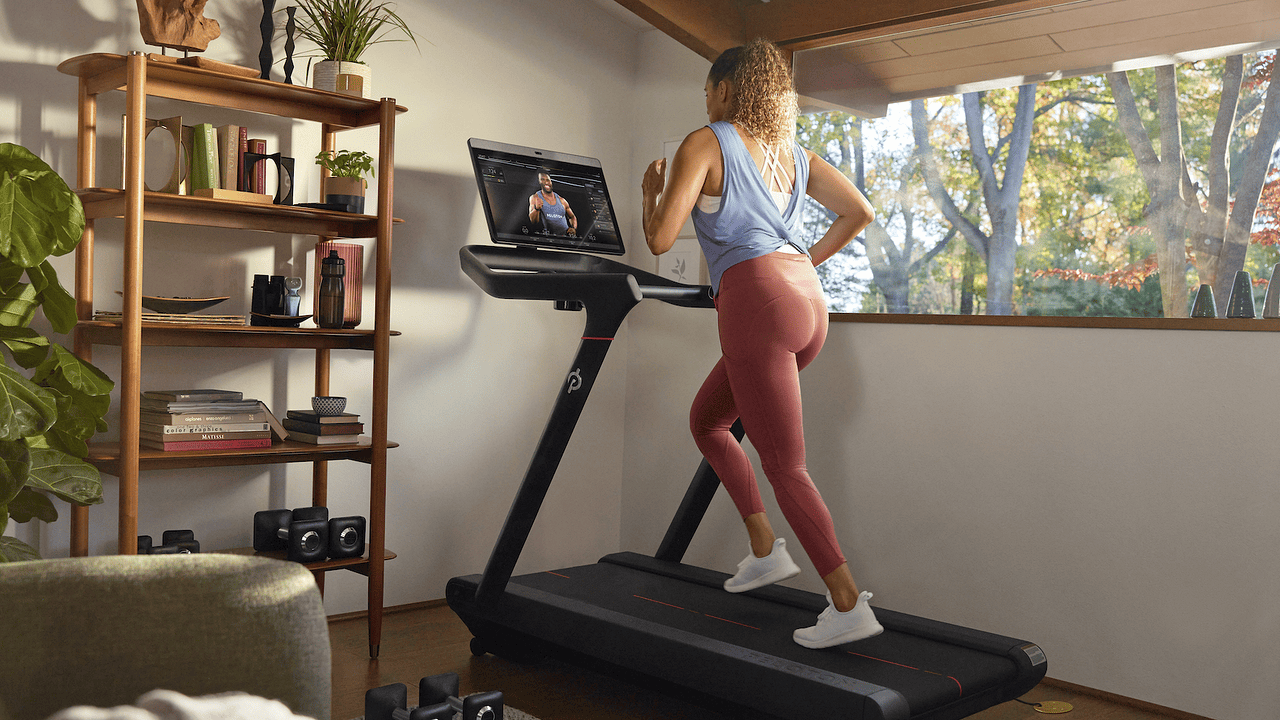
A safe treadmill incline progression
Your body adapts best when changes are gradual. Increase only one factor at a time: speed, incline, or workout length.
Try this four-week plan:
Week 1
Run or walk at 0% to 2% incline. Focus on relaxed form and steady breathing.
Week 2
Add two or three short intervals at 3% incline. Keep each interval under one minute.
Week 3
Use four to six intervals at 3% to 5% incline. Recover fully between efforts.
Week 4
Add either more time or a slightly higher incline. Do not increase both in the same workout.
A simple rule is to stop or adjust the workout if pain changes your stride. Muscle effort and normal fatigue are expected. Sharp pain, swelling, numbness, or pain that worsens with each step is not something to push through.
If you have heart disease, uncontrolled high blood pressure, a recent injury, or another medical condition, ask a health professional how to begin. The same advice applies if you are returning to exercise after a long break.
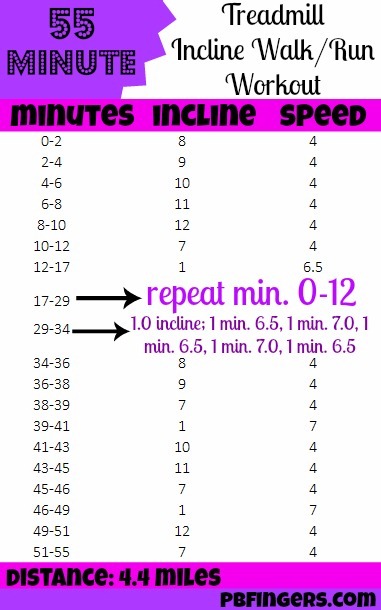
Sample treadmill incline workouts
The best answer to “what incline should I run on a treadmill” may change from one workout to the next. These examples show how to match incline with purpose.
Beginner incline walk
• Warm up for 5 minutes at 0% to 1%.
• Walk for 3 minutes at 2%.
• Walk for 2 minutes at 4%.
• Repeat 4 times.
• Cool down for 5 minutes at 0%.
Keep the speed comfortable. This workout should feel challenging but not punishing.
Easy incline run
• Warm up for 8 minutes at 0% to 1%.
• Run for 20 to 30 minutes at 1%.
• Cool down for 5 minutes at 0%.
Use a pace that allows short conversation. This is a good option for a regular training day.
Hill interval workout
• Warm up for 10 minutes at 1%.
• Run for 60 seconds at 5%.
• Recover for 2 minutes at 1%.
• Repeat 6 to 8 times.
• Cool down for 8 minutes at 0%.
Lower the speed if your form breaks down. The goal is strong, even effort rather than a dramatic treadmill display.
Short hill sprint workout
• Warm up for 12 minutes.
• Run for 20 to 30 seconds at 8% to 10%.
• Walk or jog for 90 seconds at 0%.
• Repeat 4 to 6 times.
This workout is for experienced runners. Beginners should build strength with walking hills before trying hard uphill sprints.
How to make treadmill incline running feel easier
Incline running can feel demanding at first. A few simple changes can help.
• Shorten your stride slightly.
• Keep your arms relaxed and drive them back.
• Look forward instead of down at the belt.
• Keep your shoulders away from your ears.
• Take calm, regular breaths.
• Slow down before lowering the incline.
• Warm up your calves and ankles before steep work.
Do not chase a pace that does not fit the incline. Running uphill is like walking up a staircase. You may move more slowly, but you are still doing meaningful work.
I have found that many runners enjoy incline sessions more when they stop treating them as a test of speed. The goal is not to make every minute harder. The goal is to create the right training effect with control.
Does treadmill incline replace outdoor hills?
Treadmill incline training can prepare you for hills, but it does not copy outdoor running perfectly. Outdoor routes include changes in grade, turns, wind, uneven surfaces, and downhill sections.
A treadmill mainly trains uphill movement. It does not give you much practice controlling your body while running downhill. If you are preparing for a hilly race, include outdoor runs when possible.
Incline training is still valuable. It lets you control the grade, repeat the same hill, and train in a safe indoor space. It is especially useful during bad weather, dark mornings, or periods when outdoor routes are not convenient.
Use the treadmill as one tool in your training plan. It does not need to replace every other form of running.
Frequently Asked Questions About What Incline Should I Run on a Treadmill
Is a 1% incline best for treadmill running?
A 1% incline is a useful starting point for steady treadmill running. It may make indoor effort feel closer to outdoor running at some speeds, but it is not required for every workout.
What incline should beginners use on a treadmill?
Beginners can start at 0% to 1% while they learn treadmill controls and running form. After several comfortable workouts, they can add short periods at 2% to 3%.
Is a higher incline better for weight loss?
A higher incline can increase workout intensity, but it is not automatically better for weight loss. The best incline is one you can use consistently while maintaining safe form and managing your overall nutrition.
What incline should I use for walking on a treadmill?
Most people can use 1% to 5% for brisk walking. A 6% to 12% incline can work for short hill intervals if you do not hold the handrails and your joints feel comfortable.
Should I run slower when using a treadmill incline?
Usually, yes. Incline raises the effort, so lowering your speed can help you keep a steady workout and good form. Let your breathing and stride guide the adjustment.
Can treadmill incline hurt your knees?
Incline walking or running is not harmful for most healthy people when used gradually. However, a steep grade can worsen knee symptoms in some people, so reduce the incline and seek medical advice if pain persists.
How often should I do incline treadmill workouts?
Most beginners should start with one incline workout per week. Experienced runners may use one or two harder hill sessions, with easy days between them for recovery.
Conclusion
The best answer to “what incline should I run on a treadmill” is usually 1% for steady running, 0% to 2% for easy work, and 3% to 8% for controlled hill training. Higher inclines can build strength, but they also create more fatigue and require careful form.
Start with a low grade, adjust your speed, and increase the challenge slowly. Keep your posture tall, avoid the handrails, and stop if pain changes your stride. Try one of the workouts above during your next treadmill session, then track how your breathing, legs, and recovery respond.

Brandon Knoxley is a sport & fitness writer and training guide contributor at MySportFitHub. He focuses on practical workouts, performance-based training, and honest fitness gear insights designed for real people and real results. Brandon is passionate about helping beginners and active individuals train smarter, avoid common mistakes, and build sustainable fitness habits.