
How to Fix Muscle Soreness After First Workout: Quick Relief Tips
You just finished your first workout, and now your muscles are screaming in pain. That ache and stiffness can make you wonder if starting was worth it.
But here’s the good news: muscle soreness after exercise is normal, and there are simple ways to ease the discomfort fast. If you want to get back on track without letting soreness hold you back, keep reading. This guide will show you exactly how to fix muscle soreness after your first workout — so you can feel better, recover quicker, and stay motivated to keep moving.
Causes Of Muscle Soreness
Muscle soreness after a first workout is common and normal. It happens because your muscles are adjusting to new activity. Understanding the causes helps you manage soreness better. This way, you can recover faster and feel better for your next workout.
Muscle soreness can feel uncomfortable but shows your muscles are healing and growing stronger. Knowing what triggers this soreness can prevent surprise pain after exercise.
Delayed Onset Muscle Soreness Explained
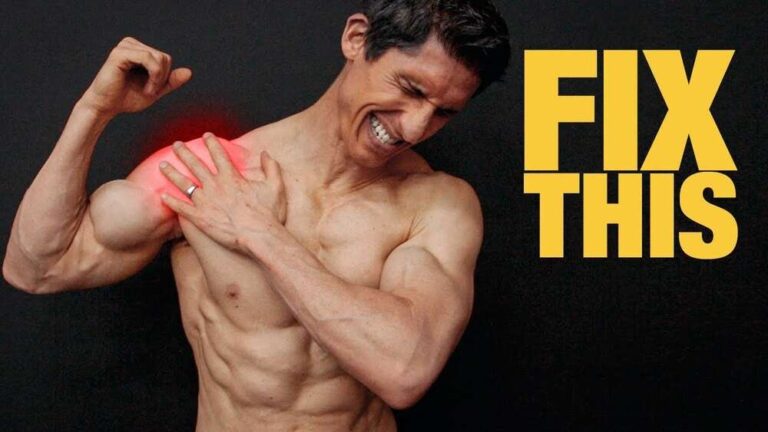
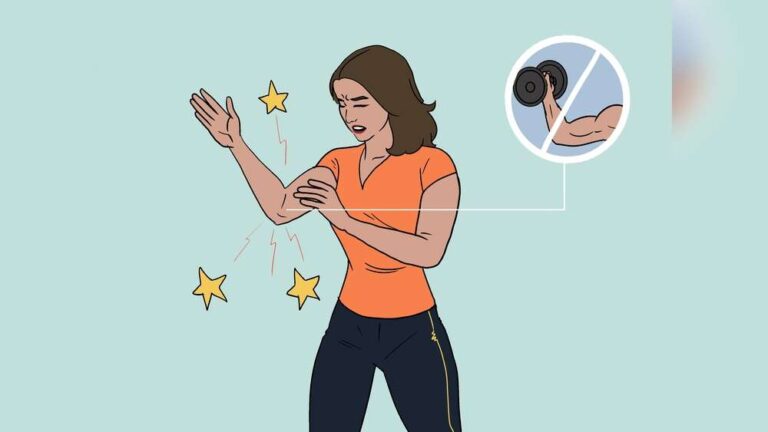
Delayed onset muscle soreness, or DOMS, happens 12 to 24 hours after exercise. It peaks around 24 to 72 hours. This soreness comes from tiny tears in muscle fibers. Your body repairs these tears, making muscles stronger. The repair process causes swelling and pain. DOMS is a sign your muscles are adapting to new stress.
Common Triggers In First Workouts
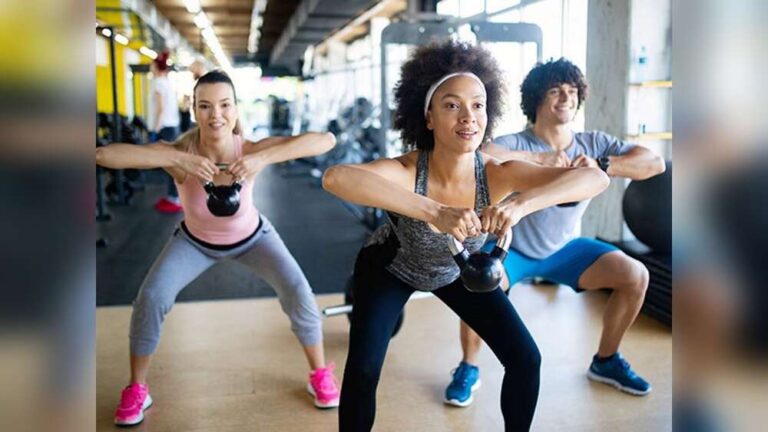
New exercises or higher intensity cause muscle soreness. Movements your body is not used to create more muscle damage. Lengthening muscles during exercise, like lowering weights slowly, often causes soreness. Overusing muscles without rest also leads to soreness. Lack of warm-up or cool-down makes soreness worse.
Credit: www.goodrx.com
Effective Recovery Methods
Muscle soreness after your first workout is normal. Using effective recovery methods helps reduce pain and speeds healing. Proper recovery allows you to get back to training faster. Focus on simple steps that support your body’s repair process.
Rest And Active Recovery
Rest is essential to let muscles heal. Avoid intense workouts for a day or two. Light activities like walking or gentle cycling boost blood flow. This helps remove waste and brings nutrients to sore muscles. Balance rest with mild movement for best results.
Stretching Techniques
Stretching reduces tightness and improves flexibility. Use slow, gentle stretches targeting sore areas. Hold each stretch for 20 to 30 seconds. Avoid bouncing or forcing the stretch. Stretching helps muscles relax and lowers stiffness after exercise.
Hydration Importance
Drinking water aids muscle recovery. Fluids flush out toxins and prevent cramps. Aim to drink water before, during, and after exercise. Staying hydrated keeps muscles working properly. It also reduces soreness and speeds healing.
Home Remedies For Relief
Muscle soreness after your first workout is normal. It shows your muscles are working hard and healing. Many home remedies can help ease the pain. These methods are simple and safe. They reduce discomfort and help you move better. Try these easy solutions for quick relief.
Ice And Heat Therapy
Use ice packs on sore muscles during the first 24 hours. Ice lowers swelling and numbs pain. Apply ice for 15 minutes, then remove for 15 minutes. After a day, switch to heat therapy. Heat relaxes tight muscles and improves blood flow. Use a warm towel or heating pad for 15 minutes. Alternate between ice and heat for best results.
Over-the-counter Pain Relief
Take painkillers like ibuprofen or acetaminophen to reduce soreness. These medicines help lower inflammation and pain. Follow the dosage instructions on the package. Do not take more than recommended. Use this method only for short periods to avoid side effects. Always check with a doctor if unsure.
Massage Benefits
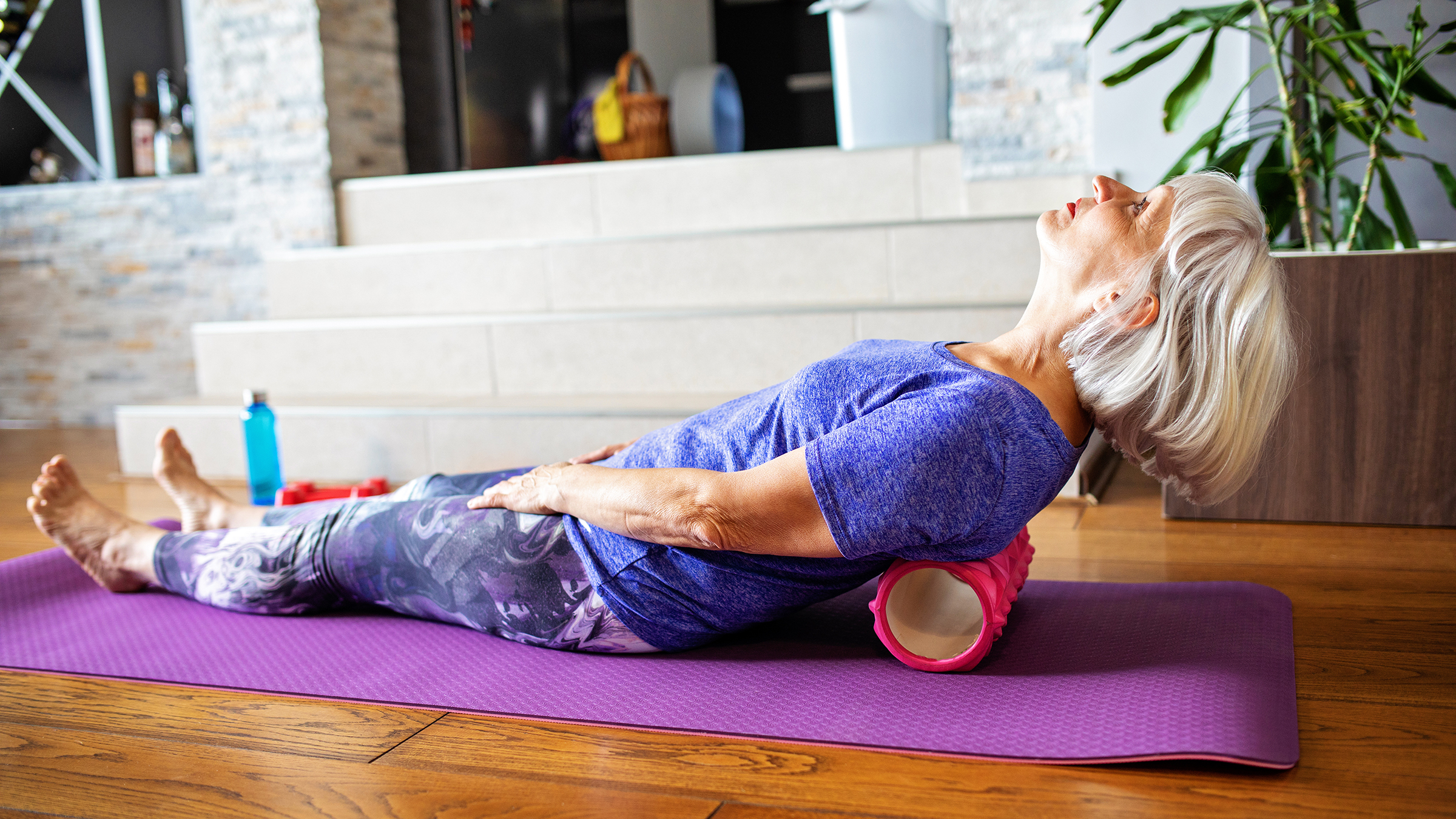
Massage helps muscles relax and recover faster. It improves blood circulation and reduces stiffness. You can use a foam roller or get a gentle massage. Focus on sore areas but avoid pressing too hard. Massage can also reduce stress and improve sleep. Regular massage supports muscle healing after workouts.

Credit: www.everydayhealth.com
Nutrition Tips To Ease Soreness
Muscle soreness after your first workout is common and can be eased with the right nutrition. Eating the right foods helps reduce inflammation and speeds up recovery. Simple changes in your diet can make a big difference in how you feel the next day.
Foods That Reduce Inflammation
Certain foods help calm your muscles and lower swelling. Fruits like berries and oranges are rich in vitamin C, which supports healing. Leafy greens such as spinach and kale contain antioxidants that fight inflammation. Nuts and seeds provide healthy fats that aid recovery. Eating fish like salmon gives your body omega-3 fatty acids, known to reduce muscle pain.
Supplements To Consider
Some supplements may help ease soreness after exercise. Omega-3 capsules can reduce muscle inflammation. Magnesium supports muscle function and may prevent cramps. Turmeric contains curcumin, a natural anti-inflammatory compound. Protein powders help repair muscles faster by supplying essential amino acids. Always check with a healthcare provider before starting any supplement.
Preventing Future Muscle Soreness
Muscle soreness after a workout can be uncomfortable. It often happens after the first session or a new exercise. Preventing future muscle soreness helps keep your workouts enjoyable. It supports steady progress without pain holding you back. Small changes in your routine can make a big difference. Focus on warming up, workout intensity, and cooling down to reduce soreness.
Proper Warm-up Routines
Warming up prepares your muscles for exercise. It increases blood flow and improves flexibility. Start with light cardio like walking or jogging for 5 to 10 minutes. Follow with dynamic stretches targeting the muscles you will use. This helps reduce muscle stiffness and lowers injury risk. A good warm-up makes your workout feel easier and reduces soreness after.
Gradual Workout Intensity
Increase your workout intensity slowly. Start with lighter weights or fewer repetitions. Gradual progress allows your muscles to adapt and grow stronger. Avoid jumping into heavy workouts too soon. Sudden strain causes more soreness and possible injury. Aim for small improvements each session. Patience helps build endurance and reduces muscle pain.
Cool-down Practices
Cooling down helps your body recover after exercise. Spend 5 to 10 minutes doing low-intensity movements. Walking or gentle cycling works well. Add static stretches focused on the muscles used in your workout. This helps relax tight muscles and improves flexibility. Cooling down lowers muscle stiffness and aids faster recovery. It supports your muscles to feel better sooner.
Credit: www.omnigel.com
Frequently Asked Questions
How Long Does Muscle Soreness Last After First Workout?
Muscle soreness usually lasts 24 to 72 hours after your first workout. It gradually fades as your muscles recover and adapt to exercise. Proper rest and care can speed up healing and reduce discomfort.
What Are The Best Remedies For Muscle Soreness?
Effective remedies include gentle stretching, hydration, and applying ice or heat. Over-the-counter pain relievers and massage can also help reduce soreness. Avoid intense exercise until soreness subsides to prevent injury.
Can Hydration Reduce Muscle Soreness After Exercise?
Yes, staying hydrated helps flush out toxins and supports muscle repair. Drinking water before, during, and after workouts can minimize soreness and improve recovery. Proper hydration is essential for overall muscle health.
Should I Exercise If I Have Muscle Soreness?
Light activity like walking or gentle stretching can help ease soreness. Avoid heavy or intense workouts until the pain lessens. Rest allows muscles to heal and prevents further damage.
Conclusion
Muscle soreness after your first workout is normal and will pass. Rest and gentle movement help your body heal. Drinking water and stretching ease tight muscles. Eating healthy foods supports muscle repair and energy. Listen to your body and avoid overdoing it.
Soon, your muscles will feel stronger and less sore. Keep going with care, and enjoy your fitness journey.

Brandon Knoxley is a sport & fitness writer and training guide contributor at MySportFitHub. He focuses on practical workouts, performance-based training, and honest fitness gear insights designed for real people and real results. Brandon is passionate about helping beginners and active individuals train smarter, avoid common mistakes, and build sustainable fitness habits.