Best Treadmill For Walking Backwards: Top Picks
The best treadmill for walking backwards is stable, low-speed, wide, and easy to control from every angle.
Many people want to walk backwards for balance work, knee support, sports drills, or simple variety. Yet most treadmills are made for forward walking, not reverse movement. I look for a low starting speed, a firm deck, a strong handrail, and an easy stop button. These features help turn a risky idea into a calm, controlled workout. The models below are useful for home walking, but always check whether reverse use is allowed by the manual and start slowly with support nearby.
Walking Pad Treadmill for Home

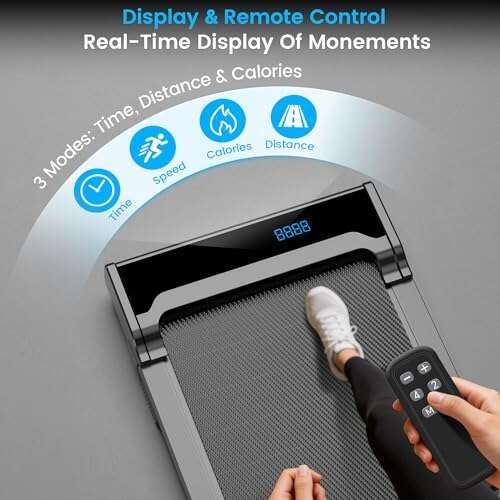
This slim walking pad is a practical pick for home offices, bedrooms, and small workout spaces. Its listed speed range starts at 0.6 MPH and reaches 4.0 MPH, which gives beginners a gentle pace to test. That low starting speed matters when you are learning how to walk backwards. The compact frame also makes it easier to store under a bed or desk after use.
I like this design for users who want a simple belt without a large gym frame. The remote control can help with speed changes, though I would keep it in hand only when it does not distract from balance. The 265-pound listed weight capacity suits many home users, but a firm, level floor remains important. For reverse walking, use a nearby wall or stable rail because this model does not appear to offer a full front handlebar.
Pros:
- Low 0.6 MPH starting speed for careful practice
- Slim shape fits under desks and beds
- Remote control makes basic speed changes simple
- Listed 265-pound maximum user weight
- Useful for walking, light exercise, and office movement
- Small footprint suits apartments and compact rooms
Cons:
- No full handlebar for added reverse-walking support
- Remote control may be awkward during balance drills
- Not the best choice for fast running or advanced training
My Recommendation
This model is best for a light, compact home treadmill that starts slowly. It can suit an experienced user who already has good balance and wants short reverse-walking drills near a wall. I would not make it my first choice for someone who feels unsteady, has poor balance, or needs a firm handrail. Still, it offers good value when storage space and a low entry speed matter most. Availability and current pricing can change, so check the Amazon listing before ordering.
ICYLOOT Walking Pad With Incline

The ICYLOOT walking pad adds two features I value for steady home training: an incline function and a handlebar. The handlebar gives you a place to lightly touch while you learn the belt and build confidence. Its compact form should work well in a home office or small fitness room. An incline can add effort during forward walking, but I recommend using level ground first for reverse movement.
This is a more supportive design than a handle-free walking pad. The bar may also make it easier to step on, pause, and regain your posture. However, a handlebar does not make backward walking risk-free, and I would avoid leaning heavily on it. Confirm the exact speed range, incline settings, and reverse-use instructions in the current manual before buying.
Pros:
- Handlebar offers useful support for cautious users
- Incline feature adds workout variety
- Compact size works in smaller homes
- Good fit for walking and light daily cardio
- More confidence-inspiring than a bare walking pad
- Useful for users who want one machine for several routines
Cons:
- Incline should not be the first setting for reverse walking
- Compact decks may feel short for taller users
- Handlebars can limit easy access from the rear
My Recommendation
I recommend the ICYLOOT to users who want extra support and more training options in a small treadmill. It may be a good fit for careful balance work, provided you use a very slow pace and follow the maker’s instructions. The handlebar is its main advantage for reverse practice. In my view, it is a stronger candidate for the best treadmill for walking backwards than a flat, handle-free pad, but safety and fit still come first.
Foldable Walking Pad With Handlebar
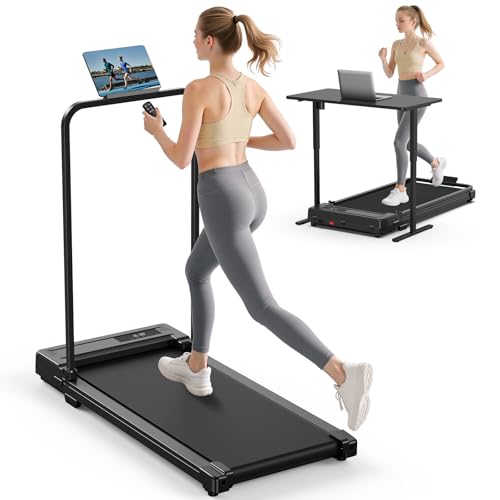
This foldable walking pad focuses on easy storage without giving up a handlebar. That combination makes sense for people who need to clear a room after each workout. The compact frame can be useful under a desk, in a guest room, or in a small apartment. A handlebar also gives you a clear contact point when you practice slow steps in the reverse direction.
The fold-up design is especially helpful when floor space is limited. I would check that the frame locks fully before every session and place it on a level, dry surface. For backward walking, keep the speed very low and avoid turning your head for long periods. If you need a longer deck, a full-size treadmill may feel safer than this compact format.
Pros:
- Foldable frame makes storage easier
- Handlebar supports controlled balance practice
- Compact design suits apartments and small rooms
- Useful for walking, light jogging, and daily steps
- Simple design may feel less intimidating to beginners
- Good choice for users who must move the machine often
Cons:
- Shorter deck may not suit users with a long stride
- Folding parts need regular inspection and care
- Not ideal for high-speed running or long athletic sessions
My Recommendation
This is a smart option for a space-conscious buyer who wants a handlebar and easy storage. It can serve as a home walking machine and a cautious tool for reverse drills. I especially like it for users who do not want a permanent treadmill in the living room. It is not my pick for tall athletes or high-speed work, but it offers strong everyday value when portability matters.
Sunny Reverse Walking Resistance Attachment

This product is different from the other options because it is an attachment, not a complete treadmill. It is listed as compatible with the Sunny SF-T1407M manual incline treadmill. Its purpose is to add resistance for reverse walking and related drills. That makes it one of the most directly focused products for people searching for the best treadmill for walking backwards.
The manual design can offer a more controlled pace because your own leg drive moves the belt. It also avoids relying on motor speed during a reverse resistance exercise. Compatibility is critical, so I would not buy it unless your treadmill matches the listed model and the maker confirms a proper fit. Users with joint pain, balance concerns, or recent injury should ask a qualified health professional before adding resistance.
Pros:
- Designed specifically for reverse walking resistance
- Manual format gives the user direct pace control
- Can add variety to a basic treadmill workout
- May support sport drills and controlled leg work
- Does not require buying a second complete treadmill
- Focused design suits experienced users
Cons:
- Only suitable for compatible Sunny treadmill models
- Requires more effort than ordinary motorized walking
- Not the best starting point for beginners
- Attachment setup may take extra time and care
My Recommendation
I recommend this attachment to experienced users who already own the correct Sunny manual treadmill. It is the most specialized option here for reverse resistance training. I would not recommend it as a first purchase for a beginner because the added resistance can make balance and joint control harder. When the fit is correct, it may provide better reverse-specific training than a standard motorized walking pad. Always read the instructions and stop if you feel pain or lose control.
LONTEK 15% Incline Walking Pad
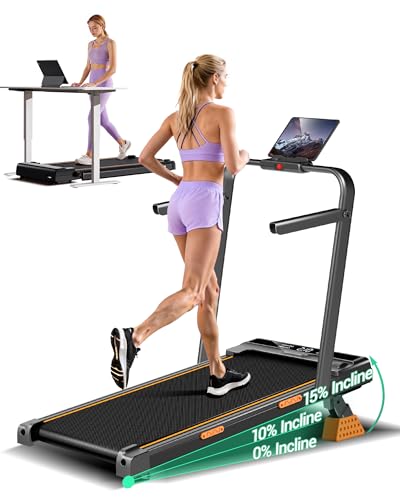
The LONTEK walking pad stands out with a listed 15% incline and a handlebar. That incline can make forward walking feel much harder without requiring a high speed. It also gives users a way to vary their normal cardio routine at home. For reverse walking, however, I would keep the deck flat until I could step smoothly and safely.
The handlebar gives this model an edge for users who want a more traditional treadmill feel in a smaller frame. Incline walking can challenge the calves and thighs, so it is useful for short, focused sessions. I would inspect the belt, rail, and incline position before every workout. A strong incline feature does not automatically mean the machine supports reverse motor operation, so confirm that point with the manual.
Pros:
- Listed 15% incline adds useful training range
- Handlebar supports cautious walking sessions
- Compact format suits home use
- Good for building forward walking strength
- Can provide a varied workout without running fast
- Useful for users who enjoy hill-style exercise
Cons:
- High incline is not suitable for first reverse sessions
- Reverse operation may not be supported by the motor
- Incline hardware can add weight and setup complexity
My Recommendation
The LONTEK is best for users who want a compact treadmill with a strong incline feature and a support bar. It is more of a versatile walking machine than a dedicated reverse trainer. I would choose it for forward walking, then add very slow reverse drills only if the instructions allow them. For a buyer who wants one machine for hills, daily steps, and balance practice, it offers a useful mix of features.
Under Desk Treadmill With Incline

This under-desk treadmill combines a portable walking pad shape with an incline and handlebar. It targets people who want movement during work, study, or home tasks. The handlebar makes it more useful for deliberate walking than many desk-only pads. Still, I would remove the desk and focus fully on your feet before attempting any backward steps.
An under-desk machine can help reduce long periods of sitting, but reverse walking needs full attention. The incline should remain off at first because it changes posture and increases demand on the legs. I also suggest using a nearby side rail or wall, even when the treadmill has a front bar. This model may be a good middle ground for buyers who want portability, light incline work, and occasional balance drills.
Pros:
- Incline function adds more than flat walking
- Handlebar gives extra confidence during slow movement
- Portable design fits home office use
- Useful for daily steps and light cardio
- Can serve as an under-desk or standalone treadmill
- Good option for users with limited floor space
Cons:
- Multitasking is unsafe during backward walking
- Incline may make reverse movement too demanding
- Portable decks may feel less spacious than gym treadmills
My Recommendation
I recommend this model for an office worker who wants a compact treadmill with more support than a basic walking pad. It is best for forward walking during work and separate, slow balance practice when the desk is removed. The handlebar and incline give it broader use than a flat pad. If your main goal is the best treadmill for walking backwards, choose it only after confirming speed control, deck size, and reverse-use guidance.
SUOUER Portable Walking Pad

The SUOUER portable walking pad offers a handlebar and incline in a small home treadmill format. It is aimed at users who want more support and variety than a simple under-desk belt. The handlebar can help you keep your body centered while learning slow foot placement. Its portable design also makes it easier to move between rooms.
I see this as a flexible choice for light home fitness. Use the incline for forward walking after you feel comfortable with the controls. For reverse work, begin at the lowest available speed on a flat deck and keep your hands close to the bar without pulling on it. Check the user manual for the approved direction of belt travel because many motorized treadmills are not designed to run in reverse.
Pros:
- Handlebar gives useful support for beginners
- Incline adds training variety
- Portable frame suits small homes
- Useful for walking and gentle cardio
- Can replace several basic home walking routines
- Easy fit for users who need a movable machine
Cons:
- Reverse use may not be officially supported
- Small deck can challenge users with long strides
- Incline training may increase joint and calf stress
My Recommendation
SUOUER is best for a home user who wants a portable treadmill with a bar and incline. It may work well for forward walking, gentle hill sessions, and carefully supervised balance work. I like its broad feature set, but I would not treat it as a dedicated reverse treadmill without written confirmation from the seller. Its value is strongest for buyers who want several low-impact modes in one compact machine.
MCRG Walking Pad With Incline

The MCRG walking pad is built around the features most home users want: a portable frame, an incline, and a handlebar. This setup gives you more control than a very thin walking pad. It may also feel less stark for people who prefer a clear place to hold during a new exercise. I would use the flat setting for reverse walking and save incline work for normal forward sessions.
Its compact design can fit a bedroom, basement, or home office without taking over the room. A handlebar is helpful, but it should not replace good lighting, clear floor space, and a slow start. I would test the emergency stop system before using the belt and keep children and pets away. Like the other motorized models here, confirm whether the maker permits backward operation.
Pros:
- Handlebar supports steady, controlled movement
- Incline offers a wider range of forward workouts
- Portable shape works in small rooms
- Good for daily walking goals
- More supportive than a bare under-desk pad
- Easy choice for light home cardio
Cons:
- May not have a true reverse motor mode
- Compact belt may limit longer steps
- Incline is not ideal for users new to reverse walking
My Recommendation
I would point MCRG toward users who want a small treadmill with a traditional support bar. It is a reasonable choice for forward walking, low-impact exercise, and cautious balance training. The strongest benefit is the mix of size, incline, and support. If you are comparing options for the best treadmill for walking backwards, this model deserves attention, but only after you verify its reverse-use rules.
Green Foldable Treadmill With Incline
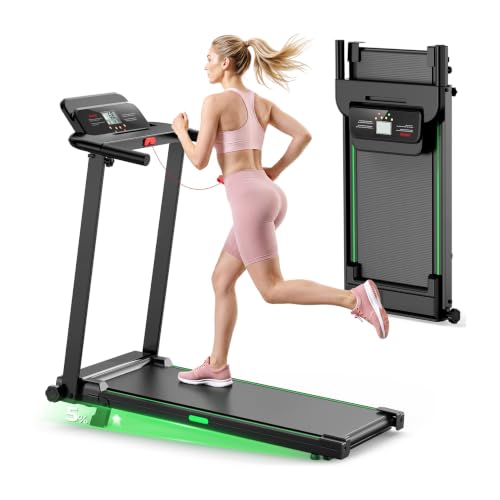
This green foldable treadmill lists a speed range of 0.6 to 6.2 MPH. That range covers slow walking, brisk walking, and light running for users who want more than a walking pad. The folding frame can help free floor space after a session. Its incline feature adds challenge, but I would keep it at zero while learning to walk backwards.
The wider speed range makes this model more versatile for a household with different users. Someone may use it for daily steps while another person uses it for a short jog. For reverse walking, do not begin near the top of the speed range. I recommend checking the belt length, handrail height, emergency key, and approved operating direction before purchase.
Pros:
- 0.6 MPH low speed supports a gentle start
- 6.2 MPH top speed adds running flexibility
- Foldable design helps with storage
- Incline gives forward workouts more challenge
- Useful for several users in one home
- More versatile than a desk-only walking pad
Cons:
- Higher speed does not mean safer reverse use
- Folding frames require careful locking before exercise
- Incline and running parts may increase machine weight
My Recommendation
This treadmill is best for a household that wants one compact machine for walking, brisk exercise, and light running. It is a better all-purpose choice than a basic pad, especially when several people will use it. I would consider reverse walking a small, supervised part of its use rather than its main purpose. For buyers seeking the best treadmill for walking backwards and regular forward workouts, it offers a useful balance of speed, folding storage, and incline.
Foldable 6.2 MPH Walking Pad

This foldable treadmill combines a compact frame with a listed speed range of 0.6 to 6.2 MPH. It includes a handlebar, which is helpful when you want more control than a flat walking pad can provide. The quiet, lightweight design should suit home offices and bedrooms. Its foldable shape also helps users who need to store the machine after each workout.
The low speed is the feature I would focus on for backward drills. Start at the lowest setting, stand tall, and use only a few steps at first. The handlebar can act like a steady branch while you learn, but do not pull your body forward with it. Because the listing emphasizes forward walking and running, confirm reverse compatibility before treating this as a reverse treadmill.
Pros:
- Low 0.6 MPH starting speed suits careful practice
- 6.2 MPH top speed supports brisk walking and light running
- Handlebar offers added balance support
- Foldable design saves room
- Lightweight build is easier to move than a large treadmill
- Quiet operation fits shared living spaces
Cons:
- Reverse mode may not be included
- Lightweight frames can move on poor flooring
- Small decks may feel tight for taller users
My Recommendation
I recommend this model for buyers who want a portable treadmill with a broad speed range and a handlebar. It is especially useful when storage and noise matter as much as exercise variety. It can support very slow, supervised reverse steps if the manual permits them. Overall, it is a sensible value pick for home users, though a dedicated manual reverse attachment remains more specific for resistance training.
Best For Comparison
| Best for | Why |
|---|---|
| Small rooms and office use | The slim walking pads store easily and support daily low-speed walking. |
| Balance support and variety | Models with a handlebar and flat starting setting offer better control. |
| Dedicated reverse resistance | The compatible Sunny attachment is designed for controlled backward resistance work. |
How I Choose the Best Treadmill for Walking Backwards
Reverse walking changes the way you use a treadmill. You cannot watch the belt and your feet in the same way. Your normal visual cues disappear, and your stride becomes less natural. That is why I rank control and stability above top speed.
Low Starting Speed
A treadmill that starts at 0.6 MPH gives you room to learn. Even a slow belt can feel quick when you face away from the console. I prefer the lowest setting for the first sessions. You can raise speed later if your form stays calm.
Stable Frame
A light walking pad can slide if it sits on a smooth floor. Place the unit on a flat surface and check that it does not rock. A heavier frame often feels more planted, but weight alone does not prove quality. Look for solid feet, a firm rail, and a belt that tracks straight.
Useful Handrail
A handlebar can give you a safe contact point. It should not become a crutch that makes you lean or twist. I use a light touch rather than a tight grip. A rail also helps when stepping on, stepping off, or stopping the belt.
Emergency Stop
An emergency key or stop button is important for any treadmill. It matters even more when you cannot see the front display. Learn where the control sits before the belt moves. Keep the safety clip attached when the machine provides one.
Deck Size
A short belt may limit your stride. This issue becomes more noticeable when walking backwards because you may place your foot less accurately. Taller users should measure the usable belt area. Leave clear space behind the machine, too.
Reverse Compatibility
Do not assume that a motorized treadmill can run in reverse. Many models move in one direction only. Others may allow reverse use only under certain conditions, or they may void the warranty if used that way. Read the manual and ask the manufacturer when the listing is not clear.
Is Backward Walking on a Treadmill Safe?
Backward walking can be safe when you use a slow pace, clear space, and proper support. It is not safe to jump on and start at a normal forward speed. A fall can happen quickly because your eyes do not track the belt well. I suggest beginning with simple steps on the floor before using a moving belt.
Hold a stable rail when needed, but avoid hanging your full weight on it. Keep your body upright and take short steps. Stop at once if you feel knee pain, dizziness, sharp pain, or loss of balance. People with recent surgery, serious joint problems, nerve issues, or a high fall risk should get medical advice first.
Some physical therapy programs use backward walking as part of a planned exercise routine. That does not mean every user should copy the routine alone. A therapist can adjust speed, distance, support, and surface. The best treadmill for walking backwards is only one part of a safe plan.
How to Walk Backwards on a Treadmill
- Place the treadmill on a level surface with clear space around it.
- Check the belt, rail, safety key, and stop controls.
- Stand on the side rails before starting the belt.
- Set the speed to the lowest approved setting.
- Hold the bar lightly and face the safe direction required by the manual.
- Take short steps and keep your chest tall.
- Practice for 30 to 60 seconds, then stop and rest.
- Increase time before increasing speed.
I would not use headphones during early sessions. Sound can hide belt noise or a warning from another person. I also keep the room bright and remove rugs, cords, and pets from the area. These small steps can make the workout feel less like a tightrope.
Common Mistakes to Avoid
The most common mistake is choosing a treadmill only because it has a high top speed. Reverse walking rarely needs speed. A low, steady pace is more useful than a fast motor. Another mistake is using incline too soon, which can change your balance and put more stress on the lower legs.
Some users look over one shoulder for the whole workout. That can twist the spine and make foot placement worse. Keep your head in a neutral position when possible. If you need to know where you are, stop the machine instead of turning while the belt moves.
Do not rely on a phone remote while your balance is still developing. A remote can help with speed changes, but it can also become a distraction. Use the main controls or have a trained person nearby. The safest routine is simple, slow, and easy to stop.
Motorized Treadmill vs. Manual Treadmill for Reverse Walking
A motorized treadmill moves the belt at a set pace. That can give you a smooth rhythm, but it may keep moving even when your steps become uncertain. You must know how to stop it quickly. Motorized units are often better for ordinary forward walking and daily cardio.
A manual treadmill responds to your movement. It may feel more natural for resistance work and short reverse drills. However, it can demand more effort from the legs and may not feel easy for beginners. The Sunny-compatible attachment in this guide is the most specialized option, but it requires the correct treadmill.
Neither type is automatically best for everyone. A therapist may prefer one setup for a particular goal. A home user may prefer a motorized walking pad for convenience. Match the machine to your skill, space, and intended workout instead of chasing one feature.
Who Should Consider Backward Walking?
Athletes sometimes use backward movement to add variety to footwork drills. Active adults may enjoy it as a new coordination challenge. Some people also use it in structured rehabilitation programs. In each case, the exercise should match the person’s ability.
Backward walking is not a cure for knee pain or a replacement for medical care. It may work certain muscles in a different way, but results depend on the person and the routine. Start with a short period and track how your body responds. A mild muscle challenge can be normal, while sharp joint pain is not.
What Speed Should You Use?
For a first treadmill session, use the lowest speed the machine allows. For many walking pads, that may be around 0.6 MPH. Some users may need to begin with the belt stopped and practice stepping on the side rails. Once moving, use short sessions and keep a support point nearby.
Do not compare reverse speed with your normal walking speed. A pace that feels slow forward can feel demanding backward. Form matters more than distance. If you cannot keep your steps quiet and controlled, lower the speed or stop.
Maintenance Tips for Walking Pads
Check the belt before each session. It should sit in the center and move without rubbing the side rails. Wipe dust from the deck and follow the maker’s lubrication schedule. A dry or poorly aligned belt can make the movement rough and harder to control.
Inspect the power cord, safety key, and handlebar bolts. Tighten loose parts before use. Store the treadmill on a dry floor and keep it away from children. Good care protects the machine and helps keep each step smooth.
FAQs Of best treadmill for walking backwards
Can I use any treadmill to walk backwards?
No. Many treadmills are designed for forward belt movement only. Read the manual and ask the manufacturer before trying reverse operation. A compatible manual treadmill or resistance attachment may be better for this purpose.
What is the best treadmill for walking backwards for beginners?
A stable model with a low starting speed, a clear stop control, and a firm handlebar is usually the better choice. The ICYLOOT, foldable handlebar model, and similar supported designs may suit beginners. Start slowly and use supervision.
Should I use the incline when walking backwards?
No, not at first. Begin on a flat deck so you can learn your balance and foot placement. Add incline only if the manual allows it and your form remains steady.
How long should I walk backwards?
Start with 30 to 60 seconds. Rest, assess your balance, and repeat only if you feel comfortable. Add time slowly before adding speed.
Can backward treadmill walking help knee strength?
It may challenge the legs in a different way, but it is not a guaranteed treatment. Use a planned routine and seek professional advice for pain, injury, or rehabilitation needs.
Final Verdict: Which Should You Buy?
The Sunny-compatible reverse walking attachment is best for experienced users who want focused resistance work. For most homes, the ICYLOOT with a handlebar is the more practical best treadmill for walking backwards because it offers support, low-speed control, and incline variety.
Choose slowly, check reverse compatibility, and keep safety first. The best treadmill for walking backwards should make each step feel controlled, not rushed.

Brandon Knoxley is a sport & fitness writer and training guide contributor at MySportFitHub. He focuses on practical workouts, performance-based training, and honest fitness gear insights designed for real people and real results. Brandon is passionate about helping beginners and active individuals train smarter, avoid common mistakes, and build sustainable fitness habits.