
How To Fix Treadmill Belt: Quick DIY Repair Guide
Tighten, center, and lubricate the belt; replace it if it’s torn or excessively worn.
I’ve spent years fixing treadmills and training people to care for their gear. This guide on how to fix treadmill belt walks you through causes, tools, step-by-step repairs, and simple maintenance. Read on to learn clear, tested methods that save time and money and keep your treadmill running smooth and safe.

Why treadmill belts slip, squeak, or wander
Many issues start with simple wear or poor setup. Belts slip when tension is low. They squeak when the deck lacks lubrication. Belts wander when they are misaligned or the rollers are loose. Knowing the root cause helps you fix the problem faster and avoid repeat repairs.
Common causes you will see
- Low belt tension that causes slipping or poor tracking.
- Dry deck or belt causing noise and friction.
- Worn belt or damaged inner ply layers.
- Loose or dirty rollers and motor pulley.
- Poor installation or a stretched belt.
Quick checks to do first
- Turn off power and unplug the treadmill.
- Look for visible tears, frays, or belt thinning.
- Step on the belt and walk slowly to feel slipping or catching.
- Watch belt tracking and listen for noise.

Tools and parts you'll need before you start
Having the right tools will make the job safe and fast. Lay them out before you work.
Essential tools
- 5 mm, 6 mm, or 8 mm hex key set for most treadmill bolts.
- A Phillips and flat screwdriver.
- A long tape measure and a ruler.
- Treadmill lubricant (silicone-based) or manufacturer-approved oil.
- Replacement belt or deck if needed.
- Clean rags, rubbing alcohol, and a vacuum.
Parts you may need
- New treadmill belt sized for your model.
- New rollers or bearings if noisy or rough.
- Motor drive belt if slipping at the motor.
- Replacement deck if deeply grooved or cracked.

Step-by-step: How to fix treadmill belt
Follow these steps to diagnose and fix most belt issues. Work slowly and keep the power off until instructed otherwise.
- Safety first
- Unplug the treadmill and move it to a clear area.
- Wear gloves and keep the belt steady when working.
- Inspect the belt and deck
- Lift the belt at the center and check the deck for dry spots or deep grooves.
- Look for tears, fraying, or shiny spots that mean wear.
- Clean before any adjustment
- Use a vacuum to remove dust and lint from under the belt and around rollers.
- Wipe the belt edges and deck with alcohol on a rag to remove buildup.
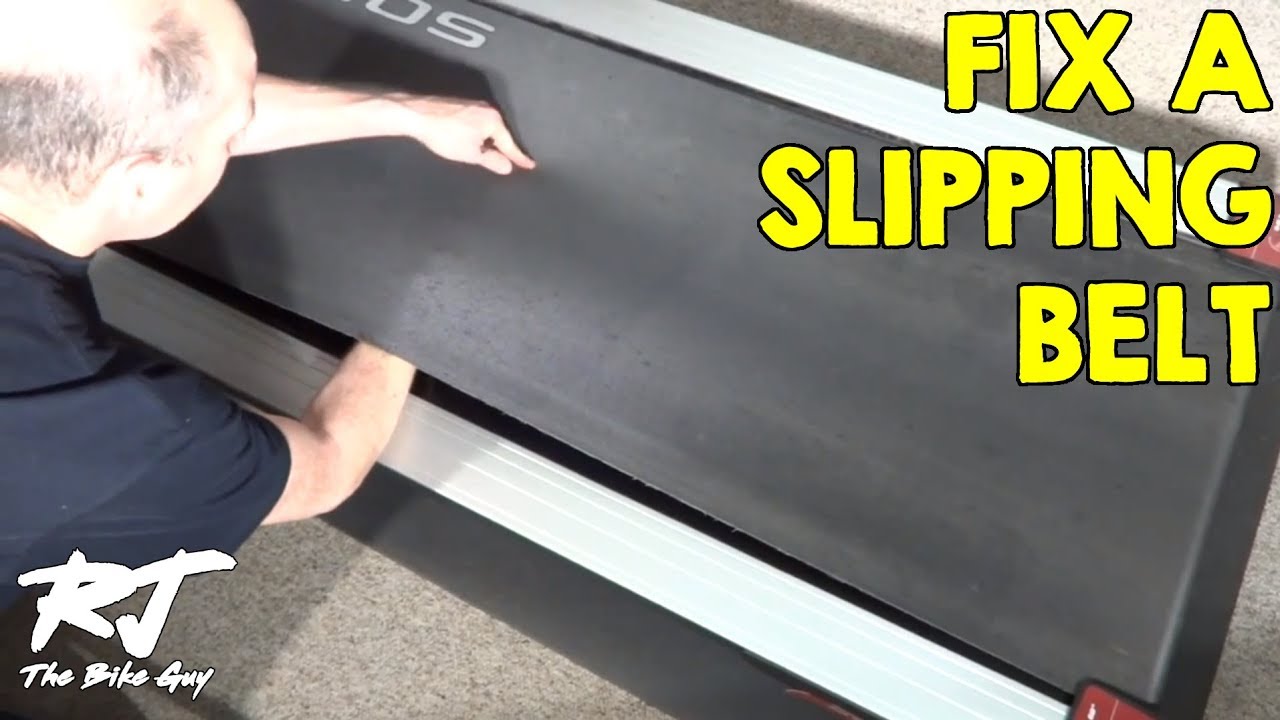
- Center the belt
- Plug the treadmill in and power it on at the lowest speed.
- If the belt drifts left, tighten the left rear roller by turning its bolt clockwise a quarter turn.
- If the belt drifts right, tighten the right rear roller instead.
- Stop and test after each small turn. Repeat until centered.
- Adjust belt tension
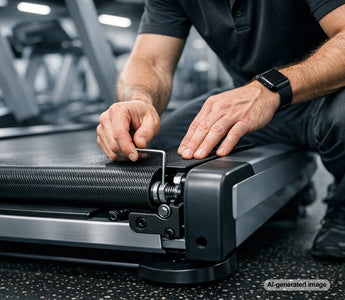
- If the belt slips under load, increase tension a quarter turn on both rear bolts evenly.
- If the belt is too tight, loosen both bolts a quarter turn to reduce strain on bearings.
- Test by walking at 3 mph; the belt should not slip and should not feel overly stiff.
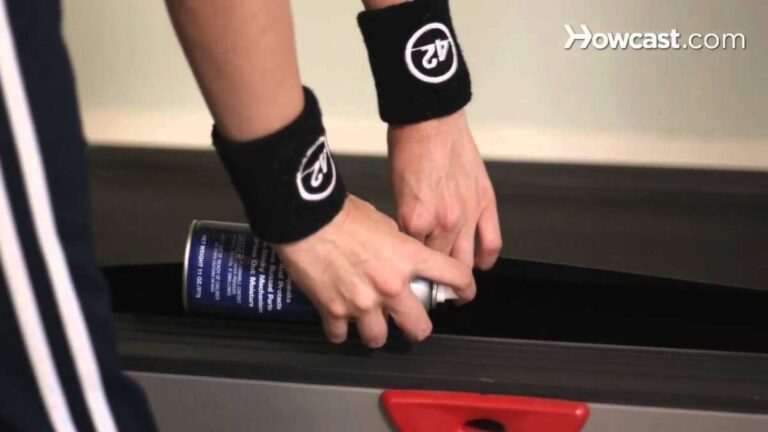
- Lubricate the deck
- Unplug and lift the belt slightly to apply silicone lube under the center.
- Apply the recommended amount according to the manual, usually a few ounces across the deck.
- Run the treadmill at 2 mph for 5 minutes to spread the lube.
- Replace the belt if needed
- Remove the motor hood and loosen the rear roller bolts to slide the old belt off.
- Fit the new belt, center it, and set correct tension per manufacturer specs.
- Reinstall covers and test at slow speeds.
Tips while you work
- Make only small adjustments and test often.
- Count turns on roller bolts for repeatable tuning.
- Use the manufacturer’s service manual for model-specific steps.
Lubrication and preventive maintenance
Good care extends belt life and reduces the need to learn how to fix treadmill belt problems often. A little routine work goes a long way.
Lubrication schedule
- Lube your treadmill every 3–6 months for home use, more often if you sweat on it or use it daily.
- Use silicone-based lube made for treadmills. Avoid WD-40 or motor oils.
Routine checks to add to your habit
- Inspect belt edges once a month for frays.
- Vacuum beneath the belt monthly to keep dust off the motor and rollers.
- Check belt tension and tracking every other month.
- Tighten screws and bolts yearly.
Personal tip from experience
- I once ignored a small squeak. It grew into a noisy belt that needed replacment. Regular quick lube could have avoided it. Now I mark the calendar and never miss a service.
When to replace the belt or call a pro
Some problems are fixable at home. Others need a technician.
Replace the belt when
- You see tears, deep cracks, or holes.
- The belt is thin and the patterns rub away.
- You can feel the inner fabric or ply layers.
- Repeated tensioning and aligning do not help.
Call a pro when
- You suspect motor or electronic faults causing erratic speed.
- Rollers or bearings are shot and noisy.
- You are not comfortable removing the motor cover or working near electric parts.
- DIY lube and minor adjustments: under $20.
- New belt: $80–$250 depending on model.
- Professional service and parts: $150–$500 depending on labor and parts.

Common mistakes and troubleshooting tips
Avoid these errors that make how to fix treadmill belt harder than it should be.
Mistakes to avoid
- Over-tightening the belt, which wears bearings and motors.
- Using the wrong lubricant or too much oil.
- Making big adjustments without testing at low speed.
- Ignoring the owner’s manual and model specs.
Quick troubleshooting checklist
- Belt slips under load: increase tension and inspect the drive belt.
- Belt wanders: center using small turns of rear bolts.
- Squeaks at low speeds: clean and lube the deck.
- Harsh grinding: check rollers and bearings for wear.
Personal troubleshooting story
- I once tightened a belt too much after a run of slipping. The motor began to overheat. I backed off the tension and the treadmill ran cooler. Small moves are safer than big ones.

Frequently Asked Questions of how to fix treadmill belt
How do I know if my treadmill belt needs replacing?
If you see deep cracks, tears, or the fabric is worn through, replace the belt. If adjustments and lubrication don’t stop slipping or noise, the belt is likely at end of life.
Can I tighten the belt myself?
Yes, most models allow DIY tensioning using hex bolts at the rear rollers, but make small turns and test often. Over-tightening can harm the motor and rollers.
What type of lubricant should I use?
Use a silicone-based treadmill lubricant approved by the manufacturer. Avoid petroleum products and household oils as they can damage the belt and deck.
How often should I lubricate the belt?
For most home treadmills, lubricate every 3–6 months depending on use. Busy users should lube more often to keep friction low and parts cool.
Why does the belt drift to one side?
Drifting usually means the rear rollers are uneven or the belt is not centered. Small, even turns on the roller bolts while testing at low speed will center it.
Can a noisy treadmill be fixed by lubrication only?
Sometimes yes, if noise is caused by dry friction between belt and deck. If sound comes from rollers, bearings, or motor, lubrication alone will not fix it.
Conclusion
Fixing a treadmill belt is a mix of simple checks, careful adjustments, and the right maintenance habits. Start by diagnosing the cause, then center and tension the belt, add proper lubrication, and replace worn parts when needed. If a motor or bearings are at fault, call a pro. Try these steps on your treadmill this week, mark a maintenance day on your calendar, and keep your machine running smooth and safe. If you found this useful, share your experience below or subscribe for more repair guides and tips.

Brandon Knoxley is a sport & fitness writer and training guide contributor at MySportFitHub. He focuses on practical workouts, performance-based training, and honest fitness gear insights designed for real people and real results. Brandon is passionate about helping beginners and active individuals train smarter, avoid common mistakes, and build sustainable fitness habits.