How to Condition Muscles for Sports Activity: Ultimate Guide to Peak Performance
Are you ready to take your sports performance to the next level? Conditioning your muscles is the key to playing stronger, faster, and longer without getting injured.
Whether you’re a beginner or an experienced athlete, knowing how to properly prepare your muscles can make all the difference in your game. You’ll discover simple yet effective ways to build muscle strength, improve endurance, and boost your overall athletic ability.
Keep reading, and you’ll learn how to train smarter so your body works with you—not against you—every time you hit the field or court.

Credit: columbusortho.com
Muscle Conditioning Basics
Muscle conditioning is the foundation for better sports performance. It prepares your muscles to work harder and recover faster. Proper conditioning reduces injury risks and boosts endurance. Understanding the basics helps athletes train smart and stay strong.
Muscle conditioning is not just about lifting weights. It involves knowing how muscles work and how to train them effectively. This section breaks down key concepts to build a solid muscle conditioning routine.
Muscle Types And Their Roles
There are three main muscle types: skeletal, smooth, and cardiac. Skeletal muscles move your body. These muscles are the focus in sports conditioning. Smooth muscles control organs like the stomach. Cardiac muscle keeps your heart beating. Each muscle type has a unique role in your body’s function.
Importance Of Conditioning For Athletes
Conditioned muscles perform better under stress. They help athletes run faster and jump higher. Strong muscles also protect joints and bones. Conditioning improves muscle endurance and power. It helps athletes recover quickly after intense activity. Without conditioning, muscles tire easily and get injured.
Key Principles Of Muscle Training
Train muscles regularly but allow time for rest. Use exercises that match your sport’s needs. Focus on proper form to avoid injuries. Gradually increase workout intensity to build strength. Include warm-ups and cool-downs in every session. Balance strength, endurance, and flexibility training.
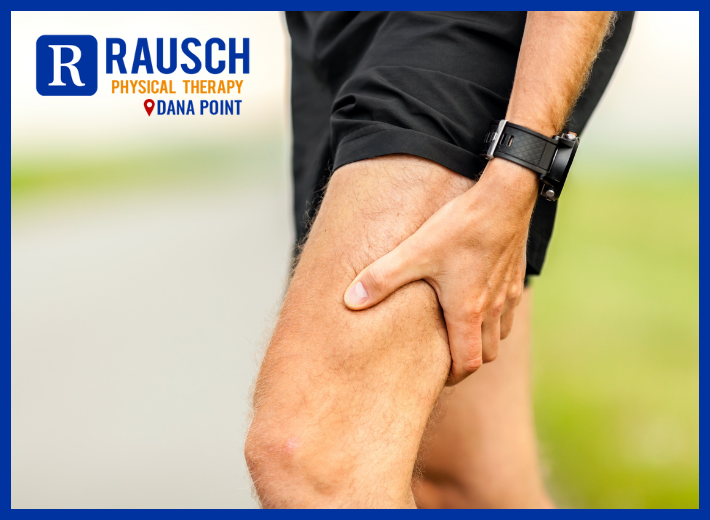
Credit: rauschpt.net
Building Strength And Endurance
Building strength and endurance is key for sports activity. Strong muscles improve power and reduce injury risk. Endurance helps muscles work longer without getting tired. Both qualities boost overall performance and recovery. Training with focus on strength and endurance prepares the body better for sports challenges.
Strength Training Techniques
Strength training uses resistance to build muscle power. Weight lifting is a common method. Use free weights or machines for controlled movement. Bodyweight exercises like push-ups and squats also build strength. Aim for 3 to 5 sets of 8 to 12 repetitions. Rest between sets allows muscles to recover. Gradually increase weight or difficulty to avoid plateaus. Proper form prevents injury and improves results.
Endurance Training Methods
Endurance training improves muscle stamina and energy use. It includes activities like running, cycling, and swimming. Perform these exercises at a steady, moderate pace. Sessions should last from 20 to 60 minutes. Interval training mixes short bursts of high intensity with rest. This method builds endurance faster. Consistency is important for progress. Hydrate well and stretch before and after workouts.
Balancing Strength And Endurance
Combining strength and endurance training creates well-rounded muscles. Alternate days between strength and endurance workouts. Avoid overtraining by allowing rest days. Focus on muscle groups to prevent fatigue. Listen to the body’s signals for recovery needs. Balanced training improves muscle function and sports skills. This approach supports long-term fitness and injury prevention.
Flexibility And Mobility
Flexibility and mobility are key to strong, healthy muscles. They help prevent injuries and improve performance in sports. Flexible muscles stretch easily, allowing better movement. Mobility means joints move freely through their full range. Both are needed for smooth, effective actions in any sport.
Stretching Routines For Athletes
Stretching helps muscles stay flexible and reduces stiffness. Athletes should stretch before and after exercise. Warm-up stretches prepare muscles for activity. Cool-down stretches help muscles relax and recover. Focus on major muscle groups used in your sport. Hold each stretch for 15 to 30 seconds. Avoid bouncing to prevent muscle strain. Regular stretching improves muscle length and joint movement.
Dynamic Vs Static Flexibility
Dynamic flexibility uses active movements to stretch muscles. It warms up muscles and increases blood flow. Examples include leg swings and arm circles. Static flexibility means holding a stretch for some time. It improves muscle length and reduces tightness. Static stretches work best after exercise. Both types support muscle conditioning. Use dynamic stretches before sports, static stretches after.
Improving Joint Mobility
Joint mobility allows smooth, full motion in joints. Good mobility reduces injury risk and improves strength. Simple exercises like ankle circles and hip rotations help. Use slow, controlled movements to avoid pain. Include mobility work in daily routines. Strong muscles support joint health. Regular mobility training boosts overall sports performance.
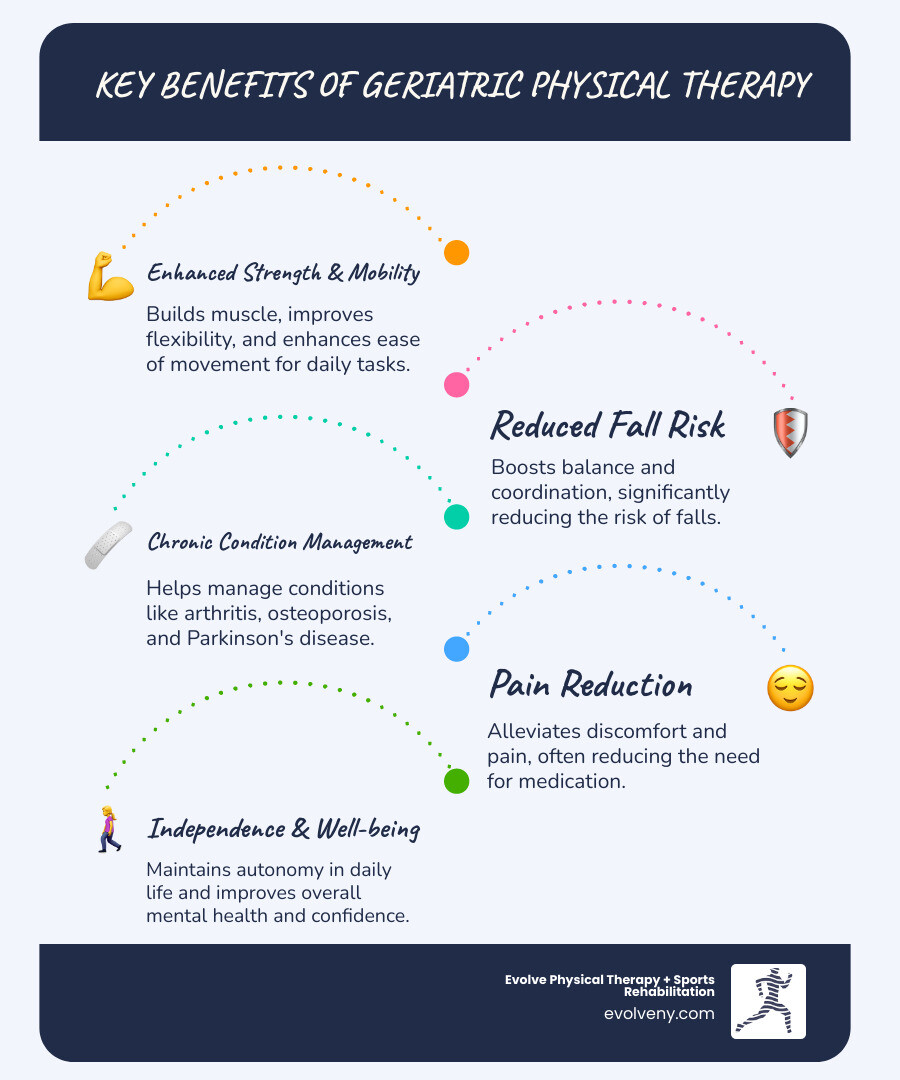
Credit: evolveny.com
Recovery And Injury Prevention
Recovery and injury prevention are key to staying active in sports. Proper care helps muscles heal and grow stronger. Avoiding injuries keeps you on track for training and competition. Simple steps can make a big difference in your muscle health.
Rest And Muscle Repair
Muscles need rest after hard workouts. Rest gives time to fix tiny muscle tears. Without rest, muscles stay weak and tired. Sleep is important for muscle recovery. Aim for 7 to 9 hours of good sleep each night. Taking rest days prevents burnout and injury.
Common Sports Injuries And Prevention
Sprains, strains, and tendonitis are common sports injuries. Warm up before activity to reduce injury risk. Stretch muscles gently to keep them flexible. Use proper technique during exercises and sports. Wear the right shoes and gear for support. Stop activity if pain or swelling occurs.
Use Of Foam Rolling And Massage
Foam rolling helps release tight muscles and knots. Roll slowly over sore spots to improve blood flow. Massage reduces muscle stiffness and speeds recovery. Both methods relax muscles and lower injury chance. Use them regularly after workouts for best results.
Nutrition For Muscle Performance
Nutrition plays a key role in muscle performance during sports. Proper food and drink help muscles grow, recover, and work better. Eating the right nutrients fuels the body and repairs muscle damage from training. This section explains how nutrition supports muscle conditioning for sports activity.
Macronutrients And Muscle Growth
Proteins are the building blocks of muscle. Eating enough protein helps repair and build muscle tissue. Good sources include chicken, fish, eggs, and beans. Carbohydrates provide energy for workouts and muscle recovery. Choose whole grains, fruits, and vegetables for steady energy. Fats support hormone production and protect organs. Healthy fats come from nuts, seeds, and olive oil. Balancing these macronutrients is essential for muscle growth and performance.
Hydration Strategies
Water is vital for muscle function and overall health. Muscles need water to contract and relax properly. Dehydration can cause cramps and reduce strength. Drink water before, during, and after exercise. Sports drinks can replace lost electrolytes during intense workouts. Avoid sugary drinks that cause energy crashes. Staying hydrated improves endurance and speeds up recovery.
Supplements For Muscle Conditioning
Supplements can help fill nutrition gaps but are not a substitute for food. Protein powders provide a quick protein boost after training. Creatine helps increase strength and muscle mass. Branched-chain amino acids (BCAAs) may reduce muscle soreness. Always choose quality supplements and follow recommended doses. Consult a healthcare provider before starting any new supplement.
Sport-specific Conditioning
Sport-specific conditioning targets the skills and muscles needed for a particular sport. It helps athletes perform better and avoid injuries. Training differs based on the sport’s demands. Understanding these needs guides effective workouts.
Conditioning For Endurance Sports
Endurance sports require stamina and the ability to keep moving for long periods. Running, cycling, and swimming need a strong heart and lungs. Focus on long, steady workouts that build aerobic fitness. Include interval training to increase speed and recovery. Keep sessions consistent to improve endurance over time.
Strength Training For Power Sports
Power sports need quick, strong muscle actions. Weightlifting, sprinting, and jumping rely on muscle strength and explosiveness. Use heavy weights with fewer repetitions. Add plyometric exercises like jumps and throws. Rest well between sets to allow full recovery. Strength training improves force and speed in power moves.
Agility And Speed Workouts
Agility and speed are key for sports like soccer, basketball, and tennis. Quick direction changes and fast reactions win games. Use ladder drills, cone drills, and short sprints. Practice stopping and starting quickly. These drills sharpen coordination, balance, and reaction time. Agility training helps you move smarter and faster.
Tracking Progress And Adjusting Training
Tracking progress and adjusting training are key to building strong muscles for sports. Monitoring your performance helps you see what works and what does not. It keeps your workouts effective and safe. Regular checks let you avoid injury and stay motivated. Adjustments based on progress lead to steady improvement.
Setting Performance Goals
Start with clear, simple goals. Choose targets that match your sport and current fitness level. Goals can be strength, speed, or endurance. Write them down to stay focused. Small, realistic goals encourage steady progress. Review goals often and update as needed.
Monitoring Muscle Fatigue
Muscle fatigue signals when your body needs rest. Watch for soreness that lasts more than two days. Notice if your movements feel weak or shaky. Keep a journal to record how your muscles feel after workouts. Rest is as important as training for muscle growth.
Adapting Workouts For Improvement
Change exercises to challenge muscles in new ways. Increase weight or repetitions slowly to avoid injury. Add variety to prevent boredom and plateaus. Focus on weak areas to build balanced strength. Listen to your body and adjust intensity as needed.
Frequently Asked Questions
What Is Muscle Conditioning For Sports Activity?
Muscle conditioning improves strength, endurance, and flexibility. It prepares muscles to perform better and reduces injury risks. Conditioning includes targeted exercises and proper rest for optimal performance in sports.
How Often Should I Condition Muscles For Sports?
Condition muscles 3 to 5 times weekly. Consistent training enhances muscle strength and endurance. Include rest days to allow muscle recovery and prevent overtraining.
What Exercises Best Condition Muscles For Sports?
Focus on strength training, plyometrics, and flexibility exercises. Use squats, lunges, and sprint drills to build power. Stretching improves range of motion and prevents injuries.
Why Is Muscle Recovery Important After Conditioning?
Recovery prevents muscle fatigue and injury. It allows muscles to repair and grow stronger. Proper sleep, hydration, and nutrition are key for effective recovery.
Conclusion
Conditioning muscles helps improve strength and prevent injuries. Regular exercise builds endurance and boosts performance. Start slow and increase intensity step by step. Rest and proper nutrition support muscle recovery. Stay consistent to see steady progress over time. Strong muscles make sports safer and more fun.
Remember, patience and effort bring the best results. Keep training smart and enjoy your sport fully.

Brandon Knoxley is a sport & fitness writer and training guide contributor at MySportFitHub. He focuses on practical workouts, performance-based training, and honest fitness gear insights designed for real people and real results. Brandon is passionate about helping beginners and active individuals train smarter, avoid common mistakes, and build sustainable fitness habits.