How to Listen to Body During Sports Training: Maximize Performance Safely
Have you ever pushed yourself too hard during training and ended up feeling worn out or injured? Knowing how to listen to your body during sports training can make all the difference in your performance and recovery.
Your body sends you signals every step of the way—if you learn to recognize them, you can avoid burnout, improve your results, and stay healthier for longer. Keep reading to discover simple, effective ways to tune into your body and train smarter, not harder.
Your next workout could be your best one yet.
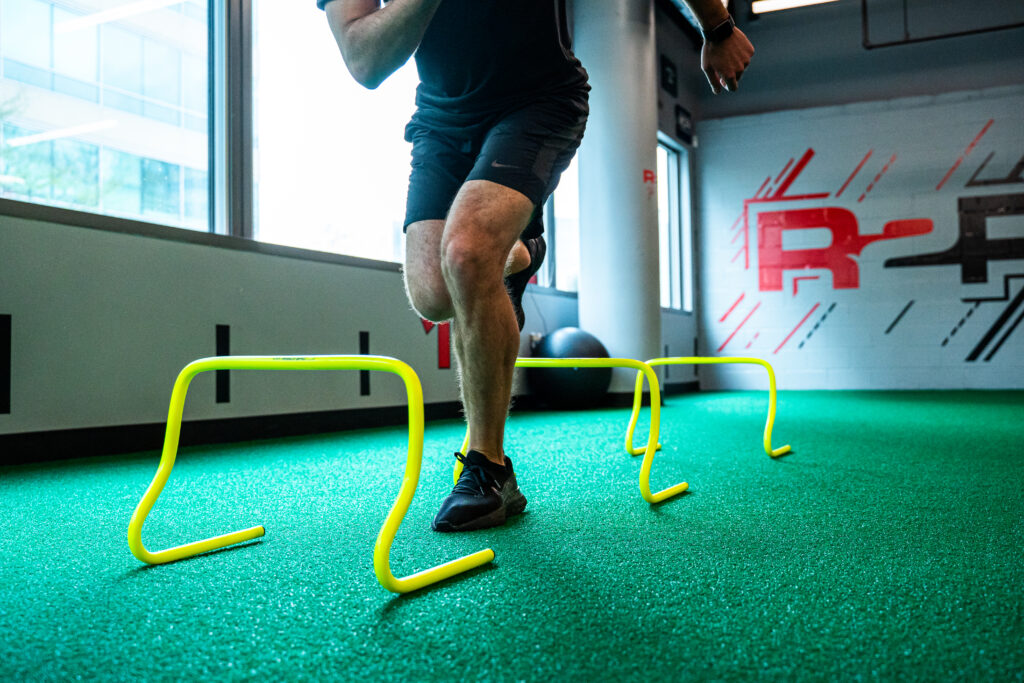
Credit: rehab2perform.com
Signs From Your Body
Understanding the signs your body sends during sports training helps you train smarter. Your body talks through signals. These signals tell you when to push harder or slow down. Learning to read these signs protects you from injury and improves performance. Pay close attention to these key signals during exercise.
Pain Vs. Discomfort
Pain is sharp, sudden, and often signals injury. Discomfort feels like mild soreness or tired muscles. Discomfort is normal after hard training. Pain means stop and rest. Ignoring pain can cause serious harm. Know the difference to avoid damage and recover well.
Fatigue Indicators
Fatigue shows as heavy limbs and slow reactions. Your muscles feel weak, and focus drops. This means your body needs rest. Training too long without breaks reduces strength. Notice fatigue early to prevent burnout and keep progress steady.
Breathing Patterns
Breathing changes during exercise. Deep, steady breaths show good fitness. Rapid, shallow breaths signal stress or overexertion. Struggling to breathe means slow down. Control your breath to maintain energy and avoid dizziness.
Adjusting Training Intensity
Adjusting training intensity is key to safe and effective sports training. It helps your body improve while avoiding injury and burnout. Listening to your body guides you on when to push harder or ease off. This balance makes training sustainable and enjoyable.
Recognizing Overtraining
Overtraining happens when you exercise too much without enough rest. Signs include constant tiredness, slow recovery, and poor performance. Muscle soreness that lasts days may also mean overtraining. Pay attention to mood changes like irritability or lack of motivation. These signals tell you to slow down.
When To Rest
Rest days let your body heal and grow stronger. Take rest if you feel pain or extreme fatigue. Skipping rest can cause injuries and reduce progress. Light activity like walking can help on rest days. Remember, rest is part of training too.
Modifying Workouts
Adjust workouts based on how your body feels. Lower intensity if you notice pain or tiredness. Change exercises to avoid stress on sore muscles. Shorten workout time if energy is low. Small changes keep you active without harm.
Nutrition And Hydration Signals
Nutrition and hydration play a big role in sports training. Your body sends signals to tell you what it needs. Paying attention to these signs helps improve performance and avoid injury. Understanding hunger, thirst, and energy levels is key to staying in top shape.
Hunger Cues
Hunger signals show when your body needs fuel. Feeling weak or lightheaded means you need to eat soon. Choose healthy snacks like fruits or nuts for quick energy. Avoid ignoring hunger; it can lower your focus and strength.
Thirst And Dehydration
Thirst is the first sign of dehydration. Drinking water regularly keeps you hydrated during training. Dark urine or dry mouth means you need more fluids. Avoid waiting until you feel very thirsty to drink water.
Energy Levels
Energy levels rise and fall during exercise. Low energy means your body needs rest or food. Notice when you feel tired or sluggish. Take breaks or eat a small snack to boost your energy quickly.

Credit: ocsportsandwellness.com
Mental And Emotional Feedback
Listening to your body during sports training is not just about physical signals. Mental and emotional feedback plays a big role. Your mind sends important messages that affect your performance and safety. Paying attention to these signals helps you train smarter and avoid burnout.
Stress And Motivation
Stress affects your body and mind during training. Too much stress can cause fatigue and reduce energy. Low motivation often signals your body needs rest. Recognize these signs early. Adjust your training to keep stress balanced. Motivation rises when your body feels good and ready.
Focus And Concentration
Your level of focus reveals how your brain feels. Poor concentration may mean your body is tired or overwhelmed. Sharp focus often shows good mental and physical condition. Use focus as a guide to push harder or slow down. Training with clear concentration improves skills and safety.
Mood Fluctuations
Mood changes can reflect how your body handles training. Feeling irritable or sad might mean overtraining or lack of rest. Positive moods often come from balanced training and recovery. Notice your mood daily. Let it guide your training intensity and rest days.
Tools To Monitor Body Responses
Monitoring your body during sports training helps improve performance and avoid injury. Tools that track body responses give clear data about how your body reacts to exercise. These tools make it easier to understand your limits and progress. Using them regularly helps you train smarter and recover better.
Wearable Technology
Wearable devices like fitness bands and smartwatches track many body signals. They measure steps, distance, calories burned, and even stress levels. These tools provide real-time feedback during workouts. They help you stay aware of your effort and avoid overtraining. Wearables make tracking your daily activity simple and effective.
Heart Rate Tracking
Heart rate monitors show how hard your heart works during exercise. Keeping your heart rate in the right zone improves fitness and safety. These monitors help find the best pace for training. They also detect signs of fatigue or stress early. Tracking heart rate guides better workout choices every session.
Sleep Quality
Good sleep is key to recovery and energy for training. Tools that track sleep tell you how long and well you rest. They identify sleep patterns and disturbances. Better sleep data helps adjust training intensity and rest days. Paying attention to sleep improves your overall sports performance.
Creating A Safe Training Plan
Creating a safe training plan helps protect your body during sports. It lowers injury risk and keeps progress steady. Listening to your body guides better decisions for training intensity and rest. A good plan balances effort with recovery to build strength safely.
Setting Realistic Goals
Set goals that match your current fitness level. Avoid pushing too hard too fast. Small, clear goals help track progress and stay motivated. Adjust goals based on how your body feels after workouts. Realistic goals prevent burnout and injuries.
Incorporating Rest Days
Rest days allow muscles to repair and grow stronger. Skipping rest can cause fatigue and increase injury risk. Plan regular breaks in your training schedule. Use rest days for light activities or complete rest. Your body needs time to recover fully.
Listening Vs. Pushing Limits
Know the difference between healthy effort and pain. Pushing limits helps improve fitness but not pain. Stop or slow down if you feel sharp or lasting pain. Respect your body’s signals to avoid injuries. Balance effort with care for long-term success.

Credit: www.nytimes.com
Frequently Asked Questions
How Can I Recognize My Body’s Signals During Training?
To recognize your body’s signals, pay close attention to pain, fatigue, and breathing changes. These signs indicate when to rest or adjust intensity. Listening helps prevent injury and improves performance by aligning workouts with your body’s needs.
Why Is Listening To Your Body Important In Sports?
Listening to your body prevents overtraining and injuries. It helps optimize recovery and performance by identifying when to push harder or rest. Awareness promotes sustainable progress and long-term athletic success.
What Are Common Body Signals To Watch For?
Common signals include muscle soreness, joint pain, dizziness, and unusual fatigue. These suggest you should modify or stop training. Recognizing these signs ensures safe and effective workouts.
How Do I Adjust Training Based On Body Feedback?
Adjust training by reducing intensity, changing exercises, or taking rest days when you feel pain or extreme fatigue. This approach supports recovery and prevents burnout or injury.
Conclusion
Listening to your body during sports training helps prevent injuries. It guides you on when to rest and when to push. Paying attention to pain or fatigue keeps you safe. Your body’s signals show how well you recover. This habit improves your overall performance over time.
Trust your feelings and adjust your workout accordingly. Small changes make a big difference in progress and health. Stay aware and respect your body’s limits every day. Training smarter, not harder, leads to lasting success.

Brandon Knoxley is a sport & fitness writer and training guide contributor at MySportFitHub. He focuses on practical workouts, performance-based training, and honest fitness gear insights designed for real people and real results. Brandon is passionate about helping beginners and active individuals train smarter, avoid common mistakes, and build sustainable fitness habits.