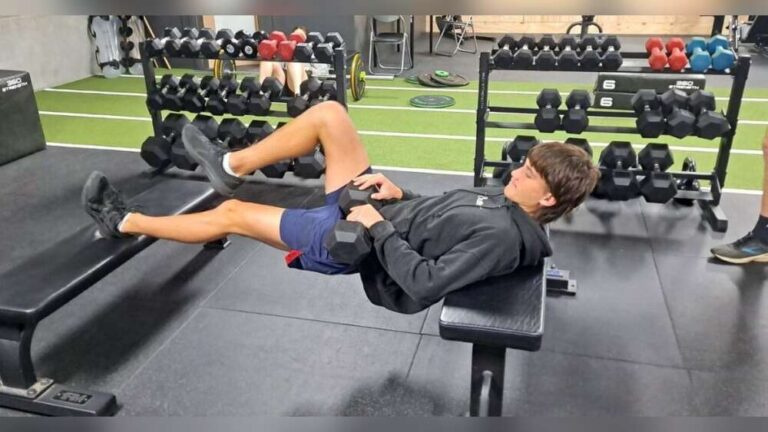

How to Prevent Fitness Injuries Beginners: Essential Safety Tips
Starting a new fitness routine can be exciting, but it also comes with risks. You don’t want to push yourself only to end up hurt and frustrated.
Imagine staying strong and healthy while avoiding those common fitness injuries that slow you down. You’ll discover simple, practical steps to protect your body from harm right from the start. Keep reading to learn how to stay safe, build confidence, and enjoy every workout without setbacks.
Your fitness journey deserves that kind of care.
Common Fitness Injuries
Starting a fitness routine is exciting but can lead to injuries. Many beginners face common fitness injuries. Knowing these injuries helps to avoid them. Awareness is the first step to staying safe during workouts.
Types Of Injuries Beginners Face
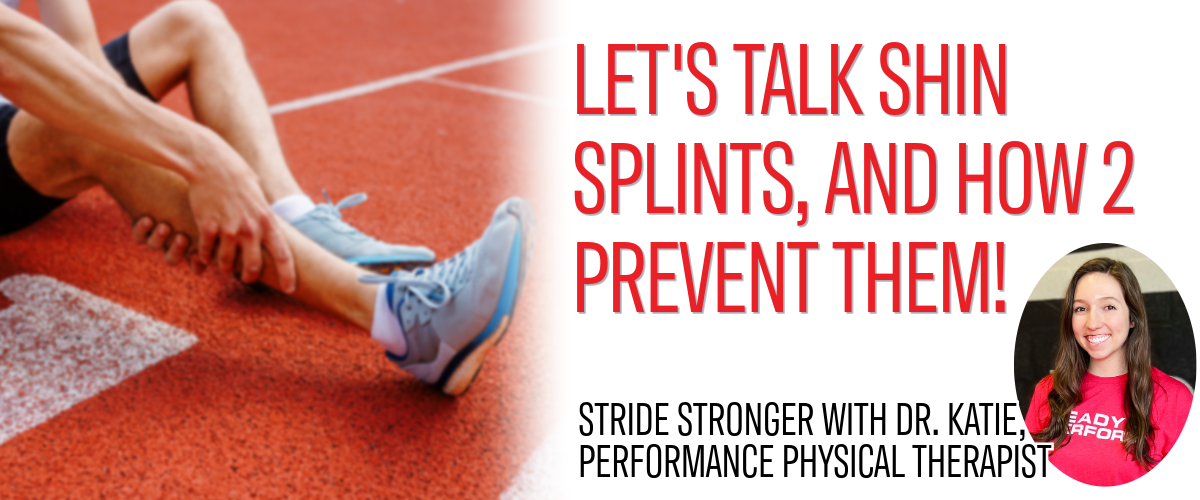
Sprains and strains are the most common injuries. Sprains affect the ligaments, while strains hurt muscles or tendons. Knee pain and lower back pain occur often. Tendonitis, or inflammation of tendons, happens with repeated movements. Shin splints can cause pain in the lower legs. These injuries slow progress and cause discomfort.
Causes Of Early Workout Injuries
Poor technique often leads to injury. Beginners may lift weights incorrectly or use bad form. Overdoing workouts without rest can cause muscle fatigue. Skipping warm-ups leaves muscles stiff and prone to injury. Using too much weight too soon stresses the body. Lack of flexibility and poor balance increase injury risk.
Warm-up Techniques
Warming up prepares your body for exercise. It helps increase blood flow to muscles. This reduces the risk of injuries. Warm-up also improves your performance. Start slow and focus on gentle movements. Use warm-up techniques that activate muscles you will use.
Dynamic Stretching Moves
Dynamic stretches involve moving parts of your body. These moves increase flexibility and range of motion. Examples include leg swings, arm circles, and hip rotations. Perform each move slowly and smoothly. Avoid bouncing or jerky actions. Dynamic stretching wakes up muscles and joints. It helps improve coordination and balance. Spend 5 to 10 minutes on dynamic stretches before exercise.
Importance Of Gradual Intensity
Begin your workout with low intensity activities. Gradually increase the effort over several minutes. This allows your heart rate and breathing to adjust. Sudden intense exercise can cause strains or sprains. Slow progression reduces muscle stiffness and soreness. It prepares your nervous system for harder movements. Always listen to your body and avoid pushing too fast.
Proper Exercise Form
Proper exercise form is crucial for beginners to prevent injuries and get better results. It helps your body move safely and efficiently. Good form protects your joints and muscles from strain. It also improves your balance and strength. Starting with the right technique saves time and keeps you motivated.
Key Posture Tips
Keep your back straight during exercises. Avoid slouching or arching too much. Engage your core muscles to support your spine. Align your head with your spine; don’t push it forward. Feet should be shoulder-width apart for balance. Bend your knees slightly, not locked or too bent. Move slowly and control your motions. Breathe steadily, never hold your breath.
Avoiding Common Mistakes
Don’t lift weights that are too heavy. This causes bad form and injury. Avoid jerky or fast movements; they increase risk. Do not let your knees collapse inward during squats. Keep your elbows close to your body in pushes. Skipping warm-ups leads to muscle strain. Stop if you feel sharp pain. Rest and recover between workouts.

Credit: www.youtube.com
Choosing The Right Equipment
Choosing the right equipment plays a key role in preventing fitness injuries. Proper gear supports your body and helps keep you safe. It also improves your workout comfort and performance. Beginners should pay special attention to what they wear and use during exercise.
Selecting Supportive Footwear
Good shoes protect your feet and ankles from harm. They provide cushion and reduce impact on joints. Choose shoes designed for your specific activity. Running shoes differ from walking or gym shoes. Make sure shoes fit well and feel comfortable. Replace them regularly to maintain support and safety.
Using Suitable Workout Gear
Workout clothes should fit properly and allow movement. Avoid tight or loose clothing that can cause accidents. Breathable fabrics help keep your body cool. Gloves, knee pads, or wrist supports add extra protection. Use gear that matches your workout type and intensity. Proper equipment reduces the risk of injury and improves focus.
Listening To Your Body
Listening to your body is a key step to prevent injuries in fitness. Your body sends signals about its limits and needs. Paying attention to these signs helps you train safely and improve over time. Ignoring discomfort can lead to serious injuries that stop your progress. Learning to understand your body’s messages protects your health and supports steady growth.
Recognizing Pain Vs. Discomfort
Discomfort is a normal part of exercise. It often feels like muscle burn or tiredness. This means your muscles are working hard. Pain is different. It is sharp, sudden, or constant. Pain can signal an injury or strain. Stop exercise if pain happens. Do not push through it. Knowing the difference helps you avoid damage and recover faster.
When To Rest Or Seek Help
Rest is important after pain or injury. Take a break to let your body heal. Avoid intense workouts that stress the injured area. If pain lasts more than a few days, see a professional. A doctor or physical therapist can diagnose the problem. Early help prevents long-term damage. Rest and care keep you on track with your fitness goals.
Credit: rehab2perform.com
Creating A Balanced Routine
Creating a balanced routine is key to staying safe while getting fit. It helps your body grow stronger without overdoing any part. A good mix of activities gives your muscles time to recover. It also lowers the chance of getting hurt. Focus on variety and rest to build a healthy workout plan.
Mixing Cardio And Strength
Combine cardio exercises like walking or cycling with strength training. Cardio improves heart health and burns calories. Strength workouts build muscles and support joints. Balancing these helps your body stay flexible and strong. Avoid doing only one type of exercise. This balance reduces stress on your muscles and lowers injury risk.
Scheduling Rest Days
Rest days are vital for muscle recovery. Without rest, muscles get tired and weak. Plan at least one or two rest days each week. Use these days to relax or do light activities like stretching. Rest helps prevent strains and soreness. It keeps your body ready for the next workout session.
Hydration And Nutrition
Hydration and nutrition play a big role in preventing fitness injuries. Water keeps your muscles working well. Food gives your body energy to train hard. Both help your body recover after exercise. Proper hydration and nutrition reduce muscle cramps and fatigue. They keep your body strong and ready for workouts.
Staying Hydrated During Workouts
Drink water before, during, and after exercise. Water helps stop dehydration, which can cause dizziness. Sip small amounts often instead of drinking a lot at once. Sports drinks can help if you exercise for more than an hour. They replace salts and minerals lost through sweat. Avoid sugary or caffeinated drinks; they can dehydrate you.
Fueling Your Body Right
Eat balanced meals with protein, carbs, and fats. Carbs give quick energy for your workouts. Protein helps repair muscles and build strength. Healthy fats support your joints and overall health. Eat a small snack 30 minutes before exercise. Try fruit or yogurt for a quick energy boost. Avoid heavy or greasy foods that slow you down.

Credit: www.amazon.com
Seeking Professional Guidance
Starting a fitness journey can feel overwhelming. Many beginners do not know where to begin safely. Seeking professional guidance helps reduce injury risk and builds confidence. Experts provide advice tailored to your body and goals. They teach proper techniques and correct mistakes early. This support helps beginners stay motivated and avoid common pitfalls.
Benefits Of Personal Trainers
Personal trainers create customized workout plans for you. They watch your form to prevent harmful movements. Trainers adjust workouts based on your progress and limits. Their experience helps spot potential injury risks fast. Trainers also teach warm-up and cool-down routines. This care lowers the chance of strains or sprains. They provide motivation and accountability, boosting your success.
Joining Beginner-friendly Classes
Group classes designed for beginners offer a safe environment. Instructors guide you through exercises step-by-step. Classes keep pace slow to match your skill level. You learn proper form while following a group. The social setting encourages regular attendance and effort. Instructors can answer questions and offer corrections. This setting reduces injury risk and builds workout habits.
Frequently Asked Questions
How Can Beginners Avoid Common Fitness Injuries?
Start with proper warm-up exercises to prepare muscles. Use correct form and technique during workouts. Gradually increase workout intensity to prevent strain. Rest adequately between sessions to allow recovery. Listening to your body helps avoid overtraining and injury.
What Are The Best Warm-up Exercises For Beginners?
Dynamic stretches like leg swings, arm circles, and lunges are ideal. These increase blood flow and improve flexibility. Warm-ups should last 5-10 minutes before exercise. Avoid static stretching initially as it may reduce muscle performance.
How Important Is Proper Technique In Injury Prevention?
Proper technique ensures correct muscle use, reducing strain and injury risk. Beginners should learn from trainers or reliable videos. Incorrect form can cause joint stress and muscle imbalances. Prioritize technique over heavy weights or speed for safety.
How Often Should Beginners Rest To Prevent Injuries?
Rest days are vital for muscle repair and growth. Beginners should have at least 1-2 rest days weekly. Avoid working the same muscle groups on consecutive days. Adequate sleep also supports recovery and injury prevention.
Conclusion
Preventing fitness injuries starts with smart choices and careful habits. Warm up before exercise to prepare your muscles. Use the right form to avoid strain or pain. Rest days help your body heal and grow stronger. Listen to your body and stop if you feel pain.
Gradually increase workout intensity to stay safe. Staying consistent and cautious keeps injuries away. Enjoy your fitness journey with confidence and care.

Brandon Knoxley is a sport & fitness writer and training guide contributor at MySportFitHub. He focuses on practical workouts, performance-based training, and honest fitness gear insights designed for real people and real results. Brandon is passionate about helping beginners and active individuals train smarter, avoid common mistakes, and build sustainable fitness habits.