
How to Adapt Training for Sports Beginners: Ultimate Guide to Success
Starting a new sport can feel exciting but also overwhelming. You might wonder how to train without getting hurt or losing motivation.
The key is adapting your training to fit where you are right now—your current fitness, skills, and goals. This approach not only helps you improve faster but also keeps you from feeling frustrated or burned out. You’ll discover simple, effective ways to adjust your workouts so you can build confidence, enjoy the process, and see real progress.
Ready to make your training work for you? Let’s dive in.
Assessing Beginner Fitness Levels
Assessing beginner fitness levels is the first step in creating a good training plan. It helps understand the current condition of the body. Trainers and beginners can see what needs focus and what is already strong. This process makes training safer and more effective. Beginners feel more confident when they know their starting point.
Initial Fitness Tests
Start with simple tests that check basic fitness areas. Tests like walking a certain distance, doing push-ups, or measuring flexibility work well. These tests give a clear picture of endurance, strength, and mobility. Keep tests short and easy to avoid discouragement. Record the results to track progress over time.
Identifying Strengths And Weaknesses
Look closely at the test results to find strong points and weak areas. Strengths can be used as a foundation for training. Weaknesses show where more work is needed. This helps create a balanced workout plan. Focus on improving weak spots without losing the strengths.
Setting Realistic Goals
Set goals based on the fitness level and test results. Goals should be clear, simple, and achievable. Small steps keep motivation high and avoid frustration. Examples include increasing walking time or doing more push-ups. Adjust goals as progress happens to keep challenges fair.
Designing Safe Training Plans
Designing safe training plans is key for sports beginners. It helps avoid injuries and builds confidence. A well-structured plan ensures steady progress without overwhelming the body. Safety must come first to keep motivation high and reduce risks.
Training should start gently and increase carefully. Proper rest must be part of the plan. These steps help beginners enjoy sports and improve over time.
Starting With Low Intensity
Begin with simple exercises at low intensity. Choose activities that feel easy and comfortable. This helps the body adjust to new movements. Avoid pushing too hard in the first days. Low intensity reduces the chance of pain and injury.
Focus on learning correct form and technique. This lays a strong foundation for future training. It also builds confidence and keeps beginners motivated.
Progressive Overload Techniques
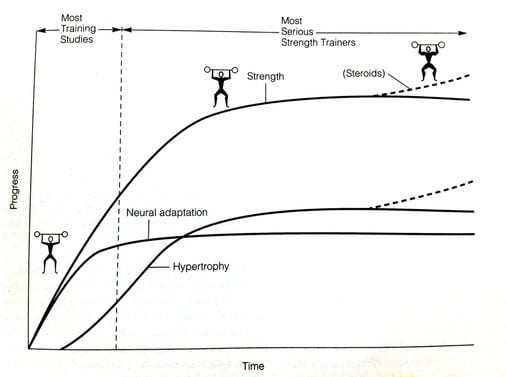
Increase training difficulty gradually to build strength and endurance. Add small amounts of weight or time to each session. This method helps the body adapt safely. Progress should feel challenging but not painful.
Track progress to know when to increase intensity. Avoid sudden jumps in effort to prevent injury. Consistent, small improvements lead to lasting results.
Balancing Rest And Activity
Rest days are as important as workout days. The body needs time to recover and heal. Without rest, muscles get tired and injuries happen more easily. Plan rest days between intense sessions.
Light activity on rest days, like walking or stretching, can help recovery. Listen to the body and adjust rest as needed. Balance keeps training safe and effective.
Focusing On Fundamental Skills
Focusing on fundamental skills is key for sports beginners. These skills build a strong base. They help improve confidence and reduce injury risk. Beginners need to practice simple movements first. This makes learning advanced techniques easier later.
Basic Movement Patterns
Basic movement patterns include running, jumping, and squatting. These are the building blocks of most sports. Practice slow and controlled movements. This helps develop strength and muscle memory. Start with bodyweight exercises to master form. Gradually increase speed and intensity. Consistent practice improves overall athletic ability.
Coordination And Balance Drills
Coordination and balance are essential for sports success. Simple drills like standing on one leg improve stability. Use cone drills to enhance hand-eye coordination. Balance boards or soft surfaces add challenge. These exercises reduce falls and improve control. Regular practice sharpens motor skills and reaction time.
Sport-specific Techniques
Each sport has unique skills to learn. Focus on basic techniques first, such as dribbling in basketball or passing in soccer. Break down complex skills into small steps. Repeat movements slowly before increasing speed. Use mirrors or videos to check form. Early practice of these skills builds confidence and accuracy.

Credit: www.mymottiv.com
Motivating And Engaging Beginners
Motivating and engaging beginners is key to keeping them active in sports. New athletes often feel unsure or overwhelmed at the start. Motivation helps them push through these early challenges. Engagement keeps training fun and interesting. This way, beginners build good habits and stay committed.
Creating Enjoyable Workouts
Workouts should feel fun, not like a chore. Use games and simple challenges to spark interest. Vary exercises to avoid boredom. Include activities that match beginners’ skill levels. Celebrate small wins to boost confidence. Enjoyment makes beginners want to come back.
Tracking Progress Visually
Visual tools show improvement clearly. Use charts or graphs to display progress. Photos or videos can capture skill growth. Seeing progress motivates beginners to keep going. Visual tracking breaks down big goals into small steps. It makes success feel real and achievable.
Building A Supportive Environment
A positive group helps beginners stay motivated. Encourage team spirit and friendly competition. Offer praise and constructive feedback often. Create a safe space for questions and mistakes. Support from coaches and peers builds confidence. This environment turns training into a shared journey.
Adapting For Individual Needs
Adapting training for sports beginners means focusing on their unique needs. No two beginners are the same. Some may have physical limits. Others may face mental blocks. Training must fit each person’s body and mind. This approach helps them progress safely and enjoy the sport.
Modifying Exercises For Limitations
Some beginners have injuries or weak areas. Changing exercises reduces strain and risk. For example, use lighter weights or fewer reps. Swap high-impact moves for gentler options. This keeps training effective and safe. It builds confidence and prevents setbacks.
Addressing Common Beginner Challenges
Many beginners struggle with balance, coordination, or stamina. Start with simple drills to build skills. Break exercises into small steps. Praise effort and progress. This reduces frustration and keeps motivation high. Slow and steady wins the race.
Incorporating Flexibility And Mobility
Flexibility and mobility are key for beginners. Stretching improves range of motion and reduces injury. Add gentle stretches before and after workouts. Include mobility exercises to loosen joints. This prepares the body for activity. It supports better performance and recovery.
Nutrition And Recovery Tips
Nutrition and recovery play a big role in sports training for beginners. Eating right and resting well help the body perform better. These tips improve energy, strength, and overall progress. Beginners need simple, clear advice to support their training journey.
Basic Nutrition For Beginners
Start with balanced meals that include proteins, carbs, and fats. Proteins help build muscles and repair tissues. Carbs give energy for workouts and daily activities. Healthy fats support brain function and hormone balance. Eat fruits and vegetables for vitamins and minerals. Avoid too much sugar and processed foods to stay healthy.
Importance Of Hydration
Water is essential for every athlete. It helps keep the body cool and muscles working. Drink water before, during, and after exercise. Dehydration can cause tiredness and cramps. Sports drinks can help in long or intense sessions but water is best for most beginners. Carry a water bottle to stay hydrated all day.
Effective Recovery Strategies
Rest days are as important as training days. Muscles grow and repair during rest. Sleep at least 7 to 8 hours every night. Use light stretching or walking to reduce stiffness. Ice packs or warm baths can ease sore muscles. Avoid overtraining to prevent injury and burnout. Recovery helps you return stronger and ready to train again.
Monitoring Progress And Adjusting Plans
Tracking progress is key for beginners in sports training. It shows what works and what needs change. Adjusting plans helps avoid injury and keeps motivation high. Regular checks make training smarter and safer.
Regular Fitness Assessments
Start with simple tests like timed runs or basic strength moves. Record results every few weeks to see changes. Fitness assessments reveal strengths and weaknesses clearly. They guide what to focus on next.
Recognizing Plateaus
Plateaus happen when progress stalls for days or weeks. Watch for no improvement in speed, strength, or endurance. This signals a need to change the routine. Ignoring plateaus can cause frustration or loss of interest.
Tweaking Training Intensity
Adjust the workout load based on progress and energy levels. Increase difficulty slowly to avoid burnout or injury. Lower intensity if pain or extreme tiredness appears. Small changes keep training effective and safe.
Credit: mennohenselmans.com
Credit: sportscienceinsider.com
Frequently Asked Questions
How Do I Start Training As A Sports Beginner?
Begin with basic exercises focusing on form and technique. Gradually increase intensity and duration to avoid injury. Consistency and proper rest are key for improvement.
What Is The Best Training Frequency For Beginners?
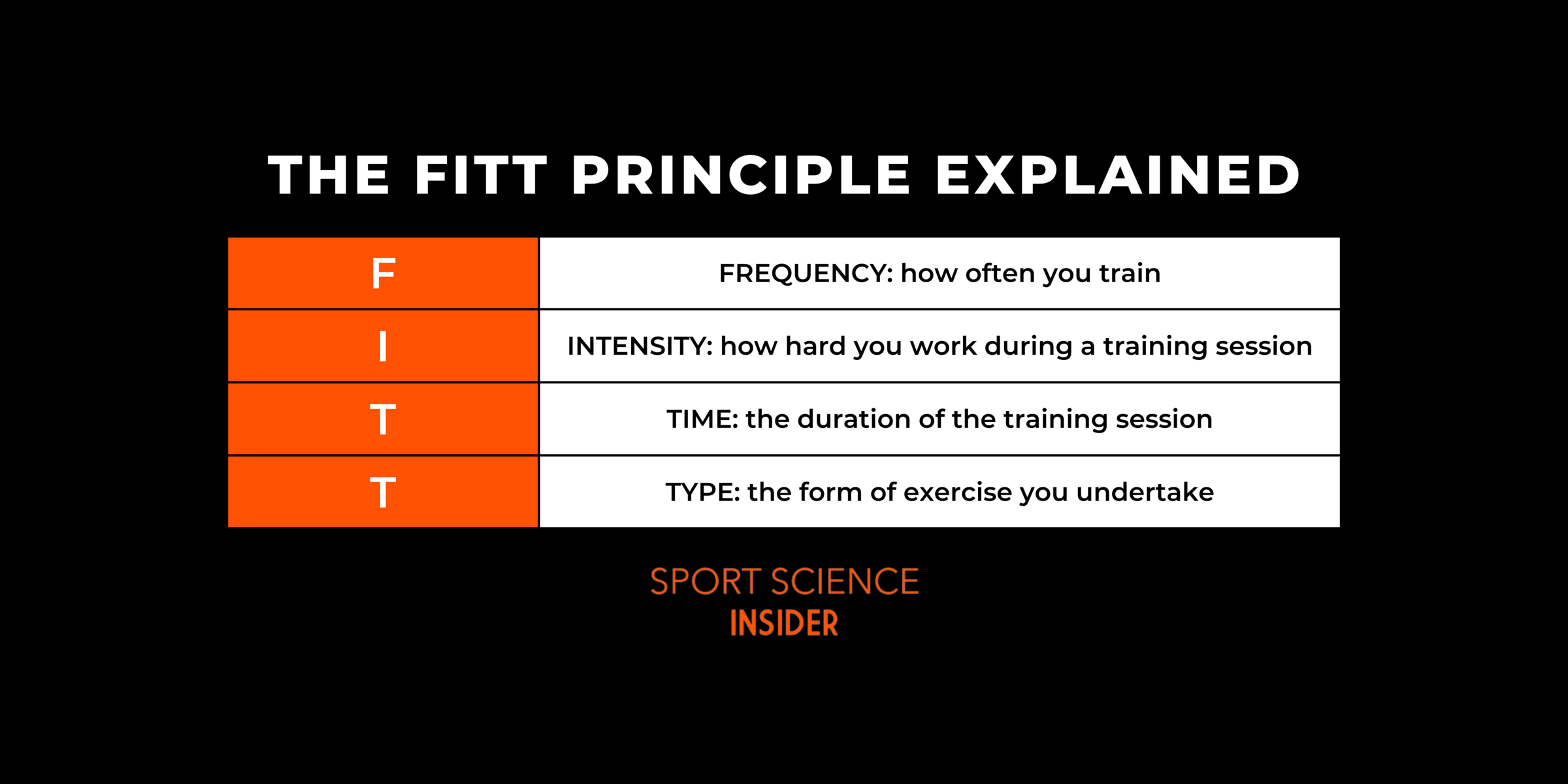
Training 3 to 4 times per week is ideal. This allows muscles to recover while building endurance and strength. Balance training days with rest for optimal progress.
How Can Beginners Avoid Injury During Training?
Warm up properly before each session and stretch afterward. Use correct form and avoid overexertion. Listen to your body and rest if you feel pain.
Should Beginners Focus On Strength Or Cardio Training First?
Start with a balanced mix of both strength and cardio. This builds overall fitness and prepares your body for advanced training later. Adjust based on your sport’s demands.
Conclusion
Adapting training for sports beginners helps build confidence and skills. Start slow and focus on simple exercises. Keep sessions fun to maintain interest and motivation. Listen to the body and avoid pushing too hard. Regular practice leads to steady progress over time.
Patience and consistency make a big difference. Everyone improves at their own pace. Enjoy the process and celebrate small wins. Training should feel good, not stressful. This approach sets a strong foundation for future growth.

Brandon Knoxley is a sport & fitness writer and training guide contributor at MySportFitHub. He focuses on practical workouts, performance-based training, and honest fitness gear insights designed for real people and real results. Brandon is passionate about helping beginners and active individuals train smarter, avoid common mistakes, and build sustainable fitness habits.