How to Restart Sports Training After Injury: Expert Tips for Success
Getting back into sports training after an injury can feel overwhelming. You might worry about re-injuring yourself or not performing like before.
But the truth is, with the right approach, you can come back stronger and smarter. This guide will show you how to restart your training safely and effectively, helping you regain confidence and reach your goals without rushing or risking more harm.
Keep reading to discover the simple steps that can make your comeback smoother and more successful.
Assessing Your Injury
Assessing your injury is the first step to a safe return to sports training. It helps you understand the damage and plan your recovery. A clear assessment prevents further harm and supports steady progress. Take time to evaluate your injury carefully before starting any activity.
Recognizing Injury Severity
Not all injuries are the same. Some may cause mild pain or swelling. Others can be severe, like fractures or tears. Pay attention to symptoms like sharp pain, loss of movement, or swelling. These signs show how serious the injury is. Early recognition helps avoid worsening the condition.
Consulting Medical Professionals
Doctors and therapists provide expert advice. They can diagnose the injury accurately. Medical tests like X-rays or scans may be needed. Professionals guide you on the right treatment and recovery steps. Follow their instructions carefully to heal well.
Identifying Physical Limitations
Injuries can limit your strength, flexibility, or balance. Notice what movements cause pain or discomfort. Avoid pushing too hard too soon. Understanding these limits helps you adjust your training plan. Gradual progress reduces the risk of re-injury.

Credit: www.youtube.com
Planning Your Comeback
Planning your comeback after an injury is a key step in sports training. It helps you avoid setbacks and build strength safely. Careful planning keeps your body and mind ready for the challenge ahead.
Start with clear steps. Focus on what your body needs. Progress slowly and listen to how you feel during each session.
Setting Realistic Goals
Set small, clear goals that match your current ability. Avoid pushing too hard too fast. Celebrate each small success. This keeps motivation high and reduces frustration.
Goals can include simple tasks like walking without pain or doing light exercises. Adjust goals as you improve to stay on track.
Creating A Gradual Training Schedule
Plan your training in stages. Begin with low-intensity exercises. Increase the intensity and duration slowly over weeks. This helps your body adapt and grow stronger.
Include different types of exercises, such as stretching, strength, and balance. Keep the routine flexible to avoid stress.
Incorporating Rest And Recovery
Rest is as important as training. Give your body time to heal after each session. Avoid training every day to prevent fatigue and injury.
Use rest days for light activities like walking or gentle stretching. Sleep well and eat healthy to support recovery.
Rebuilding Strength And Flexibility
Restarting sports training after an injury needs care and patience. Rebuilding strength and flexibility is key to prevent new injuries. The body needs time to heal and regain its full function. Simple steps help improve muscles and joints safely.
Focus on exercises that help regain power and movement. Balance is important between getting stronger and staying flexible. Avoid pushing too hard to keep progress steady. Smart training brings the body back to its best.
Targeted Rehabilitation Exercises
Choose exercises that focus on the injured area. Gentle movements help muscles recover and grow. Use light weights or resistance bands for control. Repeat exercises slowly and carefully to avoid strain. Rest between sets to allow healing. A physical therapist can guide proper exercises.
Balancing Strength And Mobility
Strength and flexibility work together in sports. Build muscle strength to support joints. Stretch regularly to keep tissues flexible. Warm up before training to prepare muscles. Cool down after workouts to reduce tightness. A balanced routine improves overall performance and reduces injury risks.
Avoiding Overtraining
Overtraining can slow recovery and cause new injuries. Listen to your body and stop if you feel pain. Take rest days to let muscles repair. Increase training intensity slowly and steadily. Sleep well to support healing. Avoid rushing the process to ensure long-term success.
Mental Preparation
Mental preparation plays a key role in restarting sports training after an injury. It helps build confidence and focus. The mind must be ready to support the body during recovery and training. Without mental strength, progress can slow down or stop. Preparing mentally means managing fears, staying motivated, and using positive techniques to imagine success. These steps make the return to training smoother and safer.
Overcoming Fear Of Reinjury
Fear of getting hurt again can stop athletes from trying their best. This fear is normal but must be controlled. Start by recognizing the fear and accepting it. Talk about your worries with coaches or friends. Set small, safe goals to build trust in your body. Celebrate each small win to gain confidence. Slowly, the fear will lose its power.
Maintaining Motivation
Staying motivated after an injury is hard but needed. Focus on your goals and why you love the sport. Keep a training journal to track progress and feel proud. Surround yourself with positive people who support your journey. Remind yourself that every step forward is success. Motivation grows with every effort, no matter how small.
Using Visualization Techniques
Visualization helps prepare the mind for real action. Close your eyes and imagine doing your sport well. Picture each movement clearly and calmly. This trains your brain to believe you can succeed. Use visualization before training or competitions. It reduces anxiety and boosts confidence. Practice regularly for the best results.
Nutrition And Hydration
Nutrition and hydration play a key role in restarting sports training after injury. The right food and fluids help the body heal faster and regain strength. They supply energy and support muscle repair. Proper nutrition also reduces inflammation and boosts the immune system. Staying hydrated improves joint function and prevents cramps. Paying attention to diet and water intake sets a strong base for safe training.
Supporting Healing With Diet
Focus on foods rich in protein to rebuild muscles and tissues. Lean meats, eggs, dairy, and beans are good choices. Include fruits and vegetables for vitamins and antioxidants that fight inflammation. Whole grains provide steady energy and fiber. Healthy fats from nuts, seeds, and fish support cell repair. Avoid processed foods and excess sugar, as they may slow healing.
Hydration Strategies
Drink water regularly throughout the day to stay hydrated. Dehydration can cause fatigue and reduce recovery speed. Monitor urine color; light yellow means good hydration. Sports drinks help replace electrolytes lost during sweating. Avoid sugary and caffeinated drinks that cause fluid loss. Aim to drink before, during, and after exercise for best results.
Supplements For Recovery
Some supplements may aid in recovery but consult a doctor first. Protein powders can help meet daily protein needs. Omega-3 fatty acids reduce inflammation and support joint health. Vitamin C and zinc boost the immune system and tissue repair. Avoid high doses or unproven supplements. Focus on a balanced diet as the primary source of nutrients.
Credit: www.seattletimes.com
Monitoring Progress
Monitoring your progress after an injury is key to a safe return to sports training. It helps you see improvements and avoid setbacks. Careful tracking guides your recovery and builds confidence.
Pay attention to how your body feels and performs. Small steps count. Celebrate each gain and adjust your plan as needed. Staying aware keeps you on the right path.
Tracking Performance Metrics
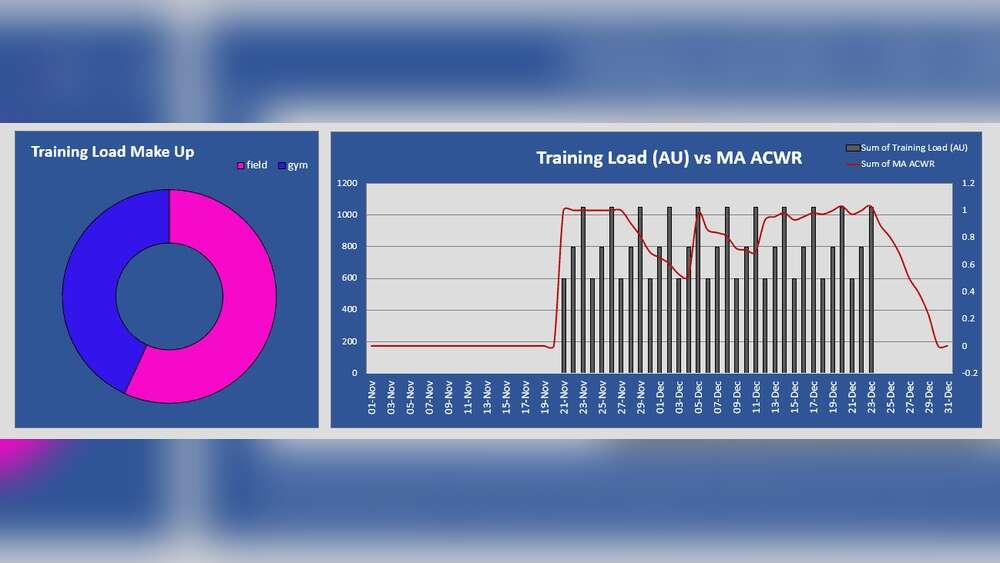
Use simple measures to track your progress. Record time, distance, or reps depending on your sport. Note any pain or discomfort during activities. Keep a training diary or use an app. These details show your strengths and weaknesses clearly.
Adjusting Training Based On Feedback
Listen to your body’s signals after each session. If pain or fatigue increases, reduce intensity or rest. Change exercises to avoid stress on the injured area. Gradually add more effort as you feel stronger. Flexibility in your plan prevents re-injury.
Knowing When To Seek Help
Do not ignore persistent pain or swelling. Difficulty moving or weakness means you should see a professional. A coach or therapist can adjust your program safely. Early help avoids long delays in recovery. Trust experts to guide you back to full strength.
Preventing Future Injuries
Preventing future injuries is essential after returning to sports training. Careful habits protect your body and help you stay active longer. Small changes in your routine reduce risks. Focus on warming up, using proper techniques, and staying in shape.
Proper Warm-up And Cool-down
Start every session with a warm-up. Gentle movements raise your heart rate and loosen muscles. This prepares your body for exercise. End with a cool-down. Slow stretching helps muscles relax and recover. Warm-ups and cool-downs lower injury chances.
Injury-prevention Techniques
Learn the right form for your sport. Use protective gear like braces or tape if needed. Balance training improves coordination and strength. Avoid sudden increases in training intensity. These steps help protect joints and muscles from damage.
Maintaining Consistent Conditioning
Stay active even on rest days. Regular exercise keeps muscles strong and flexible. Cross-train with different activities to avoid overuse. Consistent conditioning builds endurance and resilience. This reduces the chance of new injuries.
Credit: www.independent.co.uk
Frequently Asked Questions
How Soon Can I Restart Training After An Injury?
Restart training only after your doctor or therapist clears you. Healing time varies by injury type and severity. Begin with low-intensity exercises and gradually increase intensity. Rushing back can worsen your injury and delay recovery.
What Are Safe Exercises Post-injury?
Focus on low-impact activities like swimming, cycling, or walking initially. Avoid exercises that strain the injured area. Consult a physical therapist for tailored exercises that strengthen without causing pain or damage.
How To Prevent Re-injury During Training?
Warm-up thoroughly before training to prepare muscles and joints. Use proper technique and avoid overtraining. Incorporate strength and flexibility exercises to support recovery and reduce risk of re-injury.
When Should I Seek Professional Help Before Restarting?
Seek professional advice if pain persists, swelling occurs, or mobility is limited. A physical therapist or doctor can guide safe progression and identify any complications needing treatment.
Conclusion
Restarting sports training after injury takes patience and care. Listen to your body and avoid rushing. Start with light exercises and increase intensity slowly. Stay consistent but rest when needed. Focus on proper form to prevent new injuries. Celebrate small progress and keep a positive mindset.
Remember, recovery is a journey, not a race. Taking these steps helps you return stronger and safer. Keep moving forward, step by step.

Brandon Knoxley is a sport & fitness writer and training guide contributor at MySportFitHub. He focuses on practical workouts, performance-based training, and honest fitness gear insights designed for real people and real results. Brandon is passionate about helping beginners and active individuals train smarter, avoid common mistakes, and build sustainable fitness habits.