How to Improve Decision Making Sports Training: Proven Winning Strategies
Making the right decisions quickly can change the game in sports. Imagine having the confidence to choose the best move every time you step onto the field or court.
You don’t have to be a pro to improve this skill—your decision-making can get sharper with the right training. You’ll discover simple yet powerful ways to boost how you think and react during sports. Ready to take your game to the next level?
Keep reading, because what you learn here could make all the difference.
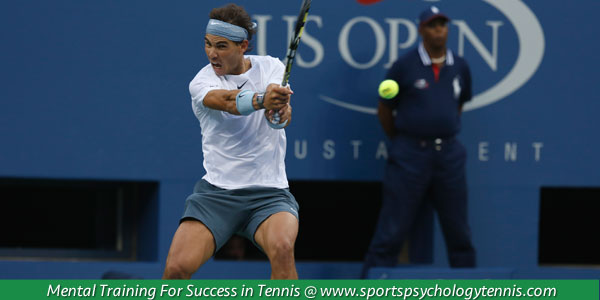
Credit: www.sportspsychologytennis.com
Importance Of Decision Making In Sports
Decision making is a key skill in sports. Athletes face many choices during games and practices. These choices affect their success and team results. Good decisions lead to better plays and higher confidence. Poor choices can cause mistakes and lost chances.
Training to improve decision making helps athletes respond fast and smart. It builds mental strength and sharpens focus. This skill is as important as physical fitness. Coaches and players must work on it regularly.
Impact On Performance
Strong decision making improves overall performance. Quick, accurate decisions help players take advantage of openings. It reduces errors and wasted efforts. Teams with good decision makers often control the game pace. Players stay calm and react well under pressure.
Better decisions increase scoring chances and defensive success. This skill also boosts teamwork. Players understand each other and act in sync. It raises the chance of winning matches.
Common Decision Challenges
Many athletes struggle with decision making during sports. Pressure and stress can slow thinking. Fatigue makes it harder to choose well. Fast game speed leaves little time to analyze options.
Confusing situations cause hesitation or wrong moves. Overthinking can lead to missed chances. Lack of experience also affects choices. Training helps overcome these challenges and builds confidence.
Mental Training Techniques
Mental training techniques improve decision making in sports training. Athletes gain focus, control, and confidence. These skills help players act quickly and correctly during matches. Mental strength is as important as physical ability. Training the mind prepares athletes for tough moments.
Visualization Exercises
Visualization means imagining success before it happens. Athletes picture themselves making good decisions in games. This practice builds confidence and reduces mistakes. Visualizing helps the brain prepare for real situations. It trains players to react faster and better.
Mindfulness And Focus
Mindfulness teaches athletes to stay in the present moment. It reduces distractions during training and matches. Focus improves by paying attention to breathing or body sensations. This skill helps players stay calm under pressure. Better focus leads to smarter decisions on the field.
Stress Management
Stress can blur thinking and slow reactions. Managing stress keeps the mind clear and sharp. Techniques like deep breathing and positive self-talk calm nerves quickly. Lower stress levels help players stay composed. Calm minds make better choices and avoid errors.
Physical Drills To Enhance Decision Speed
Physical drills play a key role in making faster decisions during sports. These exercises train the body and mind to react quickly. Speeding up decision-making improves overall performance on the field.
Practicing specific drills helps athletes sharpen their focus and reaction time. The body learns to respond to different situations rapidly. This leads to better choices under pressure.
Reaction Time Drills
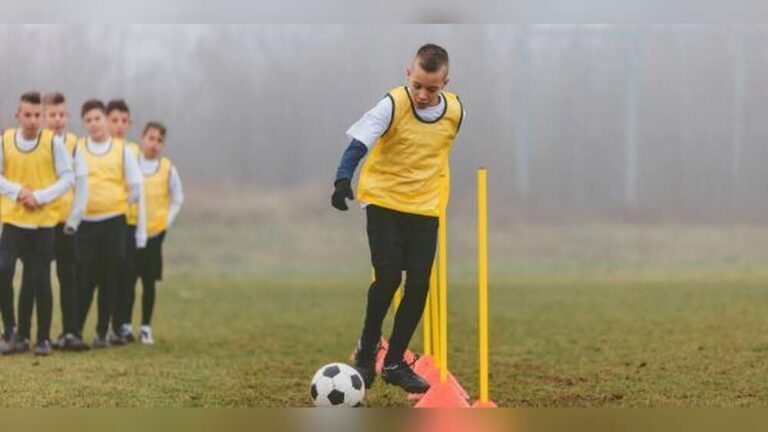
Reaction time drills boost how fast athletes respond to signals. Simple exercises like sprint starts or catching balls improve reflexes. Using lights or sounds as triggers helps train the brain and body to react faster.
These drills teach players to stay alert and act immediately. Quick responses reduce hesitation and increase confidence. Reaction drills also build muscle memory for faster movements.
Simulated Game Scenarios
Simulated game scenarios mimic real match situations during training. Coaches set up plays or challenges that require fast decisions. Players practice reading opponents’ moves and choosing the best action quickly.
These drills prepare athletes for pressure and unpredictability. Training in realistic settings improves decision-making speed and accuracy. It also helps players stay calm and focused during games.

Credit: theexcellingedge.com
Role Of Feedback And Analysis
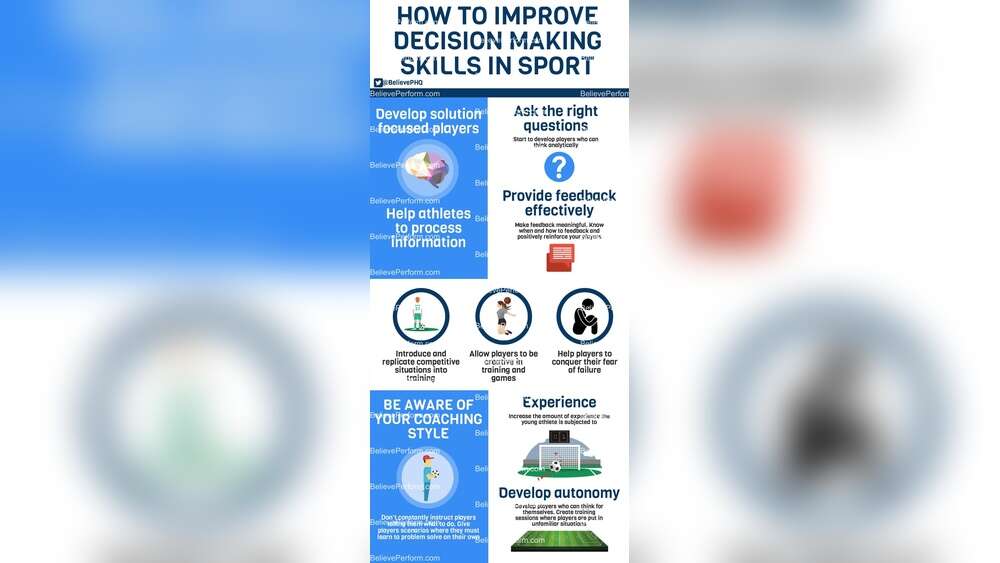
Feedback and analysis play a key role in improving decision making during sports training. They help athletes see what works and what does not. This clear view builds better choices in real game situations. Careful review helps players learn fast and avoid repeating mistakes.
Using feedback and analysis, coaches and players can focus on specific skills. This targeted approach saves time and energy. It also boosts confidence as players understand their strengths and weaknesses better.
Video Review Sessions
Video review sessions let players watch their performance closely. Seeing actions on screen reveals details missed during play. Players notice body movements, positioning, and timing. This visual proof guides better decisions next time.
Reviewing videos with coaches helps highlight key moments. Coaches point out good choices and errors. This clear feedback helps players understand how decisions affect results. Repeated video sessions build strong habits and quick thinking.
Coach And Peer Feedback
Coach feedback gives expert advice on decision making. Coaches use their experience to suggest improvements. They encourage players to think critically about choices made in training and games.
Peer feedback offers a fresh view from teammates. Players learn from each other’s experiences and ideas. Sharing thoughts builds trust and teamwork. This group support improves decision skills under pressure.
Developing Situational Awareness
Developing situational awareness is key to better decision making in sports training. It means knowing what is happening around you at all times. This skill helps athletes respond faster and make smarter choices during play. Training your mind to notice details improves your overall performance.
Reading Opponents
Reading opponents means watching their movements closely. Notice their body language, speed, and patterns. This helps predict their next move before it happens. Practice watching videos or live games to spot common behaviors. Knowing what your opponent might do gives you a big advantage.
Environmental Cues
Environmental cues are signals from the playing area. Watch the position of teammates and space on the field or court. Notice weather conditions, lighting, and surface type. These factors affect your choices and actions. Being aware of the environment helps you adapt quickly and stay ahead.
Building Confidence In Choices
Building confidence in choices is key to better decision making in sports training. Confident athletes trust their instincts and act quickly. This trust grows with practice and support. It helps reduce hesitation during games and training sessions.
Confidence comes from a positive mindset and learning from every experience. Small wins build belief in your decisions. Even mistakes teach valuable lessons. This section explores how to build confidence using two important methods.
Positive Reinforcement
Positive reinforcement means praising good decisions and efforts. Coaches and teammates can offer kind words and encouragement. This support boosts self-belief and motivates athletes to keep trying. Celebrating small successes helps athletes feel proud of their choices.
Focus on what worked well, not just the outcome. Recognize effort and improvement to build confidence. Positive feedback creates a safe space for making decisions without fear.
Learning From Mistakes
Mistakes are part of every athlete’s journey. Instead of fearing errors, use them to learn. Analyze what went wrong and find ways to improve. This process turns failures into stepping stones.
Accept mistakes as a natural part of growth. Each error provides clues to make better choices next time. Embracing mistakes builds resilience and strengthens decision-making skills.
Technology Aids In Decision Training
Technology plays a big role in training athletes to make better decisions. It helps simulate real game situations and tracks player responses. Coaches and players use these tools to practice decision-making under pressure. Technology makes training more precise and focused.
Wearable Devices
Wearable devices collect data on player movements and heart rate. This data shows how players react in different situations. Coaches use this information to improve decision speed and accuracy. Wearables also monitor fatigue, helping players avoid poor decisions from tiredness. Small sensors and smart watches are common examples.
Virtual Reality Simulations
Virtual reality creates lifelike game scenarios for players to practice decisions. Players experience fast-paced action without physical risk. This method trains visual skills and quick thinking. It allows repeated practice of specific situations until decisions improve. VR helps players stay focused and confident during real games.
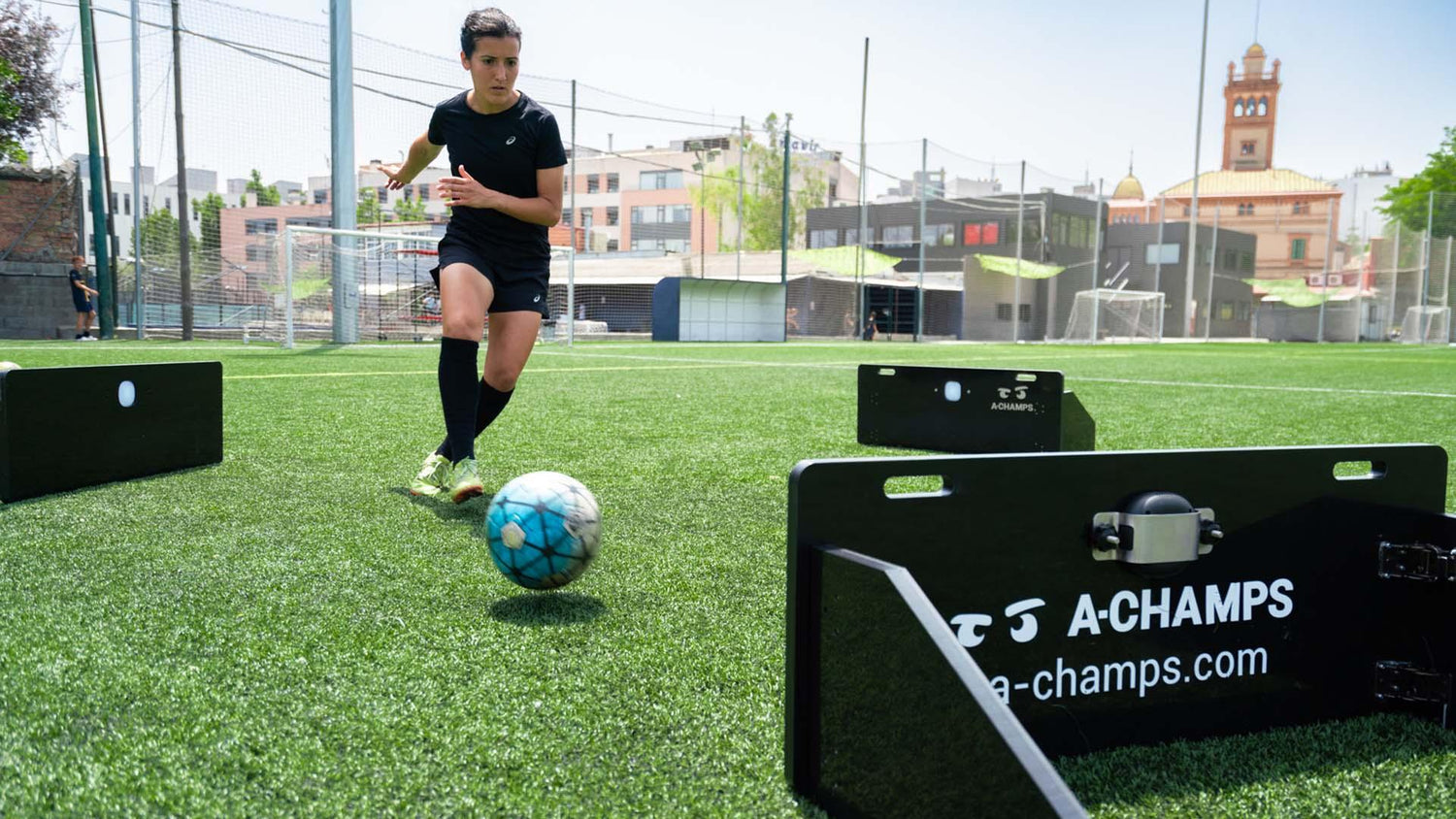
Credit: a-champs.com
Frequently Asked Questions
What Are Key Techniques To Improve Decision Making In Sports Training?
Key techniques include scenario practice, video analysis, and reaction drills. These enhance quick thinking and adaptability during games. Consistent mental conditioning also sharpens focus and reduces errors under pressure.
How Does Mental Training Enhance Sports Decision Making?
Mental training improves concentration, confidence, and stress management. Visualization and mindfulness help athletes anticipate situations and make faster, better choices on the field.
Can Technology Help Improve Decision Making In Sports?
Yes, tools like VR simulations and performance analytics provide real-time feedback. They allow athletes to practice decisions in realistic settings, boosting accuracy and reaction time.
Why Is Feedback Important For Better Decision Making In Sports?
Feedback identifies strengths and weaknesses in choices made during training and games. Constructive critiques guide improvement, helping athletes adjust strategies and enhance future decisions.
Conclusion
Improving decision-making in sports training takes practice and focus. Athletes should train their minds as well as their bodies. Clear thinking helps make quick choices during games. Using drills that mimic real situations builds confidence. Coaches and players can work together to sharpen skills.
Small improvements each day lead to better results. Remember, good decisions come from steady effort and learning. Keep training smart, stay patient, and watch your game improve.

Brandon Knoxley is a sport & fitness writer and training guide contributor at MySportFitHub. He focuses on practical workouts, performance-based training, and honest fitness gear insights designed for real people and real results. Brandon is passionate about helping beginners and active individuals train smarter, avoid common mistakes, and build sustainable fitness habits.