
How to Train Cardio Specifically for Sports: Boost Performance Fast
If you want to perform better in your sport, simply running on a treadmill won’t cut it. Your cardio training needs to match the specific demands of your game.
Imagine having the stamina to outlast your opponents or the burst of energy to push harder when it counts most. That’s exactly what targeted cardio training can do for you. You’ll discover simple, effective ways to train your heart and lungs in a way that directly improves your sports performance.
Ready to take your game to the next level? Keep reading to find out how.
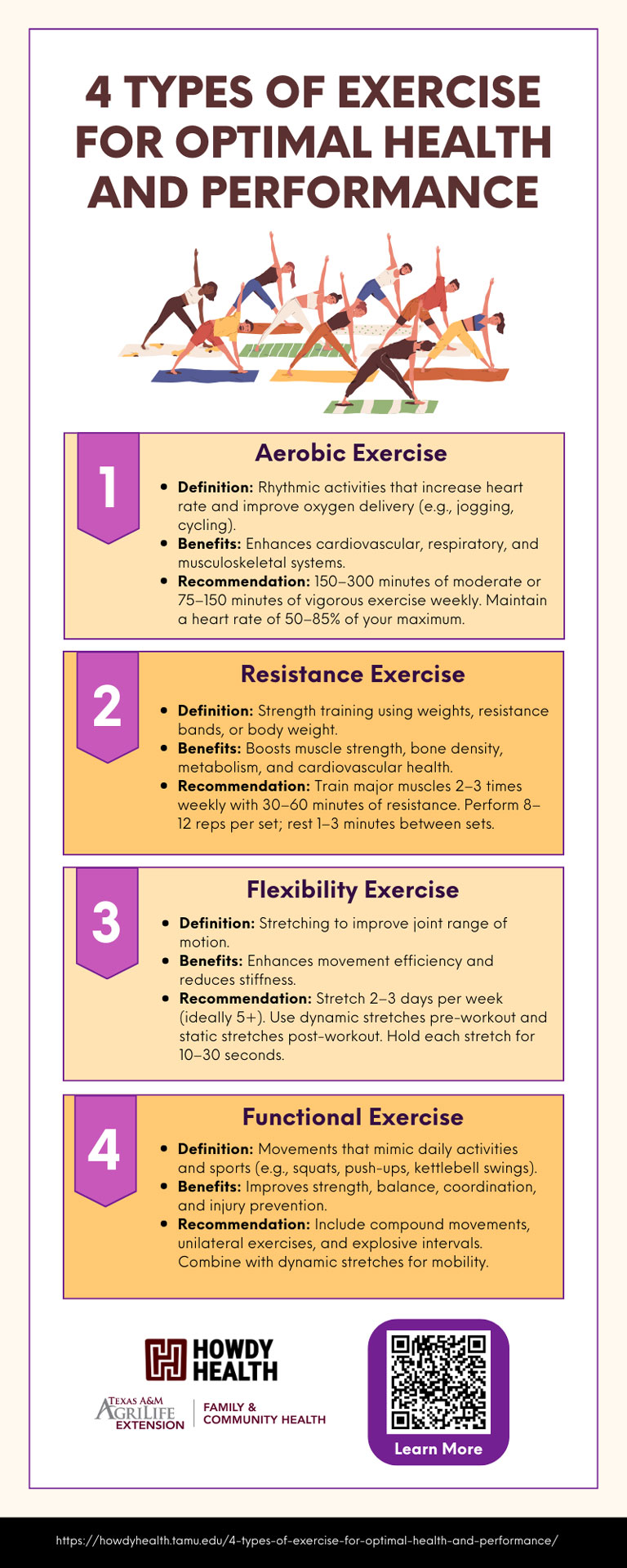
Credit: howdyhealth.tamu.edu
Cardio Types For Sports
Cardio training plays a key role in sports performance. Different sports demand different types of cardio fitness. Understanding these types helps you train smarter. It improves endurance, speed, and recovery. Choosing the right cardio type fits the sport’s needs and boosts results.
Aerobic Vs Anaerobic
Aerobic cardio uses oxygen to fuel the body. It supports activities lasting several minutes or more. Running, cycling, and swimming at a steady pace are aerobic exercises. This type builds endurance and helps athletes stay active longer.
Anaerobic cardio does not rely on oxygen. It fuels short, intense bursts of activity. Sprinting, jumping, and weightlifting are anaerobic exercises. This type improves power, speed, and quick recovery.
Both types are important. Aerobic helps with stamina. Anaerobic boosts strength and speed. Sports often require a mix of both cardio types.
Sport-specific Demands
Each sport has unique cardio needs. Soccer players need endurance and quick sprints. Basketball players require constant movement and fast bursts.
Long-distance runners focus more on aerobic training. Sprinters work mainly on anaerobic power. Swimmers blend both types depending on race distance.
Training should match the sport’s intensity and duration. Tailoring cardio workouts helps improve performance and reduce injury risk.

Credit: www.edgeiceacademy.com
Assessing Your Current Fitness
Assessing your current fitness is a key step in training cardio for sports. It helps you understand your starting point. This knowledge guides your workouts and tracks your progress. Without assessment, training can be unfocused and less effective.
Fitness tests give clear data about your endurance and stamina. They reveal strengths and areas needing improvement. This way, you train smarter, not harder.
Fitness Tests
Fitness tests measure how well your body handles cardio work. Common tests include the beep test, mile run, and step test. These tests check your heart rate, breathing, and recovery speed.
Perform tests in a safe, controlled environment. Record your results and repeat tests every few weeks. This helps you see progress and adjust training plans.
Identifying Weaknesses
Fitness tests highlight where your cardio falls short. You might struggle with endurance, speed, or recovery. Pinpointing these weaknesses lets you focus training on them.
For example, slow recovery means you need interval training. Poor endurance calls for longer steady-state cardio sessions. Targeting weaknesses improves overall sports performance.
Designing Your Cardio Plan
Designing your cardio plan is key to improving your sports performance. A good plan targets the heart and lungs in ways that match your sport’s demands. It builds endurance, speed, and recovery. Choose types of cardio that fit your sport’s intensity and duration. Balance hard efforts with easier sessions. This helps avoid injury and burnout. Let’s explore three effective cardio methods you can include in your training.
Interval Training
Interval training mixes short bursts of high effort with recovery periods. This trains your body to work hard and recover fast. For example, sprint for 30 seconds, then walk for 1 minute. Repeat several times. This type of training boosts speed and stamina. It mimics the quick pace changes in many sports. Start with a few intervals and increase as you get stronger.
Steady-state Cardio
Steady-state cardio means working at a steady, moderate pace for a longer time. Think jogging or cycling at the same speed for 30 to 60 minutes. This builds a solid aerobic base. It helps your heart pump blood efficiently during long games or matches. Keep your pace steady but not too easy. You should be able to talk but not sing.
Fartlek Training
Fartlek is a Swedish word for “speed play.” It blends steady pace running with random bursts of faster speed. Run at a comfortable pace, then pick a tree or lamp post and run faster until you reach it. Slow down and repeat with different targets. This trains your body to adjust speed easily. It prepares you for the unpredictable pace in sports.

Credit: www.sirelmagroup.it
Incorporating Sport Movements
Training cardio for sports means more than running long distances. It requires moving like you do in your sport. Incorporating sport movements into cardio helps build strength and endurance that matches your game.
Practicing specific moves makes your training more useful. It prepares your body to handle real game situations. This method improves your speed, balance, and reaction time.
Mimicking Game Scenarios
Copy the moves you perform during matches. Practice short bursts of running, quick stops, and sudden direction changes. These actions train your heart and muscles to work together efficiently.
Include drills that simulate actual plays. This helps your body get used to the intensity and pace of your sport. It also reduces injury risk by preparing muscles for real stress.
Agility And Speed Drills
Use cones, ladders, or markers to set up drills. Focus on fast footwork and sharp turns. These exercises increase your ability to move quickly and control your body.
Speed drills improve how fast you start and stop. Agility training makes your movements smoother and more precise. Both are vital for sports requiring quick reactions and changes in direction.
Tracking Progress And Adjustments
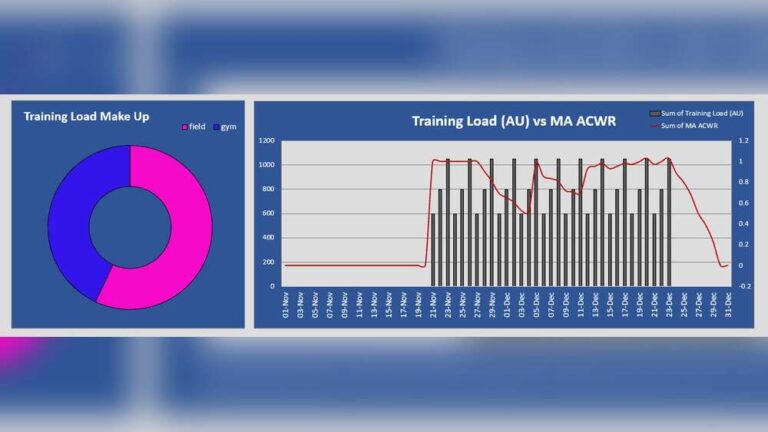
Tracking progress and making adjustments are key to effective cardio training for sports. Without tracking, you won’t know if your training works. Regular checks help you spot gains and areas needing change.
Consistent monitoring keeps your workouts on track. It ensures your effort matches your sport’s demands. Adjustments prevent plateaus and reduce injury risks.
Performance Metrics
Use clear, simple metrics to measure your cardio progress. Heart rate is a good start. Track your resting and active heart rates over time. A lower resting heart rate often means better fitness.
Time to complete specific drills or distances also shows progress. Record how long you take to run or cycle set distances. Compare your times weekly or monthly.
Pay attention to perceived effort too. Rate your workout difficulty on a scale of 1 to 10. Lower effort for the same workout means improved fitness.
When To Increase Intensity
Increase intensity when workouts feel easier than before. If your heart rate drops during a steady effort, push harder. Add more speed, incline, or resistance to challenge yourself.
Notice if your recovery time shortens. Faster recovery means you can handle higher intensity. Boost your training load gradually to avoid injury.
Watch for signs of fatigue or soreness. Rest or reduce intensity if you feel overly tired. Balance challenge with recovery for steady gains.
Nutrition And Recovery
Nutrition and recovery play a key role in training cardio for sports. Proper fuel and rest help improve performance. They also reduce the risk of injury and fatigue. Paying attention to these areas supports consistent progress and endurance.
Fueling Cardio Workouts
Eating the right foods boosts energy for cardio workouts. Carbohydrates are the main fuel for endurance activities. Choose whole grains, fruits, and vegetables for lasting energy. Protein helps repair muscles after training sessions. Include lean meats, beans, or dairy in your meals. Hydration is vital. Drink water before, during, and after exercise to stay hydrated. Avoid heavy meals right before workouts to prevent discomfort.
Rest Strategies
Rest allows your body to recover and build strength. Aim for 7 to 9 hours of sleep each night. Good sleep improves focus and energy for training. Include rest days in your workout plan. Use light activities like walking or stretching on those days. Listen to your body. Take extra rest if you feel tired or sore. Recovery techniques like foam rolling and gentle stretching can ease muscle tightness.
Frequently Asked Questions
What Is Cardio Training For Sports Performance?
Cardio training for sports focuses on enhancing endurance, speed, and recovery. It targets sport-specific movements. This improves overall athletic performance and stamina during games or competitions.
How Often Should I Do Cardio For Sports?
Aim for 3-5 cardio sessions weekly. Balance intensity with recovery. Consistent training boosts cardiovascular capacity and sport-specific fitness effectively.
Which Cardio Exercises Improve Sports Endurance Best?
Running, cycling, swimming, and interval training boost endurance. These activities mimic sport demands, improving stamina and energy use during play.
Can Interval Training Enhance Sport-specific Cardio Fitness?
Yes, interval training alternates high and low intensity. It develops speed, recovery, and cardiovascular strength, crucial for many sports.
Conclusion
Training cardio for sports improves your endurance and overall performance. Focus on exercises that match your sport’s demands. Consistent practice builds your heart and lungs stronger. Mix steady runs with short, fast sprints for best results. Rest days help your body recover and grow.
Keep track of progress to stay motivated. Enjoy the process and stay patient. Your efforts will show on the field or court soon. Stay active, stay focused, and keep pushing forward.

Brandon Knoxley is a sport & fitness writer and training guide contributor at MySportFitHub. He focuses on practical workouts, performance-based training, and honest fitness gear insights designed for real people and real results. Brandon is passionate about helping beginners and active individuals train smarter, avoid common mistakes, and build sustainable fitness habits.