How to Use Basic Gear for Sports Training: Boost Performance Fast
Are you ready to take your sports training to the next level without spending a fortune or getting overwhelmed by complicated equipment? Using basic gear can boost your performance, help you stay consistent, and reduce the risk of injury.
But how do you choose the right tools and use them effectively? You’ll discover simple, practical tips to make the most of basic sports gear—whether you’re just starting out or looking to sharpen your skills. Keep reading, and you’ll soon feel more confident and motivated every time you train.
Credit: www.usalacrosse.com
Essential Gear For Beginners
Starting sports training needs the right gear. Essential gear helps beginners practice well and stay safe. Choosing simple and effective equipment makes training fun and easy.
Basic gear suits many sports and training types. It supports skills and builds confidence. Gear does not have to be costly or complex to work well.
Choosing The Right Equipment
Select gear that fits your sport and body size. Shoes should provide good grip and support. Clothing must be comfortable and allow movement. Pick equipment made for beginners to ensure ease of use.
Budget-friendly Options
Start with affordable gear that meets safety standards. Check local stores or online sales for discounts. Used or second-hand equipment can be good. Focus on quality over brand or extras.
Safety First
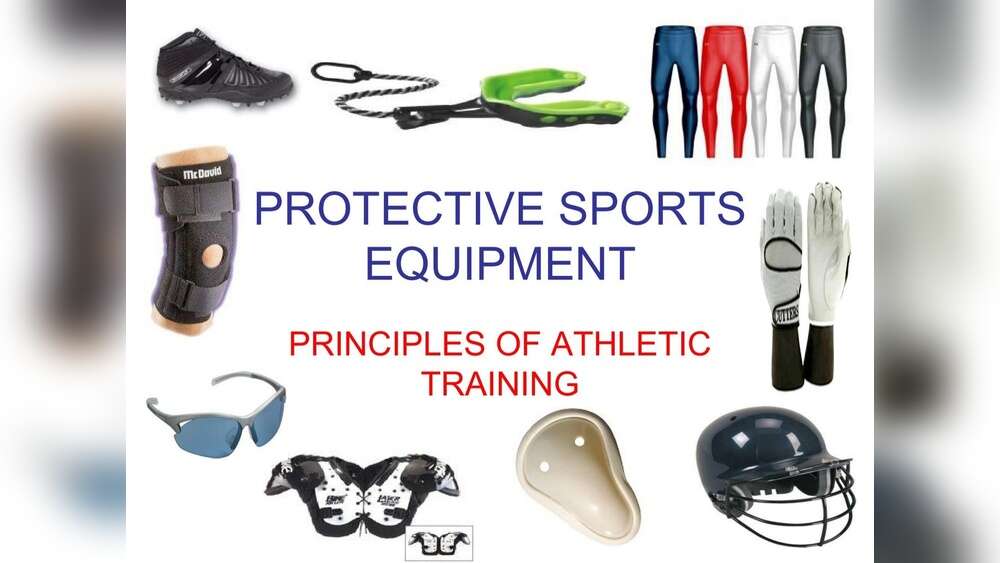
Always wear protective gear like helmets or pads if needed. Inspect equipment for damage before each use. Replace worn-out items to avoid injuries. Training safely helps build good habits early.

Credit: sskbaseballshop.com
Setting Up Your Training Space
Setting up your training space is the first step in sports training. A well-arranged area helps you focus and train better. You do not need a big space or expensive equipment. Using basic gear in a smart way will give good results.
Optimizing Small Areas
Small spaces can work well for sports training. Clear the floor and remove objects that block movement. Use wall-mounted racks or hooks to save floor space. Choose gear that fits your area, like resistance bands or light dumbbells. Keep your training space tidy to avoid accidents.
Indoor Vs Outdoor Settings
Indoor spaces offer protection from weather and distractions. Soft mats can protect your joints and floors. Outdoor spaces give more room and fresh air. Grass or dirt provide natural cushioning for exercises. Pick the location based on your training needs and weather.
Organizing Your Gear
Organize your gear for easy access and safety. Use shelves, bins, or baskets to store small items. Label containers to find equipment quickly. Store heavier items low to prevent injuries. Keeping gear organized saves time and keeps your space clean.
Incorporating Gear Into Workouts
Using basic gear can improve your sports training. Gear helps your body warm up better, build strength, and boost endurance. Simple tools fit into any workout. They make exercises safer and more effective. You do not need expensive items to start.
Focus on adding gear step-by-step. Start with tools for warming up. Then try items for strength training. Finish with gear that supports cardio. This way, your workouts stay balanced and fun.
Warm-up Tools
Warm-up tools prepare your muscles for exercise. Resistance bands stretch muscles gently. Foam rollers reduce tightness and improve blood flow. Jump ropes raise your heart rate quickly. These tools lower injury risk. They make moving easier before tough workouts.
Strength Training Aids
Strength aids help build muscle power. Dumbbells add weight for arm and shoulder exercises. Kettlebells work multiple muscles at once. Medicine balls improve core strength and coordination. These simple tools increase workout variety. They help your body grow stronger safely.
Cardio Enhancers
Cardio gear boosts heart and lung fitness. Jump ropes improve speed and endurance. Agility ladders train quick footwork and balance. Weighted vests increase workout intensity. These tools make cardio sessions more effective. They push your stamina without needing a gym.
Maximizing Performance Quickly
Maximizing performance quickly requires smart use of basic sports gear. Focus on simple steps to improve strength and skill fast. Using equipment correctly helps boost results and lowers injury risk.
Progressive Training Tips
Start with light weights or low resistance. Increase intensity slowly to avoid strain. Use proper form to target the right muscles. Change exercises to work different muscle groups. Rest days help muscles recover and grow stronger.
Tracking Improvement
Keep a training log to record workouts and progress. Note weights, reps, and duration each session. Review data weekly to spot improvements or plateaus. Small gains add up over time. Adjust training based on your progress.
Avoiding Common Mistakes
Do not skip warm-ups or cool-downs. Avoid rushing through exercises without control. Do not use gear that is too heavy or too light. Listen to your body to prevent injuries. Consistency beats short, intense bursts of training.
Maintaining And Upgrading Equipment
Maintaining and upgrading your sports gear is key for safe and effective training. Proper care extends the life of your equipment. Upgrading helps improve performance as skills grow. Both steps ensure you stay comfortable and protected during workouts.
Cleaning And Storage
Clean your gear after each use. Dirt and sweat can damage materials over time. Use mild soap and water for most items. Let them dry completely before storing.
Store equipment in a cool, dry place. Avoid direct sunlight and damp areas. Use bags or boxes to keep gear organized and safe from dust.
When To Replace Gear
Check your equipment regularly for wear and tear. Cracks, frays, or broken parts mean it’s time to replace. Old gear can cause injuries or reduce effectiveness.
Replace shoes every 300-500 miles or when soles wear out. Change protective gear if padding compresses or straps break. Don’t wait for failures during training.
Investing In Advanced Tools
Advanced gear can boost your training as skills improve. Consider better shoes for support or smartwatches for tracking progress. Choose tools that fit your current needs and budget.
Upgrade gradually. Test new equipment before relying on it fully. This helps avoid distractions and ensures comfort during workouts.
Credit: sportssurge.alibaba.com
Frequently Asked Questions
What Basic Gear Is Essential For Sports Training?
Essential gear includes comfortable shoes, moisture-wicking clothes, a water bottle, and sport-specific equipment like balls or resistance bands. This gear helps improve performance and prevent injuries during training sessions.
How Do I Choose The Right Sports Training Gear?
Select gear based on your sport, comfort, fit, and durability. Quality gear enhances training effectiveness and reduces injury risk. Always prioritize breathable materials and proper sizing.
Can Basic Gear Improve Sports Training Results?
Yes, using basic gear enhances safety, comfort, and performance. Proper equipment supports correct technique and consistent practice, leading to better training outcomes.
How Often Should Sports Training Gear Be Replaced?
Replace gear when it shows wear or no longer fits well. Regularly check shoes, clothing, and equipment to ensure safety and optimal performance.
Conclusion
Using basic gear helps improve your sports training step by step. Simple tools make exercises safer and more effective. Practice regularly and stay consistent with your routine. Focus on proper use to avoid injuries. Small efforts lead to better strength and skills.
Keep your gear in good shape for long use. Training with the right basics builds a strong foundation. Stay patient, and enjoy the progress you make each day.

Brandon Knoxley is a sport & fitness writer and training guide contributor at MySportFitHub. He focuses on practical workouts, performance-based training, and honest fitness gear insights designed for real people and real results. Brandon is passionate about helping beginners and active individuals train smarter, avoid common mistakes, and build sustainable fitness habits.