
How to Train Consistently for Sports Goals: Ultimate Success Guide
Are you struggling to stick to your training routine? You want to improve your skills and reach your sports goals, but staying consistent feels tough.
What if you could unlock simple habits that keep you motivated and on track every day? You’ll discover practical tips that make training feel easier and more natural. By the end, you’ll have a clear plan to train consistently and watch your progress soar.
Ready to take control of your training and achieve the results you want? Let’s dive in.

Credit: www.trainingnets.com
Setting Clear Goals
Setting clear goals is key to training consistently for sports. Goals give direction and keep motivation high. They help you focus on what matters most. Without clear targets, training can feel random and tiring. Setting goals also breaks big dreams into smaller, doable steps.
Clear goals guide your daily actions. They make it easier to track progress and adjust plans. This section explains how to set effective goals for steady sports improvement.
Short-term Vs Long-term Targets
Short-term targets are small goals you can reach in days or weeks. They build habits and create quick wins. For example, improving running speed by 5% in a month.
Long-term targets focus on big achievements over months or years. They keep you motivated during tough times. For example, running a marathon or making a team.
Both types of targets work together. Short-term targets support long-term dreams. Clear short-term goals make big goals less scary.
Measuring Progress Effectively
Tracking progress helps you see how far you’ve come. Use simple methods like a training journal or app. Record times, weights, distances, or skills improved.
Set regular check points to review your results. This shows what works and what needs change. Avoid guessing progress. Numbers and facts give a real picture.
Measuring progress boosts confidence and keeps training on track. It prevents frustration and helps you stay focused on your sports goals.
Creating A Training Plan
Creating a training plan is key to reaching your sports goals. It helps you train with focus and avoid burnout. A good plan includes the right balance of hard work, rest, and skill practice. It keeps you motivated and on track.
Balancing Intensity And Recovery
Push yourself during workouts but avoid overdoing it. Intense training builds strength and endurance. Rest days help your body heal and grow stronger. Plan light sessions or breaks between hard workouts. This balance prevents injuries and keeps energy high.
Incorporating Skill Development
Practice skills alongside fitness training. Skills improve your game and boost confidence. Break skills into small parts and practice regularly. Use drills to target weak areas. Skill work should not tire you out but sharpen your focus.
Scheduling Workouts Realistically
Set a schedule you can follow every week. Count your work, school, and family time. Choose workout times that fit your daily routine. Short, consistent sessions work better than long, rare ones. Adjust your plan as life changes to stay consistent.
Building Discipline And Motivation
Building discipline and motivation is key for consistent sports training. Without these, progress slows or stops. Discipline helps you keep going even when you feel tired. Motivation gives you the reason to push harder. Both work together to reach your sports goals.
Developing Consistent Habits
Good habits make training automatic. Set a regular schedule for your workouts. Train at the same time every day. Small habits, like preparing your gear the night before, help too. Over time, these habits become natural. You train without needing extra willpower.
Using Mental Techniques To Stay Focused
Focus is a muscle. Practice mental exercises like visualization. Imagine yourself succeeding in your sport. Use positive self-talk to boost confidence. Break training into small, clear tasks. This keeps your mind on the present moment. Avoid distractions by creating a quiet training space.
Tracking Motivation Levels
Motivation changes daily. Keep a journal of how motivated you feel. Note what affects your mood and energy. Identify patterns that help or hurt motivation. Reward yourself for small achievements. This makes training feel more enjoyable. Adjust your goals if motivation drops too low.
Nutrition And Hydration
Nutrition and hydration play a big role in training for sports goals. Eating the right foods and drinking enough water help your body work well. They improve energy, focus, and recovery. Without good nutrition and hydration, training feels harder and progress slows.
Fueling For Performance
Your body needs fuel to perform at its best. Carbohydrates give quick energy for workouts. Proteins help build and repair muscles. Healthy fats support long-lasting energy and brain function. Eat a balance of these nutrients daily to keep energy steady.
Choose whole foods like fruits, vegetables, lean meats, nuts, and grains. Avoid too much sugar or processed snacks. These cause energy crashes and hurt performance.
Hydration Strategies
Water is essential for training success. It keeps your body cool and joints moving. Drink water before, during, and after exercise. Small sips often work better than gulping large amounts.
For intense or long workouts, add electrolytes like sodium or potassium. These help keep fluid balance and prevent cramps. Avoid sugary drinks or caffeine, which can dehydrate you.
Timing Meals Around Training
When you eat affects your training quality. Have a small meal or snack 1 to 2 hours before exercise. This gives energy without feeling heavy. Good options include a banana with peanut butter or yogurt with fruit.
After training, eat protein and carbs within 30 minutes. This speeds muscle recovery and refills energy stores. A simple example is a chicken sandwich or smoothie with protein powder.
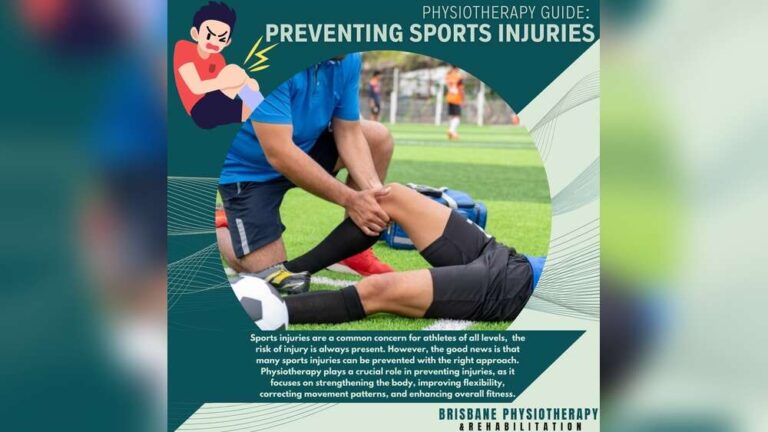
Preventing Injuries
Preventing injuries is key to training consistently for sports. Injuries can stop progress and cause pain. Taking steps to avoid injuries helps keep training on track. Simple habits can protect your body and improve performance.
Warm-up And Cool-down Routines
Start each session with a warm-up. Light jogging or stretching helps muscles get ready. Warm muscles reduce the chance of strains and tears. End workouts with a cool-down to relax muscles. Stretching after exercise helps prevent stiffness and soreness. These routines prepare your body and help it recover.
Recognizing Early Warning Signs
Listen to your body during training. Pain, swelling, or unusual tiredness are warning signs. Do not ignore small aches or discomfort. Early detection allows you to adjust your training. Taking action early can stop minor issues from becoming serious injuries.
Incorporating Rest Days
Rest days are important for recovery. Muscles need time to heal and grow stronger. Training every day can cause overuse injuries. Plan rest days in your weekly routine. Use these days to relax or do light activities. Proper rest keeps your body healthy and ready to perform.

Credit: sportswestathleticclub.com
Adjusting Training Over Time
Adjusting training over time is key to steady progress in sports. As your body adapts, your workout needs change. Sticking to the same routine can slow improvement. Changing your plan keeps your muscles and mind engaged. It helps you avoid injuries and stay motivated. Smart adjustments lead to better results and long-term success.
Monitoring Fatigue And Avoiding Burnout
Fatigue builds up with constant training. Watch for signs like tiredness, poor sleep, or low energy. Ignoring these signs can cause burnout. Burnout makes you lose interest and performance. Take rest days seriously. Use light training sessions to help recovery. Listening to your body prevents overtraining and keeps you strong.
Adapting Plans For Plateaus
Plateaus happen when progress stalls. Your body gets used to the same exercises. Changing intensity, volume, or type of workout breaks plateaus. Add new challenges like different drills or weights. Small changes push your limits and boost gains. Regularly update your plan to avoid getting stuck.
Incorporating Cross-training
Cross-training means doing different sports or exercises. It helps balance muscle groups and prevent injury. Swimming, cycling, or yoga can improve strength and flexibility. Cross-training also keeps workouts interesting. It improves overall fitness and supports your main sport. Mix cross-training into your routine for better results.
Leveraging Support Systems
Training for sports goals can be tough without the right support. Having a strong support system helps you stay focused and motivated. Support systems offer guidance, encouragement, and useful feedback. They make your training more effective and enjoyable.
Working With Coaches And Trainers
Coaches and trainers provide expert advice tailored to your needs. They create clear plans that fit your skill level and goals. These professionals watch your technique and help prevent injuries. Their feedback keeps you improving and on track.
Regular sessions with a coach build discipline and routine. They push you gently when you feel like giving up. Coaches also celebrate your progress, boosting your confidence.
Building A Training Community
A training community includes teammates, friends, and fellow athletes. Training with others creates a sense of belonging. You share challenges and celebrate successes together. This shared experience increases your motivation.
Communities encourage accountability. When others expect you to show up, you are less likely to skip sessions. Group workouts can make training fun and competitive in a healthy way.
Using Technology For Feedback
Technology helps track your progress in real time. Apps and devices monitor your speed, heart rate, and effort. This data shows what works and what needs change.
Video analysis lets you see your form and correct mistakes. Online platforms connect you with coaches and peers for advice. Technology makes training smarter and more precise.
Credit: bownet.net
Frequently Asked Questions
How Often Should I Train To Meet Sports Goals?
Training consistently 3-5 times weekly helps build skill and endurance. Regular sessions improve performance and prevent burnout. Adjust frequency based on your sport and fitness level.
What Are Key Habits For Consistent Sports Training?
Set clear goals, create a schedule, and track progress. Prioritize rest and nutrition. Stay motivated by varying workouts and celebrating small wins.
How Do I Avoid Burnout During Sports Training?
Incorporate rest days and cross-training to prevent fatigue. Listen to your body and adjust intensity. Maintain a balanced lifestyle to keep motivation high.
What Role Does Nutrition Play In Training Consistency?
Proper nutrition fuels workouts and aids recovery. Eat balanced meals rich in protein, carbs, and healthy fats. Hydrate well to maintain energy and focus.
Conclusion
Consistency is key to reaching your sports goals. Small steps every day build strong habits. Stay patient and keep your focus clear. Rest and recovery help your body grow. Celebrate progress, no matter how small it seems. Training regularly will improve your skills over time.
Keep your mind positive and stay motivated. Trust the process and enjoy the journey. Your efforts will pay off with steady practice. Success comes from showing up again and again.

Brandon Knoxley is a sport & fitness writer and training guide contributor at MySportFitHub. He focuses on practical workouts, performance-based training, and honest fitness gear insights designed for real people and real results. Brandon is passionate about helping beginners and active individuals train smarter, avoid common mistakes, and build sustainable fitness habits.