How To Fix Treadmill Belt Slipping To One Side: Easy Fixes
Center the rear roller, adjust one bolt at a time, and test the treadmill at low speed.
Learning how to fix treadmill belt slipping to one side starts with a careful check, not a fast turn of the adjustment bolts. A walking belt may drift because of uneven tension, poor machine placement, worn rollers, excess lubrication, or a belt that is stretched or damaged. This guide explains how to find the cause, make safe adjustments, and know when professional service is the better choice.

Why a Treadmill Belt Slips to One Side
A treadmill belt should stay near the center of the deck while it moves. A small shift can happen during normal use, but steady movement toward the left or right usually means the belt tension or roller alignment needs attention.
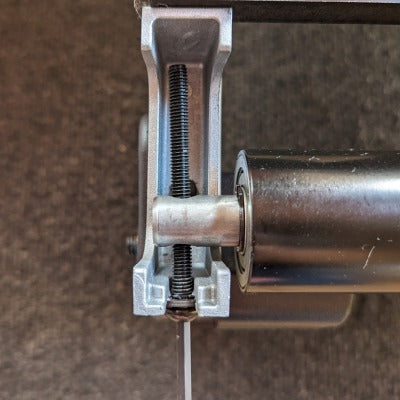
The rear roller has adjustment bolts on both sides. These bolts control the roller angle and belt tension. A small change on one side can move the belt back toward the center, much like turning the wheel of a bicycle by a few degrees changes its path.
Common causes include:
• Uneven rear roller tension
• A treadmill placed on an uneven floor
• A loose walking belt
• A belt that is too tight
• Excess lubricant under the belt
• A worn walking belt or deck
• Dirt or debris near the rollers
• A bent, loose, or damaged roller
• A user repeatedly running on one side of the belt
Most tracking problems are simple to correct. However, forcing the belt with large adjustments can create a second problem and may damage the motor, roller, or belt.

Safety Checks Before Adjusting the Belt
Always unplug the treadmill before touching the belt, rear roller, or adjustment bolts. The belt can move suddenly if the machine starts by accident.
Keep your fingers, clothing, hair, and tools away from the rollers. Do not place your hands under a moving belt. If you must watch the belt while it runs, stand beside the treadmill, not directly behind it.
Before learning how to fix treadmill belt slipping to one side, complete these checks:
-
Place the treadmill on a firm, level surface.
-
Remove loose items from the walking deck.
-
Turn off the treadmill and unplug it.
-
Find the two rear roller adjustment bolts.
-
Check the owner’s manual for the correct wrench size and belt instructions.
-
Inspect the belt for tears, folds, frayed edges, or shiny worn areas.
-
Check whether the rear roller sits straight inside the frame.
Many manufacturers advise using only small adjustments. A quarter turn can make a clear difference. Large turns can over-tighten the belt and increase stress on the motor.
How to Tell Which Way the Belt Is Moving
Run the treadmill at a slow walking speed, usually around 1 to 2 miles per hour. Do not step on the belt during the first test. Watch the rear edge of the belt for about 30 seconds.
Note the direction of movement:
• If the belt moves toward the left, it needs a small adjustment to guide it right.
• If the belt moves toward the right, it needs a small adjustment to guide it left.
• If the belt moves back and forth, the belt may be too loose, too tight, unevenly tensioned, or affected by a damaged roller.
The belt may track differently when someone walks on it. After the empty-belt test, step on carefully and walk at a slow pace. If the belt stays centered without a user but shifts under load, inspect belt tension, deck condition, lubrication, and motor performance.
A simple way to judge the problem is to mark the belt’s position near the rear roller with a small piece of removable tape. This gives you a reference point during each test.
How to Fix a Treadmill Belt Slipping to One Side
The main correction involves the rear roller bolts. Make small changes and allow the belt time to respond.
If the Belt Moves to the Left
-
Turn the treadmill off and unplug it.
-
Use the correct tool to turn the left rear roller bolt clockwise by one quarter turn.
-
Plug in the treadmill and run it at 1 to 2 miles per hour for 30 to 60 seconds.
-
Watch the belt and stop the machine if it moves too far.
-
Repeat only if needed.
This adjustment usually increases tension on the left side and encourages the belt to move right. Some treadmill brands use a different adjustment pattern, so check the manual before relying on a general rule.
If the Belt Moves to the Right
-
Turn the treadmill off and unplug it.
-
Turn the right rear roller bolt clockwise by one quarter turn.
-
Run the belt slowly and watch its movement.
-
Stop and repeat only when the belt still moves right.
This usually increases tension on the right side and helps guide the belt left.
Important Adjustment Rules
Use these rules to prevent overcorrection:
• Turn only one bolt at a time.
• Make changes of one quarter turn or less.
• Run the belt for at least 30 seconds after each change.
• Never loosen both bolts at once unless the manual tells you to.
• Stop if the belt becomes tight, noisy, or difficult to move by hand.
• Return to the original position if the belt tracking becomes worse.
When figuring out how to fix treadmill belt slipping to one side, patience matters more than force. A good adjustment often takes several small tests.
Check and Adjust Walking Belt Tension
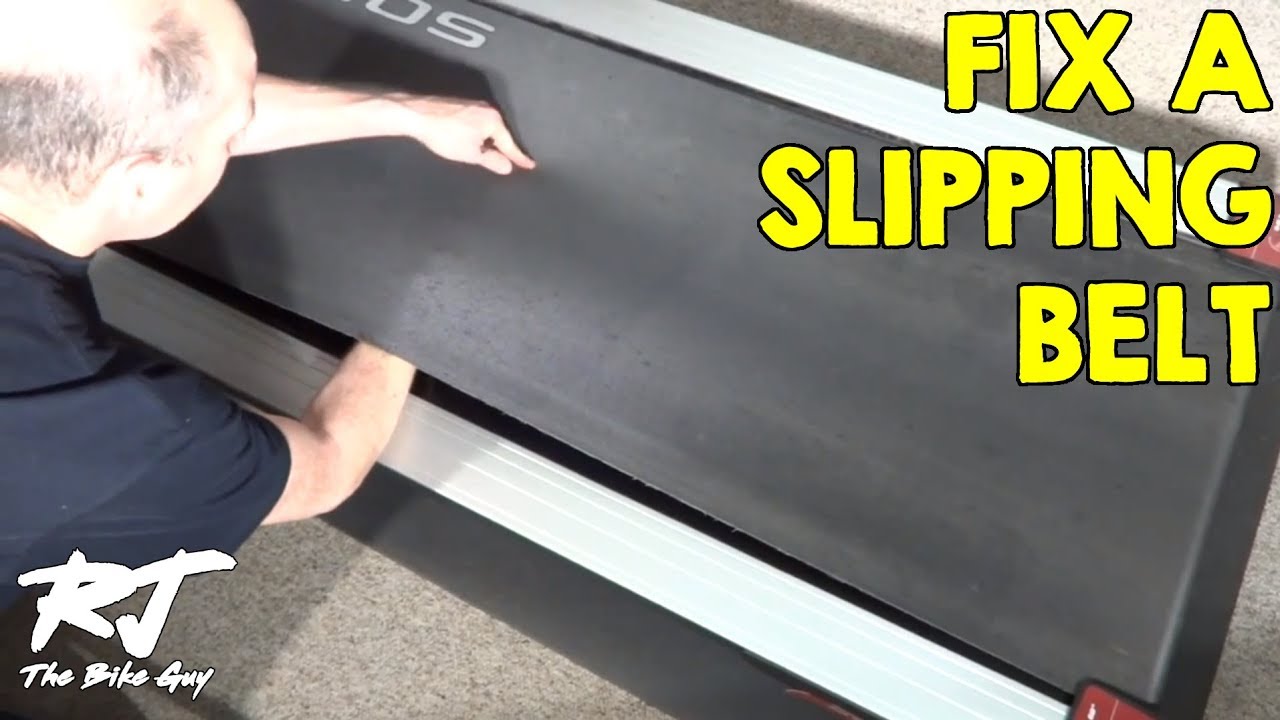
Tracking and tension are related, but they are not the same problem. A belt can be centered and still be too loose or too tight.
A loose belt may pause, jerk, or slip when you step on it. You may also hear a tapping sound as the belt passes over the front roller. A belt that is too tight may create a humming motor sound, slow down under your weight, or cause excess heat.
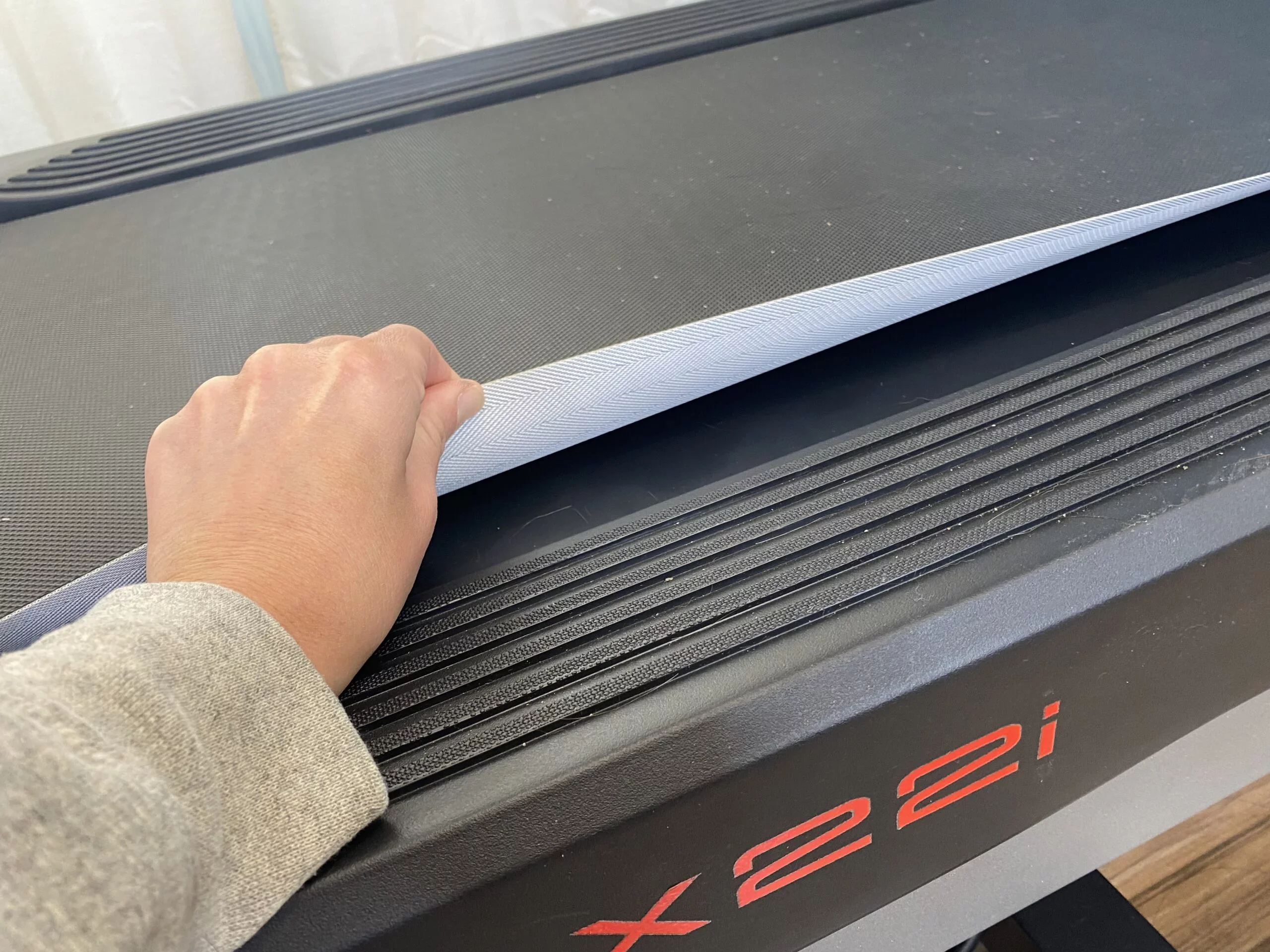
With the treadmill unplugged, lift the belt at the center of the walking deck. Many manufacturers recommend a small gap, often around 2 to 3 inches, but the correct amount varies by model. Always follow the measurement in your owner’s manual.
If the belt is loose:
-
Turn both rear roller bolts clockwise by the same small amount.
-
Use one quarter turn at a time.
-
Run the belt briefly after each adjustment.
-
Check whether the belt starts, stops, and tracks normally.
If the belt is too tight:
-
Turn both rear roller bolts counterclockwise by equal amounts.
-
Make small changes.
-
Test the belt at low speed.
Never use belt tension to solve every tracking issue. Over-tightening can damage the walking belt, deck, front roller, or drive motor.
Inspect the Deck, Rollers, and Belt
If adjustment does not solve the issue, inspect the parts that guide the belt. A treadmill belt cannot track correctly if a roller is worn, dirty, or out of position.
Look for these warning signs:
• A roller that wobbles while turning
• A loud grinding or clicking sound
• Cracks or frayed belt edges
• A walking belt with a hard, shiny surface
• Black dust around the motor area
• A deck with deep grooves or dry spots
• A rear roller that is not parallel with the frame
• A belt that moves sharply when the treadmill is loaded
Dust and hair can collect near the rollers. Unplug the treadmill, then clean visible debris with a dry cloth or a vacuum fitted with a soft brush. Do not spray household cleaner directly under the belt.
A worn belt and deck often create high friction. This makes the motor work harder and can cause belt movement, hesitation, or heat. If the belt surface feels rough or the deck has deep wear marks, adjustment alone will not provide a lasting repair.

Lubricate the Treadmill Belt Correctly
Some treadmill belts need silicone lubrication. Others use a maintenance-free coating or a special deck material. Check the manual before applying anything.
Use only treadmill belt lubricant approved for your machine. Do not use WD-40, cooking oil, automotive oil, or household grease. These products can damage the belt and may create unsafe slipping.
To apply silicone lubricant:
-
Unplug the treadmill.
-
Lift the belt slightly on both sides.
-
Apply the recommended amount under the belt, usually near the center of the deck.
-
Plug in the treadmill and run it slowly for several minutes.
-
Walk gently on the belt to spread the lubricant.
Too little lubricant can increase friction. Too much can make the belt slide and may cause inconsistent tracking. Excess silicone can also collect dust and make the deck messy.
Lubrication will not repair a stretched belt, damaged deck, loose roller, or faulty motor. It is a maintenance step, not a universal answer to how to fix treadmill belt slipping to one side.
Check Whether the Treadmill Is Level
A sloped or uneven floor can affect belt tracking. The treadmill frame may twist slightly, changing the angle of the rollers.
Place a small bubble level across the frame from side to side. Then check it from front to back. Do not measure only the floor beside the treadmill because the frame may sit differently from the floor.
Use the treadmill’s built-in leveling feet if it has them. Adjust each foot slowly until the frame sits firmly without rocking. If the floor is uneven, use a firm treadmill mat designed for stability, but do not use soft cushions that allow the frame to shift.
After leveling the machine, test the belt again. In some cases, correcting the floor position solves the tracking problem without changing the roller bolts.

Common Mistakes That Make Belt Tracking Worse
Many belt repairs fail because the adjustment is rushed. The most common mistake is turning one rear bolt several full rotations. This can pull the roller out of alignment and make the belt too tight.
Avoid these errors:
• Adjusting the belt while the treadmill is running
• Turning both rear bolts in different directions without a plan
• Ignoring a worn belt or deck
• Applying too much lubricant
• Using the wrong lubricant
• Testing at high speed
• Walking far to one side of the belt
• Skipping the owner’s manual
• Continuing to use the treadmill when the belt folds or stops
One practical lesson from treadmill repairs is to write down every adjustment. Record the side, direction, and amount of each turn. If the result gets worse, you can return to the starting point instead of guessing.
It also helps to let the belt settle after each change. A belt may appear centered for a few seconds, then drift again once the roller reaches its new position.
When to Call a Treadmill Technician
A minor tracking issue is usually suitable for careful home adjustment. Stop troubleshooting and seek professional help when the problem involves electrical, structural, or major mechanical parts.
Contact a qualified technician if:
• The belt keeps drifting after equal and careful adjustments
• The rear roller is bent or visibly loose
• The front roller moves from side to side
• The motor smells hot or emits smoke
• The belt stops suddenly under normal use
• The treadmill shows an error code
• The walking deck is cracked or deeply worn
• The belt has severe fraying or a torn seam
• The machine makes loud grinding noises
• You cannot identify the correct adjustment method
A technician can measure belt tension, inspect roller bearings, test motor current, and check the control board. These checks are difficult to complete safely without the right tools.
Continuing to run a damaged treadmill can turn a small belt issue into a costly motor or deck repair. When in doubt, stop using the machine until the cause is clear.
How to Keep the Belt Centered
Once you learn how to fix treadmill belt slipping to one side, regular care can help prevent the issue from returning.
Follow a simple maintenance routine:
• Wipe dust from the frame and motor cover each week.
• Keep the treadmill on a stable, level surface.
• Lubricate the belt only when the manual recommends it.
• Inspect the belt edges once a month.
• Keep shoes and clothing away from moving parts.
• Walk near the center of the belt.
• Avoid placing the treadmill where moisture can reach the motor.
• Stop using the machine if the belt jerks or folds.
Your weight, stride, speed, and footwear can affect how the belt moves. A person who always walks near one rail may place uneven force on the belt. Try to keep your posture centered and avoid holding the handrails unless you need support.
Manufacturer maintenance schedules vary. Some manuals recommend lubrication based on mileage, while others use time or belt feel. The manual for your exact model is the most reliable guide.
Frequently Asked Questions About How to Fix a Treadmill Belt Slipping to One Side
Why does my treadmill belt keep moving to the left?
The belt may have uneven rear roller tension, an unlevel frame, excess friction, or a worn part. A small clockwise adjustment to the left rear bolt may help, but check your manual because adjustment directions can vary by model.
How much should I turn the treadmill belt adjustment bolts?
Start with one quarter turn or less. Run the treadmill for 30 to 60 seconds after each change, and never make several large adjustments at once.
Can I fix a treadmill belt that slips to one side without lubricant?
Yes, if the cause is roller alignment, uneven tension, or an unlevel frame. Lubricant helps reduce friction on compatible treadmills, but too much lubricant can make tracking worse.
Is it safe to walk on a treadmill that is not centered?
A slight shift may not be dangerous, but a belt that reaches the edge, folds, jerks, or stops is unsafe. Turn off the treadmill and correct the problem before using it again.
Why does the belt stay centered until I start walking?
The belt may be loose, the deck may have high friction, or the motor may lack power under load. Inspect the belt and deck, check proper lubrication, and seek service if the motor slows or overheats.
How do I know if my treadmill belt needs replacement?
Replace the belt when it has severe fraying, cracks, a damaged seam, a hard glossy surface, or repeated slipping after correct adjustment. A worn deck may also need replacement at the same time.
Conclusion
Fixing a treadmill belt slipping to one side usually starts with a level frame, a clean inspection, and small rear roller adjustments. Test at low speed, change only one bolt at a time, and avoid over-tightening or adding unapproved lubricant.
If the belt remains off-center, inspect the rollers, deck, motor, and belt for wear. Stop using the treadmill when you notice fraying, loud noise, burning smells, or sudden belt movement. Apply these steps carefully, then explore your treadmill manual or share your repair experience in the comments.

Brandon Knoxley is a sport & fitness writer and training guide contributor at MySportFitHub. He focuses on practical workouts, performance-based training, and honest fitness gear insights designed for real people and real results. Brandon is passionate about helping beginners and active individuals train smarter, avoid common mistakes, and build sustainable fitness habits.