How to Warm Up before Sports Practice: Essential Tips for Peak Performance
Before you dive into your sports practice, how you warm up can make all the difference. Warming up isn’t just about going through the motions—it’s about preparing your body and mind to perform at your best while avoiding injuries.
If you skip this crucial step or do it wrong, you might feel stiff, tired, or even risk a setback that could keep you off the field for days. But don’t worry, this guide will show you exactly how to warm up effectively, so every practice feels smoother and more powerful.
Ready to unlock your full potential? Let’s get started!
Credit: competeperformance.com
Benefits Of Warming Up
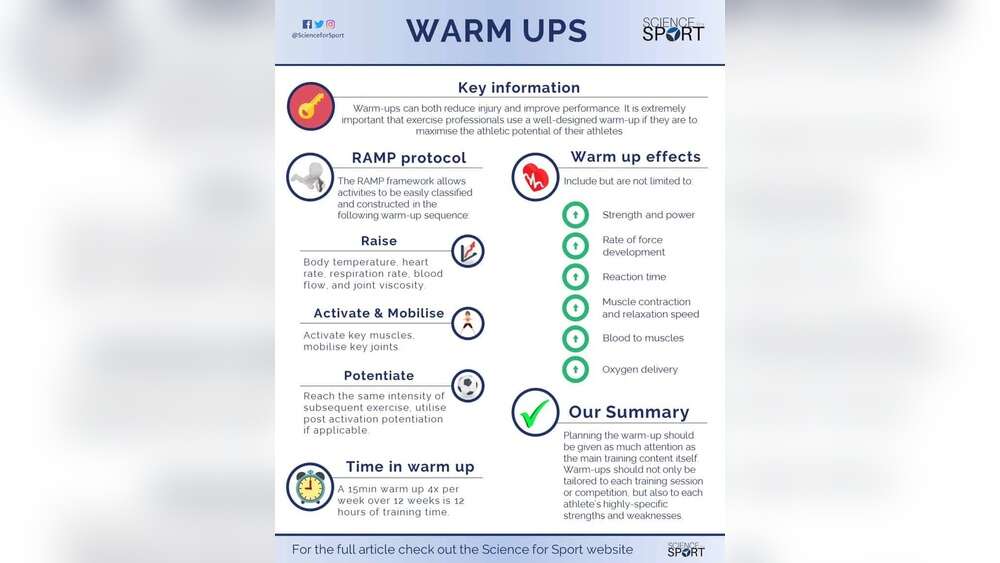
Warming up before sports practice is a key step for every athlete. It helps the body and mind get ready for physical activity. Taking time to warm up improves safety and performance. It also sharpens focus and builds confidence.
Injury Prevention
Warming up gently raises your heart rate and blood flow. This loosens muscles and joints. Flexible muscles reduce the chance of strains and sprains. Warm muscles handle sudden movements better. Warming up also prepares tendons and ligaments. This lowers the risk of tears and injuries.
Enhanced Performance
Warming up improves muscle power and speed. It increases oxygen delivery to your muscles. This helps you move faster and with more strength. Warm muscles react quicker to commands. You can run, jump, and change direction easily. Overall, warming up boosts your sports skills.
Mental Preparation
Warming up clears your mind and builds focus. It helps you think about your goals for practice. Your body and brain get ready to work as a team. This reduces anxiety and stress. A good warm-up makes you feel confident and alert.
Types Of Warm-up Exercises
Warming up before sports practice prepares your body and mind. Different types of warm-up exercises help increase blood flow and reduce injury risk. Each type plays an important role in getting ready for physical activity.
Dynamic Stretching
Dynamic stretching involves moving your muscles through full motion. It warms up muscles and joints gently. Examples include leg swings, arm circles, and walking lunges. These stretches improve flexibility and muscle activation. They help your body adjust to the demands of your sport.
Light Cardio
Light cardio increases your heart rate gradually. Activities like jogging, jumping jacks, or cycling work well. This type of warm-up raises body temperature and boosts circulation. It prepares your lungs and heart for harder exercise. Light cardio also wakes up your nervous system.
Sport-specific Drills
Sport-specific drills mimic the movements of your sport. For basketball, try dribbling or shooting drills. Soccer players may do passing or dribbling exercises. These drills help improve coordination and focus. They also activate the exact muscles used in practice or games.
Step-by-step Warm-up Routine
Warming up before sports practice prepares your body and mind. It helps reduce injury risks and boosts performance. Follow this step-by-step warm-up routine to get ready for any sport.
Start With Light Aerobic Activity
Begin with 5 to 10 minutes of light aerobic exercise. Choose activities like jogging, jumping jacks, or cycling. These get your heart rate up slowly. Your muscles start to warm and your blood flows better.
Incorporate Dynamic Movements
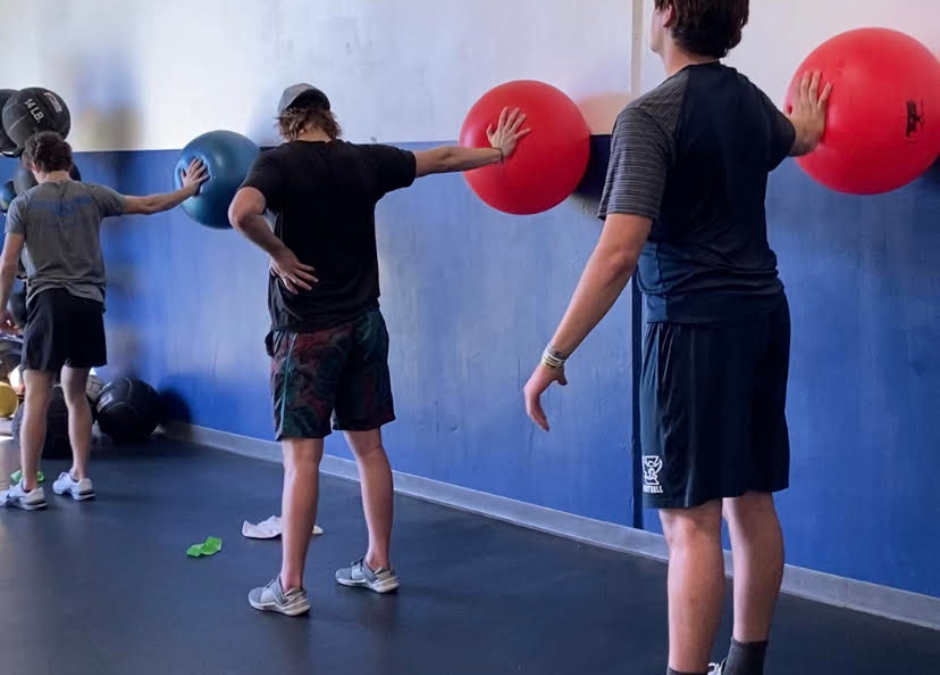
Next, add dynamic stretches and movements. These involve moving parts of your body through full ranges of motion. Examples include leg swings, arm circles, and walking lunges. Dynamic moves improve flexibility and prepare joints for action.
Focus On Key Muscle Groups
Target muscles you will use most in your sport. Stretch and activate these muscles gently. For runners, focus on calves, hamstrings, and quads. For basketball players, include hips, shoulders, and core. This step helps prevent muscle strains and improves control.
Common Mistakes To Avoid
Warming up before sports practice is important for your body and performance. Many people make mistakes during warm-up. These errors can cause injuries or reduce practice quality. Avoiding common mistakes helps you get ready safely and effectively.
Skipping Warm-up
Some athletes skip warm-up to save time. This is risky. Your muscles stay cold and stiff without warming. Skipping warm-up raises injury chances. It also lowers your strength and speed during practice. Always spend time warming up.
Overstretching
Stretching is good but too much can hurt you. Overstretching pulls muscles too far. This causes pain and can lead to strains. Stretch gently and hold stretches for 15 to 30 seconds. Avoid bouncing or forcing your body.
Rushing Through Exercises
Fast warm-ups miss key benefits. Rushing means less muscle activation and poor blood flow. Take time with each exercise. Move smoothly and focus on proper form. Slow warm-ups prepare your body better for intense activity.
Tips For Different Sports
Warming up before sports practice helps your body get ready. Different sports need different warm-up routines. A good warm-up reduces injury risk and improves performance. Here are simple warm-up tips for running, team sports, and strength training.
Warm-up For Running
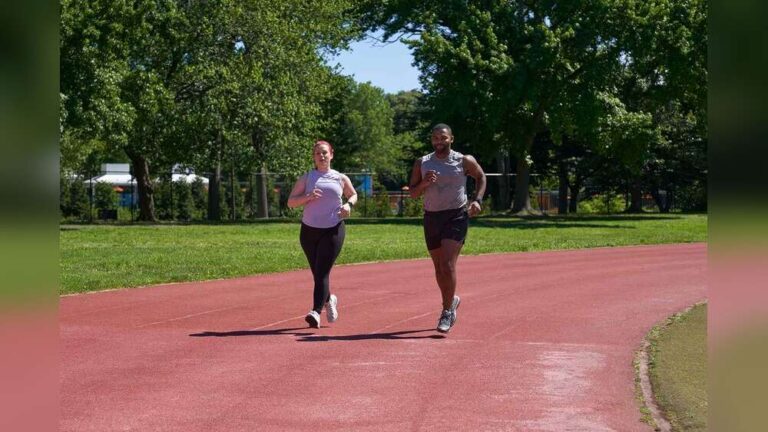
Start with light jogging for 5 minutes. This raises your heart rate slowly. Follow with dynamic stretches like leg swings and high knees. These loosen your muscles and joints. Finish with short sprints to prepare your body for speed.
Warm-up For Team Sports
Begin with jogging around the field or court. Add side shuffles and backpedaling for agility. Use dynamic stretches like arm circles and lunges. Practice ball handling or passing drills to activate sport-specific muscles.
Warm-up For Strength Training
Do 5 to 10 minutes of light cardio, such as walking or cycling. Perform dynamic stretches focusing on the muscles you will train. Use lighter weights for your first sets. This prepares muscles and joints for heavier lifting.

Credit: www.i9sports.com
Using Equipment In Warm-ups
Using equipment in warm-ups helps prepare muscles and joints better. It increases blood flow and improves flexibility. This reduces the risk of injury during practice. Equipment also targets specific muscle groups. It makes warm-ups more effective and focused.
Resistance Bands
Resistance bands add light tension to exercises. They improve muscle strength and control. Use bands for arm circles, leg lifts, or squats. They activate muscles gently and safely. Bands are easy to carry and great for all sports.
Foam Rollers
Foam rollers help release muscle tightness and knots. Rolling muscles before practice improves blood flow. It also reduces soreness after sports. Use slow, steady movements on calves, quads, and back. Foam rolling prepares muscles for better movement.
Light Weights
Light weights build strength without strain. Use dumbbells or kettlebells for warm-up routines. Focus on slow, controlled movements like bicep curls or shoulder presses. This activates muscles and joints safely. Light weights improve stability and readiness.

Credit: propelphysiotherapy.com
Frequently Asked Questions
What Are The Best Warm-up Exercises Before Sports Practice?
Dynamic stretches like leg swings, arm circles, and lunges are ideal. They increase blood flow and improve muscle flexibility effectively.
How Long Should A Warm-up Last Before Sports Practice?
A warm-up should last 10 to 15 minutes. This duration prepares your muscles and reduces injury risk efficiently.
Why Is Warming Up Important Before Sports Practice?
Warming up boosts muscle temperature and blood flow. It enhances performance and helps prevent strains or injuries during activity.
Can Skipping Warm-up Affect Sports Performance?
Yes, skipping warm-up can cause muscle stiffness and slower reaction times. It increases injury risk and lowers overall performance.
Conclusion
Warming up prepares your body for sports practice. It helps prevent injuries and improves performance. Simple exercises like jogging and stretching work well. Spend at least 10 minutes warming up before starting. Stay consistent with your warm-up routine every time.
Your muscles will feel looser and ready to move. Remember, a good warm-up makes practice safer and more effective. Take care of your body, and enjoy your sport more. Warming up is a small step with big benefits.

Brandon Knoxley is a sport & fitness writer and training guide contributor at MySportFitHub. He focuses on practical workouts, performance-based training, and honest fitness gear insights designed for real people and real results. Brandon is passionate about helping beginners and active individuals train smarter, avoid common mistakes, and build sustainable fitness habits.