

How to Train Endurance for Sports Training: Ultimate Guide to Peak Performance
Are you ready to push your limits and perform at your best in sports? Building endurance is the key to lasting longer, recovering faster, and staying strong throughout every game or workout.
But how exactly do you train your endurance the right way? This guide will show you simple, effective methods that fit your routine and boost your stamina step by step. Keep reading to discover how you can transform your endurance and take your sports training to the next level.

Credit: www.traineffective.com
Endurance Basics
Endurance is the ability to keep going during physical activities. It helps athletes perform longer without getting tired. Training endurance builds strength in muscles and the heart. This section explains the basics of endurance for sports training.
Understanding endurance helps improve sports performance. It also reduces injury risks. Knowing the types and how to measure endurance is important for any athlete.
Types Of Endurance
There are two main types of endurance. First, cardiovascular endurance is the heart and lungs working efficiently. It helps keep energy levels high during running or cycling. Second, muscular endurance is the ability of muscles to perform repeated actions. This is important in sports like swimming or rowing. Both types are important for athletes and need different training methods.
Role In Sports Performance
Endurance allows athletes to maintain speed and power longer. It delays fatigue and improves recovery time. In team sports, endurance helps players stay active throughout the game. For individual sports, it supports sustained effort without breaks. Good endurance improves focus and reduces mistakes caused by tiredness.
Measuring Endurance Levels
Measuring endurance helps track progress and set goals. Common tests include running distance or time trials. Another way is to measure heart rate during exercise. Lower heart rate at the same effort means better endurance. Muscular endurance can be tested with repeated lifts or holds. Regular testing guides training plans for better results.
Credit: www.runladylike.com
Building A Training Plan
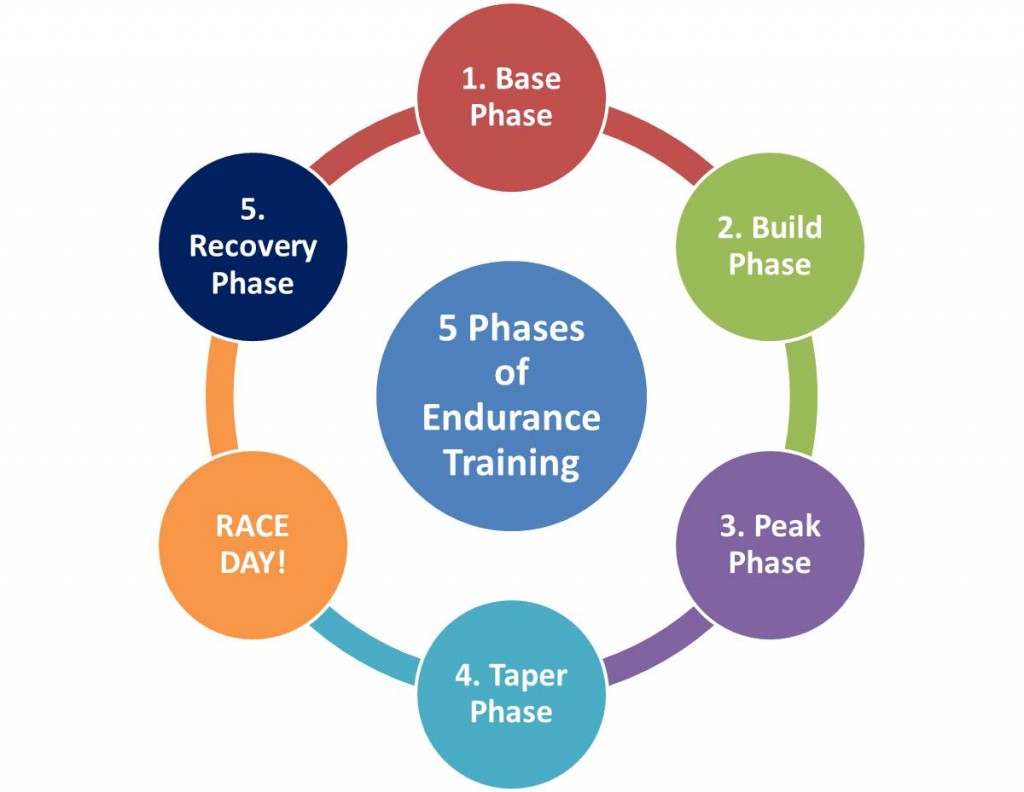
Building a training plan is essential for improving endurance in sports. A clear plan helps you stay focused and track progress. It breaks your training into manageable parts. This keeps motivation high and reduces the risk of injury.
Good planning balances effort and recovery. It sets clear goals and adjusts over time. This section covers how to create an effective training plan.
Setting Realistic Goals
Start with small, clear goals. For example, increase running time by five minutes each week. Realistic goals prevent burnout and keep you motivated. Write down your goals and review them often. Adjust goals based on your progress and how you feel.
Balancing Intensity And Volume
Mix hard workouts with easier ones. High intensity improves speed and power. Lower intensity builds endurance without too much strain. Gradually increase the total time or distance you train. Avoid sudden jumps to reduce injury risk. Listen to your body and adjust intensity as needed.
Scheduling Rest And Recovery
Rest days are as important as training days. Muscles need time to repair and grow stronger. Plan at least one or two rest days each week. Use light activities like walking or stretching on rest days. Good recovery helps you perform better and avoid fatigue.
Effective Endurance Workouts
Endurance workouts build your body’s ability to sustain effort over time. They help improve stamina, speed, and recovery. Different workouts target various energy systems and muscle groups. Using a mix of workouts ensures balanced endurance development.
Long Slow Distance Training
This workout involves running or cycling at a slow, steady pace. It helps build a strong aerobic base. Training long and slow increases the number of mitochondria in your muscles. This means your body uses oxygen more efficiently. It also improves fat burning during exercise. Aim for 60 to 90 minutes at a comfortable pace. This workout should feel easy enough to talk while training.
Interval Training
Intervals alternate between high-intensity effort and rest or low effort. This workout boosts both aerobic and anaerobic endurance. Short bursts push your heart rate up, followed by recovery periods. For example, run fast for 1 minute, then walk or jog for 2 minutes. Repeat 6 to 10 times. Intervals improve speed, power, and endurance. They also help your body recover faster during sports.
Tempo Runs And Threshold Training
Tempo runs are done at a “comfortably hard” pace. It is faster than your usual pace but still controlled. This pace trains your body to clear lactic acid better. Threshold training delays fatigue by improving your endurance at higher intensities. Try running for 20 minutes at this steady pace. It boosts your ability to maintain speed for longer periods.
Strength And Cross-training
Strength and cross-training are key parts of endurance sports training. They help build muscle, prevent injury, and improve overall performance. Adding these methods to your routine makes your body stronger and more balanced. This support lets you keep going longer without getting tired.
Incorporating Resistance Training
Resistance training uses weights or bands to build muscle strength. Strong muscles support your joints and improve your endurance. Focus on big muscle groups like legs, back, and core. Do exercises like squats, lunges, and push-ups two to three times a week. Keep the weights moderate to avoid fatigue that slows your main training.
Benefits Of Cross-training
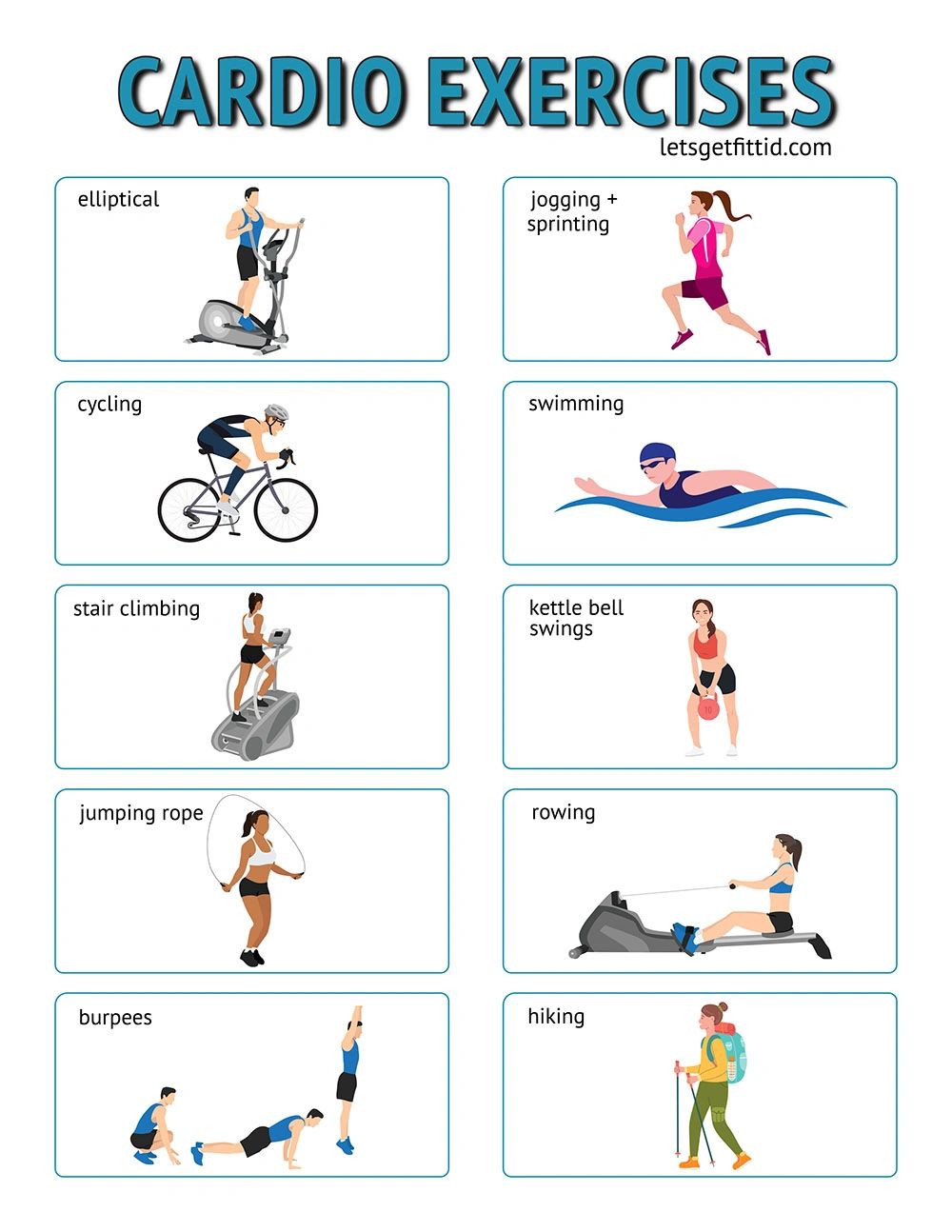
Cross-training means doing different types of exercises besides your main sport. It helps avoid overuse injuries by working other muscles. Swimming, cycling, or rowing are low-impact options that improve heart and lung fitness. Cross-training also keeps your workouts fresh and fun. This variety helps your body recover while still training hard.
Core Stability Exercises
Core stability improves balance and power for endurance sports. A strong core helps transfer energy efficiently during movement. Simple exercises like planks, bridges, and bird-dogs work well. Do core exercises three times a week for best results. A stable core reduces injury risk and improves your running or cycling form.
Nutrition For Endurance
Nutrition plays a key role in building endurance for sports training. Proper food and drink help the body perform better and recover faster. Athletes need to focus on what they eat before, during, and after workouts. This fuels energy, keeps muscles strong, and avoids fatigue.
Fueling Before Workouts
Eating the right food before exercise gives the body energy to last longer. Choose meals high in carbohydrates and moderate in protein. Carbs provide quick energy, while protein supports muscles. Avoid heavy, fatty foods that slow digestion. Eat 1 to 3 hours before training for best results.
Hydration Strategies
Water is vital for endurance. Drink fluids before, during, and after workouts. Dehydration reduces strength and focus. Sip water regularly in small amounts. For long sessions, use sports drinks with electrolytes. These replace salts lost through sweat and keep you balanced.
Recovery Nutrition
After training, the body needs to repair and refuel. Eat a mix of carbs and protein within 30 minutes. Carbs restore energy stores. Protein helps rebuild muscles. Include fruits or vegetables for vitamins and minerals. Proper recovery nutrition speeds up healing and prepares you for the next workout.
Credit: www.eecusa.com
Tracking Progress
Tracking progress is key to improving endurance in sports training. It shows how far you have come and what still needs work. Regular monitoring helps keep motivation high and ensures training stays on track.
By tracking, you can spot patterns and adjust your workouts. It also helps avoid injuries by balancing effort and rest. Keeping clear records makes training smarter and more effective.
Using Technology And Apps
Technology makes tracking progress easier. Many apps record distance, pace, and heart rate. Wearable devices give real-time data during workouts. This information helps understand how your body responds.
Apps often show trends over time. They can set reminders and goals for each session. Using these tools keeps you focused and organized.
Adjusting Training Based On Feedback
Feedback is useful for improving endurance. Listen to your body’s signals like fatigue or soreness. Use data from apps to see where to increase or reduce effort.
Adjusting workouts prevents plateaus and builds strength steadily. Change intensity, duration, or type of exercise based on progress. This keeps training challenging but safe.
Preventing Overtraining
Overtraining causes burnout and injuries. Watch for signs like constant tiredness or poor performance. Rest days and lighter sessions are important for recovery.
Tracking helps spot overtraining early. Balance hard workouts with enough rest. This approach keeps endurance improving without harm.
Mental Strategies
Mental strength plays a big role in endurance sports. Physical training is important, but the mind drives your body to keep going. Mental strategies help athletes push through pain and fatigue. They build focus and motivation for long training sessions and competitions.
Building Mental Toughness
Mental toughness means staying strong during hard moments. It grows by facing challenges regularly. Start with small goals and increase difficulty over time. Learn to accept discomfort as part of training. Use positive self-talk to fight negative thoughts. Remember why you started and keep moving forward.
Motivation Techniques
Motivation keeps you active even when energy is low. Set clear and simple goals to track progress. Reward yourself after completing milestones. Surround yourself with supportive people. Listen to music or podcasts that inspire you. Break training into small parts to avoid feeling overwhelmed.
Visualization And Focus
Visualization trains your brain to see success. Picture yourself finishing strong and feeling proud. Imagine each step of your workout or race. Focus on your breathing and body movements during exercise. This keeps your mind calm and present. Avoid distractions and keep your attention on the task.
Common Challenges
Training endurance for sports is not always easy. Many face challenges that slow progress or cause setbacks. Recognizing these common problems helps improve training results and keeps motivation high.
Dealing With Plateaus
Plateaus happen when progress stops despite effort. The body adapts to the current routine. Changing the training plan helps break through these limits. Try new exercises or adjust intensity and duration. Small changes keep the body challenged and growing stronger.
Injury Prevention
Injuries often occur from overuse or poor technique. Warm up before workouts and cool down afterward. Use proper form during all exercises. Rest days are essential to let muscles recover. Listening to your body stops minor pain from turning into serious injury.
Managing Fatigue
Fatigue can harm performance and increase injury risk. Balance hard training days with easier sessions. Sleep well and eat nutritious foods to support recovery. Hydrate often to maintain energy. Recognize signs of extreme tiredness and take breaks as needed.
Frequently Asked Questions
What Is Endurance Training In Sports?
Endurance training improves your body’s ability to sustain physical activity longer. It enhances cardiovascular efficiency and muscular stamina essential for sports performance.
How Often Should I Train For Endurance?
Train endurance 3 to 5 times weekly. Consistency allows your body to adapt and improve stamina gradually without overtraining.
What Are The Best Exercises For Endurance?
Running, cycling, swimming, and rowing are top endurance exercises. These activities increase heart rate steadily and build cardiovascular strength effectively.
How Long Should Endurance Workouts Last?
Endurance workouts should last between 30 to 60 minutes. This duration balances intensity and recovery for optimal stamina development.
Conclusion
Endurance training takes time and steady effort. Start slow and build your stamina each day. Focus on consistent workouts and proper rest. Listen to your body to avoid injury. Mix different exercises to keep training fun. Track your progress to stay motivated.
Strong endurance improves performance and overall health. Stay patient and enjoy the journey ahead. Your dedication will bring lasting results. Keep moving forward and never give up.

Brandon Knoxley is a sport & fitness writer and training guide contributor at MySportFitHub. He focuses on practical workouts, performance-based training, and honest fitness gear insights designed for real people and real results. Brandon is passionate about helping beginners and active individuals train smarter, avoid common mistakes, and build sustainable fitness habits.