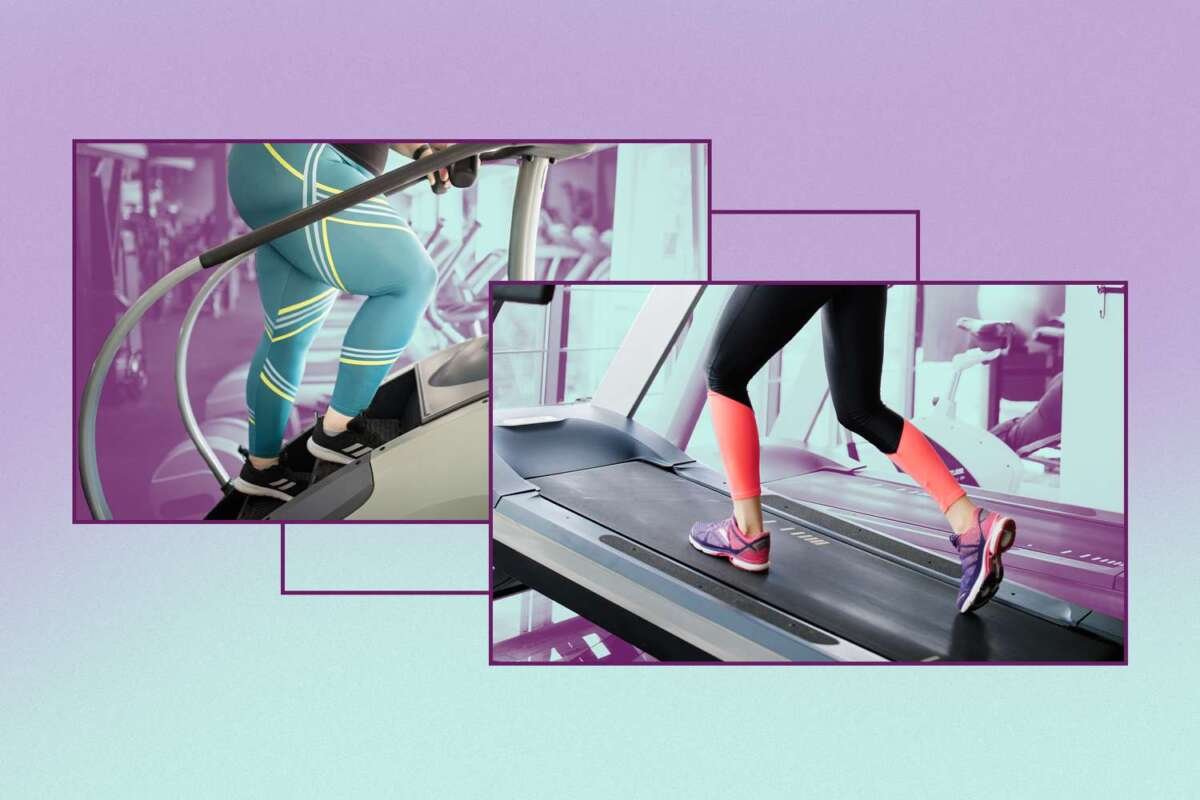
Is Stairmaster Or Incline Treadmill Better: Best Choice
For most people, an incline treadmill is better for steady cardio, while the StairMaster wins for climbing strength.
Choosing between these two machines depends on your goals, fitness level, joints, and training style. As a fitness writer, I find that many people compare calories first and overlook comfort, muscle use, workout control, and long-term consistency. This guide explains whether the StairMaster or incline treadmill is better, so you can choose the machine you will use well and use often.
StairMaster vs. Incline Treadmill: What Is the Difference?
The StairMaster uses rotating steps that require you to lift your body upward with every step. It closely copies stair climbing and places a strong demand on the glutes, quadriceps, hamstrings, and calves.
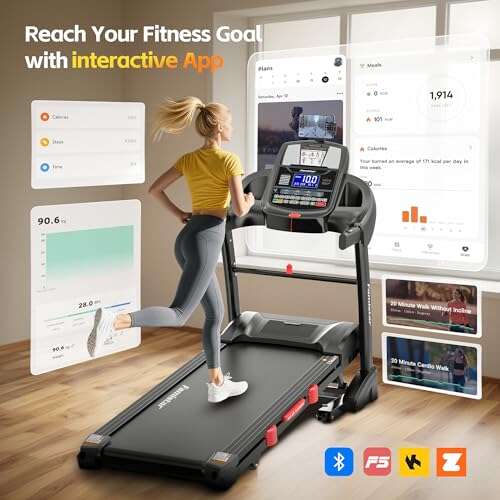
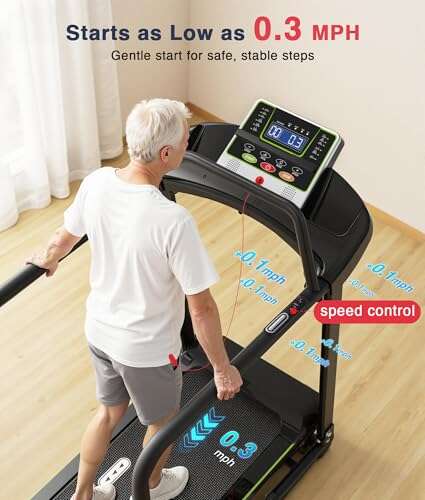
An incline treadmill uses a moving belt and a raised deck. You walk uphill while the belt controls your pace. You can adjust both speed and incline, which makes the machine useful for warm-ups, steady cardio, hill training, and harder intervals.
When asking is StairMaster or incline treadmill better, think of the machines as two different tools:
• The StairMaster feels like climbing a tall building.
• The incline treadmill feels like walking up a long hill.
Both can improve heart fitness and burn calories. However, they create different levels of impact, muscle tension, balance demand, and workout control.

Is StairMaster or Incline Treadmill Better for Weight Loss?
Both machines can support weight loss because they increase energy use. The best choice is the one that helps you train regularly while maintaining a calorie deficit through your overall diet and activity.
The StairMaster often feels harder at the same workout duration. You must lift your body repeatedly, so your legs and heart work together. The incline treadmill may burn a similar amount of energy, but the result depends on your speed, incline, body weight, fitness level, and how much you hold the handrails.
A 2024 study or a single calorie display cannot predict your exact result. Fitness machines estimate calorie burn, and those estimates may be off. Use the screen as a rough guide, not as a promise.
For weight loss, the answer to is StairMaster or incline treadmill better usually comes down to workout adherence:
• Choose the StairMaster if short, intense sessions keep you motivated.
• Choose the incline treadmill if you prefer longer walks that feel easier to control.
• Choose either machine if you can use it three to five times per week without pain.
A 30-minute workout you enjoy is often more useful than a difficult 10-minute session you avoid. Consistency is the engine behind results.

Is StairMaster or Incline Treadmill Better for Cardio Fitness?
The StairMaster can raise your heart rate quickly. Its constant steps leave little room to coast, especially when you use a moderate or high level. This makes it useful for improving cardiovascular endurance and work capacity.
The incline treadmill gives you more control. You can begin with a flat walk, add a small incline, and slowly increase the challenge. This gradual approach is helpful for beginners, older adults, and people returning to exercise.
The American College of Sports Medicine recommends regular moderate or vigorous aerobic activity for most healthy adults. Both machines can help you meet that goal when your effort is high enough and your form remains safe.
For cardiovascular training, is StairMaster or incline treadmill better depends on your preferred intensity:
• The StairMaster is better for hard, compact workouts.
• The incline treadmill is better for controlled endurance sessions.
• Both work well for interval training.
Try this simple treadmill workout:
-
Walk for five minutes at an easy pace.
-
Walk for three minutes at a moderate incline.
-
Walk for two minutes at a higher incline.
-
Repeat the three-minute and two-minute blocks four times.
-
Cool down for five minutes.
On the StairMaster, try one minute at a steady level followed by one minute at an easier level. Repeat for 10 to 20 minutes. Keep your hands light on the rails.
Muscle Groups Used by Each Machine
The StairMaster places more direct stress on the lower body because every step requires a lifting action. It can strongly challenge the glutes, thighs, and calves.
The incline treadmill also trains the lower body, especially at a high grade. Yet the movement is closer to walking, so the muscle demand may feel smoother and less forceful than the StairMaster.
Here is a simple comparison:
| Muscle group | StairMaster | Incline treadmill |
|---|---|---|
| Glutes | High demand | Moderate to high demand |
| Quadriceps | High demand | Moderate to high demand |
| Hamstrings | Moderate demand | Moderate demand |
| Calves | High demand | Moderate to high demand |
| Core | Moderate demand | Low to moderate demand |
| Upper body | Minimal demand | Minimal demand |
The StairMaster is not a replacement for strength training. It can build muscular endurance, but it does not provide the same progressive resistance as squats, lunges, deadlifts, or step-ups.
If your goal is stronger glutes, use either machine alongside resistance training. A common mistake is assuming a hard cardio session alone will create major muscle growth. It may improve endurance and shape, but muscle growth needs enough resistance, protein, recovery, and progressive overload.

Is StairMaster or Incline Treadmill Better for Your Joints?
Joint comfort can change the answer. The incline treadmill is often easier to adjust because you control the speed, grade, and duration. Walking is also a familiar movement for most people.
The StairMaster has less impact than running, but each step still creates repeated loading. If you have knee, hip, ankle, or back pain, the machine may feel demanding. Pain is not a sign that the workout is working better.
The incline treadmill may also bother the knees if the incline is too steep or if you lean heavily on the handrails. Good posture matters on both machines.
Use these joint-friendly tips:
• Start with five to ten minutes at an easy level.
• Keep your steps smooth and controlled.
• Avoid locking your knees.
• Keep your chest tall instead of folding over.
• Reduce the level if pain becomes sharp or changes your walking pattern.
• Stop and seek medical advice for swelling, severe pain, numbness, or lasting discomfort.
The answer to is StairMaster or incline treadmill better for joint health is personal. A physical therapist can help you choose the safest option if you have an injury or medical condition.
Is StairMaster or Incline Treadmill Better for Beginners?
For most beginners, the incline treadmill is the easier starting point. You can walk slowly on a low incline and increase the challenge in small steps. It also allows you to stop quickly without needing to match a moving set of steps.
The StairMaster can feel intense even at a low level. New users often take large steps, lean on the rails, or lose their rhythm. These habits reduce the training effect and may increase strain.
A beginner treadmill plan may look like this:
• Week one: Walk for 15 to 20 minutes at a comfortable pace.
• Week two: Add a small incline for two to five minutes.
• Week three: Use short hill intervals.
• Week four: Increase time or incline, but not both at once.
If you prefer the StairMaster, begin with five minutes. Stand tall, take full steps, and rest when needed. There is no benefit in choosing a high level simply to impress someone nearby.
When people ask is StairMaster or incline treadmill better for beginners, I usually recommend the incline treadmill first. After building basic endurance, the StairMaster becomes easier to learn and manage.
Is StairMaster or Incline Treadmill Better for Calorie Burn?
The StairMaster may produce a high calorie burn because it keeps your legs working without much rest. However, calorie use depends on effort, body size, session length, and fitness level.
An incline treadmill can also create a strong calorie burn, especially when you walk at a brisk speed and a challenging grade. Since treadmill workouts may feel more comfortable, some people can stay on longer and burn more total calories.
Do not compare machines by the number shown on the display alone. A person who weighs more may burn more energy during the same session. A trained athlete may also move more efficiently than a beginner.
A better comparison is your average weekly output:
• How many minutes can you complete?
• How hard does the workout feel?
• Can you recover without excessive soreness?
• Can you repeat the session next week?
This is why is StairMaster or incline treadmill better for calorie burn has no single answer. The StairMaster may win minute for minute for some users, while the incline treadmill may win over a full week because it supports longer sessions.
Which Machine Is Better for Glutes?
The StairMaster usually creates a stronger glute challenge because you repeatedly push your body upward. Full steps and a tall posture can increase the work done by the hips.
The incline treadmill can train the glutes well when you use a meaningful incline and avoid holding the rails. A slow, steep walk may challenge the glutes more than a fast walk on a small incline.
Still, the machine does not work in isolation. Your stride, posture, speed, incline, and leg strength all affect the result.
For more glute involvement on either machine:
• Push through the whole foot.
• Keep your hips level.
• Avoid bouncing.
• Take natural steps instead of exaggerated lunges.
• Use a level that lets you maintain good form.
The StairMaster is often better for a direct climbing sensation. The incline treadmill may be better if you want to combine glute work with longer aerobic training.
Which Machine Is Better for Athletic Performance?
The StairMaster can help athletes who need repeated uphill effort, strong legs, and high work capacity. It may support sports such as hiking, soccer, basketball, and tennis.
The incline treadmill is more flexible for performance training. You can practice steady endurance, hill intervals, fast walking, and controlled recovery work. Some treadmills also allow a low incline that feels similar to outdoor walking.
Neither machine fully replaces running, sprinting, jumping, agility drills, or sport-specific practice. They are conditioning tools, not complete athletic programs.
Use the StairMaster when you want:
• Short bursts of hard climbing.
• Lower-body muscular endurance.
• A demanding finisher after strength training.
Use the incline treadmill when you want:
• Longer aerobic sessions.
• Controlled hill intervals.
• A lower-skill option for active recovery.
For many athletes, the best answer to is StairMaster or incline treadmill better is to use both. Rotate them based on the demands of your sport and your recovery needs.
Proper Form and Common Mistakes
Good form makes either machine safer and more useful. It also helps you train the muscles instead of simply surviving the workout.
On the StairMaster, keep your chest lifted and shoulders relaxed. Place your foot fully on each step, and use the rails only for balance. Avoid hanging your body weight on the handles.
On the incline treadmill, look forward rather than down. Keep your arms moving naturally, and lower the incline if you must pull on the rails. Holding the rails can reduce the true workload and change your walking position.
Avoid these common mistakes:
• Starting at a level that is too hard.
• Skipping the warm-up.
• Leaning far forward.
• Taking tiny, rushed steps.
• Ignoring pain.
• Increasing speed and incline at the same time.
• Training hard every day without recovery.
A practical rule is simple: if you cannot speak a few words, keep your posture, or control your breathing, lower the intensity. Hard training should challenge you, not make your technique fall apart.
How to Choose Between the StairMaster and Incline Treadmill
Start with your main goal, then consider your body and schedule. The machine that fits your life will usually beat the machine that looks best on paper.
Choose the StairMaster if:
• You enjoy intense workouts.
• You want a strong climbing challenge.
• You want to train the glutes and legs.
• You have limited time.
• You can use it without joint pain.
Choose the incline treadmill if:
• You are new to exercise.
• You prefer walking to climbing.
• You want more control over effort.
• You need longer endurance sessions.
• You are returning after a break.
• You want an easy way to adjust intensity.
If you still cannot decide is StairMaster or incline treadmill better, test each machine for two weeks. Record your workout time, effort, comfort, and recovery. Your own response will give you more useful information than a general ranking.
A simple weekly plan could include:
-
One moderate incline treadmill walk.
-
One StairMaster interval session.
-
One longer, easy cardio workout.
-
Two or three strength sessions, if appropriate.
Leave at least one easier day between hard lower-body workouts. Your muscles and joints need time to adapt.
StairMaster or Incline Treadmill: Which One Should You Use?
The answer to is StairMaster or incline treadmill better depends on the person using it. The StairMaster is usually better for intense climbing work, lower-body muscular endurance, and short sessions. The incline treadmill is usually better for beginners, steady cardio, adjustable training, and longer walks.
Neither machine is automatically superior. A comfortable workout you can repeat is more valuable than a punishing workout you quit after one week.
Use effort, form, pain levels, and recovery as your guide. If you have a health condition, take medication that affects exercise, or have a recent injury, ask a qualified health professional before starting intense training.
Frequently Asked Questions About Is StairMaster or Incline Treadmill Better
Is the StairMaster harder than an incline treadmill?
The StairMaster often feels harder because it requires constant upward stepping and provides few natural breaks. A steep or fast incline treadmill workout can be just as difficult, but you have more control over the pace.
Is the StairMaster or incline treadmill better for losing belly fat?
Neither machine can target belly fat directly. Both can support overall fat loss when combined with a suitable diet, regular exercise, sleep, and a sustainable calorie deficit.
Can I use the StairMaster and incline treadmill on the same day?
Yes, if your fitness level and recovery allow it. Start with 10 to 15 minutes on each machine and avoid doing both at high intensity until you know how your legs respond.
Which machine is better for bad knees?
The incline treadmill is often easier to adjust, but the safest choice depends on the cause and severity of your knee pain. Use a low incline, avoid sharp pain, and ask a physical therapist for individual guidance.
Does the StairMaster build bigger glutes?
The StairMaster can improve glute endurance and strengthen the muscles, especially with full steps and good posture. Noticeable muscle growth usually requires resistance training, enough food, protein, and progressive overload.
How often should I use the StairMaster or incline treadmill?
Many adults can perform moderate cardio several times per week, provided they recover well. Begin with two or three sessions, then increase time or intensity gradually.
Conclusion
So, is StairMaster or incline treadmill better? The StairMaster is a strong choice for intense climbing, leg endurance, and short workouts. The incline treadmill is a flexible choice for beginners, steady cardio, hill walking, and controlled progression.
Choose the machine that matches your goal and feels manageable for your body. Start at a level you can control, improve your form, and increase the challenge slowly. Try both, track how you feel, and share your favorite workout or explore more evidence-based fitness guides for your next step.

Brandon Knoxley is a sport & fitness writer and training guide contributor at MySportFitHub. He focuses on practical workouts, performance-based training, and honest fitness gear insights designed for real people and real results. Brandon is passionate about helping beginners and active individuals train smarter, avoid common mistakes, and build sustainable fitness habits.