Treadmill Or Elliptical For Weight Loss: Best Choice
For weight loss, a treadmill often burns more calories, but an elliptical may be easier to use consistently.
The answer to “is a treadmill or an elliptical better for weight loss?” depends on your fitness level, joint health, workout effort, and long-term routine. Both machines can raise your heart rate, support a calorie deficit, and improve fitness. The best choice is the one that lets you train safely and regularly.

Is a treadmill or an elliptical better for weight loss?
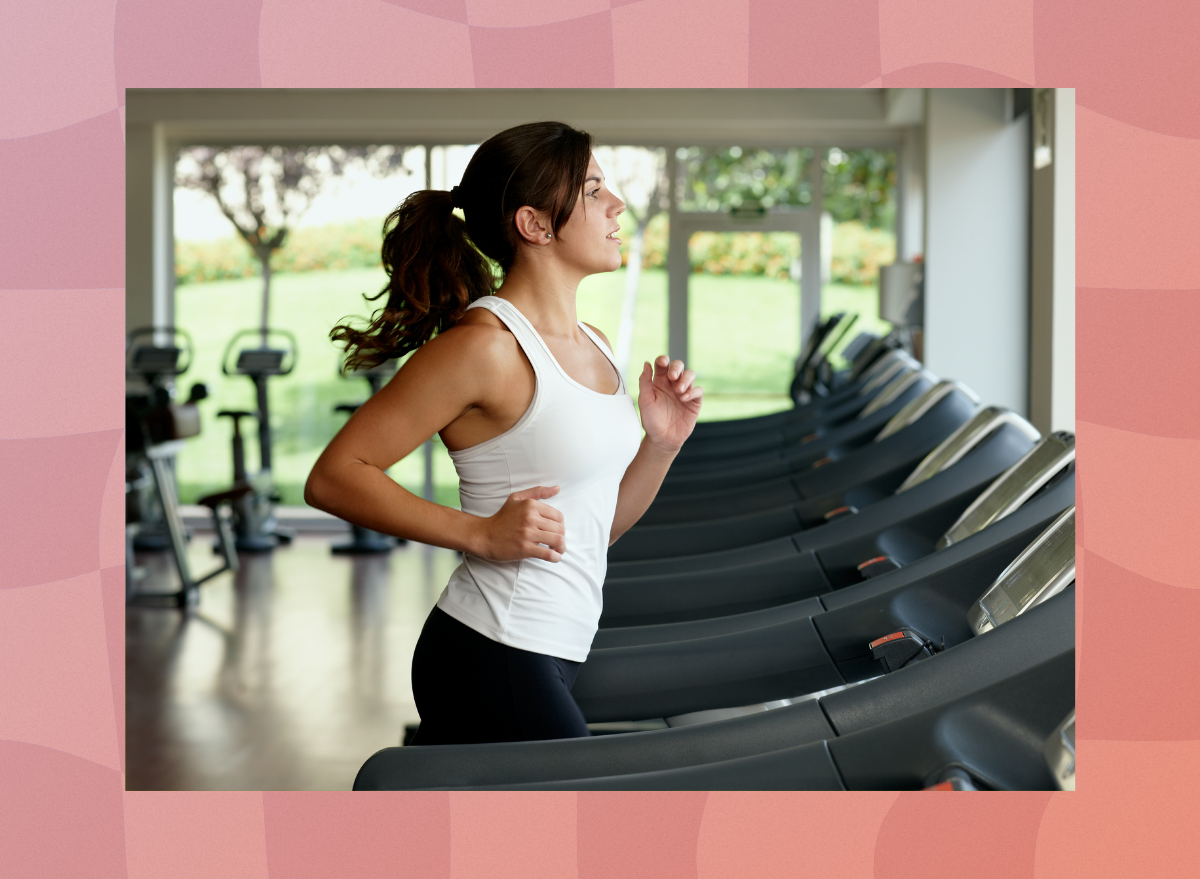
A treadmill is often better for weight loss when you can walk or run comfortably and maintain a strong pace. Running usually burns more calories per minute than moderate elliptical exercise because it supports your full body weight and creates greater impact.
However, an elliptical can be just as useful for weight loss when it helps you exercise longer, recover faster, or avoid joint pain. A 45-minute elliptical workout may help you more than a 20-minute treadmill session if you can work harder and stay consistent.
Weight loss does not come from a machine alone. It comes from a steady calorie deficit created through food choices, daily movement, and exercise. The machine is a tool, not the whole plan.
A simple comparison looks like this:
| Factor | Treadmill | Elliptical |
|---|---|---|
| Calorie burn | Often higher during running | Moderate to high, depending on effort |
| Joint impact | Higher, especially while running | Low impact |
| Muscle use | Legs, glutes, and core | Legs, glutes, arms, and core |
| Beginner comfort | Easy for walking | May feel less natural at first |
| Workout variety | Walking, jogging, running, incline | Forward, reverse, resistance, and arm movement |
| Injury concerns | More stress on knees, ankles, and hips | Lower impact but still requires good form |
So, is a treadmill or an elliptical better for weight loss? The honest answer is that both work. Your effort, workout time, nutrition, and consistency matter more than the logo on the machine.

How exercise machines support weight loss
Exercise supports weight loss in three main ways. It burns calories, helps preserve muscle when paired with strength training, and improves your ability to stay active during the day.
The number of calories you burn depends on several factors:
• Your body weight
• Workout duration
• Exercise intensity
• Incline or resistance
• Fitness level
• Whether you use the arm handles
A 155-pound person may burn roughly 250 to 400 calories during 30 minutes of moderate exercise, depending on the activity and effort. These numbers are estimates, not promises. Machine displays can also overestimate calorie burn, especially when they do not know your age, body weight, or fitness level.
The most important measure is not one workout. Look at your weekly pattern. Three to five workouts, daily walking, balanced meals, enough sleep, and patience will usually produce better results than one intense session followed by several inactive days.
Research on weight management also shows that exercise alone may lead to modest weight loss for some people. This happens because people may eat more after training or move less later in the day. Exercise remains valuable, but nutrition and overall activity must support the goal.
Why a treadmill may be better for weight loss
A treadmill gives you a direct way to walk, jog, or run. It also lets you change speed and incline with precision. These features make it easy to increase the challenge over time.
Running on a treadmill often creates a higher calorie burn than using an elliptical at a similar perceived effort. You must repeatedly lift and move your body, and the impact requires more work from your muscles and bones.
A treadmill may be the better option if:
• You enjoy walking or running
• You want to train for a race
• You prefer simple movement
• You want to use incline intervals
• You have no major pain during walking or running
Incline walking is especially useful for people who want a hard workout without running. For example, you could walk at a comfortable speed while gradually raising the incline. This increases the demand on your glutes and heart while keeping your feet in contact with the belt.
Treadmills also offer a clear form of progression. You can add one minute to your workout, increase the incline by 1%, or raise your speed slightly. Small changes help your body adapt without forcing you to make a dramatic jump.
Still, a treadmill is not automatically better for weight loss. Running can cause soreness or pain when you increase your training too quickly. A common mistake is moving from little exercise to daily running. Your heart may feel ready before your tendons, joints, and feet are ready.

Why an elliptical may be better for weight loss
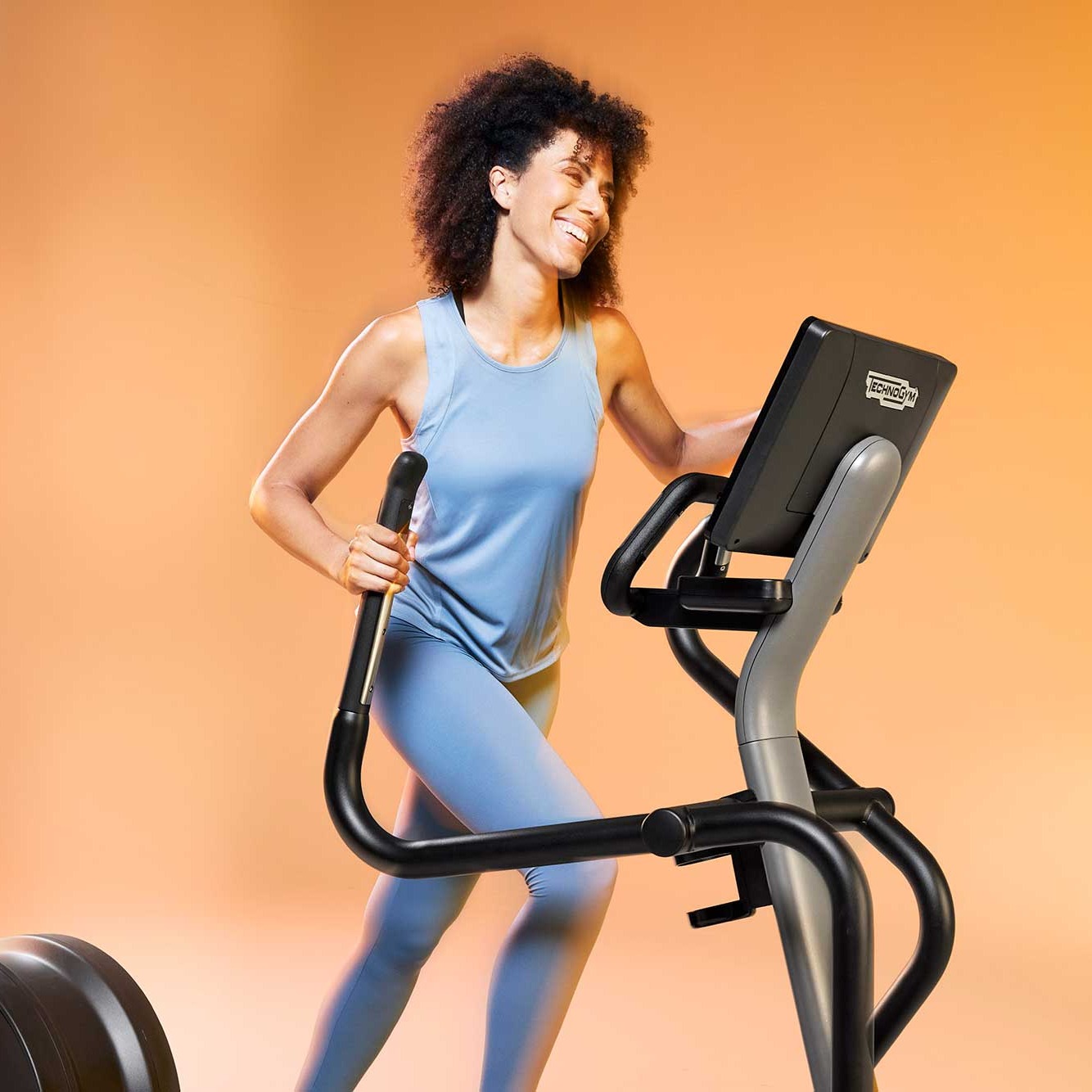
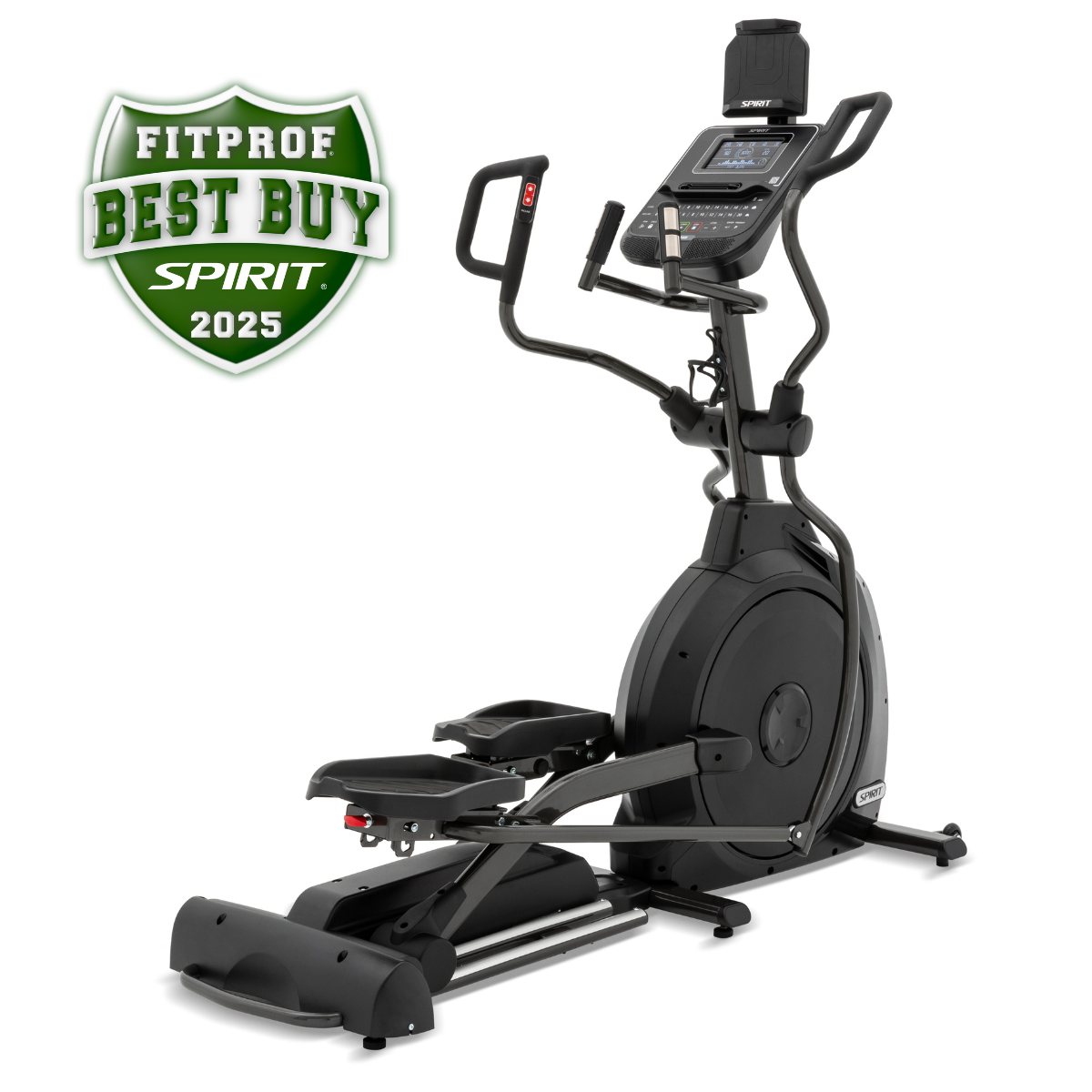
An elliptical creates a smooth, gliding motion. Your feet stay on the pedals, so the machine reduces the repeated impact found in running. This can make exercise feel more comfortable for people with knee, hip, ankle, or back concerns.
The elliptical may be the better option if:
• Running causes pain
• You are returning to exercise after a break
• You want a low-impact workout
• You need longer cardio sessions
• You enjoy using both your arms and legs
Many elliptical machines include moving handles. Pushing and pulling these handles can increase upper-body involvement and raise your heart rate. You should use the handles actively rather than simply holding them for balance.
The elliptical also makes it easy to add resistance. Higher resistance can make your legs work harder, while short bursts of speed can challenge your cardiovascular system. You can pedal backward for short periods to change the muscle demand, but start slowly because reverse movement may feel awkward.
An elliptical workout can be excellent for weight loss when you maintain a moderate or vigorous effort. If the machine feels too easy, increase resistance, use the handles, or add intervals. A slow, passive session may burn fewer calories than a brisk treadmill walk.
One limitation is that the elliptical motion does not perfectly match everyday movement. It can improve fitness, but it does not replace walking outdoors, climbing stairs, or strength training. A balanced routine uses several forms of movement.
Treadmill vs. elliptical calorie burn
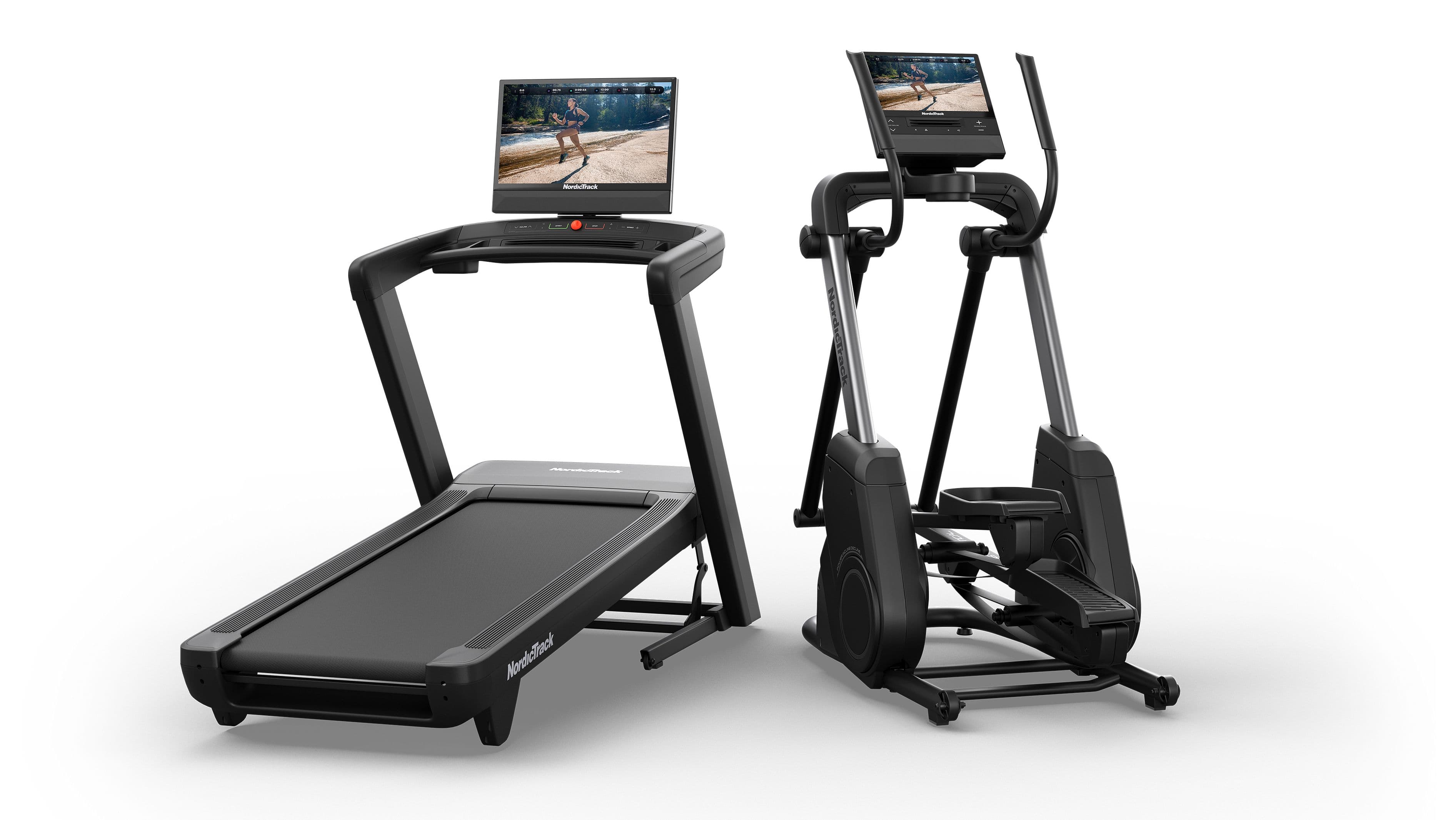
Calorie burn varies so much that no machine always wins. A fast treadmill run may burn far more calories than a relaxed elliptical workout. A hard elliptical interval session may burn more than a slow treadmill walk.
Your perceived effort can help you compare workouts. Use a scale from 1 to 10:
• 1 to 2 feels very easy
• 3 to 4 feels light
• 5 to 6 feels moderate
• 7 to 8 feels hard
• 9 to 10 feels nearly maximal
For most weight-loss cardio, spend much of your time around a 5 to 7. You should breathe faster but still control your movement. During short intervals, you may work at a 7 or 8, followed by an easier recovery period.
Heart rate can also provide useful feedback, but heart-rate formulas are not perfect. Stress, medication, heat, sleep, and caffeine can change your heart rate. Use the talk test as another guide. If you can speak in short sentences but not sing comfortably, you are likely working at a moderate level.
The best way to compare a treadmill and elliptical is to match the workout length and effort. Try 30 minutes on each machine for two weeks. Record your effort, comfort, distance, resistance, and how you feel afterward. This gives you more useful information than a single calorie number.
Which machine is easier on your joints?
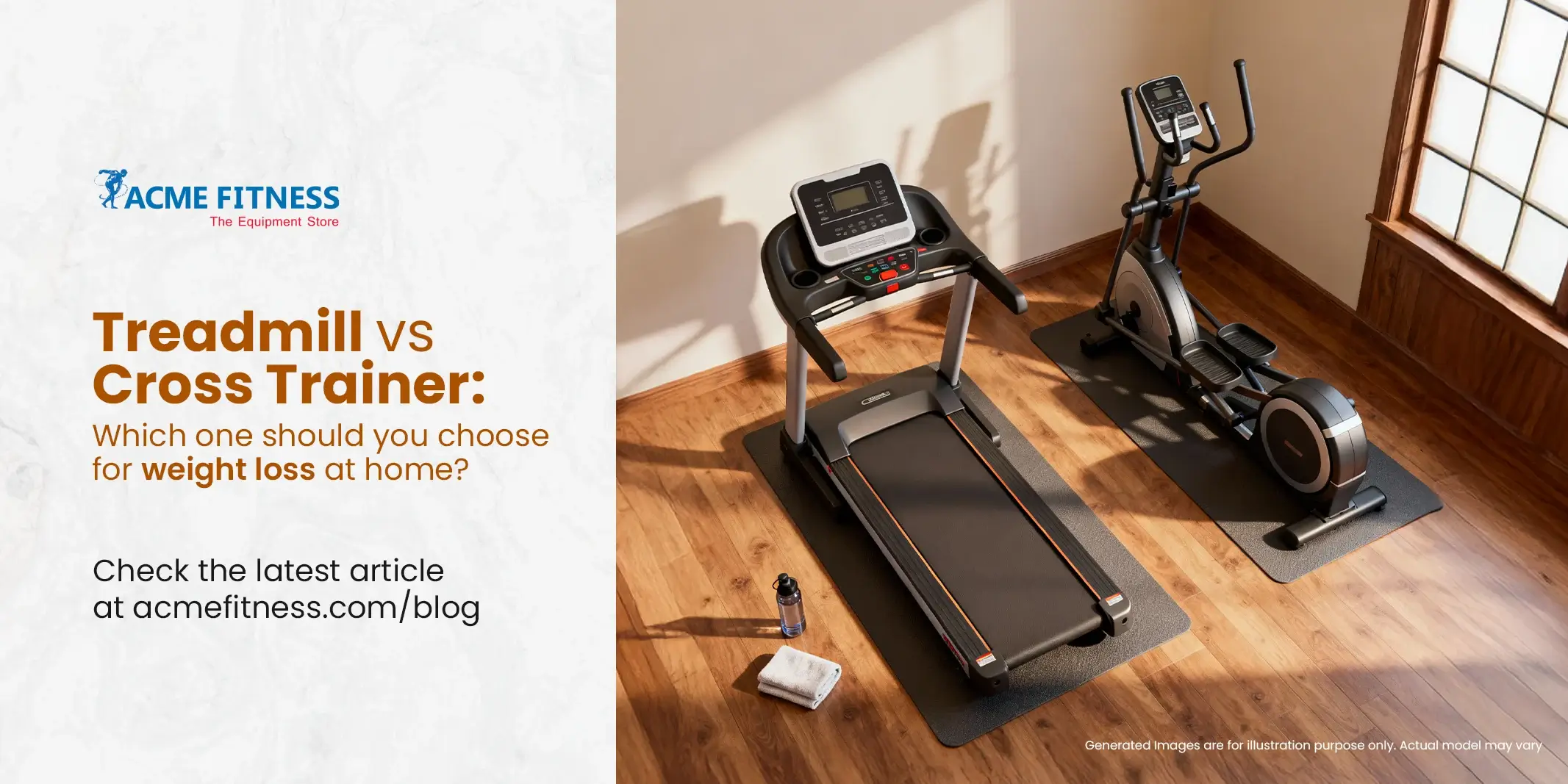
The elliptical is usually easier on the joints because your feet remain on the pedals. It reduces the impact that occurs when your feet repeatedly strike the ground during walking or running.
This does not mean the elliptical is risk-free. Poor posture, excessive resistance, or pushing through pain can still irritate your knees, hips, or lower back. Keep your chest lifted, hold the handles lightly, and let your legs follow a smooth path.
A treadmill can also be joint-friendly when used for walking. Brisk walking on a level or gently inclined belt is much different from running. Supportive shoes, gradual progress, and a warm-up can make a major difference.
Choose the elliptical if impact is a concern, but do not ignore pain. Sharp pain, swelling, numbness, dizziness, or chest discomfort requires you to stop and seek appropriate medical advice. People with medical conditions should ask a qualified health professional before beginning a demanding exercise plan.
Best treadmill and elliptical workouts for weight loss
The most effective workout is one you can repeat. Start with a level that feels challenging but manageable, then build slowly.
Beginner treadmill workout
-
Walk easily for 5 minutes.
-
Walk briskly for 3 minutes.
-
Walk easily for 2 minutes.
-
Repeat the brisk and easy pattern four times.
-
Cool down for 5 minutes.
This creates a 25-minute workout. Add time before adding speed. When 30 minutes feels comfortable, add a small incline or one short jogging interval.
Beginner elliptical workout
-
Pedal easily for 5 minutes.
-
Use moderate resistance for 3 minutes.
-
Recover at a light resistance for 2 minutes.
-
Repeat the pattern four times.
-
Cool down for 5 minutes.
Keep your body upright. Avoid leaning heavily on the handles, as this can reduce the work your legs must do.
Interval workout
Intervals can save time and improve cardiovascular fitness. After warming up, work hard for 30 to 60 seconds, then recover for 1 to 2 minutes. Repeat six to ten times.
You can use intervals on either machine:
• Treadmill: Increase speed or incline
• Elliptical: Increase resistance or cadence
• Treadmill: Use brisk walking instead of running
• Elliptical: Push and pull the handles during hard periods
Do not perform hard intervals every day. Two sessions per week are enough for many people. Use easier workouts between them so your body can recover.

How often should you use a treadmill or elliptical?
Many adults can aim for at least 150 minutes of moderate aerobic activity each week, plus muscle-strengthening exercise on two or more days. If you choose vigorous exercise, the weekly time may be lower.
A simple weekly plan could include:
• Monday: 30-minute treadmill walk
• Tuesday: Strength training
• Wednesday: 30-minute elliptical workout
• Thursday: Easy walk or rest
• Friday: Treadmill intervals
• Saturday: Strength training or outdoor activity
• Sunday: Rest or gentle movement
You do not need to complete every workout in a gym. Outdoor walks, cycling, stairs, and active hobbies also count. Variety may reduce boredom and help you stay active through busy weeks.
Start with two or three cardio sessions if you are new to exercise. Add five minutes to one workout each week, or add one extra session when your body feels ready. Slow progress is not a sign of failure. It is often the safest way to build a lasting habit.
From my experience working through exercise plans, the biggest mistake is choosing the machine that looks most impressive instead of the one that fits real life. If you dislike running, a treadmill may become an expensive clothes rack. If you enjoy the elliptical and use it four times per week, it may be the better weight-loss tool for you.
How nutrition affects machine-based weight loss
You can burn calories on a treadmill or elliptical and still gain weight if your food intake consistently exceeds your needs. This is not a reason to skip exercise. It simply shows why both sides of the energy balance matter.
Build meals around filling foods:
• Protein such as eggs, fish, chicken, tofu, beans, or Greek yogurt
• High-fiber foods such as vegetables, fruit, oats, potatoes, and whole grains
• Healthy fats such as nuts, seeds, avocado, and olive oil
• Water and low-calorie drinks
Avoid treating exercise as permission to eat unlimited snacks. A large coffee drink, dessert, or fast-food meal can replace the calories burned during a workout very quickly.
You do not need a perfect diet. Try making one useful change at a time. Add protein to breakfast, plan a balanced post-workout meal, or keep easy fruit and yogurt available. These small choices can support your workouts without making food feel like a punishment.
A reasonable rate of weight loss differs by person. Weekly changes can also reflect water, sodium, hormones, and digestion. Track trends over several weeks rather than judging your progress by one morning on the scale.
Common mistakes to avoid
Even a good machine can produce poor results when the plan is rushed. Avoid these common errors:
• Holding the treadmill rails while walking at a steep incline: This reduces the workload and can strain your posture.
• Leaning on the elliptical handles: Light contact is fine, but supporting your body weight makes the workout easier.
• Increasing speed, incline, and workout length at once: Change one factor at a time.
• Training hard every day: Recovery supports performance and helps reduce injury risk.
• Trusting the calorie display completely: Use it as a rough estimate, not a precise measurement.
• Ignoring strength training: Strong muscles help support daily movement and body composition goals.
• Exercising through sharp pain: Muscle effort is normal, but sharp or worsening pain is a warning sign.
• Expecting fast results: Sustainable weight loss usually requires weeks and months, not a few workouts.
I have also seen people make the mistake of judging a workout only by sweat. Sweat shows that your body is cooling itself. It does not prove that you burned more fat. A controlled, repeatable workout can be more useful than a dramatic session that leaves you too sore to move the next day.
How to choose the right machine for you
Ask yourself a few practical questions before deciding whether a treadmill or elliptical is better for weight loss:
-
Which machine can you use without pain?
-
Which workout do you enjoy enough to repeat?
-
Can you maintain good posture and control?
-
Do you prefer walking and running or smooth, low-impact movement?
-
Which machine fits your budget and available space?
-
Can you vary the workout as your fitness improves?
If you are healthy and enjoy running, a treadmill may offer a higher calorie burn and more training options. If you have joint concerns or prefer low-impact exercise, an elliptical may provide a better experience.
You can also use both. For example, complete two treadmill workouts and two elliptical workouts each week. This approach gives you variety, reduces repeated stress, and lets you train through mild soreness without stopping all movement.
The answer to is a treadmill or an elliptical better for weight loss may change over time. A treadmill may suit you during one season, while an elliptical may work better during recovery, pregnancy, a busy period, or a change in fitness level. Your plan should adapt to your body and your life.
Frequently Asked Questions
Is a treadmill or an elliptical better for weight loss?
A treadmill may burn more calories when you run or walk at a high incline. An elliptical may lead to better results if it lets you exercise longer and more often with less joint stress.
Can you lose belly fat with a treadmill or elliptical?
Neither machine can target belly fat directly. Overall fat loss comes from a consistent calorie deficit, regular exercise, strength training, sleep, and supportive eating habits.
Is 30 minutes on an elliptical enough to lose weight?
Thirty minutes can support weight loss when you exercise regularly and your overall calorie intake matches your goal. Increase the resistance or use intervals if the workout becomes too easy.
Is walking on a treadmill better than using an elliptical?
It depends on your body and effort. Treadmill walking may feel more natural and support daily walking skills, while the elliptical offers lower impact and may feel better for sensitive joints.
How many days a week should I use a treadmill or elliptical?
Many people can start with three cardio sessions per week and gradually move toward four or five. Include easy days and strength training so your body has time to recover.
Which burns more calories, a treadmill or elliptical?
A treadmill often burns more calories during running or steep incline walking. Calorie burn depends on speed, resistance, incline, body size, workout time, and effort, so the elliptical can win during a hard session.
Can I use a treadmill and elliptical on the same day?
You can combine them if your fitness level and recovery allow it. Start with 10 to 15 minutes on each machine and stop if you feel unusual pain, extreme fatigue, dizziness, or shortness of breath.
Conclusion
So, is a treadmill or an elliptical better for weight loss? A treadmill often has the advantage for calorie burn, especially during running or incline walking. An elliptical may be the smarter choice when you need low-impact exercise, longer sessions, or a workout that feels comfortable enough to repeat.
Both machines can help you lose weight when paired with a steady calorie deficit, regular training, strength work, and realistic expectations. Test each machine, track your effort and comfort, and choose the one that fits your body and schedule.
Start with three manageable sessions this week. Build slowly, stay consistent, and explore more evidence-based fitness guides to keep your progress moving forward.

Brandon Knoxley is a sport & fitness writer and training guide contributor at MySportFitHub. He focuses on practical workouts, performance-based training, and honest fitness gear insights designed for real people and real results. Brandon is passionate about helping beginners and active individuals train smarter, avoid common mistakes, and build sustainable fitness habits.


