What Does Incline Treadmill Do: Benefits And Tips
An incline treadmill raises the walking surface to increase effort, burn more calories, and strengthen your legs.
If you have wondered what does incline treadmill do, the answer goes beyond simple calorie burning. Incline walking changes your posture, muscle use, heart rate, and training load. This guide explains the benefits, limits, correct settings, safety tips, and best workouts so you can use the machine with confidence.
What Does Incline Treadmill Do?
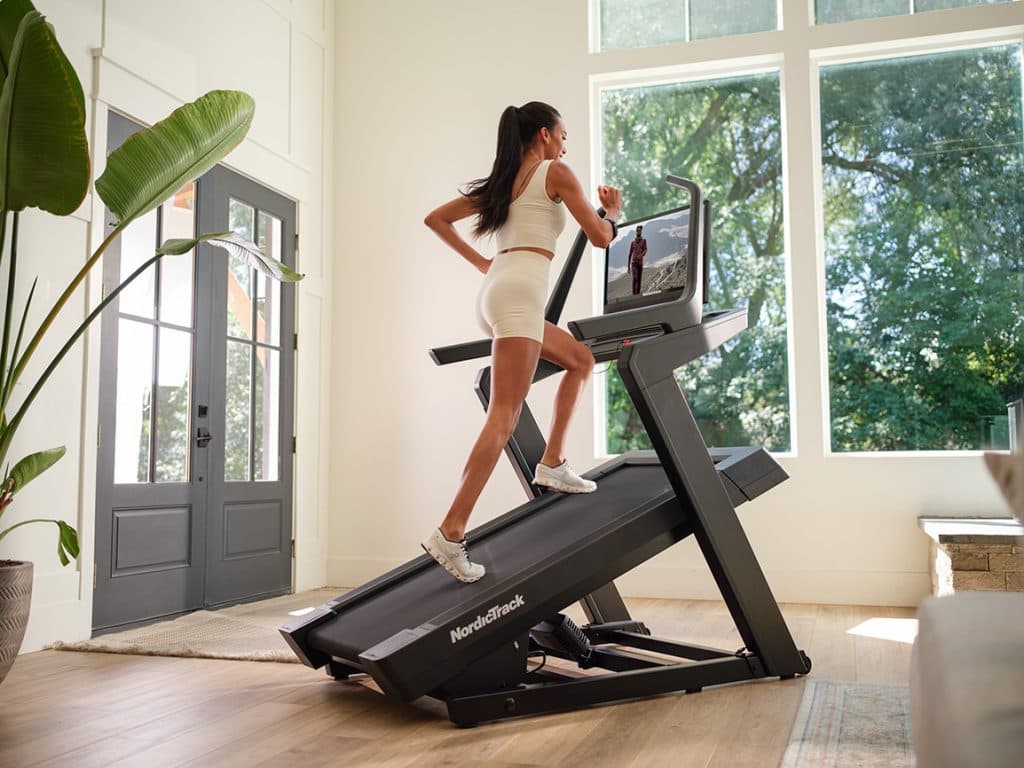
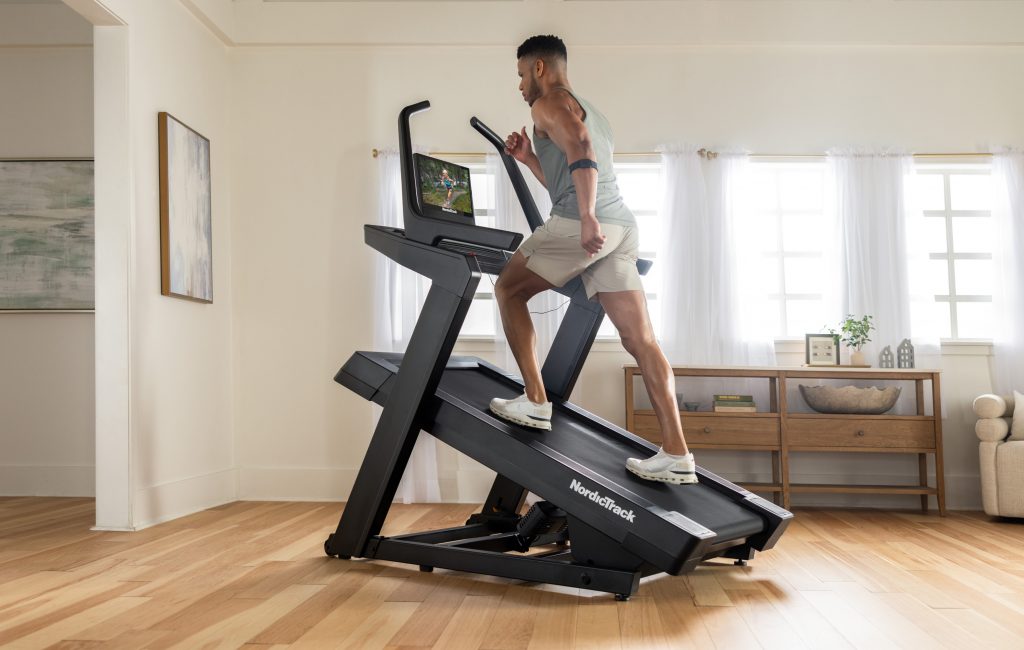
An incline treadmill lifts the front of the walking belt. This creates an uphill path, even though you stay in one place. Your body must work harder to move upward against gravity.
What does incline treadmill do to your workout? It can:
• Raise your heart rate faster than level walking
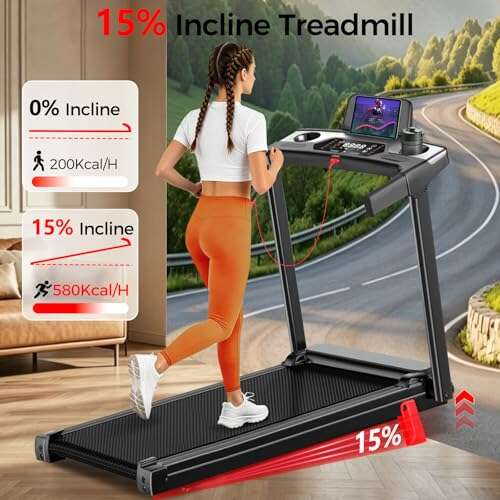
• Increase energy use at the same speed
• Place more work on your glutes, calves, hamstrings, and thighs
• Improve walking strength and uphill endurance
• Add variety without forcing you to run
The steeper the incline, the greater the challenge. Speed also matters, but incline often lets you increase workout intensity without moving at a fast pace.
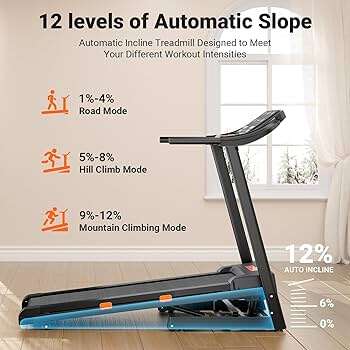
A 3% to 5% incline may feel like a gentle hill. A 8% to 12% incline feels much harder and may resemble a steep outdoor climb. Most treadmills show incline as a percentage, not degrees.

How an Incline Treadmill Changes Your Body
The main change is mechanical. On a flat treadmill, you mainly move forward. On an incline treadmill, you move forward and upward. This requires more force from the muscles that extend your hips, knees, and ankles.
Your glutes help drive your body upward. Your hamstrings assist with hip movement and knee control. Your quadriceps help straighten the knee, while your calves push through each step.
What does incline treadmill do to your heart and lungs? It increases the amount of work your cardiovascular system must support. Your heart beats faster, your breathing becomes deeper, and your muscles need more oxygen.
The exact response depends on your speed, incline, body weight, fitness level, and walking form. A slow walk at a high incline may feel harder than a brisk walk on a flat belt.
Research on treadmill walking shows that uphill walking can increase oxygen use and heart rate compared with level walking. This makes incline training a useful form of moderate or vigorous aerobic exercise when used at a suitable intensity.
Incline Treadmill Benefits
1. It increases workout intensity
Incline walking can make a short workout feel more productive. You do not always need to run to challenge your heart and lungs.
For example, walking at 3.5 miles per hour on a 6% incline can feel much harder than walking at the same speed with no incline. This helps people who want a demanding workout but prefer low-impact movement.
2. It may burn more calories
What does incline treadmill do for calorie burn? It usually increases energy use because your body must lift itself with every step.
Calorie burn is not fixed. It changes with:
• Body weight
• Walking speed
• Incline level
• Workout length
• Fitness level
A treadmill calorie display can give a rough estimate, but it is not exact. Treat it as a general guide rather than a precise measurement.
3. It strengthens the lower body
Incline walking places more demand on the glutes, calves, hamstrings, and quadriceps. It can support stronger legs and better uphill endurance.
Still, incline walking is not a complete strength program. If your goal is major muscle growth, add resistance exercises such as squats, step-ups, lunges, and calf raises.
4. It supports cardiovascular fitness
Regular incline treadmill workouts can help improve aerobic fitness. Over time, your body may become better at using oxygen and handling sustained effort.
The American College of Sports Medicine generally recommends regular moderate aerobic activity, along with muscle-strengthening work. Incline walking can help meet the aerobic part of that plan.
5. It is easier on the joints than running
Walking creates less impact than running for many people. An incline can increase effort without requiring a running pace.
However, “low impact” does not mean “risk free.” A steep incline may increase stress on the calves, Achilles tendon, knees, or lower back. Progress slowly and stop if you feel sharp or unusual pain.

Does Incline Walking Build Muscle?
Incline walking can strengthen muscles and may improve muscle endurance. It is especially useful for the glutes and calves because these muscles help push your body uphill.
What does incline treadmill do for muscle development? It gives your muscles repeated resistance, but the load is still lighter than traditional strength training. This means it can tone and strengthen your legs without producing the same growth stimulus as heavy weights.
Think of incline walking as carrying a light backpack up a hill for many steps. It builds work capacity and endurance. Weight training is more like lifting a heavier backpack for fewer, controlled repetitions.
For better lower-body results, combine incline walking with two weekly strength sessions. Use exercises such as:
• Bodyweight squats
• Reverse lunges
• Step-ups
• Glute bridges
• Romanian deadlifts
• Standing calf raises
Leave enough recovery time between hard sessions. Muscles improve when training and recovery work together.

Does an Incline Treadmill Help With Weight Loss?
An incline treadmill can support weight loss by increasing calorie use and helping you exercise regularly. However, no treadmill setting causes fat loss on its own.
Weight loss usually depends on a consistent calorie deficit. This means your body uses more energy than you consume over time. Exercise helps, but food intake, sleep, stress, and daily activity also matter.
What does incline treadmill do in a weight-loss plan? It can make walking more challenging without requiring a long workout. It may also help you keep exercise interesting, which improves consistency.
A practical plan might include:
-
Walk for 25 to 35 minutes at a comfortable pace.
-
Use a 2% to 5% incline for most of the session.
-
Add short periods at 6% to 10% when your fitness improves.
-
Repeat three to five times per week.
-
Pair exercise with balanced meals that include protein, fiber, fruits, vegetables, and whole grains.
Avoid judging progress by one treadmill session. Track weekly habits, waist measurements, strength, energy, and fitness. Daily body weight can change because of water, food, and hormones.

Incline Treadmill vs. Flat Treadmill
A flat treadmill is useful for easy walking, warmups, recovery, and speed practice. It may be the best choice when you are tired or learning proper treadmill form.
An incline treadmill creates more resistance and often raises your heart rate sooner. It can provide a strong workout at a walking speed, but it may fatigue your legs faster.
Here is a simple comparison:
| Feature | Flat treadmill | Incline treadmill |
|---|---|---|
| Main challenge | Forward movement | Forward and upward movement |
| Muscle demand | Balanced walking work | More glute, calf, and thigh work |
| Heart rate | Usually lower at the same speed | Usually higher at the same speed |
| Joint impact | Low to moderate | Low to moderate, but varies with incline |
| Best use | Easy walking and speed work | Hill training and added intensity |
| Recovery need | Often lower | Often higher |
The best option depends on your goal. Many people benefit from using both. Flat walking builds volume, while incline walking adds resistance and variety.

Best Incline Treadmill Settings for Beginners
If you are new to incline walking, begin with a 0% to 3% incline. Walk at a pace that lets you speak in short sentences without gasping.
After several sessions, raise the incline by 1% or 2%. Keep the speed steady while you learn how your body responds. Increasing both speed and incline at the same time can make the workout harder than expected.
A beginner workout could look like this:
• Warm up for 5 minutes at 0% to 1% incline
• Walk for 5 minutes at 3%
• Walk for 2 minutes at 5%
• Repeat the 3% and 5% blocks three times
• Cool down for 5 minutes at 0% to 1%
This workout takes about 25 minutes. Adjust the speed and incline to your fitness level.
A useful effort guide is the talk test. Moderate exercise usually allows conversation but makes singing difficult. Vigorous exercise makes talking in full sentences hard.

Incline Treadmill Walking Form
Good form helps you use the right muscles and lowers unnecessary strain. Stand tall and let your arms swing naturally.
Keep these points in mind:
• Look forward instead of down at your feet
• Keep your shoulders relaxed
• Maintain a gentle bend in your knees
• Lean slightly from the ankles, not the waist
• Keep your steps smooth and controlled
• Avoid gripping the front or side rails
Holding the rails can reduce the real workload. It may also change your posture and place more stress on your lower back. If you need the rails for balance, lower the incline or speed.
One mistake I often see in treadmill workouts is choosing a steep incline too soon. The person then hangs on the rails and takes short, tense steps. A lower incline with free arm movement is usually safer and more effective.

Incline Treadmill Workouts to Try
Steady incline walk
This is a simple choice for building endurance.
• Warm up for 5 minutes at 0% to 2%
• Walk for 20 minutes at 4% to 6%
• Cool down for 5 minutes at 0% to 1%
Keep the speed steady. The goal is smooth effort, not exhaustion.
Hill interval workout
Intervals add variety and help you practice changes in effort.
• Warm up for 5 minutes
• Walk at 2% incline for 3 minutes
• Raise the incline to 7% for 2 minutes
• Repeat for five rounds
• Cool down for 5 minutes
Lower the speed during the steep portions if needed.
Short steep intervals
This format is best for people with some training experience.
• Warm up for 8 minutes
• Walk at 3% incline for 2 minutes
• Walk at 10% to 12% incline for 30 to 60 seconds
• Recover at 2% to 3% incline for 2 minutes
• Repeat four to six times
• Cool down for 5 minutes
Do not use this workout every day. Your calves and Achilles tendons may need more recovery after steep intervals.
Common Mistakes to Avoid
Understanding what does incline treadmill do also means knowing what it should not do. It should not cause sharp pain, force poor posture, or leave you unable to recover.
Avoid these common mistakes:
• Starting at a very steep incline
• Holding the rails for the entire workout
• Increasing speed and incline at once
• Skipping the warmup
• Training hard every day
• Ignoring pain in the knees, hips, calves, or back
• Treating the calorie display as exact
• Wearing worn-out shoes
Start with less than you think you need. You can always add time or incline later. You cannot undo an injury caused by rushing your progress.
People with heart disease, uncontrolled blood pressure, balance problems, diabetes complications, or significant joint pain should ask a health professional about safe exercise limits. Stop exercising and seek medical care for chest pain, faintness, severe shortness of breath, or unusual weakness.
How Often Should You Use an Incline Treadmill?
Most beginners can use an incline treadmill two or three times per week. Keep at least one easier day between hard hill sessions at first.
You can also walk more often if most sessions are easy. For example, use a flat or low-incline walk on recovery days and a moderate incline workout on two other days.
A balanced weekly plan might include:
• Two incline walking sessions
• Two flat or easy walking sessions
• Two strength training sessions
• At least one full rest day
The right schedule depends on your age, health, training history, and other activities. Progress should feel gradual. If soreness lasts for several days or your performance drops, reduce the incline or take more rest.
Frequently Asked Questions About What Does Incline Treadmill Do
What does incline treadmill do for your legs?
It increases work for the glutes, hamstrings, quadriceps, and calves. The effect is mainly muscular endurance and strength, not the same muscle growth produced by heavy resistance training.
Is walking on an incline better than walking flat?
Neither is always better. Incline walking raises workout intensity, while flat walking is easier to recover from and may allow longer sessions.
Does an incline treadmill burn belly fat?
It can help reduce overall body fat by increasing energy use, but it cannot target belly fat directly. Fat loss happens across the body and depends on a sustained calorie deficit.
What incline is best for weight loss?
A 3% to 8% incline works well for many people because it increases effort without making form difficult. The best incline is one you can use consistently while maintaining safe posture.
Can I use an incline treadmill every day?
You can walk every day if most sessions are easy and your body feels well. Hard, steep incline workouts should usually be limited to a few days per week so your muscles and connective tissues can recover.
Is incline walking bad for your knees?
Incline walking is not automatically bad for the knees, but a steep incline or poor form may increase discomfort. Start gently, avoid holding the rails, and reduce the incline if pain develops.
How long should I walk on an incline treadmill?
Many people can begin with 15 to 30 minutes, including a warmup and cooldown. As fitness improves, you may build toward 30 to 45 minutes at a moderate effort.
Conclusion
So, what does incline treadmill do? It turns ordinary treadmill walking into uphill exercise. It can raise your heart rate, increase calorie use, strengthen your legs, and improve endurance while keeping your feet moving at a walking pace.
The best results come from steady progress, good posture, and a mix of easy and challenging sessions. Start with a low incline, avoid leaning on the rails, and increase the workload only when your body is ready.
Choose a comfortable incline this week, complete one controlled workout, and track how you feel. Keep learning, stay consistent, and share your favorite incline treadmill routine in the comments.

Brandon Knoxley is a sport & fitness writer and training guide contributor at MySportFitHub. He focuses on practical workouts, performance-based training, and honest fitness gear insights designed for real people and real results. Brandon is passionate about helping beginners and active individuals train smarter, avoid common mistakes, and build sustainable fitness habits.