What Does Incline Mean On Treadmill: Simple Guide
Incline on a treadmill shows the uphill grade, usually as a percentage of slope.
If you have ever wondered what does incline mean on treadmill settings, you are not alone. As a fitness writer and treadmill user, I know the number can look simple but change your workout a lot. This guide explains how incline works, what each level feels like, and how to use it safely for walking, running, weight loss, and stronger legs.

What does incline mean on treadmill?
The incline setting raises the front of the treadmill deck. This makes you walk or run uphill, much like moving up a road or trail. In most gyms and home treadmills, incline is shown as a percentage, such as 1%, 5%, or 10%.
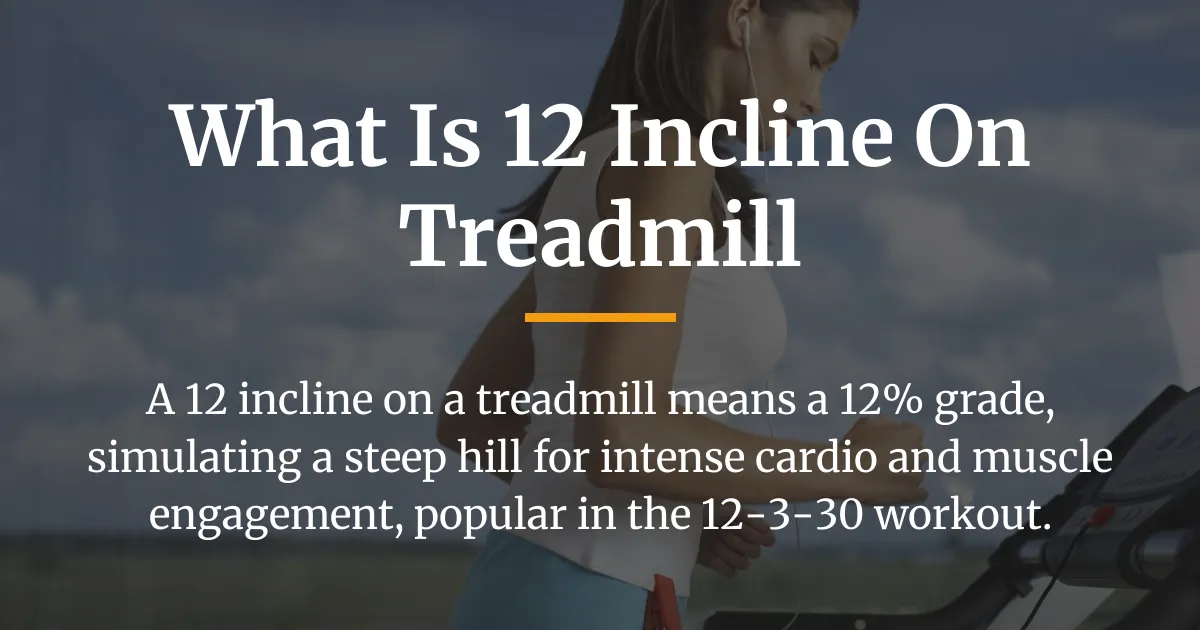
A 10% incline does not mean the treadmill deck is tilted at a 10-degree angle. It means the deck rises 10 feet for every 100 feet of forward travel. This measurement is called a grade.
For example:
• 0% incline is flat.
• 1% incline is a very gentle rise.
• 5% incline feels like a moderate hill.
• 10% incline feels like a steep hill.
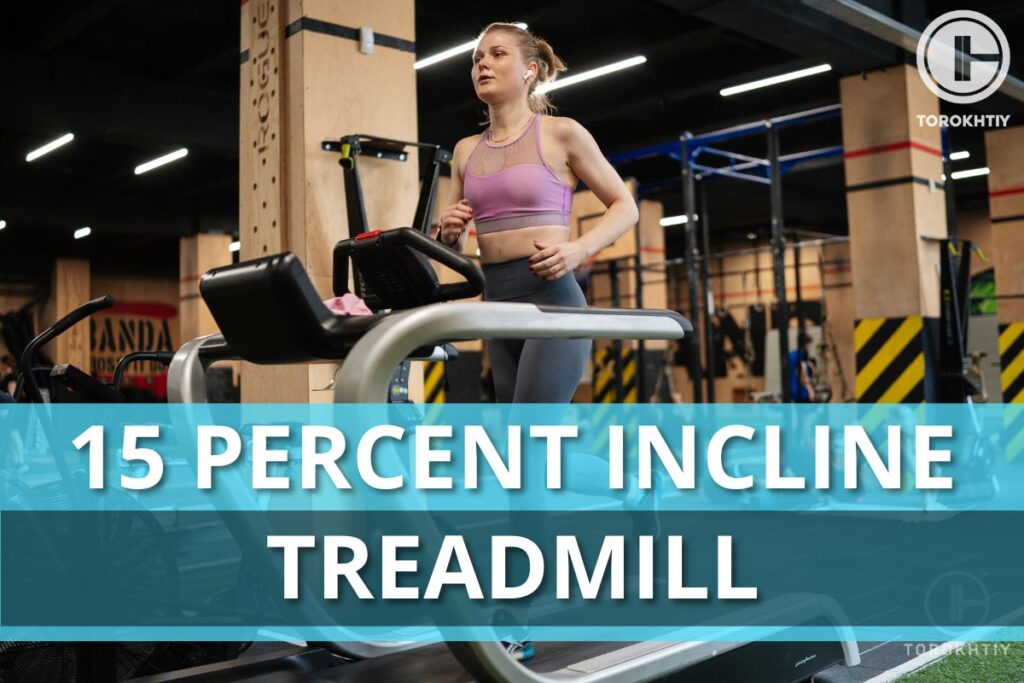
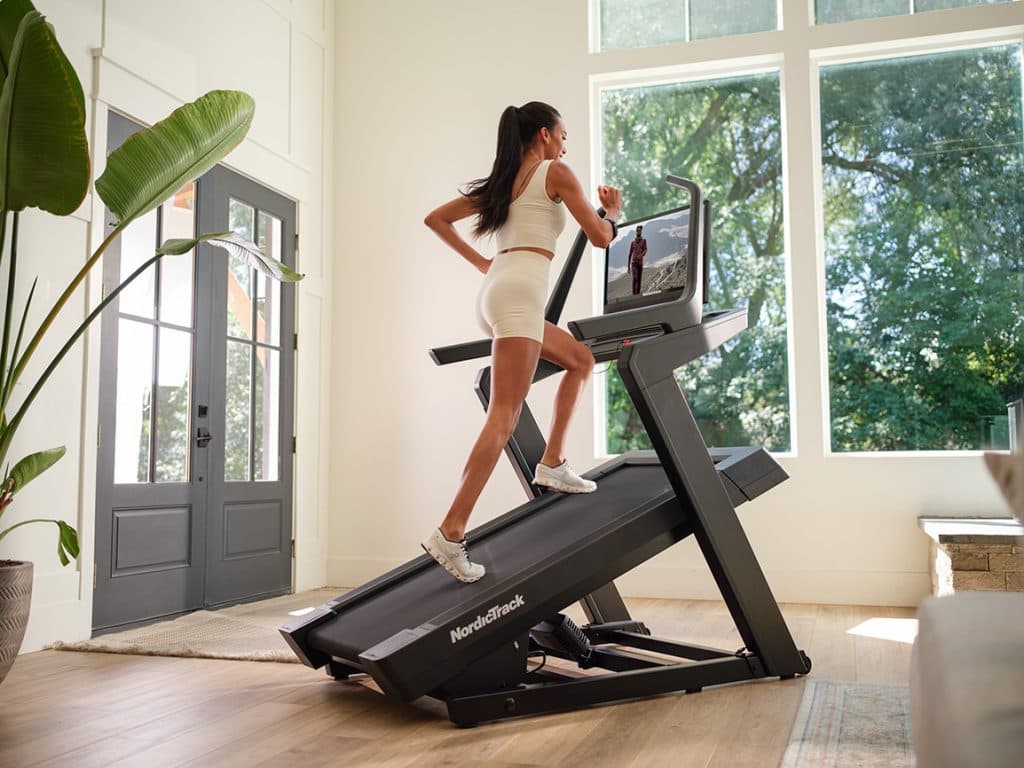
• 15% incline is very steep and may require slow walking.
So, what does incline mean on treadmill displays? It tells you how steep the simulated hill is. A higher number makes your muscles work harder, even if your speed stays the same.
Some treadmills use the word “grade” instead of “incline.” In this case, the two terms usually mean the same thing. A treadmill may also show incline in whole numbers, while some advanced models allow smaller changes, such as 0.5%.
How treadmill incline works
A motor lifts the front of the treadmill belt to create a slope. The belt still moves at the speed you choose, but your body must push upward with each step. This raises the physical demand of the workout.
On a flat treadmill, your body mainly moves forward. With an incline, you also move upward. Think of it as carrying your body up a long ramp. The steeper the ramp, the more force your legs need.
When learning what does incline mean on treadmill, it helps to separate two settings:
• Speed controls how fast the belt moves.
• Incline controls how steep the surface becomes.
These settings work together. Walking at 3.5 miles per hour with a 6% incline can feel harder than jogging at 4.5 miles per hour on a flat deck. Your heart rate, breathing, and muscle effort can rise without a major increase in speed.
The treadmill incline also changes your body position. You may lean slightly forward from your ankles, take shorter steps, and push more through your calves, hamstrings, and glutes. Avoid bending sharply at your waist, since that can reduce the training effect and strain your back.
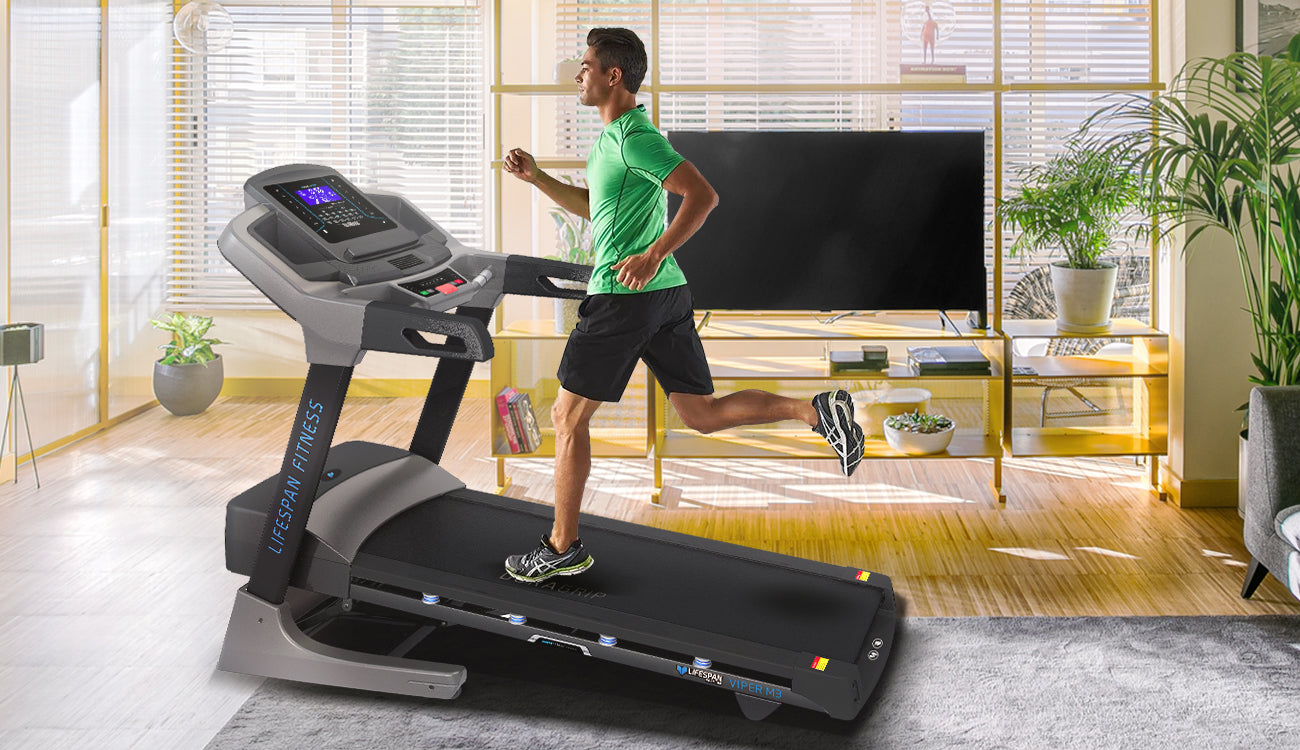
What incline percentages feel like
Incline levels can feel different from one person to another. Your fitness level, walking form, body weight, speed, and treadmill design all matter. Still, these ranges offer a useful starting point.
0% to 2% incline
This range feels mostly flat. A 1% incline may help make indoor running feel a little more like outdoor running because outdoor routes often include small changes in terrain and air resistance.
At 0%, some runners find the belt easier than running outside. However, the best setting depends on your speed, fitness, and goals. You do not need to use 1% for every run.
3% to 5% incline
This is a mild to moderate hill. Many people can use it for brisk walking or short running intervals. It can raise your heart rate while keeping the workout low impact compared with running faster.
For a beginner, 3% may be enough to create a clear challenge. Try 2 to 3 miles per hour for walking, then adjust based on your breathing and form.
6% to 10% incline
This range creates a strong hill effect. It can challenge your glutes, calves, and hamstrings. Most people need to slow down at this level.
A 10% incline at a slow walking pace can feel harder than a flat jog. Use short periods at first, such as 30 to 60 seconds, followed by easy recovery.
11% to 15% incline
This is a steep incline. It is often used for hill intervals, hiking practice, or short strength-focused efforts. Holding the handrails can make the exercise feel easier, but it also reduces the work your legs and core must do.
Use this range with care. If you cannot keep a steady stride, reduce the incline or speed. Good form matters more than reaching the highest number.
Benefits of using incline on a treadmill
Understanding what does incline mean on treadmill equipment helps you use it with purpose. Incline is not just a button that makes a workout harder. It can change the type of training you perform.
It increases workout intensity
Incline walking raises the energy cost of exercise. Your body must lift itself with every step, so your heart and muscles work harder.
Research on treadmill exercise shows that uphill movement can increase oxygen use and heart rate compared with level walking at the same speed. The exact change depends on the incline, pace, and individual fitness level.
It strengthens the lower body
Incline work places more demand on several muscles:
• Gluteus muscles help extend your hips.
• Hamstrings help drive your legs backward.
• Calf muscles help push you off the belt.
• Quadriceps help control each step.
• Core muscles help keep your body stable.
A hill workout is not a replacement for strength training, but it can add useful resistance to a walking or running routine.
It supports cardiovascular fitness
A moderate incline can raise your heart rate without forcing you to sprint. This makes it useful for people who want a challenging workout but prefer walking.
The Centers for Disease Control and Prevention recommends regular moderate or vigorous activity for adult health. Incline walking can help you reach moderate intensity, but your breathing and effort are more useful guides than the treadmill number alone.
It offers variety
Doing the same flat workout every time can become dull. Changing the incline creates small hills and valleys. This keeps the session more engaging and may help you stay consistent.
It may reduce the need for higher speed
Some people feel more comfortable walking uphill than running fast. Incline lets you increase effort while keeping your feet moving at a manageable pace. This can be helpful for beginners, people returning after a break, or those who prefer walking.
Remember, incline does not automatically cause fat loss. Weight loss depends on your overall energy balance, food intake, activity, sleep, and other health factors.

Incline versus speed: which is better?
There is no single best choice. Speed and incline train your body in different ways.
Speed usually increases the pace of movement. It can improve running economy, leg turnover, and overall running practice. Incline increases the uphill demand and often places more focus on the glutes and calves.
Use speed when your goal is to practice running faster. Use incline when you want a hill effect, more walking intensity, or a way to challenge your legs without moving at a very high speed.
You can also combine both settings. For example:
-
Walk for five minutes at 0% incline and 3 miles per hour.
-
Increase to 4% incline for three minutes.
-
Return to 1% incline for two minutes.
-
Repeat the hill section four times.
-
Cool down for five minutes at a gentle pace.
A common mistake I have seen during treadmill sessions is raising both speed and incline too quickly. The person may feel strong for the first few minutes, then lose form and grip the rails. A better approach is to change one setting at a time and give your body a chance to respond.
How to use treadmill incline safely
Incline walking is effective, but more is not always better. Safe use starts with a gradual increase in effort.
Before your workout, walk easily for five to ten minutes. This gives your muscles and joints time to warm up. Then raise the incline in small steps.
Follow these practical tips:
• Keep your eyes forward instead of looking down at your feet.
• Lean slightly from your ankles, not from your waist.
• Keep your arms moving naturally.
• Take shorter steps as the incline rises.
• Avoid pulling on the handrails.
• Hold the rails only when you need help getting on, off, or adjusting balance.
• Lower the incline before stepping off the treadmill.
• Stop if you feel chest pain, faintness, severe shortness of breath, or unusual pain.
If you have heart disease, uncontrolled high blood pressure, a recent injury, balance problems, or another medical condition, ask a health professional about the right intensity. A treadmill display cannot account for every health factor.
The question of what does incline mean on treadmill also includes how the setting affects your joints. Incline walking may reduce impact compared with fast running, but it can increase stress on the calves, Achilles tendon, and knees for some people. Increase gradually and wear supportive shoes.
Beginner treadmill incline workouts
A good beginner workout should feel challenging but controlled. You should be able to speak in short sentences during moderate work. If you can only say a few words, reduce the speed, incline, or both.
Gentle incline walk
Try this simple session:
• Warm up for five minutes at 0% to 1% incline.
• Walk for five minutes at 2% incline.
• Walk for five minutes at 3% incline.
• Return to 0% to 1% incline for five minutes.
• Cool down for five minutes.
This workout lasts 25 minutes. Adjust the speed so your steps feel steady.
Hill interval workout
For a stronger challenge:
• Warm up for five minutes at 0% incline.
• Walk at 4% incline for two minutes.
• Recover at 1% incline for two minutes.
• Repeat the pattern five times.
• Cool down for five minutes.
Beginners can use a lower incline or shorter work periods. More experienced walkers can use 5% to 8% incline, but only if they can maintain good posture.
Treadmill hiking workout
To mimic a gradual trail:
• Walk for five minutes at 1% incline.
• Increase to 3% for five minutes.
• Increase to 5% for five minutes.
• Increase to 7% for three minutes.
• Reduce the incline by 2% every two minutes.
• Cool down at 0% to 1%.
This type of workout teaches your body to handle changing terrain. It is also a useful way to learn what does incline mean on treadmill settings through direct experience.
Common treadmill incline mistakes
Many treadmill users focus only on the number. The number matters, but how you move matters more.
Holding the handrails
Holding the rails supports part of your body weight. This can lower the true demand of the incline and change your posture. If you need the rails, lower the incline or speed until you can walk without leaning heavily on them.
Using too much incline too soon
A steep setting can make your calves and Achilles tendon work hard. Sudden increases may lead to soreness or injury. Add one or two percentage points at a time, especially if you are new to hill training.
Leaning far forward
A slight forward angle is normal. Bending at the waist is not. It can place stress on your back and make your stride less natural.
Chasing calorie numbers
Treadmill calorie estimates are not exact. They may not account fully for your fitness level, body composition, or handrail use. Treat the number as a rough estimate, not a precise measurement.
Ignoring recovery
Incline intervals can be demanding. Give your legs time to recover between hard sessions. Two or three hill workouts each week may be enough for many people, while beginners may need only one.
How accurate are treadmill incline settings?
Treadmill incline displays are useful, but they are not always perfectly accurate. Wear, motor design, belt tension, calibration, and the treadmill’s age can affect the true slope.
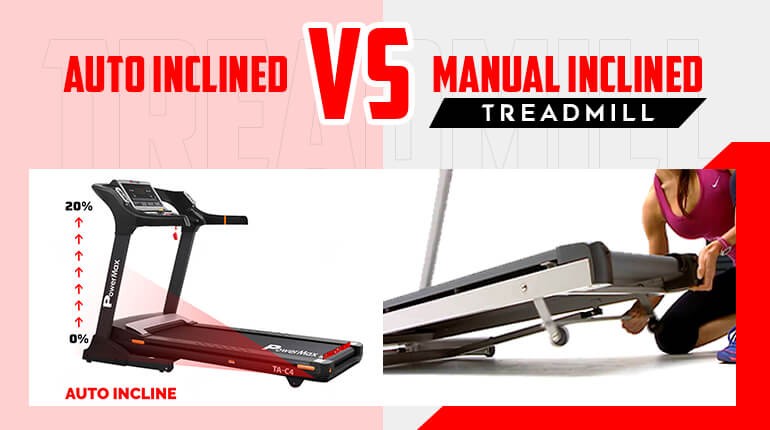
Some home treadmills use a small motor to lift the deck. Others use manual incline systems. The displayed percentage may also round to the nearest whole number.
You can improve consistency by using the same treadmill for regular workouts. If you train on different machines, compare effort, breathing, and heart rate rather than relying only on the displayed incline.
Incline also changes the amount of work required based on speed. A 5% incline at 2 miles per hour is not the same workout as a 5% incline at 6 miles per hour. The incline number alone cannot describe the full exercise load.
For training plans, record the key details:
• Speed
• Incline
• Workout time
• Heart rate, if available
• Perceived effort
A simple effort scale can help. Easy work may feel like 2 or 3 out of 10. Moderate work may feel like 5 or 6. Hard intervals may feel like 7 or 8. Do not make every session hard.
Outdoor hill grade and treadmill incline
Outdoor hills are not exactly the same as treadmill hills. Outside, wind, uneven ground, turns, temperature, and changes in terrain affect your effort. A treadmill gives you a controlled and predictable surface.
A 1% treadmill incline is sometimes used to make running effort more similar to outdoor running. However, this is not a universal rule. Studies have found that the best setting can vary by speed and individual running style.
If you are preparing for a road race, trail event, or hiking trip, use the incline that matches your goal. A flat race needs more flat running. A hilly race needs a mix of moderate and steep grades.
This is another reason what does incline mean on treadmill should not be answered with one “perfect” setting. The best incline depends on your workout purpose, current fitness, and comfort.
Frequently Asked Questions About What Does Incline Mean on Treadmill
What does a 1% incline mean on a treadmill?
A 1% incline means the treadmill rises 1 foot for every 100 feet of forward movement. It creates a very gentle slope and is often used for easy walking or running.
Is incline on a treadmill the same as grade?
Yes, treadmill incline and grade usually describe the same percentage slope. A 10% grade means the deck rises 10 feet over 100 feet of horizontal travel.
What is a good incline for walking on a treadmill?
A good starting incline is 1% to 3% for most beginners. You can slowly increase it to 4% to 8% as your fitness and comfort improve.
Does incline walking burn more calories?
Incline walking usually requires more energy than walking at the same speed on a flat surface. The exact calorie difference depends on your body weight, speed, incline, workout time, and whether you hold the handrails.
Is a 10% incline on a treadmill hard?
A 10% incline is challenging for many people, especially at a fast walking speed. Start with short intervals and reduce the speed if you cannot maintain steady breathing and good form.
Can incline walking build muscle?
Incline walking can strengthen and condition the glutes, calves, hamstrings, and thighs. It can support muscle endurance, but progressive resistance training is usually better for building significant muscle size.
Should I use incline every time I walk?
No. You can vary your workouts with flat walking, gentle incline, and hill intervals. Alternating sessions helps manage fatigue and gives your muscles time to recover.
Conclusion
Treadmill incline means the percentage grade that lifts the front of the walking surface. A higher incline creates an uphill effect, raises workout intensity, and challenges the glutes, calves, hamstrings, and cardiovascular system.
Start with a low setting, change one variable at a time, and focus on smooth steps instead of chasing a high number. Use speed, incline, time, and perceived effort together to build a workout that fits your goals. Try a gentle incline session this week, and explore more treadmill training guides to keep your routine safe, varied, and effective.

Brandon Knoxley is a sport & fitness writer and training guide contributor at MySportFitHub. He focuses on practical workouts, performance-based training, and honest fitness gear insights designed for real people and real results. Brandon is passionate about helping beginners and active individuals train smarter, avoid common mistakes, and build sustainable fitness habits.