
How to Balance Fitness And Sports Training: Expert Tips for Success
Are you struggling to find the right mix between your fitness routine and sports training? You’re not alone.
Balancing both can feel like a constant battle—pushing too hard in one area might leave you drained in the other. But what if you could train smarter, not harder, and get the best results from both? This guide will show you simple, effective ways to harmonize your workouts and sports practice.
Keep reading, and you’ll discover how to boost your performance, avoid burnout, and enjoy every step of your fitness journey.
Benefits Of Combining Fitness And Sports
Combining fitness and sports training offers many benefits. It helps athletes improve their skills and overall health. This blend creates a strong foundation for better results in sports and daily life.
Focusing on both fitness and sports training builds strength, speed, and agility. It also supports mental toughness and focus. These advantages lead to better performance and fewer injuries.
Enhanced Performance
Fitness training improves muscle strength and coordination. Sports training sharpens specific skills and techniques. Together, they boost speed, power, and accuracy. Athletes move faster and react better during games. This combination raises the level of play significantly.
Injury Prevention
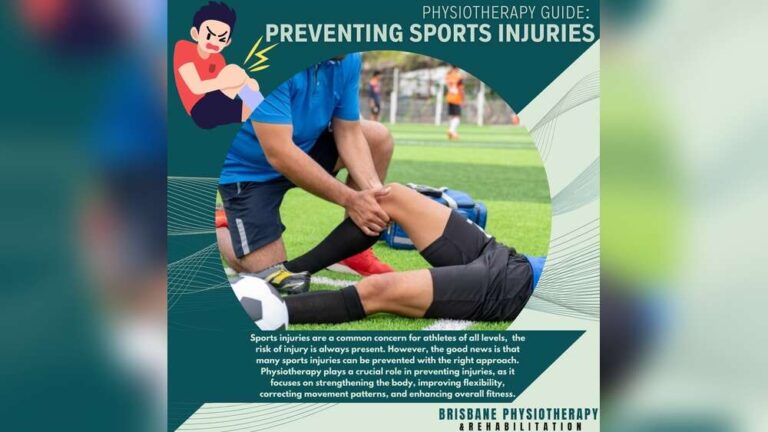
Fitness exercises strengthen muscles and joints. This support reduces the risk of injuries during sports. Balanced training improves flexibility and body control. Athletes avoid strains and sprains more easily. Safe training habits protect the body over time.
Improved Endurance
Fitness routines increase cardiovascular health and stamina. Sports training builds sport-specific endurance and skill. The blend helps athletes last longer in games and practices. It delays fatigue and keeps energy high. Strong endurance improves consistency and success.
Creating A Balanced Training Schedule
Creating a balanced training schedule is key to improving both fitness and sports skills. It helps avoid burnout and keeps progress steady. A well-planned routine ensures you get enough exercise and recovery. Balance lets your body build strength and stay fresh for sports.
Allocating Time For Fitness And Sports
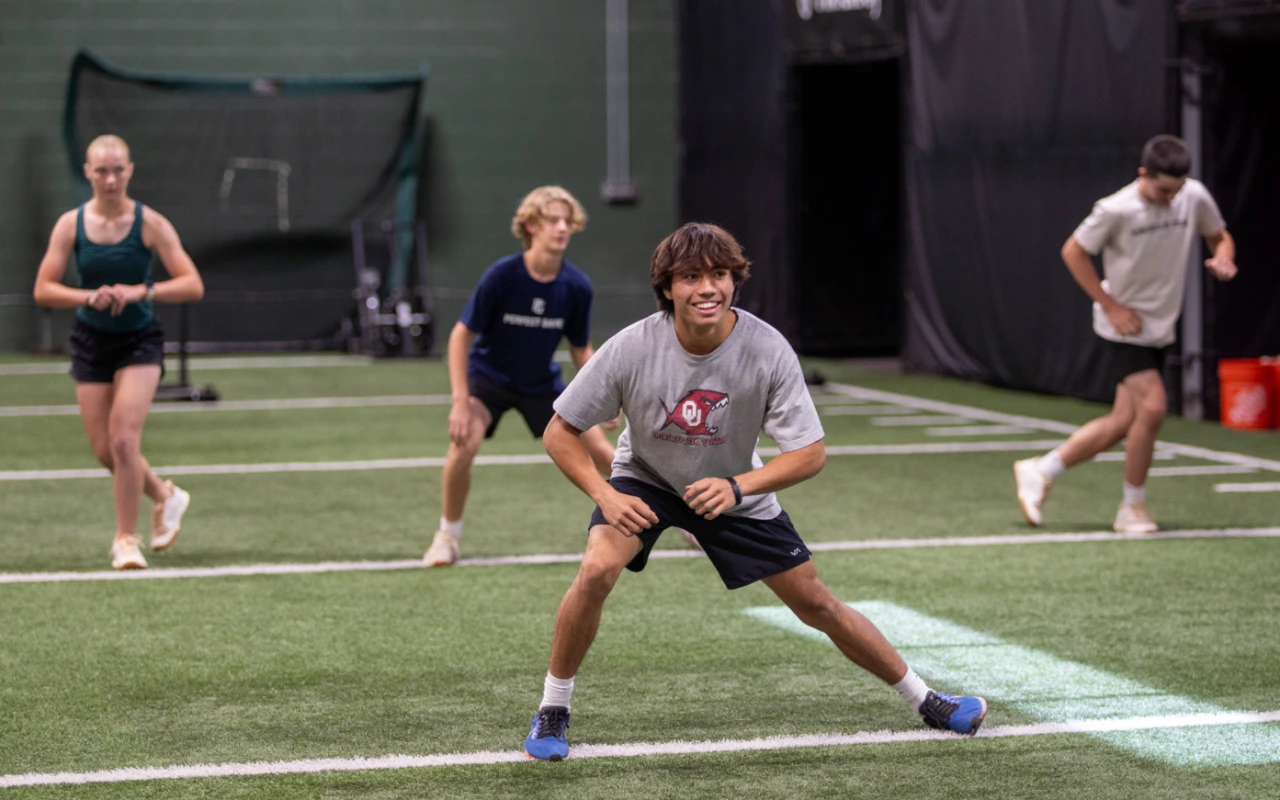
Split your training time between general fitness and specific sports practice. Fitness workouts build strength, endurance, and flexibility. Sports training improves technique, speed, and strategy. Plan your week to include sessions for both types. For example, dedicate three days to fitness and two to sports.
Incorporating Rest Days
Rest days are essential for muscle recovery and injury prevention. Schedule at least one or two rest days each week. On rest days, avoid intense activity but stay lightly active. Walking or stretching helps blood flow and reduces soreness. Rest keeps your body ready for the next workout.
Adjusting Intensity Levels
Vary the intensity of your workouts to avoid fatigue. High-intensity sessions should be followed by lighter days. Use easy days for stretching or low-impact exercises. Listen to your body’s signals and reduce intensity if tired. This approach helps maintain energy and improves overall performance.
Nutrition Strategies For Dual Training
Balancing fitness and sports training demands smart nutrition. Proper food choices fuel your body and support intense activity. Nutrition affects energy levels, performance, and recovery. For dual training, focus on eating to sustain both workouts and sports practice. Small changes in diet can boost endurance and strength. Eating right helps you train harder and recover faster.
Fueling Workouts
Eat carbohydrates before exercise to provide quick energy. Choose whole grains, fruits, and vegetables for lasting fuel. Include some protein to help muscles during training. Avoid heavy meals right before workouts to prevent discomfort. A light snack 30 minutes before can improve performance. Plan meals around training times for best results.
Hydration Tips
Drink water throughout the day to stay hydrated. Dehydration lowers your strength and focus during training. Sip water before, during, and after exercise. For long sessions, consider drinks with electrolytes. Avoid sugary drinks that can cause energy crashes. Monitor urine color; light yellow means good hydration.
Recovery Nutrition
Post-training meals help repair muscles and restore energy. Eat protein and carbohydrates within 30 minutes after exercise. Protein supports muscle growth and repair. Carbohydrates refill glycogen stores used during training. Include fruits, nuts, or yogurt for a balanced recovery snack. Recovery nutrition reduces soreness and prepares you for the next session.
Credit: www.spoonerpt.com
Key Fitness Components For Sports Success
Success in sports depends on more than just talent or practice. Fitness plays a crucial role in improving performance and preventing injuries. Understanding the key fitness components helps athletes train smarter and perform better. Focus on building strength, flexibility, and cardiovascular fitness. These elements work together to support sports skills and endurance.
Strength Training
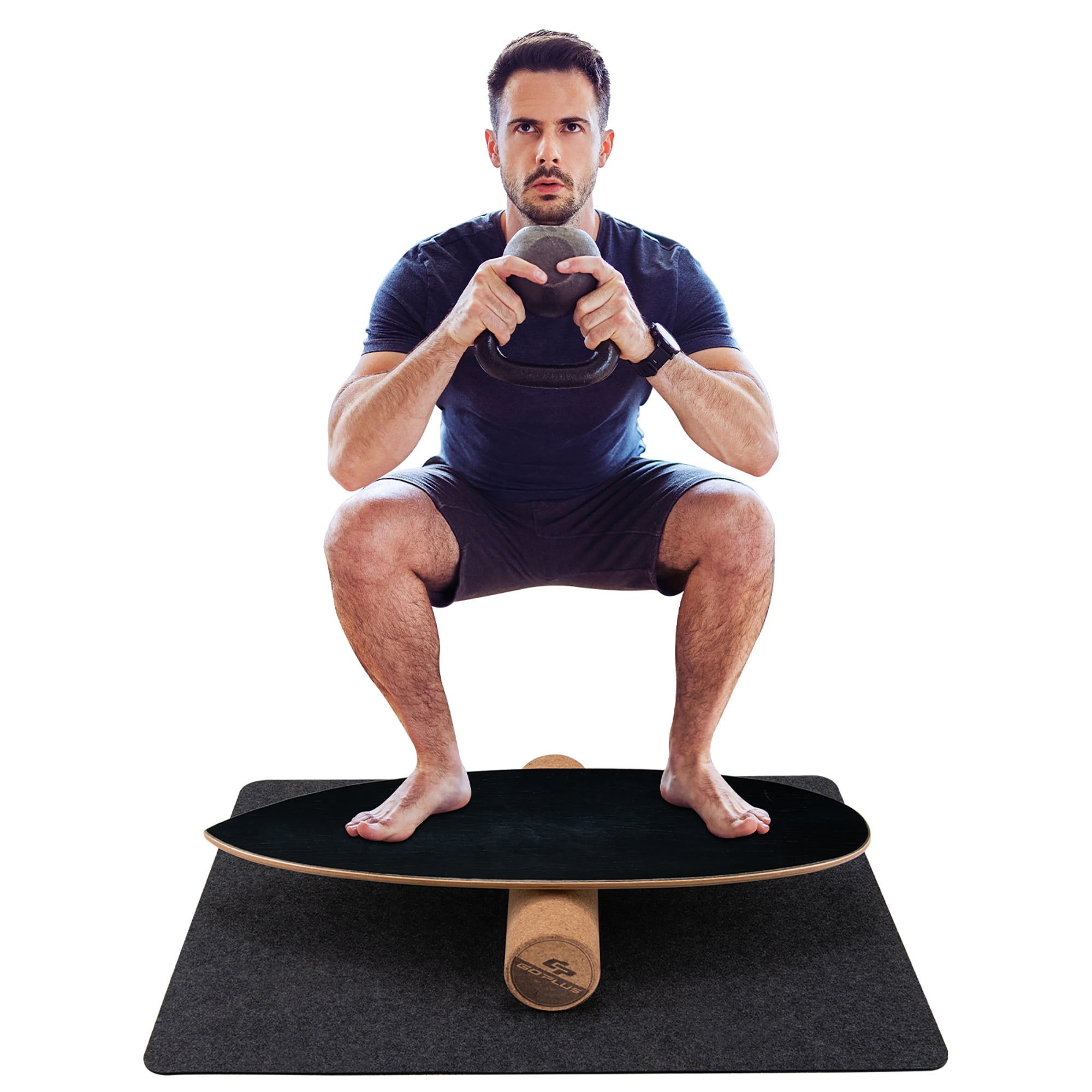
Strength training builds muscle power. Strong muscles help athletes move faster and hit harder. It also protects joints and bones from injury. Exercises like squats, push-ups, and weight lifting develop strength. Regular strength training improves overall athletic ability. Balance training for all muscle groups is important. Avoid overworking one area to prevent muscle imbalances.
Flexibility And Mobility
Flexibility allows muscles to stretch and move freely. Mobility means joints move through their full range. Both reduce the risk of injuries during sudden movements. Stretching before and after training keeps muscles loose. Yoga and dynamic stretches improve flexibility and mobility. These practices help athletes perform complex movements with ease. They also aid recovery and reduce muscle soreness.
Cardiovascular Conditioning
Cardiovascular conditioning improves heart and lung efficiency. It boosts stamina, allowing athletes to perform longer without fatigue. Running, cycling, and swimming are common cardio exercises. Interval training increases endurance and speed. Good cardiovascular health supports quick recovery between intense efforts. Consistent cardio training enhances overall sports performance.
Monitoring Progress And Avoiding Burnout
Monitoring progress and avoiding burnout are key to balancing fitness and sports training. Tracking how your body responds helps improve results. It also keeps you safe from injury and fatigue.
Paying attention to signs of overtraining lets you adjust your routine. Rest and recovery are just as important as workouts. They help your body heal and get stronger.
Tracking Performance Metrics
Track simple data like workout time, distance, or weights lifted. Use a journal or an app to record progress. Notice patterns and improvements over weeks. Small gains show your training works well. Adjust exercises based on the numbers to avoid plateaus.
Recognizing Overtraining Signs
Watch for tiredness that does not go away after rest. Soreness lasting many days is a warning sign. Mood changes like irritability or lack of focus can occur. Poor sleep and loss of appetite also indicate stress. These signs mean your body needs a break.
Implementing Recovery Techniques
Include rest days in your weekly schedule. Use gentle stretching or light activity to stay loose. Massage and foam rolling help reduce muscle tightness. Drink water and eat nutritious food to support healing. Quality sleep is essential for full recovery.

Credit: immanuel-ed.org
Expert Tips For Staying Motivated
Staying motivated during fitness and sports training can be tough. Many lose drive after a few weeks. Using expert tips helps keep your energy high. Small steps lead to big progress. Focus on these simple strategies to stay on track and enjoy your journey.
Setting Realistic Goals
Set goals that match your current skills and time. Avoid aiming too high too fast. Small, clear goals feel easier to reach. Celebrate each success to keep spirits up. Change goals as you improve to stay challenged.
Seeking Professional Guidance
Find a coach or trainer for expert advice. They create plans based on your needs. Professionals help avoid injuries and burnout. They also teach proper form and techniques. Their support makes training safer and more fun.
Building A Supportive Environment
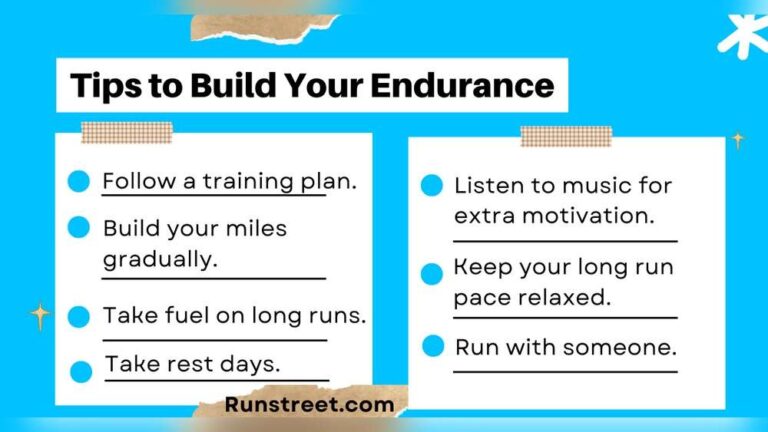
Surround yourself with friends or teammates who encourage you. Training with others boosts motivation and accountability. Share your goals and progress with them. Positive feedback helps you push through hard days. A strong support system keeps you moving forward.
Credit: www.walmart.com
Frequently Asked Questions
How Can I Balance Fitness And Sports Training Effectively?
Balancing fitness and sports training requires a structured plan. Prioritize recovery, alternate workout intensity, and focus on sport-specific exercises. Consistency and listening to your body help prevent burnout and injury while enhancing overall performance.
What Are The Best Workouts For Sports And Fitness Balance?
Incorporate strength training, cardio, flexibility, and sport-specific drills. Combine low-impact exercises with high-intensity training. This mix improves endurance, strength, and agility, supporting both fitness goals and sports performance efficiently.
How Important Is Rest In Fitness And Sports Training Balance?
Rest is crucial for muscle recovery and injury prevention. Scheduling regular rest days and quality sleep improves performance and reduces fatigue. Without proper rest, both fitness progress and sports performance can decline significantly.
Can Nutrition Impact Balancing Fitness And Sports Training?
Yes, proper nutrition fuels workouts and aids recovery. A balanced diet with carbs, proteins, and healthy fats supports energy needs and muscle repair. Staying hydrated also enhances endurance and overall training effectiveness.
Conclusion
Balancing fitness and sports training needs careful planning. Focus on your goals and listen to your body. Rest and recovery are just as important as exercise. Keep your routine flexible to avoid burnout or injury. Consistency helps build strength and skill over time.
Enjoy the process and stay motivated each day. Small, steady steps lead to lasting progress. This balance supports both health and athletic performance. Stay patient and keep moving forward with confidence.

Brandon Knoxley is a sport & fitness writer and training guide contributor at MySportFitHub. He focuses on practical workouts, performance-based training, and honest fitness gear insights designed for real people and real results. Brandon is passionate about helping beginners and active individuals train smarter, avoid common mistakes, and build sustainable fitness habits.