What Is The Purpose Of Dumbbells: Benefits & Uses
Dumbbells build strength, improve balance, and let you train almost every major muscle at home or in a gym.
If you have ever wondered what is the purpose of dumbbells, the answer goes beyond simply making muscles bigger. Dumbbells are compact, flexible tools that help you build strength, muscle, power, coordination, and confidence through controlled resistance. This guide explains how they work, what they can do, their limits, and how to use them safely.

What Is the Purpose of Dumbbells?
The main purpose of dumbbells is to provide external resistance during exercise. Your muscles must work against that resistance to move, control, or stabilize your body. Over time, this stress can lead to stronger muscles, better movement, and improved physical performance.
Unlike a barbell, each dumbbell is held in one hand. This design makes your left and right sides work more independently. It can expose strength differences that a barbell may hide.
Dumbbells can support many training goals, including:
• Building muscle size
• Increasing muscular strength
• Improving balance and coordination
• Supporting bone health
• Developing power and athletic movement
• Improving joint stability
• Making home workouts more effective
The purpose of dumbbells also includes giving you more exercise choices. You can use them for presses, rows, squats, lunges, curls, raises, carries, and many other movements.
How Dumbbells Build Strength and Muscle
Dumbbells create resistance that your muscles must overcome. For example, during a dumbbell chest press, your chest, shoulders, and triceps push the weights upward. During the lowering phase, those same muscles control the weights instead of letting them drop.
This process creates mechanical tension. Mechanical tension is one of the main factors linked with muscle growth. When training is challenging and recovery is adequate, the body adapts by becoming stronger and better prepared for the same task.
Dumbbells can also help you use progressive overload. This means gradually increasing the challenge over time. You can do this by:
• Using heavier dumbbells
• Performing more repetitions
• Completing more sets
• Slowing the lowering phase
• Improving your range of motion
• Reducing rest time in suitable workouts
Progress does not always mean lifting heavier. A person who moves a 20 pound dumbbell with better control may be training more effectively than someone who swings a heavier weight.
The purpose of dumbbells is especially useful for correcting side-to-side weakness. If your right arm is stronger than your left, a barbell may allow the stronger side to assist the weaker side. Dumbbells make that harder because each side must carry its own load.
Benefits of Using Dumbbells
Dumbbells offer several benefits for beginners, experienced lifters, and people who train at home.
Dumbbells Improve Muscle Balance
Dumbbell exercises require each limb to work on its own. This can help you notice differences in strength, control, and mobility.
For example, during a one-arm dumbbell row, you may find that one side feels less stable. This information can guide your exercise choices and help you give extra attention to the weaker side.
Dumbbells Support Functional Strength
Functional strength helps you handle daily tasks. Carrying groceries, lifting a box, placing luggage overhead, or rising from a chair all require strength and coordination.
Exercises such as farmer’s carries, goblet squats, and dumbbell deadlifts train several muscle groups at once. They also teach your body to brace, balance, and transfer force.
Dumbbells Improve Range of Motion
A barbell can sometimes limit the path of an exercise because both hands are attached to the same bar. Dumbbells allow your hands and arms to move more naturally.
During a dumbbell bench press, for example, you can bring the weights slightly closer together at the top. You can also adjust your hand position to find a more comfortable path.
Dumbbells Save Space
A small set of adjustable dumbbells can support many exercises. This makes them useful in apartments, spare rooms, and small home gyms.
You do not need a large machine collection to train your entire body. A bench, a mat, and a few dumbbell pairs can provide a strong foundation.
Dumbbells Improve Coordination
Dumbbell training asks your body to control two separate objects. This can challenge balance, timing, and joint stability.
The purpose of dumbbells is not only to make you lift weight. It is also to teach your body how to control weight through space.
Dumbbells Can Support Bone Health
Resistance exercise places a useful load on bones. Over time, strength training may help support bone mineral density, especially when combined with proper nutrition and regular activity.
People with osteoporosis, joint disease, or other medical concerns should ask a qualified health professional for personalized advice before starting resistance training.
Which Muscles Can You Train With Dumbbells?
Dumbbells can train nearly every major muscle group. Your results depend on exercise choice, load, technique, volume, and consistency.
Chest
Useful exercises include:
• Dumbbell bench presses
• Dumbbell floor presses
• Dumbbell fly variations
The chest produces most of the pushing force. Your shoulders and triceps also assist.
Back
Common choices include:
• One-arm dumbbell rows
• Bent-over dumbbell rows
• Dumbbell pullovers
Rows train the upper back and help strengthen the muscles that pull your arms toward your body.
Shoulders
Dumbbell shoulder exercises include:
• Overhead presses
• Lateral raises
• Front raises
• Rear delt raises
Use light weights for raises. The goal is controlled movement, not swinging.
Arms
Dumbbells work well for:
• Biceps curls
• Hammer curls
• Triceps extensions
• Triceps kickbacks
Keep your elbows steady and avoid using your back to move the weights.
Legs and Hips
Lower-body exercises include:
• Goblet squats
• Dumbbell lunges
• Bulgarian split squats
• Romanian deadlifts
• Step-ups
• Calf raises
These movements can train the quadriceps, hamstrings, glutes, and calves.
Core
Your core works during many dumbbell movements, even when your stomach muscles are not the main target.
Good examples include:
• Suitcase carries
• Farmer’s carries
• Dumbbell dead bugs
• Renegade rows
• Turkish get-ups
The purpose of dumbbells in core training is often to challenge your body’s ability to resist movement. This includes resisting twisting, bending, and leaning.
Dumbbells Versus Barbells and Machines
Dumbbells are not automatically better than barbells or machines. Each tool has a different purpose.
Barbells often allow you to lift more total weight. They are useful for exercises such as squats, deadlifts, and bench presses. However, barbells require both sides to share one load and may demand more setup space.
Machines guide the movement along a fixed path. This can help beginners learn a pattern or train a muscle with less balance demand. Machines may also be useful when free-weight movement causes discomfort.
Dumbbells sit between these options. They offer more freedom than machines and often require less setup than barbells. They also challenge stabilizing muscles because each hand controls a separate weight.
A balanced program may include all three tools. The best choice depends on your goals, training experience, available equipment, and comfort.
How to Choose the Right Dumbbell Weight
The right dumbbell weight lets you perform an exercise with good form while still making the final repetitions difficult.
For many exercises, choose a weight that allows you to complete your target repetitions with about one to three good repetitions left in reserve. This approach creates a challenge without forcing every set to failure.
Use lighter dumbbells for:
• Lateral raises
• Rear delt raises
• Rotational exercises
• Rehabilitation movements
• New or unfamiliar exercises
Use heavier dumbbells for:
• Goblet squats
• Romanian deadlifts
• Farmer’s carries
• Dumbbell rows
• Lower-body presses
Your ideal weight can differ from one exercise to another. You may use 10 pound dumbbells for lateral raises and 40 pound dumbbells for goblet squats. That difference is normal.
A common mistake is choosing weights based on pride. If your back arches, your joints hurt, or you must swing the dumbbells, the weight is probably too heavy for that movement.
How to Use Dumbbells Safely
Safe dumbbell training starts before the first repetition. Clear enough space, check the equipment, and make sure the floor is stable.
Follow these basic steps:
-
Warm up for five to 10 minutes with light movement.
-
Practice the exercise without weight or with very light dumbbells.
-
Keep your spine in a stable and natural position.
-
Move through a controlled range of motion.
-
Breathe steadily instead of holding your breath without a clear reason.
-
Stop if you feel sharp pain, numbness, or sudden weakness.
-
Increase weight only when your technique remains consistent.
Dumbbells can cause injury when people rush, use poor posture, or lift more than they can control. The purpose of dumbbells is to create useful training stress, not to test how much force you can produce for one messy repetition.
If you have a recent injury, heart condition, severe joint pain, or other health concern, seek professional guidance before starting. A certified trainer or medical professional can help you choose safe movements.
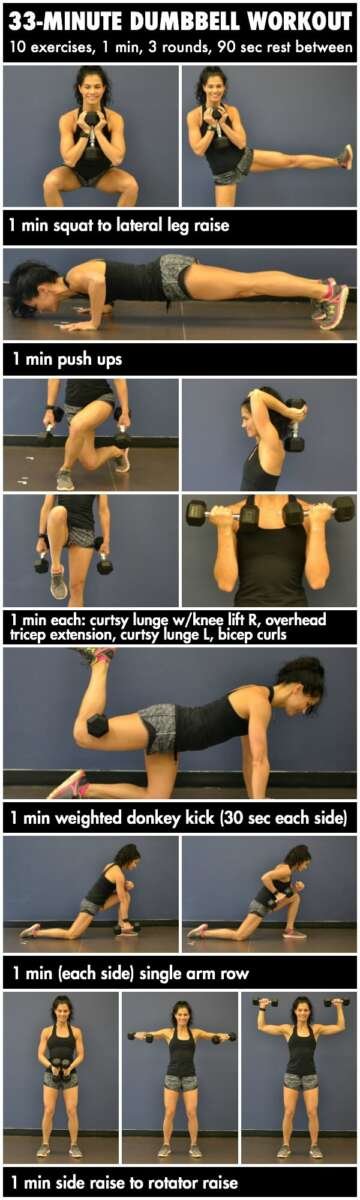
A Simple Dumbbell Workout for Beginners
This full-body workout can help a beginner understand the purpose of dumbbells. Start with two or three sessions per week, with at least one rest day between sessions.
Complete two or three sets of each exercise:
• Goblet squat: 8 to 12 repetitions
• Dumbbell floor press: 8 to 12 repetitions
• One-arm dumbbell row: 8 to 12 repetitions per side
• Dumbbell Romanian deadlift: 8 to 12 repetitions
• Seated dumbbell shoulder press: 8 to 10 repetitions
• Farmer’s carry: 20 to 40 seconds
Rest for about 60 to 120 seconds between sets. Use a weight that allows clean form.
This routine trains the legs, chest, back, shoulders, arms, grip, and core. As it becomes easier, add a small amount of weight or one extra repetition per set.
A practical lesson for any lifter is to track workouts. Write down the weight, repetitions, and sets. Small gains become easier to see when they are recorded.
Common Dumbbell Training Mistakes
Using Momentum
Swinging the weight may help you complete a repetition, but it often reduces control. It can also place extra stress on the lower back and shoulders.
Lower the dumbbell slowly and keep the movement smooth. If you cannot control the weight, reduce it.
Training Only the Mirror Muscles
Many people focus on curls, presses, and raises because these muscles are easy to see. However, the back, hips, legs, and core are just as important.
A complete program trains pushing, pulling, squatting, hinging, carrying, and bracing movements.
Ignoring the Weaker Side
Always begin single-arm or single-leg exercises with the weaker side. Then match the same repetitions on the stronger side.
Do not let the stronger side perform extra work just because it can. That may increase the imbalance you are trying to correct.
Changing Programs Too Often
Muscle and strength gains take time. Switching exercises every few days makes progress hard to measure.
Keep the main exercises for several weeks. Change them when progress stops, discomfort appears, or your goals change.
Skipping Recovery
Training is only one part of progress. Your body also needs sleep, food, fluids, and rest.
Most adults should aim for regular sleep and enough protein and total food to support their goals. Individual needs vary, so avoid treating one nutrition target as universal.

What Is the Purpose of Dumbbells for Weight Loss?
The purpose of dumbbells for weight loss is to help preserve or build muscle while you create a calorie deficit. Resistance training does not replace nutrition, but it can support a stronger and more capable body during fat loss.
Dumbbell workouts can raise energy use during and after exercise. The exact amount depends on workout length, intensity, body size, fitness level, and rest periods.
For weight loss, combine dumbbell training with:
• A balanced eating plan
• Regular walking or other aerobic activity
• Enough protein
• Good sleep
• A realistic calorie deficit
Avoid promising that one dumbbell exercise will burn fat from one body area. Spot reduction is not supported by strong evidence. Fat loss occurs across the body according to genetics, hormones, energy balance, and other factors.
What Is the Purpose of Dumbbells for Seniors?
For older adults, the purpose of dumbbells may include maintaining strength, balance, independence, and confidence. Strong muscles can make daily tasks easier, such as climbing stairs or carrying household items.
Older beginners should start with light weights and simple movements. A chair, wall, or stable support may improve safety during standing exercises.
The best program depends on health status and experience. People with balance problems, osteoporosis, or chronic disease should ask a qualified professional for guidance before beginning.
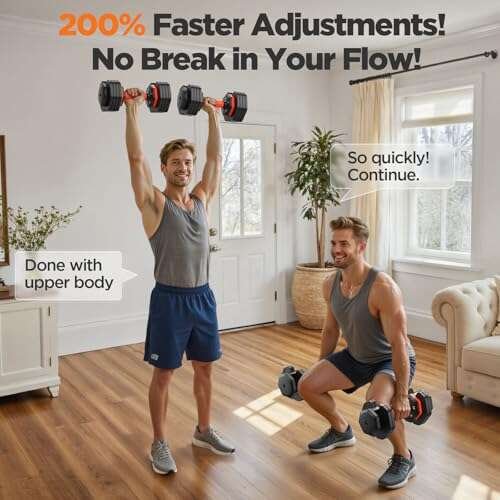
What Is the Purpose of Adjustable Dumbbells?
Adjustable dumbbells let you change the weight on one handle. They can replace several fixed dumbbell pairs and save space.
They are useful for home gyms because you can use lighter weights for raises and heavier weights for squats or rows. However, some adjustable models take longer to change and may feel less balanced than traditional dumbbells.
Check the locking system before each set. The weight plates should be secure and suitable for the exercise.
Frequently Asked Questions About What Is the Purpose of Dumbbells
What is the main purpose of dumbbells?
The main purpose of dumbbells is to provide resistance for strength, muscle, balance, and coordination training. They can be used for many upper-body, lower-body, and core exercises.
Can dumbbells build muscle?
Yes, dumbbells can build muscle when you train with enough resistance, volume, and consistency. Progressive overload, proper food, and recovery also support muscle growth.
Are dumbbells good for beginners?
Yes, dumbbells are useful for beginners because they are simple, flexible, and available in many weight options. Beginners should start light and learn proper movement before adding weight.
Can I get a full-body workout with dumbbells?
Yes, a full-body dumbbell workout can train your chest, back, shoulders, arms, legs, hips, and core. Exercises such as squats, rows, presses, deadlifts, and carries cover many major movement patterns.
Are dumbbells better than barbells?
Neither tool is always better. Dumbbells improve independent limb control and flexibility, while barbells often allow heavier total loads and greater stability during certain lifts.
How often should I use dumbbells?
Many people can use dumbbells two to four times per week, depending on workout intensity and recovery. Avoid training the same muscles hard on consecutive days if they are still sore or fatigued.
Conclusion
The purpose of dumbbells is to provide simple, versatile resistance for building strength, muscle, balance, coordination, and useful daily fitness. They can train nearly every major muscle group and work well at home, in a gym, or while traveling.
Start with a manageable weight, use steady form, and track your progress. Choose exercises that train your whole body rather than focusing only on muscles you can see. With patience and regular practice, dumbbells can become one of the most valuable tools in your fitness routine.
Pick a few basic exercises this week, complete them with care, and keep learning as you go. Share your favorite dumbbell exercise or explore more strength-training resources to build a plan that fits your goals.

Brandon Knoxley is a sport & fitness writer and training guide contributor at MySportFitHub. He focuses on practical workouts, performance-based training, and honest fitness gear insights designed for real people and real results. Brandon is passionate about helping beginners and active individuals train smarter, avoid common mistakes, and build sustainable fitness habits.