
How To Pass A Treadmill Stress Test: Top Prep Tips
Prepare well, follow instructions, pace yourself, and tell the staff about any symptoms to pass the test.
I’ve guided dozens of patients and athletes through treadmill stress testing, and I’ll walk you through practical, evidence-based steps on how to pass a treadmill stress test safely and confidently. This article covers what the test measures, how to prepare days and hours beforehand, what to do during the test, common reasons people don’t reach targets, and realistic training plans to improve your chances. Read on for clear, trustworthy advice you can use whether you’re nervous, out of shape, or aiming to show your best cardiovascular effort.

What is a treadmill stress test and why it matters
A treadmill stress test measures how your heart responds to controlled exercise. It tracks heart rate, blood pressure, and ECG changes while you walk or run on a treadmill. Doctors use it to check for coronary artery disease, exercise tolerance, abnormal heart rhythms, and to guide safe activity levels.
Key elements the test evaluates
- Heart rate response during increasing workload
- Blood pressure changes with exercise
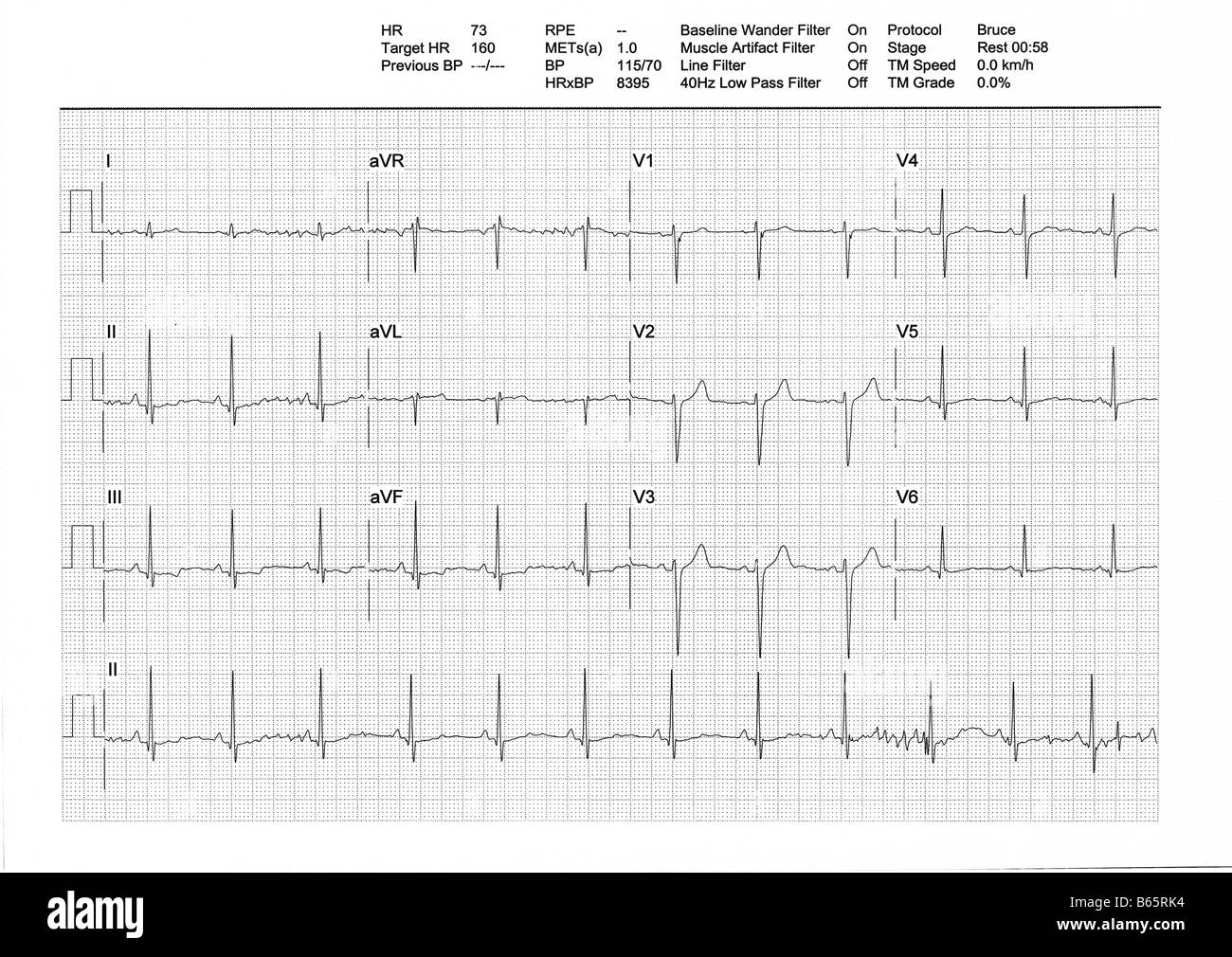
- ECG patterns that suggest reduced blood flow or arrhythmia
- Exercise duration and recovery speed
Understanding these measures helps you see why preparation matters. If you know what they'll watch, you can manage breathing, pacing, and symptoms to produce a clear, useful test result.
How to prepare in the week before the test
Good preparation starts several days before your appointment. Small choices affect your test outcome and comfort.
Practical steps to follow
- Keep your usual medications unless told otherwise by your doctor. Some drugs change heart rate or blood pressure.
- Build light cardio: two to three short walks or gentle runs to avoid being totally sedentary.
- Improve sleep and avoid heavy alcohol for 48 hours before the test.
- If you are diabetic, follow your clinician’s instructions about insulin and meal timing to prevent low blood sugar.
- Wear comfortable workout clothes and your regular athletic shoes.
Why these steps help
- Steady medication use keeps baseline physiology consistent and prevents misleading results.
- Light exercise keeps muscles ready and lowers the shock of sudden exertion.
- Proper sleep and nutrition help you reach a true effort level during the test.

Source: harlemcardio.com
The night before and the morning of the treadmill stress test
Small timing and diet choices the night before and morning of the test can make a big difference.
Night-before and morning checklist
- Avoid caffeine for 12–24 hours if instructed; caffeine can raise heart rate and blood pressure.
- Don’t eat a heavy meal in the two hours before the test. A light snack is usually okay.
- Wear a short-sleeve shirt to allow electrode placement. Avoid lotions where leads attach.
- Bring a list of medications and any records of symptoms such as chest pain, dizziness, or breathlessness.
Arrival and paperwork
- Arrive early to complete forms and relax. Rushing raises stress and heart rate.
- Ask the technician what the protocol (speed/grade increases) will be and what signs warrant stopping the test.
These steps reduce surprises. They help you present stable, reliable physiology so the staff can get accurate results.

What to expect during the treadmill stress test
Knowing the test flow reduces anxiety and improves performance.
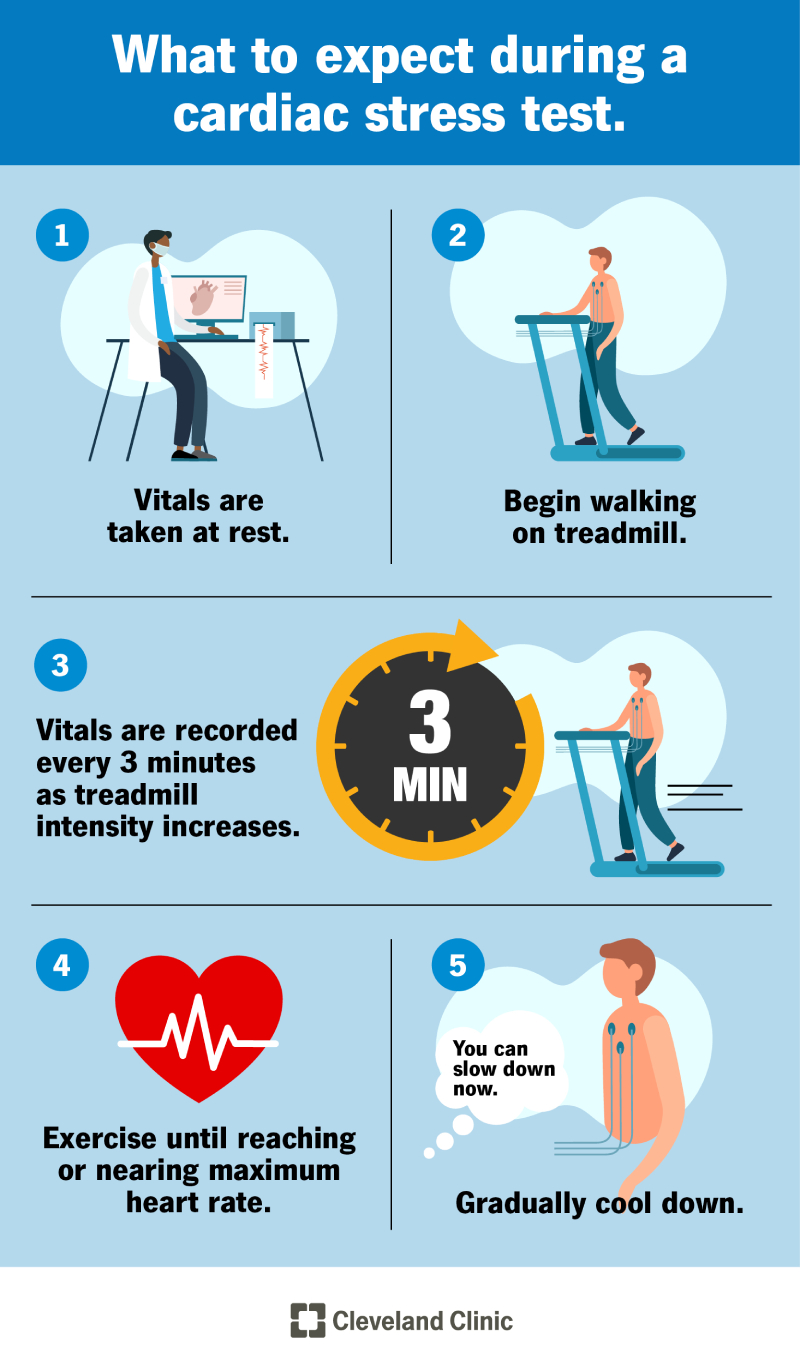
Typical test flow
- Baseline checks: heart rate, blood pressure, and ECG leads applied.
- Warm-up: a few minutes of slow walking.
- Graded exercise: treadmill speed and incline increase every 2–3 minutes.
- Monitoring: continuous ECG, intermittent blood pressure checks, and symptom checks.
- Cool-down and recovery monitoring for several minutes.
How staff judge effort
- They watch your heart rate relative to an age-based target.
- They look for ECG changes that indicate reduced blood flow.
- They note exercise duration and recovery pace.
Follow instructions, and tell staff immediately if you feel chest pain, faint, or very short of breath. Stopping early for safety is not failing—it’s the right move.

Tips to perform your best during the test
These on-treadmill actions can help you reach target effort safely.
During-test tips
- Pace yourself: increase effort gradually as the technician asks. Avoid sprinting early.
- Use the handrails lightly for balance only. Holding tightly lowers workload and skews results.
- Breathe steadily: short, shallow breaths increase anxiety and fatigue. Focus on deep, rhythmic breathing.
- Communicate symptoms immediately. Saying “I feel dizzy” or “I have chest pressure” keeps you safe and ensures correct interpretation.
- Maintain posture: stand tall and use natural arm swing to improve efficiency.
Mental strategies
- Visualize steady breathing and getting through each stage.
- Break the test into short segments: focus on the next 2–3 minutes, not the whole test.
These tactics improve your chance of reaching an adequate workload while keeping your test interpretable.
Common reasons people don’t pass and how to address them
Not reaching target heart rate or showing worrying ECG changes can happen for many reasons. Some are modifiable; others are medical.
Common causes and fixes
- Low fitness level: start a structured 4–8 week aerobic program to raise exercise capacity.
- Medications that blunt heart rate: beta blockers and some calcium channel blockers can prevent reaching target heart rate. Discuss medication timing with your doctor rather than stopping on your own.
- Orthopedic limitations: knee, hip, or back pain may limit treadmill tolerance. Consider a supervised alternative like a bicycle ergometer or arm-based test.
- Breathlessness from lung disease: treat or stabilize lung conditions before testing.
- Anxiety and poor pacing: practice walking or jogging intervals to build confidence.
Improving fitness plan (example)
- Week 1–2: 20–30 minutes walk 4 times weekly.
- Week 3–4: add two interval sessions with short brisk efforts.
- Week 5–8: include steady 30–45 minute moderate runs or hikes plus one interval day.
Gradual, consistent training typically raises your odds of achieving a clear, diagnostic test.

How clinicians interpret results and what passing means
Passing a treadmill stress test usually means you reached a sufficient workload without concerning ECG changes or symptoms. It doesn’t guarantee absence of disease but provides useful information.
What passing can indicate
- Good exercise tolerance and heart rate response.
- Absence of exercise-induced ischemia or dangerous arrhythmias in that test.
- Better baseline for future activity prescriptions.
Limits to understand
- A normal result does not rule out all heart disease, especially in people at high risk.
- Some conditions require additional imaging or tests for confirmation.
After the test, ask your clinician what the results mean for your personal risk and activity plan.

My experience: lessons learned and practical mistakes to avoid
I’ve supervised many tests and coached patients through them. A few repeat lessons stand out.
Real-world lessons
- One patient stopped beta blocker without guidance and had high heart rate variability, making results hard to read. Always ask a clinician before changing meds.
- Nervous patients who held the rails too tightly often looked like they had poor exercise capacity. Teaching light support helped.
- A runner who hadn’t slept and had heavy coffee felt palpitations that ended the test. Sleep and no caffeine help.
Practical advice I always give
- Practice a simulated protocol at home or at the gym so the pace feels familiar.
- Bring a friend or family member to help relax before the test.
- Be honest about symptoms and medication use—transparency improves safety and accuracy.
These experiences shaped simple rules that make passing more likely and safer.
Safe training plan to improve your chances of passing
A short, focused plan can improve fitness and confidence before the test.
4-week training template
- Week 1: four 20–30 minute brisk walks, two easy strength sessions.
- Week 2: three 30-minute steady walks or jogs, one interval session (5 x 1-minute brisk/2-minute easy).
- Week 3: three 35–40 minute steady sessions, one interval session (6 x 2-minute brisk/2-minute easy).
- Week 4: two steady 40-minute sessions, one longer brisk session, taper with two easy days before the test.
Safety notes
- If you have heart disease or other medical conditions, get clearance before starting.
- Progress slowly and stop if you get chest pain, severe shortness of breath, or fainting.
This plan builds aerobic base while limiting injury risk and improving test readiness.
Frequently Asked Questions of how to pass a treadmill stress test
Will medications affect my chance to pass a treadmill stress test?
Yes. Drugs like beta blockers and some calcium channel blockers lower heart rate and can prevent you from reaching target heart rate. Discuss medication adjustments with your doctor rather than stopping on your own.
Can I eat before a treadmill stress test?
A light snack is usually fine, but avoid heavy meals within two hours of the test. Follow any specific fasting instructions from your clinic to avoid nausea or low blood sugar.
What if I have joint pain and cannot run on a treadmill?
Tell the testing team. Alternatives such as a bicycle ergometer or pharmacologic stress testing can be used. A supervised program to strengthen joints can also improve treadmill tolerance over weeks.
How long should I be able to exercise to "pass"?
There’s no single time that defines passing; clinicians focus on reaching a target heart rate and obtaining clear ECG data without unsafe symptoms. Exercise duration matters but is interpreted with other findings.
Is it safe to push to my maximum effort during the test?
Tests are designed to be safe and monitored by trained staff. You should push to the level requested by the technician, but always report chest pain, severe dizziness, or fainting immediately.
Conclusion
Passing a treadmill stress test combines good preparation, honest communication with staff, safe pacing, and, when needed, a short training period to raise fitness. Follow your clinician’s guidance on medications, practice the protocol, focus on steady breathing and posture, and don’t hide symptoms—safety and test accuracy come first. Put these steps into action: prepare for your appointment, follow a brief training plan if you can, and ask clear questions about how your results affect next steps. If you found this helpful, consider subscribing for more practical health guides or leave a comment with your experience and questions.

Brandon Knoxley is a sport & fitness writer and training guide contributor at MySportFitHub. He focuses on practical workouts, performance-based training, and honest fitness gear insights designed for real people and real results. Brandon is passionate about helping beginners and active individuals train smarter, avoid common mistakes, and build sustainable fitness habits.