
How to Prepare Outdoor Training for Sports: Ultimate Guide to Success
Getting ready for outdoor training in sports isn’t just about showing up and starting to move. It takes careful planning to make sure your body, mind, and gear are all set for the challenge ahead.
If you want to boost your performance, avoid injuries, and enjoy every moment outside, you need to prepare the right way. This guide will walk you through simple yet powerful steps to get you fully ready for your next outdoor sports session.
Keep reading—you’re about to discover how to train smarter and feel stronger from the very first workout.
Choosing The Right Location
Choosing the right location is key for outdoor sports training. The place affects how well the training goes and how safe everyone feels. Picking a spot with the right ground and good weather helps players practice better. Safety and easy access also matter a lot. This guide shows how to find the best location for outdoor sports training.
Assessing Terrain And Weather
Check the land surface first. Flat and even ground suits many sports. Avoid rocky or muddy areas that can cause injuries. Grass or turf fields often work well.
Weather impacts training success. Choose a spot with mild weather during practice times. Avoid places prone to heavy rain or strong winds. Sunlight is good but watch for too much heat.
Access And Safety Considerations
Make sure players can reach the location easily. Good roads and parking help everyone arrive on time. Consider public transport options too.
Safety is top priority. The area should be free from hazards like sharp objects or busy streets nearby. Emergency help must be close by. Check for clean water and shade spots to rest.

Credit: www.freepik.com
Planning Training Sessions
Planning training sessions outdoors needs careful thought. Good plans help athletes train well and avoid injuries. Each session should have a clear purpose and balance effort with rest. This makes training effective and enjoyable.
Setting Clear Objectives
Start by defining what the session aims to achieve. Objectives can focus on strength, speed, or skill. Clear goals guide the training activities and keep everyone focused. They help track progress over time. Write down specific targets for each session.
Clear objectives also motivate athletes. Knowing the goal makes work feel meaningful. It helps coaches choose the right drills and exercises. Without clear aims, training can become random and less effective.
Balancing Intensity And Recovery
Training must mix hard work with rest periods. Intense exercise builds fitness but needs recovery to avoid burnout. Plan sessions with varied intensity levels. Include warm-up, peak effort, and cool-down phases.
Rest days are as important as training days. Muscles grow stronger during recovery. Overtraining leads to injuries and fatigue. Listen to the body’s signals and adjust the plan as needed. Balance keeps athletes healthy and ready for the next session.
Essential Equipment And Gear
Preparing for outdoor training in sports needs the right equipment and gear. Good gear helps improve performance and keeps athletes safe. It supports all types of movements and conditions during training sessions.
Choosing the correct gear depends on the sport and weather. Comfort and fit are key factors for effective training. Proper equipment reduces the risk of injury and helps athletes train longer.
Selecting Appropriate Sports Gear
Choose sports gear based on your sport’s demands. Shoes must offer good grip and support. Clothes should be lightweight and breathable to handle sweat. Protective gear like helmets and pads must fit well and meet safety standards. Replace old or worn-out equipment to keep training safe.
Portable Training Tools
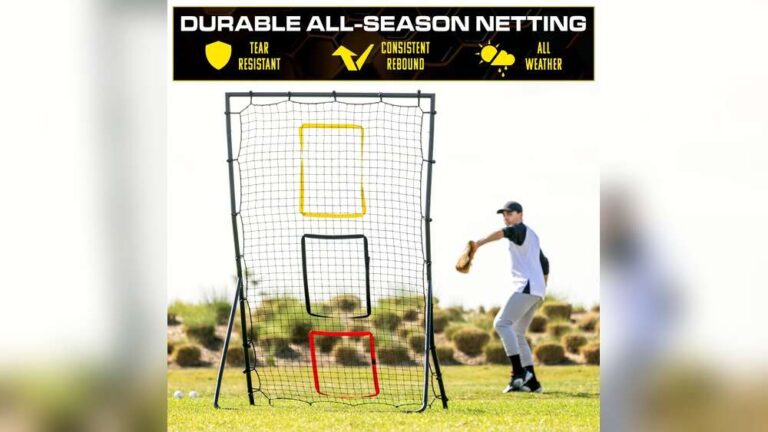
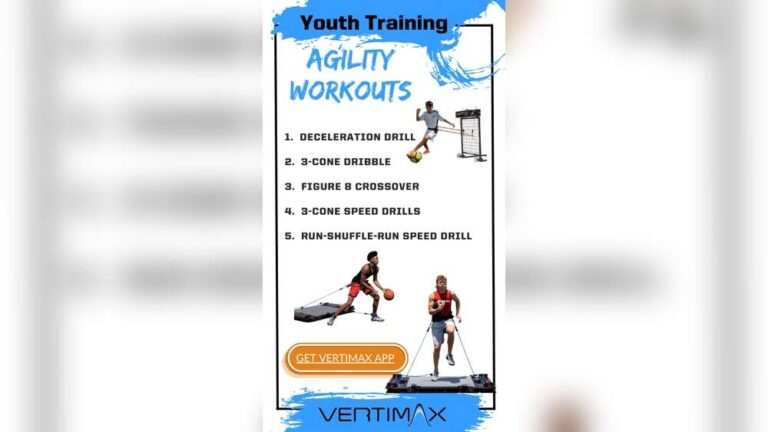
Use portable tools for versatile outdoor training. Items like cones, resistance bands, and jump ropes are easy to carry. They help focus on strength, speed, and agility. Portable tools allow quick setup and movement to different spots. Keep tools organized in a bag for easy transport.
Credit: peopleimages.com
Warm-up And Injury Prevention
Warming up before outdoor sports helps the body get ready for action. It raises the heart rate and loosens muscles. This process lowers the chance of injury during training. Proper warm-up also improves performance and focus.
Injury prevention is important for any athlete. It keeps training safe and consistent. Taking time to warm up and stretch reduces muscle strains and joint problems. It makes sure the body can handle physical stress.
Dynamic Warm-up Routines
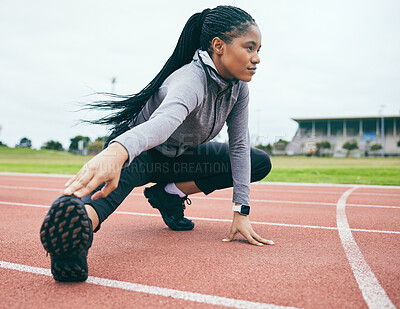
Dynamic warm-ups use movement to prepare muscles and joints. They increase blood flow and raise body temperature. Examples include leg swings, arm circles, and high knees. These exercises mimic sports movements. They activate the nervous system and improve coordination.
Start slow and increase speed gradually. Spend about 5 to 10 minutes on dynamic warm-ups. This helps avoid stiffness and improves range of motion. Use movements that fit the specific sport or training session.
Stretching And Mobility Exercises
Stretching improves flexibility and joint mobility. It helps muscles work more efficiently during training. Focus on major muscle groups used in the sport. Hold each stretch for 15 to 30 seconds without bouncing.
Mobility exercises enhance joint movement and stability. These include hip circles, ankle rolls, and shoulder shrugs. They prepare joints for the demands of outdoor training. Combine stretching with mobility work for best results.
Hydration And Nutrition Strategies
Proper hydration and nutrition are key for outdoor sports training. They help athletes perform well and stay healthy. Planning what to eat and drink before and during training can boost energy and prevent fatigue. Understanding these strategies ensures better results and safer sessions.
Pre-training Fuel
Eat a balanced meal 1 to 2 hours before training. Choose foods with carbohydrates for energy. Include some protein to support muscles. Avoid heavy, greasy, or high-fiber foods to prevent stomach discomfort. Examples are toast with peanut butter, yogurt with fruit, or a banana with nuts. Drink water to start well hydrated.
Hydration Tips During Sessions
Drink water regularly during training, even if you do not feel thirsty. Small sips every 15 to 20 minutes work best. For sessions longer than one hour, add a sports drink to replace lost salts. Avoid sugary or caffeinated drinks that can dehydrate you. After training, continue drinking water to recover fluids.
Adapting To Environmental Challenges
Training outdoors means facing nature’s challenges. Weather can change quickly. Athletes must adapt to stay safe and perform well. Preparing for heat, cold, wind, and rain helps keep training effective. Understanding how to handle these conditions improves focus and endurance.
Training In Heat And Cold
Heat can cause dehydration and tiredness. Drink water often and wear light clothes. Take breaks in shade to cool down. Early mornings or late evenings are best for hot days.
Cold weather risks include stiffness and muscle injury. Dress in layers to stay warm. Warm up longer to prepare muscles. Keep moving to avoid getting too cold.
Managing Wind And Rain
Wind can affect balance and speed. Face the wind when running to reduce resistance. Use windproof clothing to stay warm. Find natural windbreaks like trees or walls.
Rain makes surfaces slippery and visibility low. Choose shoes with good grip. Wear water-resistant gear to stay dry. Adjust movements to avoid slipping or falling.
Motivation And Team Dynamics
Motivation and team dynamics play a key role in outdoor sports training. They help athletes stay focused and work well together. Good motivation drives effort, while strong team dynamics build trust and cooperation. Both create a positive environment for training outdoors.
Building Team Spirit
Team spirit grows when players share common goals. Encourage open communication to build trust among team members. Simple activities like group warm-ups or team chants boost unity. Celebrate small wins together to increase morale. This connection helps athletes support each other during tough sessions. A united team performs better and enjoys training more.
Keeping Athletes Engaged
Engagement keeps athletes active and eager to improve. Vary drills and exercises to avoid boredom. Set clear, achievable goals for each training session. Use positive feedback to recognize effort and progress. Challenge players with fun competitions to maintain interest. Engaged athletes bring energy and focus to every practice. They push themselves and inspire teammates around them.
Tracking Progress And Performance
Tracking progress and performance is key to effective outdoor training for sports. It helps athletes see improvement and adjust workouts. Without tracking, it is hard to know what works best. Measuring results keeps motivation high and goals clear.
Using Technology And Apps
Technology makes tracking progress easier and more accurate. Wearable devices like fitness trackers record heart rate, distance, and calories burned. Mobile apps store training data and show trends over time. Some apps offer customized workout plans based on progress. Using these tools helps athletes stay organized and focused.
Analyzing Training Data
Collecting data is just the start. Analyzing it reveals strengths and areas to improve. Look at patterns such as speed, endurance, and recovery time. Compare current results with past sessions to spot growth. Adjust training plans based on this analysis. This process leads to smarter, more efficient workouts.
Post-training Recovery
Post-training recovery is a key part of any outdoor sports routine. It helps the body heal and get ready for the next session. Without proper recovery, the risk of injury rises and performance drops. Taking time to recover improves strength and endurance over time.
Cool-down Techniques
Cool-down slows the heart rate and eases muscles after exercise. Gentle jogging or walking for 5 to 10 minutes is effective. Stretching major muscle groups helps reduce stiffness and soreness. Focus on slow, deep breaths to relax your body. This process clears out waste products from muscles and reduces tightness.
Rest And Rehabilitation
Rest allows muscles to repair and grow stronger. Sleep is vital; aim for 7 to 9 hours each night. Use ice packs on sore areas to reduce swelling and pain. Foam rolling helps release muscle knots and improves blood flow. Light activities like swimming or yoga speed up healing without strain.

Credit: www.vecteezy.com
Frequently Asked Questions
How Do I Choose The Best Location For Outdoor Sports Training?
Select a flat, spacious area with good drainage and minimal obstacles. Ensure the site has access to water and shade for breaks. Safety and accessibility are key factors when choosing your outdoor training location.
What Essential Equipment Is Needed For Outdoor Sports Training?
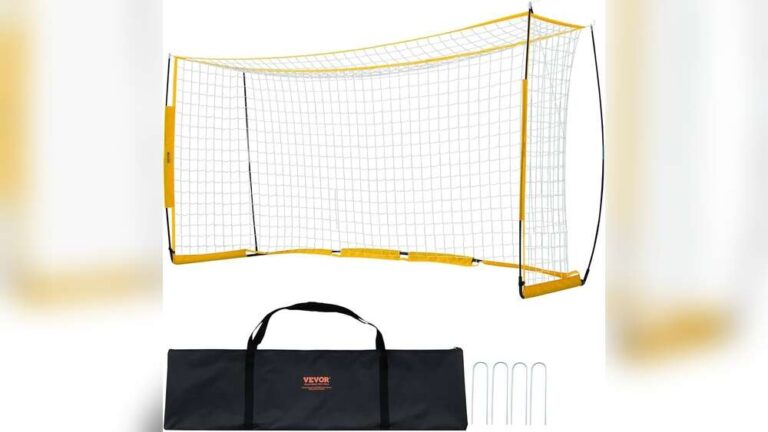
Basic equipment includes cones, agility ladders, resistance bands, and portable goals. Bring water bottles, first aid kits, and weather-appropriate clothing. Tailor equipment to the specific sport and training goals.
How Can I Ensure Athlete Safety During Outdoor Training?
Check weather conditions and plan accordingly. Provide hydration breaks and monitor athletes for signs of fatigue or heat stress. Use appropriate protective gear and ensure the training surface is safe and even.
What Are Effective Warm-up Exercises For Outdoor Sports Training?
Dynamic stretches like leg swings, lunges, and arm circles prepare muscles. Include light jogging and mobility drills to increase blood flow. A proper warm-up reduces injury risk and improves performance.
Conclusion
Preparing outdoor training for sports takes good planning and clear goals. Choose the right place with safe space and fresh air. Bring all needed gear and check the weather before you start. Warm up well to avoid injuries and keep water nearby to stay hydrated.
Keep the training fun and active to help everyone improve. Small steps lead to better skills and stronger bodies. Stay consistent and enjoy every moment outside. Training outdoors can boost health and teamwork in many ways.

Brandon Knoxley is a sport & fitness writer and training guide contributor at MySportFitHub. He focuses on practical workouts, performance-based training, and honest fitness gear insights designed for real people and real results. Brandon is passionate about helping beginners and active individuals train smarter, avoid common mistakes, and build sustainable fitness habits.