How to Improve Sports Performance Step by Step: Ultimate Guide
Are you ready to take your sports performance to the next level? Whether you’re a beginner or looking to break through a plateau, improving your skills step by step can make a huge difference.
Imagine feeling stronger, faster, and more confident every time you play. This guide will walk you through simple, effective strategies that you can start using right now to boost your game. Keep reading, and discover how small changes can lead to big results in your athletic journey.

Credit: writewithai.substack.com
Assess Current Performance
Before improving your sports performance, start by assessing your current level. This step helps to understand where you stand. It shows what works well and what needs work. Clear assessment guides your training and goals. It also helps to track progress over time. Focus on honest evaluation and detailed tracking.
Track Key Metrics
Measure specific data related to your sport. Speed, strength, endurance, and accuracy are common examples. Use tools like timers, heart rate monitors, or apps. Record your results consistently. This data shows patterns and progress. Tracking key metrics gives a clear picture of your current ability.
Identify Strengths And Weaknesses
Review your tracked metrics to find areas of strength. Celebrate what you do well. Also, spot weak points that limit your performance. These may include stamina, technique, or focus. Knowing these helps to create a targeted plan. Work on weaknesses without ignoring your strengths.
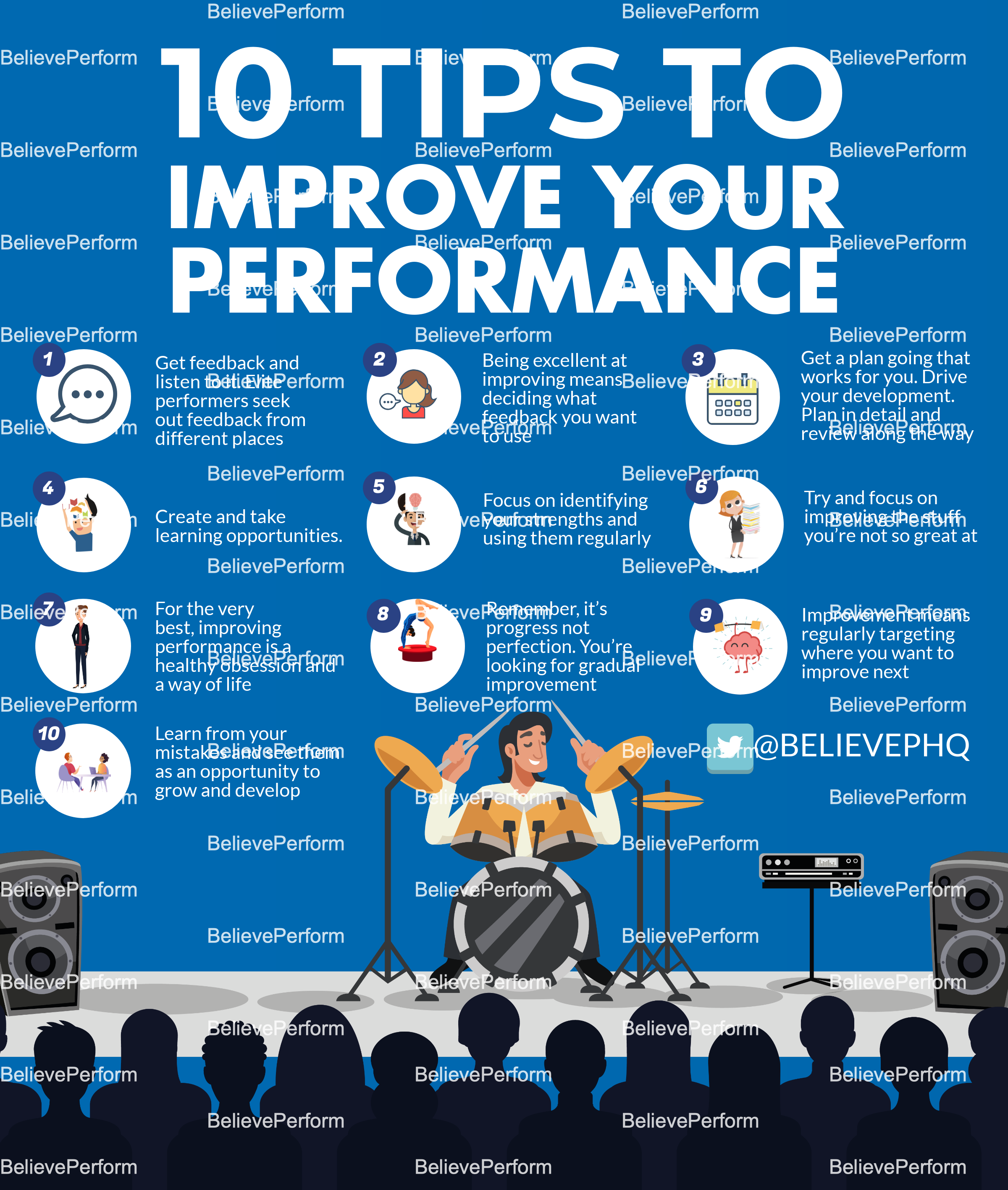
Credit: members.believeperform.com
Set Clear Goals
Setting clear goals is essential to improve sports performance. Goals help you focus your efforts and measure progress. They give purpose to your training and keep motivation high. Without clear goals, it is easy to lose direction and feel stuck. This section explains how to set short-term and long-term goals that work.
Short-term Targets
Short-term targets are small, achievable steps. They help build confidence and create a sense of success. These goals can be daily or weekly. Examples include improving your running speed by 5 seconds or practicing your technique for 30 minutes each day. Short-term targets keep you active and consistent. They also make big goals feel less overwhelming. Tracking these targets shows steady progress.
Long-term Ambitions
Long-term ambitions are your bigger dreams in sports. These goals take months or years to reach. Examples include competing in a tournament or increasing strength significantly. Long-term goals give you a clear vision. They guide your short-term targets and training plans. Setting realistic long-term ambitions helps maintain focus over time. Keep your ambitions flexible and adjust as you grow.
Develop A Training Plan
Developing a training plan is key to improving sports performance. It gives structure and focus to your practice. A good plan balances different types of training. It helps build skills, strength, and flexibility. Planning also prevents injury and burnout. Here is how to create an effective training plan step by step.
Skill Development
Skill development focuses on improving specific sports techniques. Practice regularly to build muscle memory. Break skills into smaller parts for easier learning. Use drills that mimic real game situations. Seek feedback to correct mistakes early. Consistent skill work boosts confidence and performance.
Strength And Conditioning
Strength and conditioning improve your body’s power and endurance. Include exercises that target major muscle groups. Use weights, resistance bands, or bodyweight workouts. Conditioning should raise your heart rate safely. Focus on both strength and cardiovascular fitness. Strong muscles reduce injury risk and improve movement.
Flexibility And Mobility
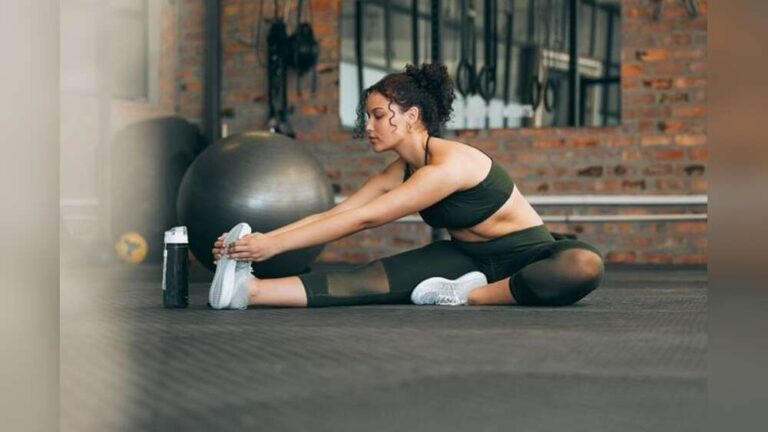
Flexibility and mobility keep your joints and muscles healthy. Stretch daily to increase your range of motion. Include dynamic stretches before workouts and static stretches after. Mobility exercises help your body move freely and smoothly. Improved flexibility reduces muscle tightness and soreness. This makes training more effective and comfortable.
Focus On Nutrition
Nutrition plays a key role in improving sports performance. Eating the right foods fuels your body for training and recovery. Proper nutrition helps build strength, endurance, and focus. It also reduces injury risk and speeds up healing. Understanding what and how to eat can boost your results step by step.
Balanced Diet Essentials
A balanced diet includes carbohydrates, proteins, and fats. Carbohydrates give energy for workouts and games. Choose whole grains, fruits, and vegetables for steady energy. Proteins repair muscles and support growth. Lean meats, beans, and nuts are good protein sources. Healthy fats help with brain function and inflammation. Use olive oil, avocados, and fish for healthy fats. Eat a variety of foods to get all nutrients.
Hydration Strategies
Water is vital for performance and recovery. Drink water before, during, and after exercise. Dehydration causes tiredness and cramps. Sports drinks help replace lost salts during intense activities. Avoid sugary drinks and caffeine as they can dehydrate. Listen to your thirst and drink regularly. Proper hydration keeps muscles working well and improves focus.
Supplements To Consider
Supplements can support nutrition but are not magic fixes. Protein powders help meet daily protein needs. Creatine may increase strength and power in short bursts. Omega-3 supplements reduce inflammation and support joints. Vitamins like D and B12 help energy and bone health. Talk to a doctor before starting supplements. Focus on food first, then add supplements if needed.
Enhance Mental Toughness
Mental toughness plays a key role in sports performance. It helps athletes stay focused and calm under pressure. Enhancing mental toughness improves consistency and resilience. Strong mental skills often separate good players from great ones.
Visualization Techniques
Visualization means imagining success before it happens. Picture yourself performing well in your sport. See every move clearly in your mind. This practice builds confidence and prepares your brain for real action. Visualize overcoming challenges and reaching goals. Doing this regularly strengthens your mental focus and readiness.
Stress Management
Stress affects how you perform in sports. Learning to manage stress keeps your mind clear. Practice deep breathing or meditation to calm nerves. Take breaks and rest to avoid burnout. A calm mind helps you think fast and react better. Control stress to maintain steady performance during games.
Building Confidence
Confidence grows with small successes. Set achievable goals and celebrate when you meet them. Repeat positive self-talk to build belief in your skills. Avoid negative thoughts that lower your confidence. Surround yourself with support and encouragement. Confident athletes perform with more energy and focus.
Incorporate Recovery
Recovery is a key part of improving sports performance. It helps your body heal and get stronger after hard training. Skipping recovery can lead to injury and burnout. Use recovery to keep your energy high and your muscles ready for the next workout.
Rest Days Importance
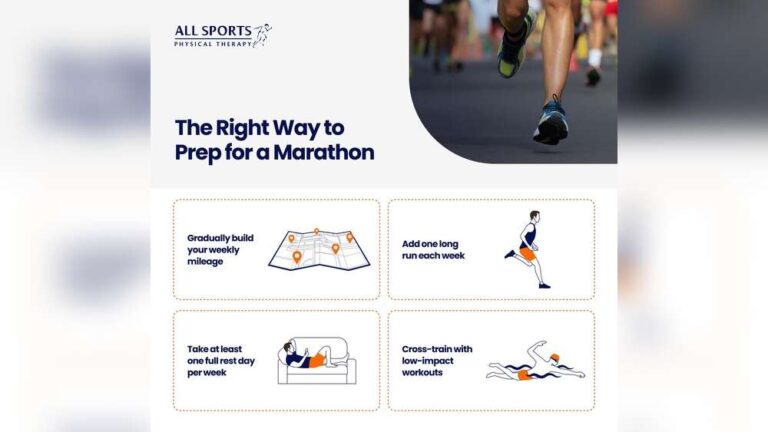
Rest days give your body time to repair muscles and tissues. They reduce fatigue and lower the risk of injury. Without rest, your performance may drop. Take at least one or two rest days each week. Listen to your body and rest more if needed.
Sleep Optimization
Sleep is vital for muscle growth and mental focus. Aim for 7 to 9 hours of good sleep every night. Create a quiet, dark room to help you sleep better. Avoid screens and caffeine before bedtime. Better sleep means faster recovery and improved performance.
Active Recovery Methods
Active recovery involves light exercise on rest days. Activities like walking, swimming, or yoga increase blood flow. This helps remove waste from muscles and speeds healing. Active recovery keeps you moving without adding stress. It prepares your body for the next intense workout.
Use Technology And Tools
Technology helps athletes improve faster and smarter. Tools give clear data about performance. This data shows strengths and areas to work on. Use these tools to train more effectively.
Performance Tracking Apps
Performance tracking apps record workouts and progress. They track speed, distance, and time easily. These apps show trends over days or weeks. Athletes can set goals and see results clearly. Many apps also offer training plans to follow.
Wearable Devices
Wearable devices collect real-time data during training. They measure heart rate, calories burned, and sleep quality. This data helps manage energy and recovery. Devices like smartwatches and fitness bands are common. Wearables provide instant feedback to adjust effort.
Video Analysis
Video analysis breaks down movements frame by frame. It reveals technique flaws and areas to improve. Coaches and athletes watch replays to learn better form. Slow motion helps spot small mistakes. Using video leads to safer and more effective training.

Credit: www.amazon.com
Monitor Progress Regularly
Monitoring progress regularly is key to improving sports performance. It helps track gains and spot areas needing work. Consistent checks keep motivation high and goals clear. Without tracking, efforts may not lead to real improvement.
Adjust Training Plans
Regular progress checks show what training works and what does not. Use this info to change your workout. Add exercises that target weak spots. Remove drills that cause fatigue or injury. Tailor your plan to fit your current needs.
Celebrate Milestones
Recognize small wins during your journey. Celebrate improvements like faster times or better strength. These moments boost confidence and push you forward. Mark each step to stay positive and focused on success.
Seek Expert Guidance
Seeking expert guidance plays a vital role in improving sports performance. Experts provide knowledge and skills that help athletes train smarter. Their advice helps avoid injuries and boosts progress. Learning from professionals saves time and effort.
Coaching Support
A coach guides your training and technique. Coaches create plans based on your goals. They spot mistakes and correct them quickly. Coaches motivate and keep you focused. Their experience helps you reach new levels.
Physical Therapy
Physical therapists help prevent and treat injuries. They design exercises to improve strength and flexibility. Therapists ensure your body recovers well after workouts. They teach proper warm-up and cool-down routines. This support keeps you active and healthy.
Nutritionist Advice
A nutritionist plans meals that fuel your body. Proper nutrition improves energy and recovery. They suggest foods that support muscle growth and endurance. Nutritionists tailor advice to your specific needs. Good eating habits enhance overall performance.
Frequently Asked Questions
How Can I Start Improving Sports Performance?
Begin by setting clear, achievable goals. Focus on consistent training, balanced nutrition, and adequate rest. Track progress regularly to stay motivated and adjust your routine as needed for steady improvement.
What Role Does Nutrition Play In Sports Performance?
Nutrition fuels your body for training and recovery. Eating a balanced diet with proteins, carbs, and healthy fats boosts energy, muscle repair, and overall performance in sports activities.
How Important Is Rest In Enhancing Sports Performance?
Rest is crucial for muscle recovery and injury prevention. Proper sleep and rest days help your body repair, reduce fatigue, and maintain high performance levels during training and competitions.
Which Training Methods Best Improve Sports Performance?
Incorporate strength, endurance, flexibility, and skill drills tailored to your sport. Varied training builds overall fitness and sharpens specific abilities, leading to better sports performance.
Conclusion
Improving sports performance takes time and steady effort. Focus on small steps each day. Practice regularly and keep your goals clear. Rest well to help your body recover. Eat healthy foods to fuel your energy. Stay positive and learn from mistakes.
Track your progress to see what works. Keep trying, even if results are slow. Success comes with patience and hard work. Every bit of effort moves you forward. Keep pushing, and your skills will grow.

Brandon Knoxley is a sport & fitness writer and training guide contributor at MySportFitHub. He focuses on practical workouts, performance-based training, and honest fitness gear insights designed for real people and real results. Brandon is passionate about helping beginners and active individuals train smarter, avoid common mistakes, and build sustainable fitness habits.