How to Prevent Early Tiredness Sports Training: Boost Endurance Fast
Are you tired of feeling drained before your sports training even begins? Early tiredness can stop you from reaching your full potential and leave you frustrated.
But what if you could power through every session with energy and focus? You’ll discover simple, effective ways to prevent early fatigue and keep your performance at its peak. Keep reading to unlock the secrets that will transform your training and help you push harder, longer, and smarter.
Your best workout is just ahead!
Credit: joeeisenmann.substack.com
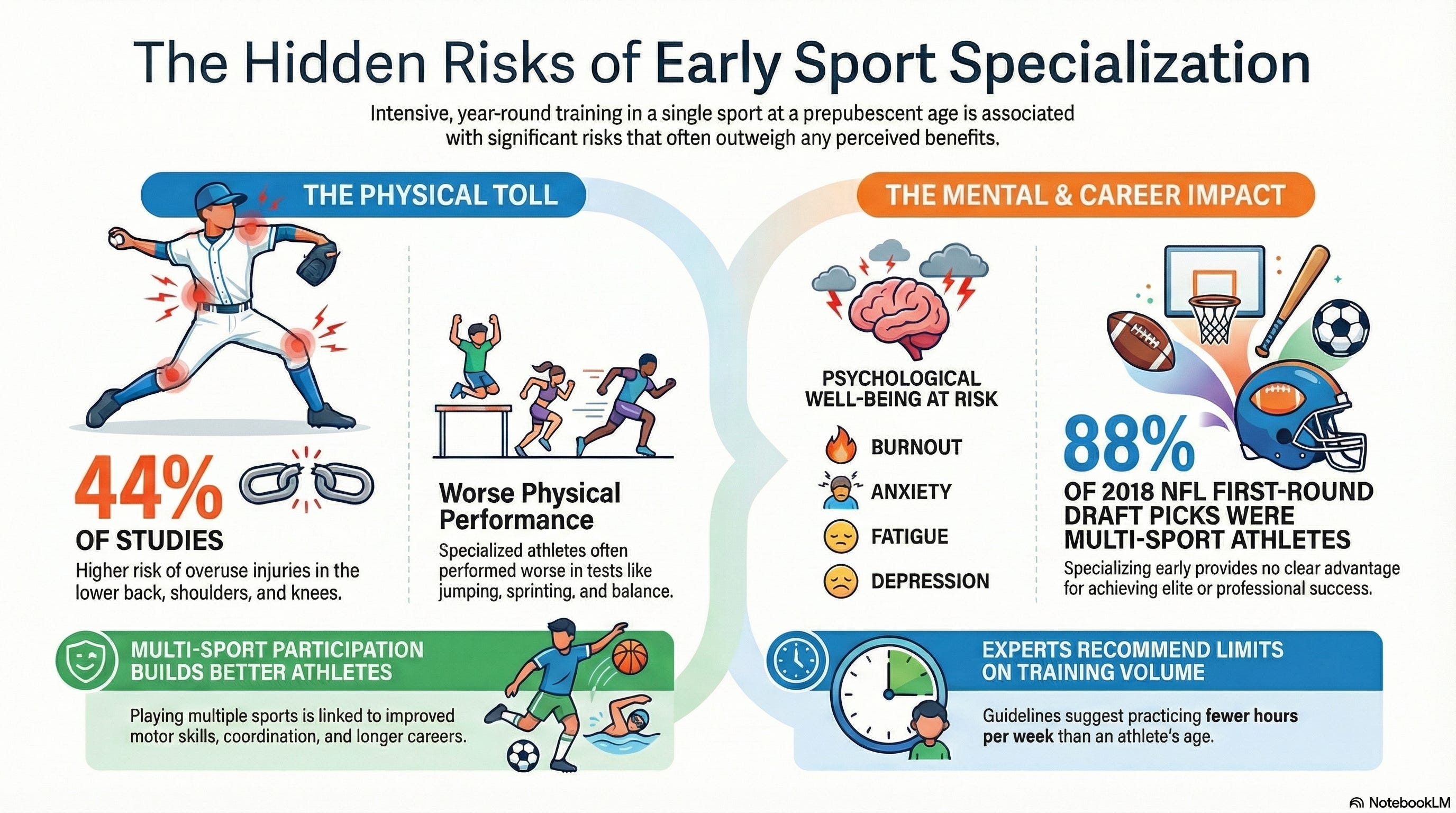
Causes Of Early Tiredness
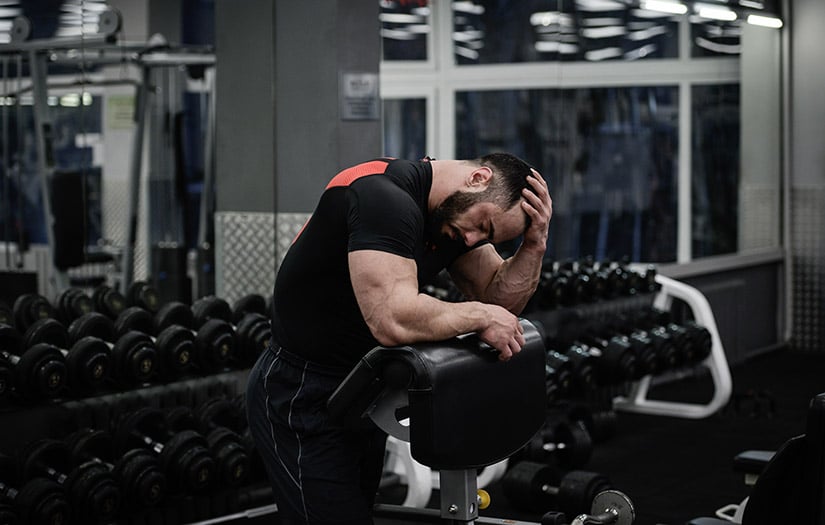
Early tiredness during sports training affects many athletes. It lowers performance and causes frustration. Understanding what causes this fatigue helps prevent it. Several factors play a role in making you feel tired too soon.
Knowing these causes allows you to adjust your habits. This leads to longer, stronger training sessions. Let’s explore the main reasons behind early tiredness in sports.
Common Fatigue Triggers
Overtraining is a major cause of early tiredness. Pushing your body too hard without rest drains energy. Stress from daily life also adds to fatigue. Poor warm-up and cool-down routines can make muscles tired faster. Training in extreme weather affects stamina and energy levels.
Role Of Nutrition
Your body needs the right fuel to perform well. Skipping meals or eating low-energy foods causes early fatigue. Lack of carbohydrates reduces muscle energy. Not enough protein slows recovery and strength. Balanced meals before and after training support better endurance.
Impact Of Sleep Quality
Good sleep restores energy and repairs muscles. Poor sleep leads to tiredness during training. Short or broken sleep reduces focus and stamina. Consistent sleep times help maintain energy levels. Restful nights improve overall athletic performance.
Effect Of Hydration
Water is vital for energy and muscle function. Dehydration causes tiredness and cramps. Even mild dehydration reduces strength and endurance. Drinking water before, during, and after exercise keeps you alert. Proper hydration supports longer and more effective training.
Improving Endurance
Improving endurance is key to preventing early tiredness during sports training. Endurance helps your muscles work longer without feeling tired. Building endurance takes time and the right techniques. Training smart supports steady progress and better stamina.
Effective Training Techniques
Focus on exercises that raise your heart rate steadily. Running, cycling, and swimming are good choices. Consistent practice improves your body’s ability to use oxygen. This helps you perform longer with less fatigue. Stretching before and after training keeps muscles flexible and ready.
Importance Of Gradual Progression
Start with easy workouts and slowly increase intensity. Sudden hard training causes tiredness and injury. Small steps help your body adapt to new challenges. Increase distance or time by about 10% each week. This safe approach builds strength without burning out.
Incorporating Interval Training
Alternate between high and low intensity during workouts. For example, sprint for 30 seconds, then walk for one minute. This method boosts both speed and endurance. It trains your heart and muscles to recover faster. Interval training also reduces boredom during exercise.
Cross-training Benefits
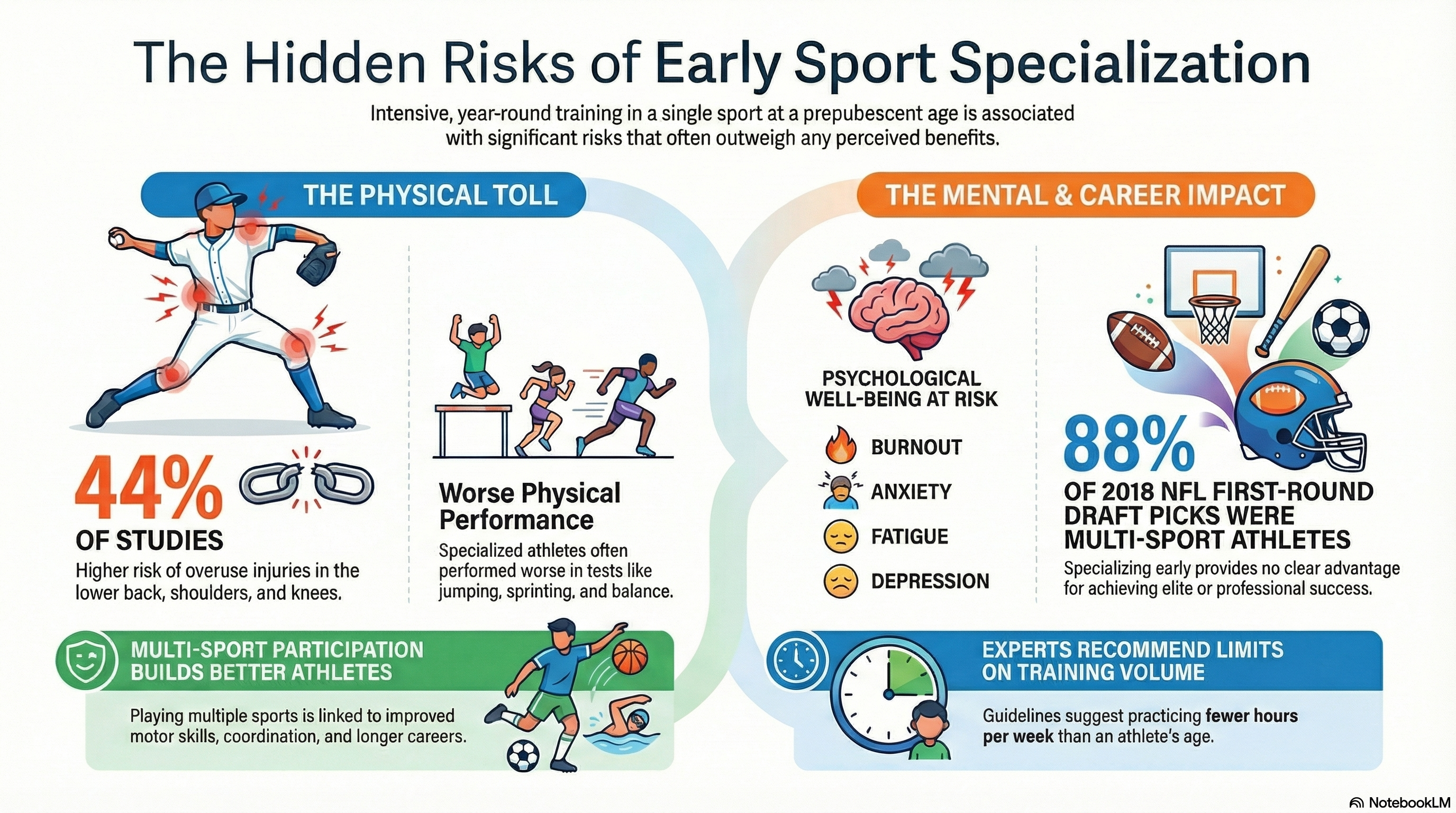
Try different sports or activities to work various muscles. Cycling, swimming, or yoga help improve overall fitness. Cross-training prevents overuse injuries from repetitive motions. It keeps your workouts interesting and fun. Stronger muscles support longer and better training sessions.
Optimizing Nutrition
Nutrition plays a key role in preventing early tiredness during sports training. Eating the right foods gives your body the fuel it needs. It helps improve energy and endurance. Proper nutrition supports muscle recovery and keeps you active longer. Focus on balanced meals and good hydration for best results.
Pre-workout Meal Ideas
Choose meals with carbohydrates and protein before training. Carbs provide quick energy. Protein helps keep muscles strong. Try a banana with peanut butter or oatmeal with milk. Avoid heavy or greasy foods that slow you down. Eat 30 to 60 minutes before your workout for best effect.
Hydration Strategies
Drink water throughout the day to stay hydrated. Dehydration causes tiredness and reduces performance. Sip water before, during, and after exercise. For long workouts, add a sports drink with electrolytes. Avoid sugary drinks that cause energy crashes. Proper hydration keeps your body working well.
Supplements For Energy
Certain supplements can support energy levels. Caffeine in small amounts can boost focus and stamina. Creatine helps muscles work harder and recover faster. Vitamins like B-complex support metabolism and energy production. Consult a doctor before starting any supplement. Natural foods remain the best energy source.
Post-workout Recovery Foods
Eat foods that help muscles repair after training. Include protein to rebuild muscle fibers. Carbohydrates refill energy stores. Good options are chicken with rice or yogurt with fruit. Avoid junk food that slows recovery. A balanced meal within 30 minutes helps reduce tiredness next session.
Credit: joeeisenmann.substack.com
Enhancing Recovery
Enhancing recovery is key to preventing early tiredness during sports training. It helps the body heal and regain strength. Good recovery improves performance and reduces injury risk. Focus on rest, active recovery, stretching, and stress management. These strategies support your body and keep energy levels high.
Rest And Sleep Tips
Rest is essential for muscle repair and energy restoration. Aim for 7 to 9 hours of sleep each night. Keep a consistent sleep schedule. Create a calm, dark, and cool sleeping environment. Avoid screens at least one hour before bedtime. Short naps can boost energy during the day. Listen to your body and rest when needed.
Active Recovery Methods
Active recovery involves light exercises to increase blood flow. Try walking, cycling, or swimming at low intensity. These activities help remove waste products from muscles. They reduce soreness and speed up healing. Avoid intense workouts on recovery days. Gentle movement keeps muscles flexible and ready for the next session.
Stretching And Mobility
Stretching improves flexibility and reduces muscle tightness. Focus on major muscle groups used during training. Hold each stretch for 20 to 30 seconds. Include dynamic stretches before workouts. Use static stretches after training to relax muscles. Mobility exercises help joints move freely. Regular stretching prevents stiffness and improves performance.
Managing Stress Levels
Stress drains energy and slows recovery. Practice deep breathing or meditation to calm the mind. Keep a balanced diet and stay hydrated. Avoid overtraining and listen to your body’s signals. Spend time on hobbies or activities you enjoy. Managing stress supports both mental and physical recovery.
Tracking Progress
Tracking progress is key to avoid early tiredness in sports training. It helps you see improvements and spot signs of fatigue early. Monitoring your workouts makes training smarter and safer. It keeps motivation high and guides you to better results.
Using Fitness Apps
Fitness apps record your exercise details automatically. They track distance, time, and calories burned. Apps also show trends over days or weeks. This helps you understand how your body responds. Simple graphs make progress easy to see.
Monitoring Heart Rate
Heart rate shows how hard your body works during exercise. Using a heart rate monitor helps you stay in the right zone. Avoid pushing too hard, which causes early tiredness. Keeping a steady heart rate improves endurance safely.
Setting Realistic Goals
Set goals that match your current fitness level. Small, clear goals keep you motivated and prevent burnout. Gradual progress is better than trying too much at once. Realistic targets help your body adapt without stress.
Adjusting Training Plans
Use your tracked data to change your training plan. Rest more if you feel overly tired or sore. Increase intensity only when your body feels ready. Adjustments keep training effective and reduce the risk of injury.
Credit: blog.nasm.org
Frequently Asked Questions
What Causes Early Tiredness During Sports Training?
Early tiredness in sports training is caused by poor nutrition, dehydration, and inadequate rest. Overtraining and lack of proper warm-up also contribute. Managing these factors helps sustain energy levels and improve performance.
How Can Proper Hydration Prevent Early Fatigue?
Staying hydrated maintains optimal muscle function and prevents cramps. Drinking water before, during, and after training helps keep energy levels stable and delays tiredness onset.
What Role Does Nutrition Play In Avoiding Early Tiredness?
Balanced nutrition provides essential nutrients and energy for training. Consuming carbohydrates, proteins, and healthy fats supports endurance and muscle recovery, reducing fatigue during workouts.
How Important Is Rest In Preventing Training Fatigue?
Rest allows muscles to recover and rebuild strength. Adequate sleep and rest days prevent burnout and early tiredness, ensuring consistent training performance.
Conclusion
Preventing early tiredness helps you train longer and feel better. Drink enough water and eat balanced meals for energy. Rest well to let your body recover and grow stronger. Warm up and cool down to avoid injury and fatigue. Keep a steady pace and listen to your body’s signals.
Consistent habits lead to better endurance and less tiredness. Stay patient and focused on small improvements every day. Training smart makes exercise more enjoyable and effective.

Brandon Knoxley is a sport & fitness writer and training guide contributor at MySportFitHub. He focuses on practical workouts, performance-based training, and honest fitness gear insights designed for real people and real results. Brandon is passionate about helping beginners and active individuals train smarter, avoid common mistakes, and build sustainable fitness habits.