What Muscles Does The Treadmill Work: Muscles Targeted
Treadmill primarily works calves, quads, hamstrings, glutes, and your core through walking or running.
As a fitness coach with years of hands-on experience and a background in exercise science, I’ll walk you through exactly what muscles does the treadmill work, how settings change which muscles get the most benefit, and practical ways to shape workouts for strength, endurance, or fat loss. Read on if you want clear, evidence-informed guidance and real-world tips you can use the next time you step onto a treadmill.

How the treadmill engages muscles
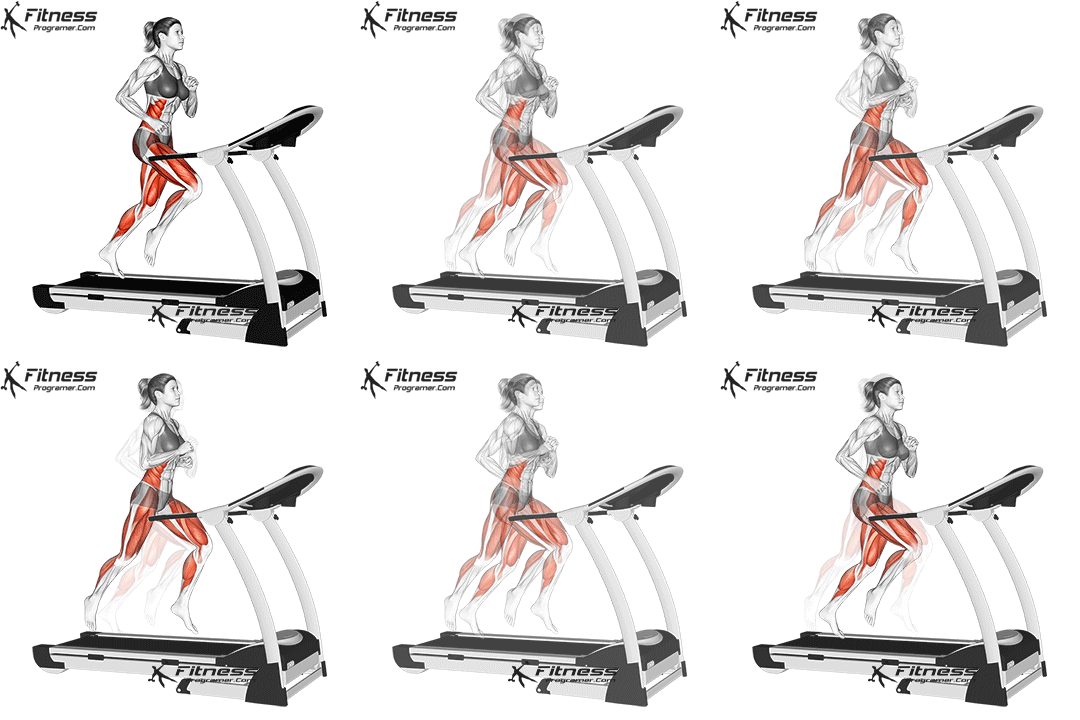
Walking or running on a treadmill is a simple motion, but it uses many coordinated muscle groups. Every stride involves push, pull, stabilization, and balance. The treadmill adds controlled speed and incline that lets you target different muscles more precisely.
Biomechanics in plain terms:
- Push phase uses hip and knee extensors to move you forward.
- Recovery phase uses hip flexors and hamstrings to swing the leg.
- Stabilizers in the hips, core, and lower leg keep your posture steady.
Knowing these basics helps answer what muscles does the treadmill work and how to tailor sessions for specific goals.
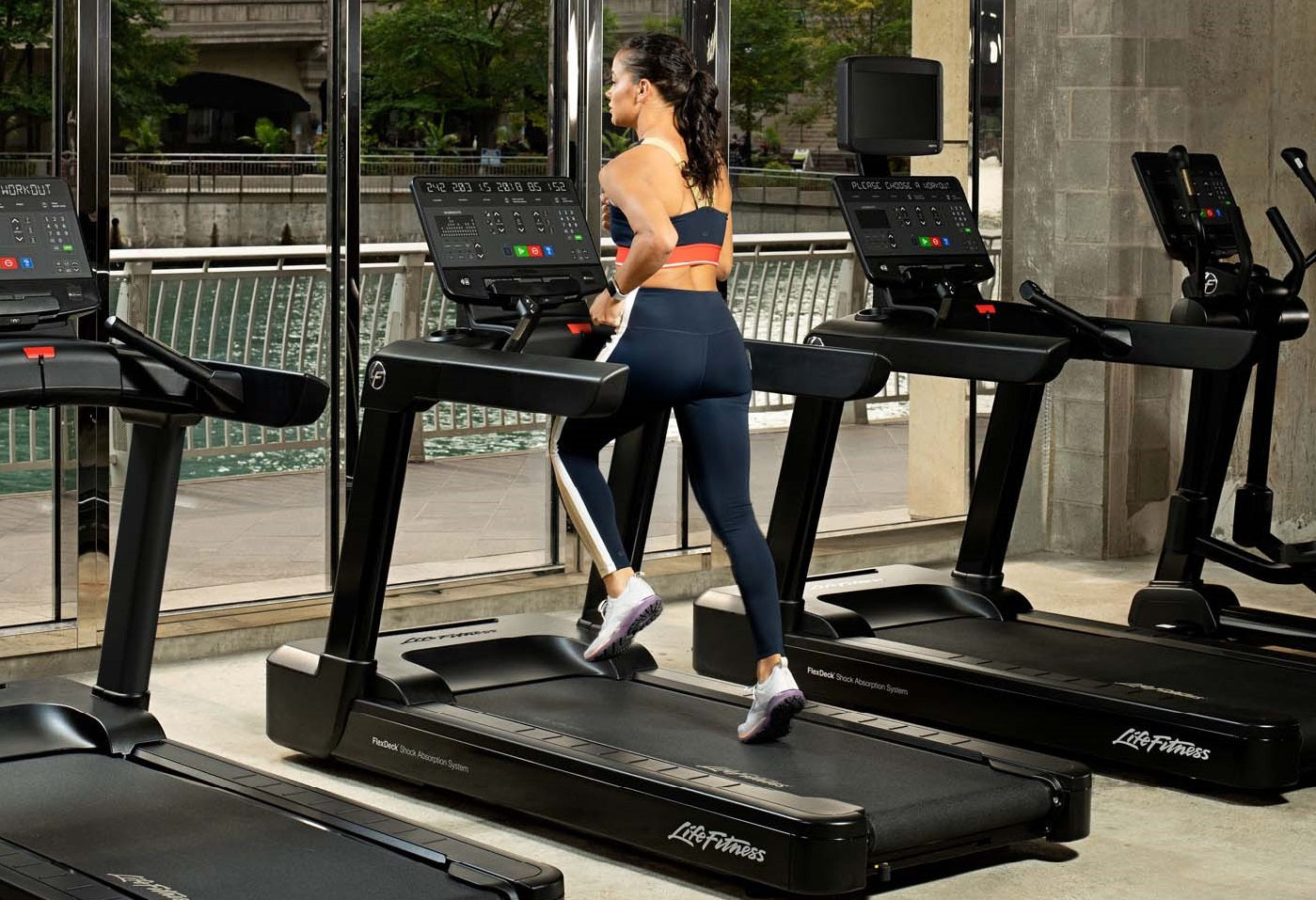
Primary muscles worked on a treadmill
Here are the main muscle groups you’ll recruit when you walk, jog, or run on a treadmill. I repeat the phrase because it helps clarify context: what muscles does the treadmill work depends on speed, incline, and technique.
Lower body
- Quadriceps — front of the thigh; active during push-off and when absorbing impact on foot strike.
- Hamstrings — back of the thigh; help decelerate the leg and assist in hip extension during push-off.
- Gluteus maximus and medius — major hip extensors and stabilizers; critical on uphill and sprinting efforts.
- Calves (gastrocnemius and soleus) — handle ankle plantarflexion, especially active at toe-off and when running.
- Tibialis anterior — front of the shin; helps lift the foot during swing to clear the ground.
Core and hips
- Core muscles (rectus abdominis, obliques, transverse abdominis) — maintain trunk stability and transfer force between upper and lower body.
- Hip flexors (iliopsoas, rectus femoris) — lift the thigh during the swing phase and can be more taxed during faster paces.
Upper body
- Shoulders, arms, and upper back — lightly involved by arm swing during natural running. Using poles or actively pumping arms increases upper-body engagement.
This list answers what muscles does the treadmill work in practical terms and shows how treadmill training is more than just leg work.
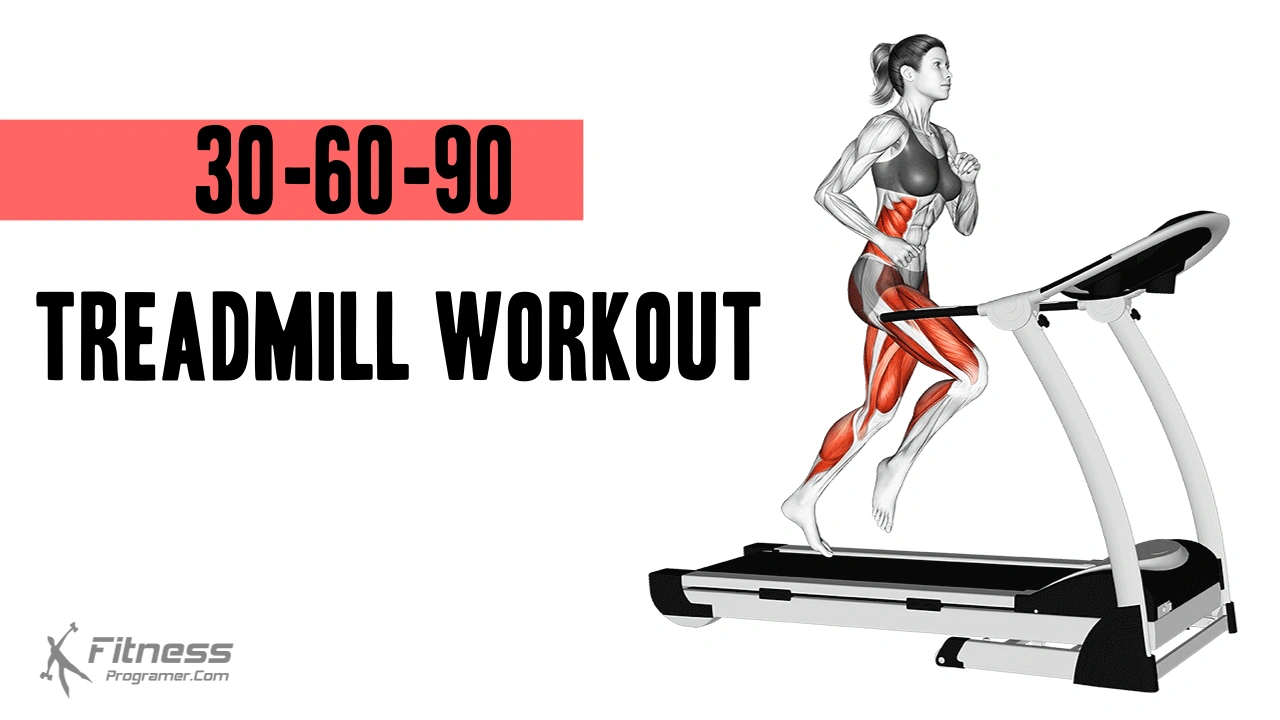
How speed, incline, and form change muscle emphasis
Speed, incline, and your running form alter which muscles work hardest. That’s central to understanding what muscles does the treadmill work.
Speed
- Slow walking recruits mostly stabilizers and calves with moderate quad usage.
- Fast running increases demand on glutes, quads, hamstrings, and calves for power and stride turnover.
Incline
- Increased incline shifts load to glutes and hamstrings and reduces impact, making it a great choice to target posterior chain muscles without sprinting.
Decline
- Downhill or negative incline increases eccentric work in quads and can be tougher on knees; use caution.
Form and stride
- Short, quick strides emphasize calves and hip flexors.
- Long, powerful strides emphasize glutes and hamstrings.
- Leaning slightly forward engages the posterior chain more, while an upright posture engages core stabilizers.
Adjusting these variables answers the deeper question of what muscles does the treadmill work under different training demands.
Treadmill exercises to target specific muscles
You can tweak treadmill use to focus on strength, endurance, or rehab. Below are practical variations you can try.
To target glutes and hamstrings
- Walk or run at a 6–12% incline for 20–30 minutes; add intervals of higher incline for 30–60 seconds.
- Perform walking lunges on a slow belt for controlled strength work; use safety rails lightly.
To target quads
- Do hill repeats at a steady climb or short, fast sprints on moderate incline.
- Add short decline intervals carefully to increase eccentric quad load.
To target calves
- Sprint intervals with a forefoot strike.
- Slow hill walking pushing through toes with a slightly shorter stride.
To engage core and stability
- Practice controlled arm drive; maintain a tall posture.
- Try brief intervals of walking backwards (on low speed and with supervision) to challenge core and balance.
These drills show how to manipulate what muscles does the treadmill work for specific outcomes.
Benefits and limitations of treadmill training
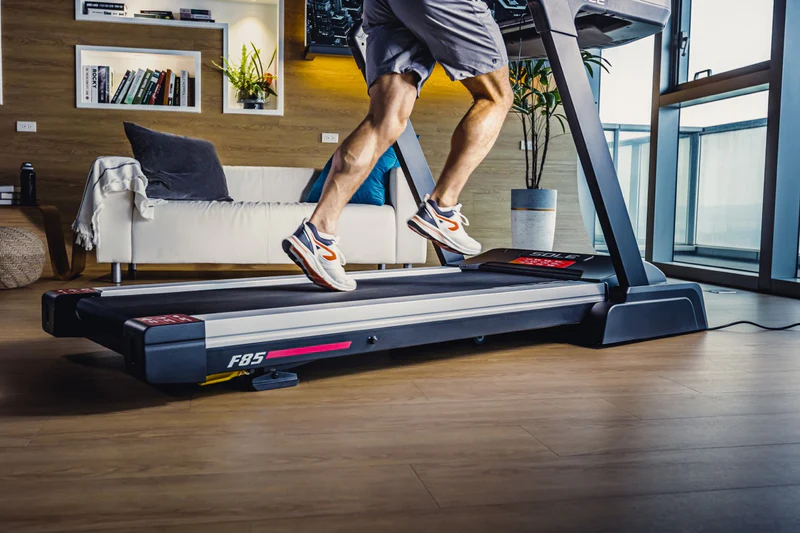
Treadmills are versatile, but they have pros and cons depending on your goals. Understanding them helps you choose the right approach to what muscles does the treadmill work.
- Controlled environment protects joints when using cushioned belts.
- Precise adjustments of speed and incline make progressive overload easy.
- Great for pacing, interval work, and specific conditioning.
Limitations
- Treadmill belts can alter natural gait; over-reliance may reduce outdoor adaptability.
- Some muscles used in outdoor running (like stabilizers on uneven terrain) get less training.
- Incorrect form can increase injury risk, especially at high speeds.
Being aware of these points helps you use treadmill training effectively and safely.
Programming: sample workouts to emphasize muscles
Below are simple programs that highlight which muscles does the treadmill work most during each session. All workouts begin with a 5-minute warm-up and end with a 5-minute cool-down.
Beginner: Glute/hamstring focus
- 5-min warm-up walk
- 20 minutes at 5–8% incline, steady pace
- 5-minute cooldown walk
Intermediate: Quad and cardio mix
- 5-min warm-up jog
- 5 x 2-minute hard intervals at 1–2% incline with 90-second easy jog in between
- 5-minute cooldown
Advanced: Power and calf emphasis
- 5-min warm-up
- 8 x 30-second sprints with full recovery (90–120 seconds)
- 10-minute steady incline walk to finish
These templates show practical ways to change what muscles does the treadmill work based on your training goal.

My experience, common mistakes, and practical tips
I’ve coached many clients on treadmills. I’ve seen beginners overload quads by running with a long stride and reduce glute activation. I’ve also helped runners recover from injury by using incline walking to re-train the posterior chain.
Common mistakes
- Holding onto the handrails, which reduces core and hip engagement.
- Using too long a stride, which increases braking forces and stresses the knees.
- Ignoring incline as a tool to target glutes and hamstrings.
Practical tips
- Keep a slight forward lean from the ankles, not the waist.
- Use short, quick strides for speed work and longer strides for hill power.
- Progress incline or intensity gradually to avoid soreness and injury.
These tips come from real coaching sessions and help you safely maximize how effectively the treadmill trains your muscles.
Frequently Asked Questions of what muscles does the treadmill work
What muscles are most involved when walking on a treadmill?
Walking primarily recruits the calves, quads, glutes, and core stabilizers. The exact emphasis shifts with speed and incline.
Does running on a treadmill work the same muscles as outdoor running?
Yes, running on a treadmill uses the same primary muscles, but treadmills reduce variability in terrain so stabilizer muscles may be less challenged. Incline and speed can mimic outdoor demands closely.
Can treadmill workouts build glute strength?
Yes. Using moderate to steep incline walking or hill intervals places more load on glutes and hamstrings and helps build strength over time.
Will the treadmill tone my calves?
Sprinting and incline walking increase calf activation and can improve calf tone with consistent training. Forefoot striking during short sprints especially recruits the gastrocnemius and soleus.
Is it safe to do backward walking on a treadmill?
Backward walking can engage different muscles and improve balance but must be done at very slow speeds and, ideally, under supervision to avoid falls.
Conclusion
Treadmill training targets a broad set of muscles—primarily calves, quads, hamstrings, glutes, and the core—and you can shift emphasis with speed, incline, and technique. Use incline to load the posterior chain, sprinting for power and calves, and mindful form to protect joints and maximize muscle activation. Start simple, progress slowly, and experiment with workouts that match your goals. Try one of the sample sessions this week, note how your muscles feel, and adjust to fit your fitness level; leave a comment below to share your results or questions.

Brandon Knoxley is a sport & fitness writer and training guide contributor at MySportFitHub. He focuses on practical workouts, performance-based training, and honest fitness gear insights designed for real people and real results. Brandon is passionate about helping beginners and active individuals train smarter, avoid common mistakes, and build sustainable fitness habits.