
How To Lubricate Treadmill Without Lifting Belt: Easy Guide
Lubricate a treadmill without lifting the belt by using a thin silicone applicator under both belt edges.
Knowing how to lubricate treadmill without lifting belt can save time, reduce mess, and help protect the motor and walking deck. The process is simple when you use the right lubricant, apply a small amount, and let the moving belt spread it evenly. This guide explains the safest method, common mistakes, and signs that your treadmill needs service.
Can You Lubricate a Treadmill Without Lifting the Belt?
Yes, you can lubricate a treadmill without lifting belt edges fully. Most treadmill belts have enough side clearance for a narrow lubricant tube or applicator wand to slide under the belt.
You may need to raise the edge by only a few millimeters. This is not the same as lifting or loosening the entire belt. Avoid forcing the belt upward, as too much pressure can affect belt alignment.
This method works best when:
- The belt has a small gap along both sides.
- You use treadmill-safe silicone lubricant.
- The treadmill deck is not sealed or wax-based.
- You can move the belt by hand or run it at a very low speed.
Some treadmills do not need added lubricant. Certain models use waxed decks, sealed bearings, or special belt systems. Always check the owner’s manual before applying anything.

What You Need Before Lubricating the Treadmill
Gather the right supplies before you start. The correct tools make it easier to lubricate treadmill without lifting belt and help prevent spills.
You will need:
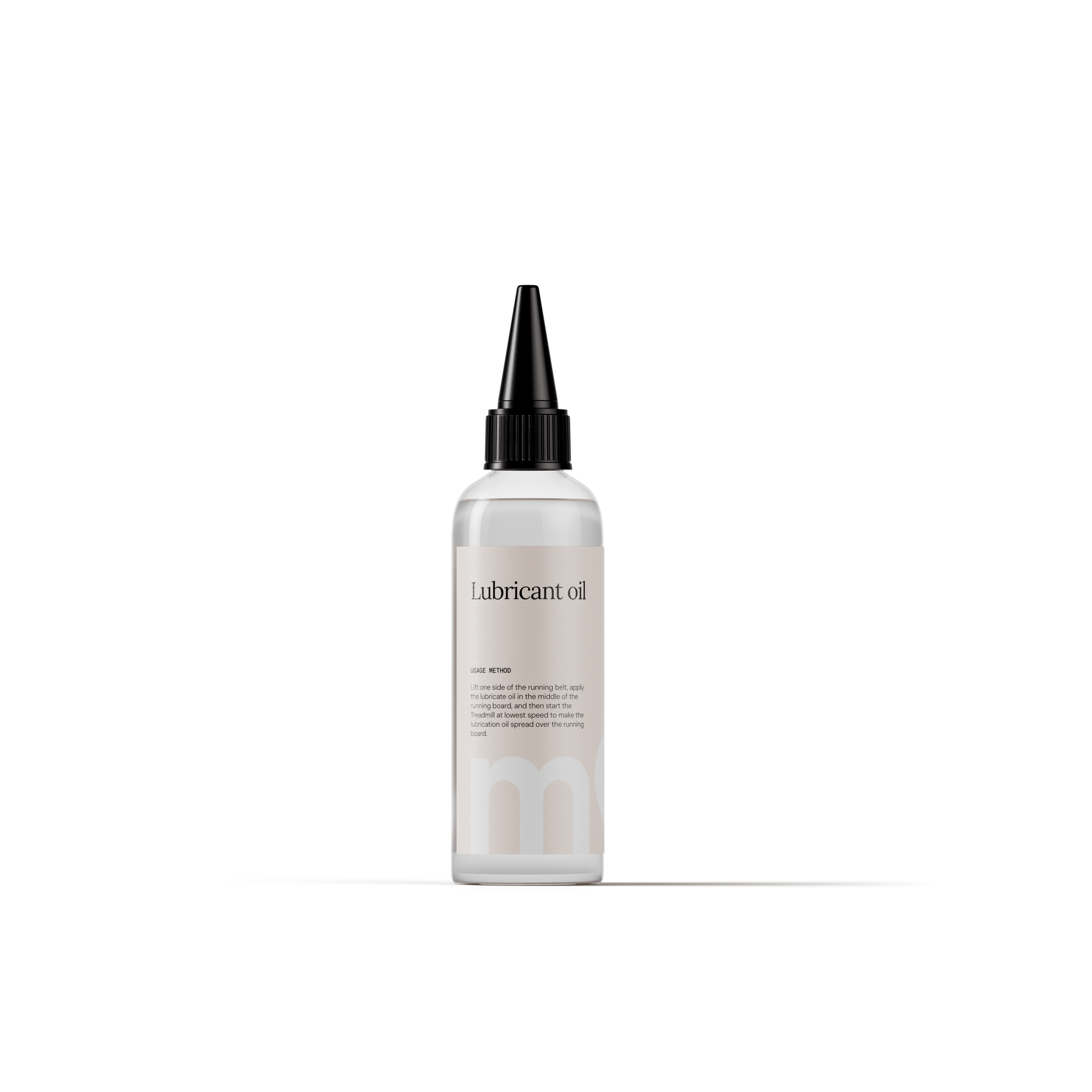
- 100% silicone treadmill lubricant
- A long, thin applicator tube
- A clean, dry cloth
- A flashlight
- Your treadmill owner’s manual
- A small towel or piece of cardboard
Choose a lubricant made for treadmills. Silicone spray or liquid silicone may work, but a treadmill lubricant with a narrow tube gives you better control.
Avoid these products:
- WD-40
- Motor oil
- Cooking oil
- Petroleum jelly
- Grease
- General-purpose household spray
Petroleum products can damage the belt, deck, or plastic parts. They may also make the belt too slippery. A treadmill belt needs low friction, not an oily surface.
Before learning how to lubricate treadmill without lifting belt, check whether the deck already has wax. Adding silicone to a waxed deck can cause poor tracking or slipping.
How to Lubricate Treadmill Without Lifting Belt: Step-by-Step
The following method lets you apply lubricant under the belt with minimal movement. It is useful when the belt feels tight or when you want to avoid changing its alignment.
1. Turn Off and Unplug the Treadmill
Switch off the treadmill and remove the power plug from the wall. Do not lubricate a powered treadmill unless the manual clearly gives a specific operating procedure.
Unplugging the machine protects you from accidental belt movement. It also lets you inspect the deck without worrying about the motor starting.
2. Clean the Belt and Deck Edges
Use a dry cloth to wipe dust from the top of the belt and the side rails. Dirt near the belt edge can fall under the belt during lubrication.
Do not spray cleaner under the belt. If the walking deck is visibly dirty, use only the cleaner recommended by the manufacturer and allow it to dry fully.
3. Find the Best Access Point
Stand near the front or middle of the treadmill. Look for the narrow space between the walking belt and the deck.
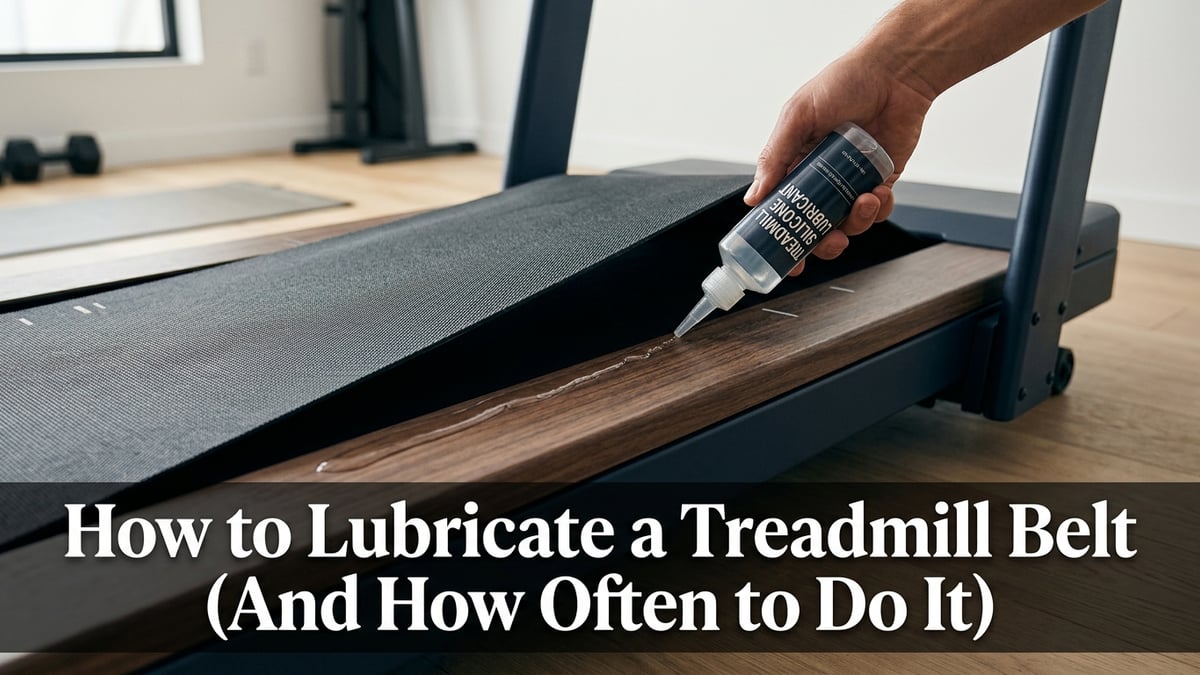
Slide the applicator tube under the belt edge. You only need a small opening. If the tube will not fit, turn the belt by hand until a more flexible section reaches the side.
Do not use a screwdriver, knife, or metal tool to open the gap. These tools can cut the belt or scratch the deck.
4. Apply a Thin Line of Silicone
Place the tube under the left belt edge. Apply a thin line of lubricant from near the front roller toward the middle of the deck.
Do not apply lubricant directly to the motor, rollers, side rails, or top of the belt. The goal is to place silicone between the belt and the walking deck.
Repeat the process on the right side. Use the amount listed in your manual. If the manual gives no amount, start with a small amount rather than flooding the deck.
A common mistake I have seen during treadmill maintenance is applying too much silicone at once. Excess lubricant can spread onto the rollers, attract dust, and make the belt slip.
5. Move the Belt by Hand
Keep the treadmill unplugged. Place one foot on the side rail and slowly move the walking belt forward by hand.
Turn it through several full rotations. This spreads the silicone across the center of the deck without requiring you to lift the entire belt.
If the belt is too tight to move by hand, do not force it. The tension may need adjustment, or the belt may have another mechanical problem.
6. Run the Treadmill Slowly
Plug the treadmill back in only after the lubricant is under the belt and all tools are clear. Run it at the lowest speed for about three to five minutes.
Stay beside the treadmill. Watch for slipping, squealing, uneven movement, or silicone coming out from the sides.
Step off the belt while checking it. Walking on the treadmill too soon can push excess lubricant toward the front roller.
7. Wipe Away Excess Lubricant
Turn off and unplug the treadmill again. Wipe the side rails, belt edges, and any visible silicone with a clean cloth.
The belt should feel smooth, not wet. If the belt slips under your feet, too much lubricant may be present. Run the treadmill at a low speed and wipe the belt surface with a dry cloth.
This careful process is the safest way to lubricate treadmill without lifting belt completely.

How Much Treadmill Lubricant Should You Use?
The correct amount depends on the treadmill design, belt width, deck material, and lubricant type. Your manual should always be the first guide.
Many home treadmills need only a small measured amount spread across the deck. Some manuals suggest one ounce, while others recommend a few milliliters on each side. These instructions are not universal.
Use these rules:
- Start with less lubricant than you think you need.
- Apply it under both sides of the belt.
- Do not pour lubricant in one large pool.
- Never coat the top of the walking belt.
- Recheck the belt after a few minutes of slow operation.
Too little lubricant may leave dry areas. Too much can cause slipping and attract dust. Think of lubrication as applying a thin layer of wax to a drawer slide, not filling a container with oil.
When learning how to lubricate treadmill without lifting belt, even coverage matters more than volume.
How Often Should You Lubricate a Treadmill?
Lubrication schedules vary. Some treadmills need service every three months, while others may go six months or longer with light use.
Frequency depends on:
- How often you use the treadmill
- The number of people using it
- Your body weight
- The room’s dust and humidity
- The deck and belt design
- Whether the treadmill uses wax or silicone
A person who walks for 30 minutes several times a week may need less frequent lubrication than a household that runs daily. Commercial treadmills often have different service schedules than home machines.
Do not lubricate by calendar alone. Check the manual and watch for signs such as:
- A dry or rough belt movement
- Squeaking from under the belt
- A sudden increase in motor noise
- A belt that slows when you step on it
- A hot smell near the motor
- Higher-than-usual electrical load
These signs can also point to a loose belt, worn motor brush, damaged roller, or failing bearing. Lubricant will not repair those problems.

Signs You Applied Too Much Lubricant
Over-lubrication is common because people assume more silicone provides more protection. In practice, excess lubricant can create new problems.
Watch for:
- Foot slippage
- A glossy wet belt surface
- Silicone on the side rails
- A belt that drifts or jerks
- Dust sticking to the deck
- Lubricant spraying near the front roller
If this happens, unplug the treadmill. Wipe the exposed areas with a clean cloth. You may need to run the treadmill slowly for a short time, then wipe it again.
Do not use harsh solvents unless the manufacturer approves them. Some cleaners can damage the belt surface or remove deck coatings.
Knowing how to lubricate treadmill without lifting belt also means knowing when to stop. A smooth, quiet belt is the goal, not a visibly wet deck.
Common Mistakes to Avoid
Small errors can shorten belt life or create a safety issue. Avoid these mistakes when you lubricate treadmill without lifting belt:
- Using oil instead of treadmill silicone
- Spraying lubricant onto the top of the belt
- Applying silicone to the motor or rollers
- Running the treadmill at high speed during the first test
- Ignoring a belt that is already badly misaligned
- Forcing a tool under the belt
- Lubricating a waxed deck with silicone
- Skipping the unplugging step
- Adding lubricant every few weeks without checking the manual
One mistake from routine maintenance is treating every treadmill the same. A folding walking pad, a heavy commercial unit, and an older motorized treadmill may use different belt systems.
If the belt is frayed, cracked, or badly stretched, lubrication will not solve the issue. Stop using the treadmill and arrange a professional inspection.

What to Do If the Belt Will Not Move
A belt that will not move by hand may be too tight, worn, or blocked by debris. Do not pull it hard to spread the lubricant.
First, check whether the treadmill has a transport lock or safety key issue. Then inspect the belt for visible damage. If the belt is extremely tight, the rear roller adjustment may need attention.
You can still lubricate treadmill without lifting belt if the applicator reaches the deck. However, you may not be able to spread the lubricant evenly without moving the belt.
In that case, ask a qualified technician to inspect:
- Rear roller tension
- Front roller bearings
- Motor belt condition
- Walking deck wear
- Belt alignment
- Motor control components
A stiff belt can overload the motor. Continuing to use the machine may turn a simple belt adjustment into an expensive repair.
How to Test the Treadmill After Lubrication
Testing helps confirm that the silicone has spread and that the belt remains safe.
Use this simple check:
- Plug in the treadmill.
- Start it at the lowest speed.
- Watch the belt for one to two minutes.
- Listen for squealing, scraping, or clicking.
- Increase the speed slightly.
- Walk for a few minutes if the belt runs normally.
- Stop and inspect the sides for excess lubricant.
The belt should move smoothly without hesitation. It should remain centered between the side rails.
If the belt slips only when you step on it, the deck may still have excess lubricant, or the belt may be too loose. If it drifts to one side, it may need alignment rather than more lubrication.
This test is an important part of how to lubricate treadmill without lifting belt safely.
When You Should Call a Professional
Lubrication is a basic maintenance task, but some symptoms need expert attention. Stop using the treadmill if you smell burning, see smoke, or hear grinding.
Contact a service professional when:
- The motor becomes unusually hot.
- The belt stops under normal walking pressure.
- The deck has deep grooves.
- The belt is torn or badly cracked.
- The rear roller makes a loud rumble.
- The machine trips a circuit breaker.
- The belt cannot be centered.
- Lubrication does not improve rough movement.
Treadmill maintenance manuals often warn that deck wear and belt tension affect motor load. This is why lubrication should not replace a full inspection when problems continue.
A trained technician can measure belt tension, inspect the rollers, and check electrical components safely.
Frequently Asked Questions About How to Lubricate Treadmill Without Lifting Belt
Can I lubricate a treadmill without removing the belt?
Yes. You can apply treadmill-safe silicone through the small gap along each belt edge. Move the belt by hand or run it slowly so the lubricant spreads across the deck.
What lubricant is best for lubricating a treadmill without lifting belt?
Use 100% silicone lubricant made for treadmills. Avoid WD-40, motor oil, grease, and petroleum-based products because they may damage parts or make the belt unsafe.
How often should I lubricate my treadmill?
Follow the owner’s manual first. Many home treadmills need lubrication every three to six months, but heavy use, dust, and belt design can change that schedule.
Can too much treadmill lubricant cause slipping?
Yes. Excess silicone can make the belt slippery and may spread onto the rollers or side rails. Apply a thin layer and wipe away any visible excess.
Should the treadmill be running while I apply lubricant?
Usually, no. Turn off and unplug the treadmill before placing the applicator under the belt. You can run it at the lowest speed afterward to spread the lubricant.
Can I use silicone spray to lubricate a treadmill?
You can use it only if the product is approved for treadmill belts and decks. A liquid treadmill lubricant with a narrow applicator often gives better control and creates less overspray.
What if my treadmill has a waxed walking deck?
Do not add silicone unless the manufacturer says it is safe. Waxed decks use a different system, and silicone may reduce traction or interfere with the deck coating.
Conclusion
You can lubricate treadmill without lifting belt completely by sliding a narrow applicator under both belt edges and applying a small amount of treadmill-safe silicone. Unplug the machine first, avoid petroleum products, spread the lubricant slowly, and test the treadmill at low speed.
Use the owner’s manual as your main guide, and do not confuse lubrication with repairs for belt damage, poor alignment, or motor problems. A few careful minutes of maintenance can help your treadmill run more smoothly and quietly. Check your treadmill today, follow the steps above, and share your maintenance experience in the comments.

Brandon Knoxley is a sport & fitness writer and training guide contributor at MySportFitHub. He focuses on practical workouts, performance-based training, and honest fitness gear insights designed for real people and real results. Brandon is passionate about helping beginners and active individuals train smarter, avoid common mistakes, and build sustainable fitness habits.