What Is Level 3 Incline On Treadmill: Meaning And Benefits
Level 3 incline on a treadmill usually means a mild uphill grade — roughly 2–3% incline.
I’ve spent years writing about and testing treadmills, and I’ll walk you through exactly what level 3 incline on treadmill means, how it feels, when to use it, and how to get the most benefit without risking injury. This guide explains how manufacturers map numbered incline settings to percent grade, what that extra slope does for calories and muscles, real-world sample workouts, safety tips from experience, and clear answers to common questions so you can use level 3 incline on treadmill confidently and smartly.

What level 3 incline on treadmill actually means
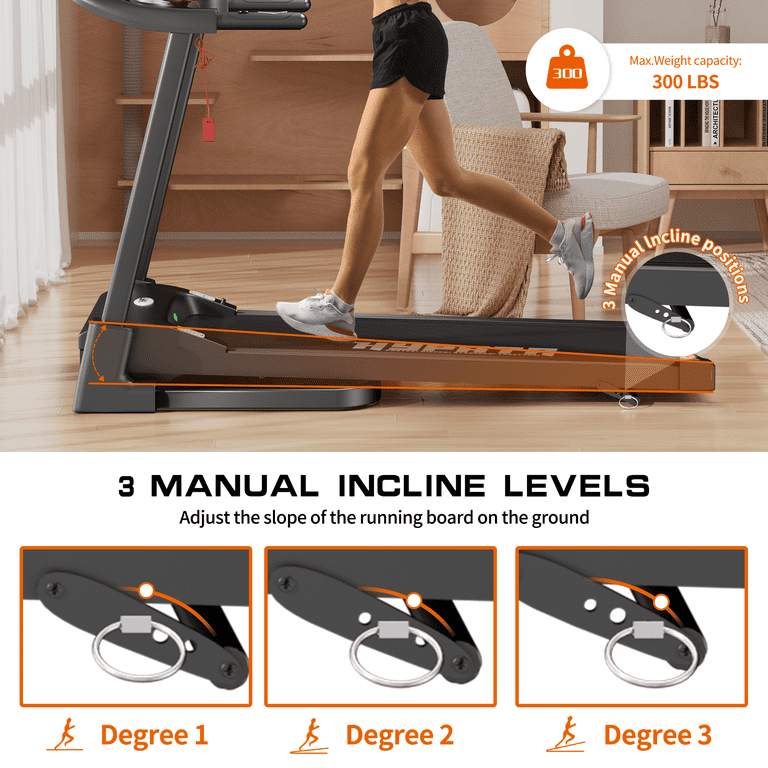
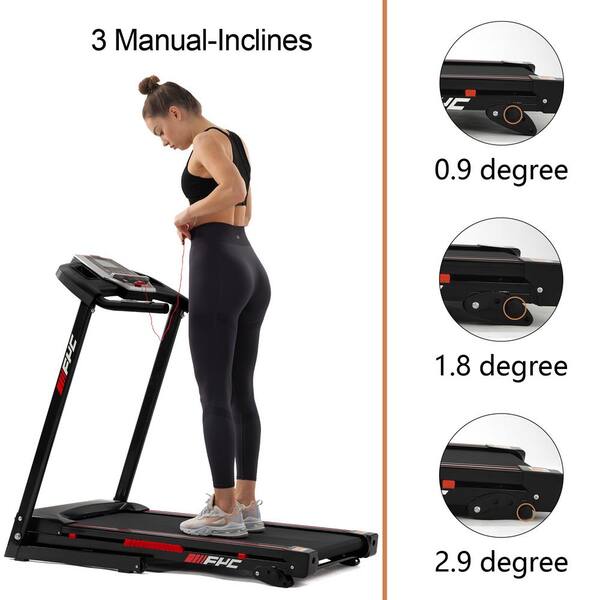
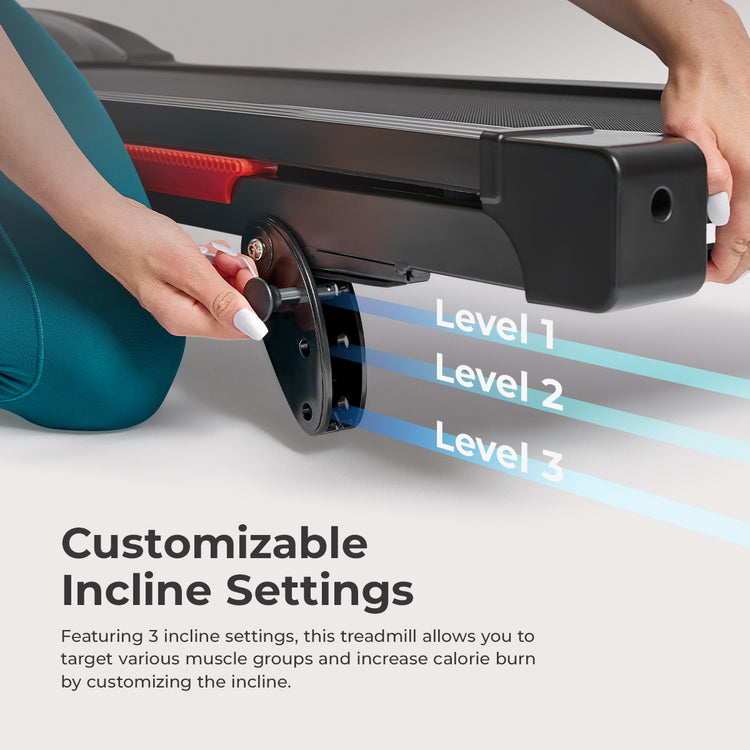
Most treadmill consoles use simple numbered settings instead of percent grade. Level 3 incline on treadmill refers to the third notch up from the base setting. The actual steepness varies by brand and model, so level 3 on one machine can feel different from level 3 on another.
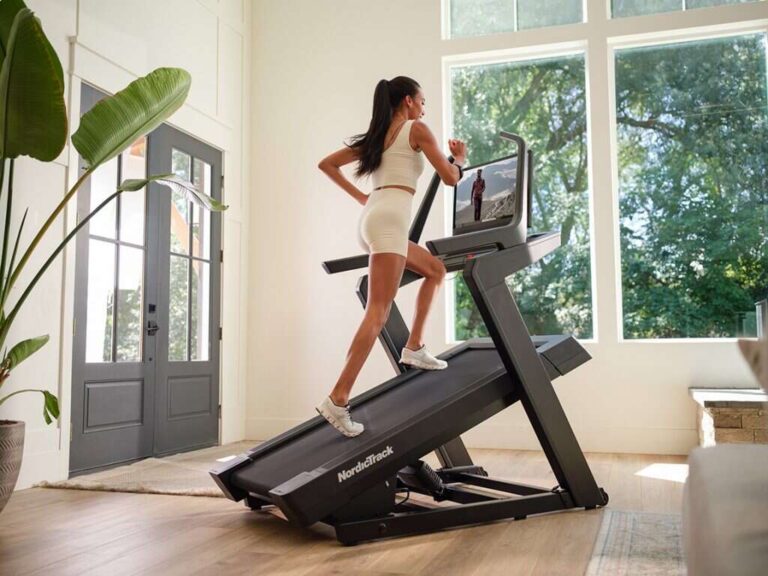
In practice, many home and commercial treadmills set level 3 to approximately a 2% to 3% grade. That small change mimics a gentle hill and adds noticeable effort without drastically cutting speed. Using level 3 incline on treadmill raises the demand on your glutes, hamstrings, and calves while keeping impact lower than running flat at the same speed.
How incline levels map to percent grade and effort
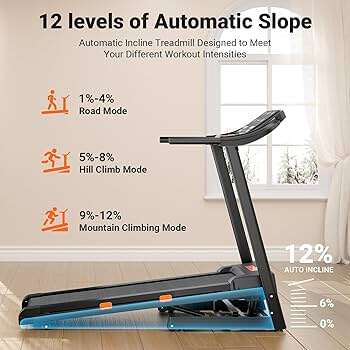
Treadmill level numbers are not standardized. Here’s a simple way to think about it and how level 3 incline on treadmill fits into a typical scale.
-
Level numbers vs percent grade
- Level 0 to 1: roughly 0% to 1% grade
- Level 2 to 3: roughly 1% to 3% grade
- Level 5 to 10: often 4% to 10% grade or more on some commercial models
-
Why the percent matters
- Percent grade is the true measure of slope. A 2% grade means a 2-foot rise for every 100 feet forward. When you know this, you can compare treadmills more fairly.
-
Perceived effort
- Level 3 incline on treadmill usually adds 5% to 15% more perceived effort compared with the same speed on level ground, depending on your fitness and pace.
Benefits of using level 3 incline on treadmill
A mild incline like level 3 offers several positive effects. These are practical gains you’ll notice quickly.
- Better calorie burn without running faster
- Even a small incline increases energy use. Level 3 incline on treadmill helps you burn more calories for the same pace.
- Greater muscle activation
- You recruit more posterior chain muscles. Expect more work from glutes and hamstrings.
- Lower impact than upping speed
- To increase intensity, rolling to an incline often reduces joint stress compared to increasing speed or running flat.
- Real-world transfer
- Walking or running on level 3 incline on treadmill prepares you for gentle hills outside and improves walking economy.

Limitations and safety considerations
Level 3 incline on treadmill is safe for most people, but there are some limits and things to watch.
- Machine variability
- Don’t assume level 3 equals a specific percent across brands. Use feel and a quick test to gauge intensity.
- Posture and stride changes
- Leaning too far forward or shortening your stride reduces benefits and may strain the lower back. Keep an upright posture and a natural step.
- Heart rate and fatigue
- If you have heart issues or balance problems, raise incline gradually and monitor heart rate. Consult your doctor if you have health concerns.
- Overuse risk
- Repeating steep inclines often without recovery increases soreness. Level 3 incline on treadmill is mild but still needs progression.

How to use level 3 incline on treadmill: practical tips and sample workouts
Below are easy-to-follow workflows and sample sessions you can try. Adjust speed and duration based on fitness.
- Warm-up recommendations
- Start with 5 minutes at 0% to 1% at an easy pace. Then raise to level 3 incline on treadmill and reduce speed slightly for 2 minutes to adapt.
- Beginner steady walk (20 minutes)
- 5-minute warm-up at 0%
- 12 minutes at level 3 incline on treadmill, brisk walk pace
- 3-minute cool-down at 0%
- Interval option (30 minutes)
- 5-minute warm-up at 0%
- 1 minute at level 3 incline on treadmill at fast walk, 1 minute recovery flat; repeat 10 times
- 5-minute cool-down
- Tempo run adaptation
- Add short 30–60 second surges at level 3 incline on treadmill within an easy run to build strength without adding high speed.
Tips from experience
- Start slow. I’ve had better progress with consistent 2–3% work than occasional steep hills.
- Use hands lightly on rails only for balance. Avoid leaning for support.
Measuring calories and intensity at level 3 incline on treadmill
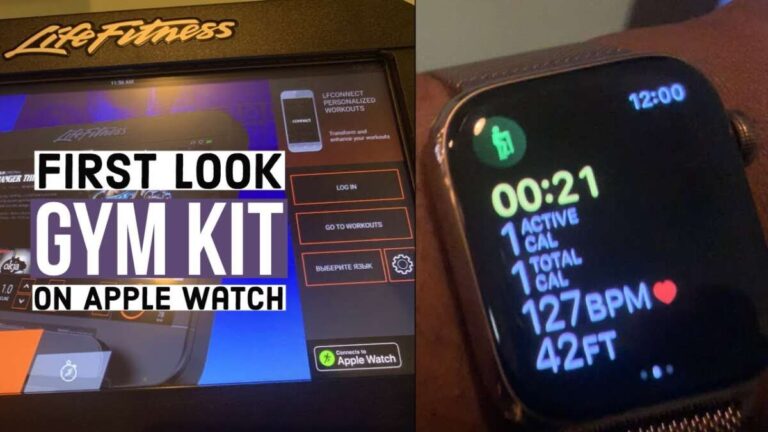
Calories shown on treadmills are estimates. To better understand effort, combine heart rate, rate of perceived exertion (RPE), and pace.
- Heart rate zones
- Expect a modest heart rate increase at level 3 incline on treadmill versus flat at the same pace. Monitor zones to keep workouts targeted.
- RPE and talk test
- If you can speak in short sentences, you’re likely in a moderate zone. If talking is limited, intensity may be high. Level 3 incline on treadmill often keeps you in moderate intensity for walking.
- METs approximation
- Walking on a 2% grade raises MET value slightly. For example, a 3.5 mph walk at 0% might be 4 METs; on 2% it could be 4.5–5 METs, depending on speed.

Personal experience, mistakes to avoid, and practical lessons
I’ve logged dozens of treadmill sessions and learned which small shifts matter most.
- What worked for me
- Using level 3 incline on treadmill twice weekly improved my uphill walking without extra joint stress. Consistency beat intensity spikes.
- Common mistakes I’ve made and fixed
- Mistake: Raising speed and incline together. Fix: Prioritize incline or speed—don’t boost both at once.
- Mistake: Holding the handrails. Fix: Use light touch only for balance to engage core and hips fully.
- Quick practical tips
- Check how your treadmill maps levels to percent in the manual. Test with a simple route: walk at flat 3 mph, then level 3 at 2.8–3.0 mph and note effort change.
Related concepts and alternatives
If you want variations or comparison points, consider these options.
- Percent grade vs level numbers
- Percent grade is more reliable across models. If your treadmill displays percent, target 2% to 3% for the same feel as level 3.
- Incline intervals vs steady incline
- Alternating between flat and level 3 incline on treadmill gives cardiovascular and muscular benefits.
- Outdoor hill training
- Real hills add variability (wind, terrain). Treadmill level 3 is a controlled way to build readiness for outdoor hills.
- Decline settings and downhill safety
- Decline engages different muscles and can stress knees; use declines sparingly and with care.
Frequently Asked Questions of what is level 3 incline on treadmill
What exactly is level 3 incline on treadmill compared to percent grade?
Level 3 incline on treadmill typically corresponds to a mild slope around 2% to 3% grade. Exact conversion varies by brand, so check your treadmill display or manual.
Is level 3 incline on treadmill good for beginners?
Yes. Level 3 incline on treadmill offers increased effort without high speed, making it suitable for beginners building strength and endurance.
Will level 3 incline on treadmill burn more calories than flat running?
At the same speed, level 3 incline on treadmill burns more calories than flat running. The calorie gain is modest but meaningful over time.
How should I adjust my running form at level 3 incline on treadmill?
Keep an upright posture, shorten your stride slightly, and increase cadence if needed. Avoid leaning on the handrails to maintain proper muscle engagement.
Can level 3 incline on treadmill help with outdoor hill training?
Yes. Level 3 incline on treadmill builds muscle and strength useful for gentle outdoor hills and improves uphill walking or running economy.
Conclusion
Level 3 incline on treadmill is a practical, low-risk way to add hill-like resistance to your workouts. It usually equals a mild 2%–3% grade and increases calorie burn, strengthens the posterior chain, and improves hill readiness without requiring high speed. Start slow, use proper form, and add level 3 incline on treadmill into short, consistent sessions to get steady gains. If you want better endurance and stronger glutes with less joint stress, try a two-week plan that includes level 3 work twice per week and track your progress. Share your results, ask questions, or subscribe for more treadmill tips and sample workouts.

Brandon Knoxley is a sport & fitness writer and training guide contributor at MySportFitHub. He focuses on practical workouts, performance-based training, and honest fitness gear insights designed for real people and real results. Brandon is passionate about helping beginners and active individuals train smarter, avoid common mistakes, and build sustainable fitness habits.