Does Incline Treadmill Build Glutes: Grow Glutes Faster
Incline treadmill walking can build and shape glutes, especially when paired with enough resistance and protein.
So, does incline treadmill build glutes? Yes, it can help strengthen and grow your glute muscles, but the results depend on incline, speed, effort, training time, and your overall workout plan. After testing different incline settings and watching how people respond to uphill walking, one lesson stands out: the treadmill works best as a smart glute tool, not as your only lower-body exercise.
Does incline treadmill build glutes?
Incline treadmill walking can build glutes because walking uphill makes your body push harder against gravity. Your gluteus maximus, the largest glute muscle, helps extend your hip as you move your leg back and push your body upward.
A flat treadmill mainly challenges your calves, hamstrings, and quads. Add a steep incline, and the movement becomes closer to walking uphill. This increases the demand on your hips and glutes.
However, the treadmill does not automatically build large glutes. Muscle growth requires progressive overload. In simple terms, your muscles must face a challenge that gradually becomes harder over time.
Incline treadmill training may support glute growth by:
• Increasing hip extension work
• Raising the workload for each step
• Improving muscular endurance
• Adding training volume without heavy joint impact
• Helping you burn calories while strengthening your lower body
The glute muscles may become stronger and firmer with regular incline walking. Still, traditional strength exercises such as hip thrusts, squats, lunges, and step ups usually provide a stronger muscle building stimulus.

How incline walking activates the glutes
The glutes work hardest when your hips extend. Hip extension happens when you drive your leg behind your body and move your hips forward.
On an incline treadmill, your body leans slightly into the hill. Each step requires more force to lift your body upward. This creates more work for the glutes than walking at the same speed on a flat surface.
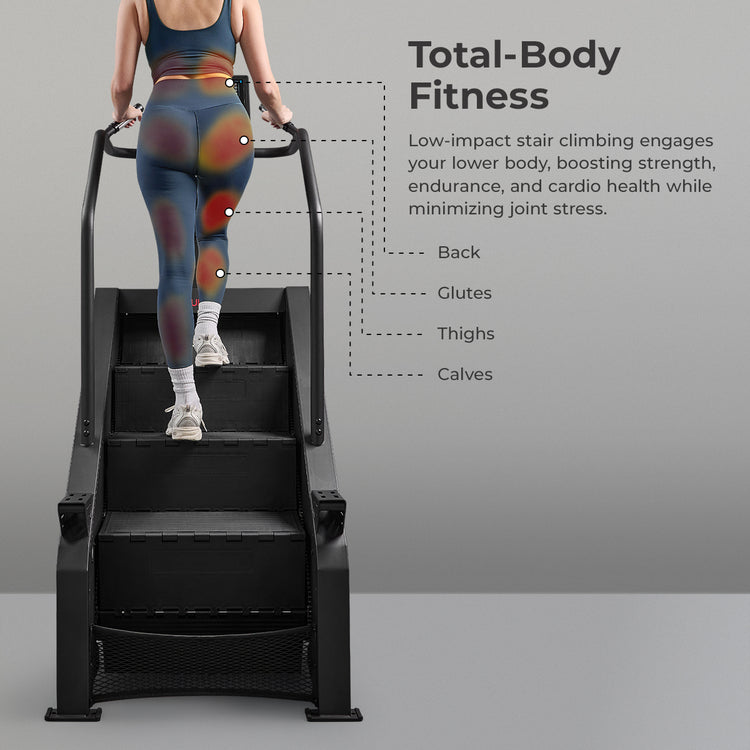
The main muscles involved include:
Gluteus maximus
The gluteus maximus creates most of your hip extension power. It helps you climb, stand, run, jump, and rise from a chair.
Gluteus medius
The gluteus medius sits on the outer side of your hip. It helps keep your pelvis level and supports balance as you move from one leg to the other.
Gluteus minimus
The gluteus minimus is a smaller muscle under the gluteus medius. It helps with hip stability and leg movement.
Hamstrings and calves
Your hamstrings assist with hip extension, while your calves help push you forward and upward. Your quads also work hard to straighten your knee.
This means incline treadmill walking is not an isolated glute exercise. It is a full lower body activity with extra emphasis on the hips when the incline and effort are high enough.

What incline is best for glute growth?
There is no single perfect incline for everyone. The best setting is one that makes your glutes work hard while allowing you to keep good form.
For many people, a 5 to 12 percent incline is a useful starting range. A 10 to 15 percent incline can create a stronger challenge, but it may also cause you to hold the rails or shorten your steps.
Try these general settings:
• Beginner: 3 to 6 percent incline at a steady walking speed
• Intermediate: 6 to 10 percent incline for moderate effort
• Advanced: 10 to 15 percent incline for short, hard intervals
• Recovery walk: 1 to 4 percent incline at an easy pace
A higher incline is not always better. If you lean heavily on the handrails, your legs carry less of your body weight. This can reduce the training effect and make the workout less useful for glute development.
Use a setting that lets you walk tall, keep your hands free, and maintain control. Your breathing should be harder, but you should not lose your form.
Does treadmill incline build glutes better than flat walking?
Yes, incline treadmill walking usually places more demand on the glutes than flat walking. The hill increases the amount of force needed to move your body upward.
Flat walking still has value. It can improve general fitness, circulation, and calorie use. It may also help you recover between harder workouts.
The key difference is effort. A slow walk at a mild incline may not challenge your glutes much. A strong uphill walk that raises your heart rate and makes your legs work can create a better stimulus.
Incline treadmill walking may be especially useful for people who:
• Do not like running
• Have limited access to weights
• Want a lower impact workout
• Need to improve walking strength
• Want extra lower body work after resistance training
In my experience, many people expect a high incline to work their glutes but then hold the rails and lean far forward. Once they stop using the rails and lower the speed, they often feel their hips working much more.
How to use an incline treadmill for glute growth
A good incline treadmill workout should have a clear goal. You can use steady walking to build endurance or intervals to create short periods of high effort.
Steady incline walk
This workout works well for beginners and for people who want a simple routine.
-
Warm up for 5 minutes at a flat or low incline.
-
Set the incline between 5 and 8 percent.
-
Walk at a pace that feels challenging but controlled.
-
Continue for 20 to 30 minutes.
-
Cool down for 5 minutes.
You should feel your glutes, hamstrings, and calves working. You should also be able to speak in short sentences.
Incline interval workout
Intervals can make a shorter workout more demanding.
-
Warm up for 5 minutes.
-
Walk for 2 minutes at a 5 percent incline.
-
Increase the incline to 10 to 15 percent for 1 minute.
-
Return to 5 percent for 2 minutes.
-
Repeat 6 to 8 times.
-
Cool down for 5 minutes.
Do not increase both speed and incline at once. Change one factor first. This makes it easier to control your effort and reduce injury risk.
Glute focused incline session
For a stronger lower body challenge, try this plan once or twice each week:
• 5 minutes at 2 percent incline
• 8 minutes at 7 percent incline
• 6 minutes at 10 percent incline
• 4 minutes at 12 percent incline
• 5 minutes at 5 percent incline
• 5 minutes at a low incline for cooling down
Adjust the speed to match your fitness level. A slower pace with good posture is more useful than a fast pace with poor control.
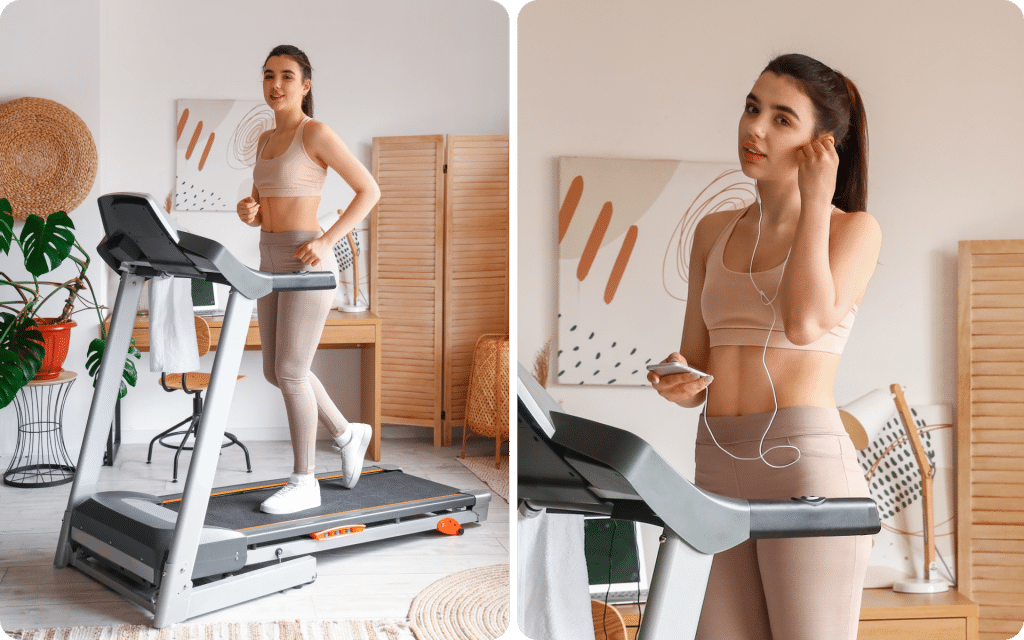
Proper form for better glute activation
Good form helps your glutes do the work. Poor form can shift stress to your knees, lower back, or calves.
Use these technique tips:
• Keep your chest lifted and your eyes forward.
• Lean slightly from your ankles, not from your waist.
• Keep your hands off the rails when safe.
• Take natural steps instead of tiny, rushed steps.
• Push through the middle of your foot and heel.
• Keep your knees lined up with your toes.
• Brace your stomach gently.
• Keep your shoulders relaxed.
You do not need to squeeze your glutes hard on every step. Focus instead on pushing the treadmill belt behind you and driving your body upward.
A common mistake is walking with the body folded over the console. This may make the incline feel easier, but it can reduce hip movement. If you cannot stay upright, lower the incline or speed.
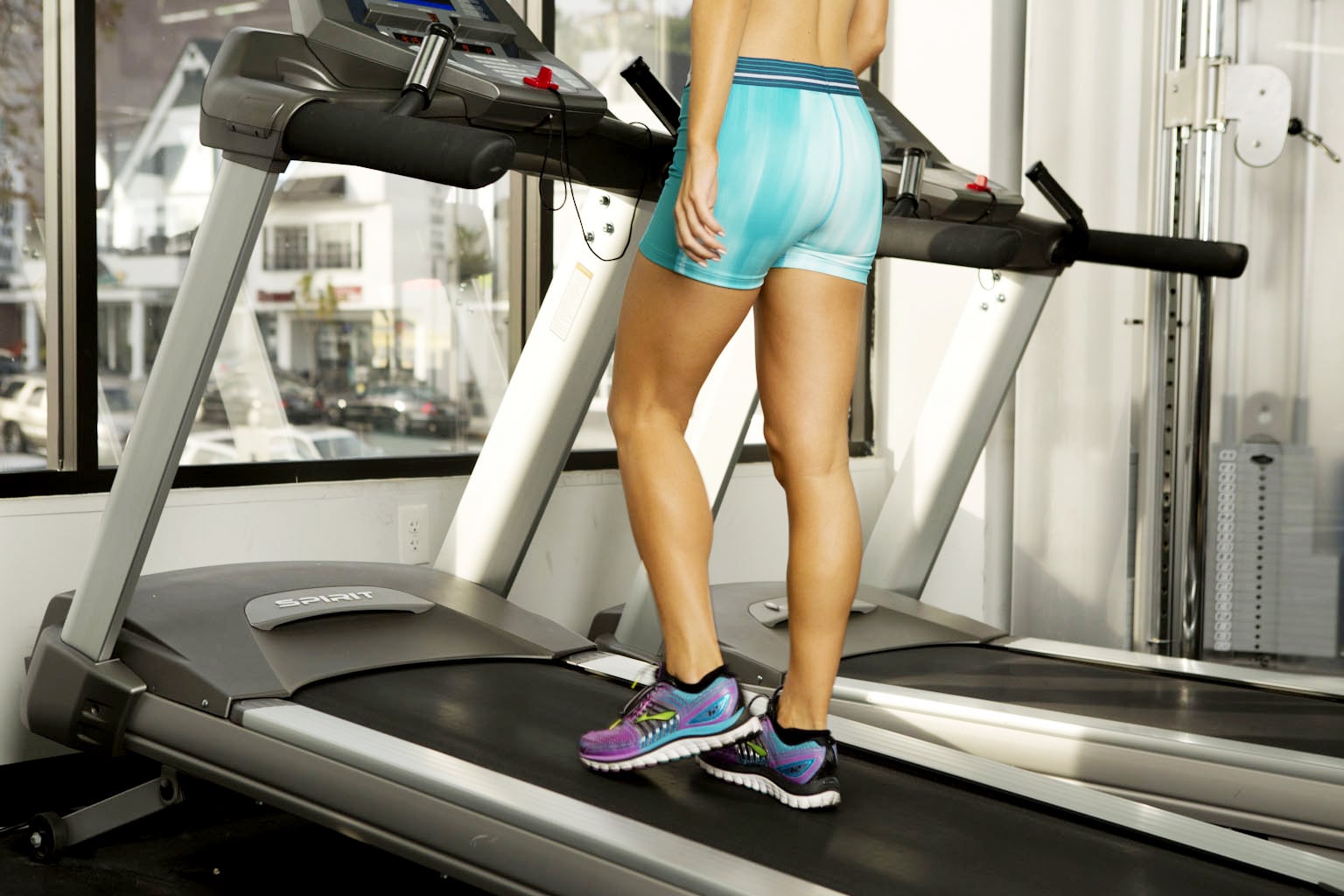
How long does it take to see glute results?
Visible glute results can take several weeks or months. The time depends on your starting point, genetics, training plan, food intake, sleep, and consistency.
You may notice better stamina and stronger legs within two to four weeks. Changes in muscle size often take longer. Many people need at least eight to twelve weeks of consistent training before seeing clear changes.
Track more than appearance. Watch for signs such as:
• A higher incline at the same speed
• Less fatigue during hills
• Better balance
• Stronger legs during squats and lunges
• Improved control on stairs
Progress gradually by increasing one of these factors:
• Incline
• Walking speed
• Workout duration
• Number of intervals
• Weekly training frequency
Do not increase everything at once. Small changes help your body adapt and make your progress easier to measure.
Can incline treadmill walking grow glutes without weights?
It can help, especially if you are new to exercise or return after a long break. Beginners often gain strength from body weight and incline walking alone.
Over time, the glute building effect may slow. Your body adapts to repeated workouts. Once the same incline and speed feel easy, you need a stronger challenge.
You can continue using the treadmill while adding resistance exercises such as:
• Hip thrusts
• Glute bridges
• Bulgarian split squats
• Reverse lunges
• Step ups
• Romanian deadlifts
• Cable kickbacks
A useful weekly plan may include two or three strength sessions and two or three incline treadmill sessions. You can also use incline walking after a weight workout for extra conditioning.
The treadmill is like a hill in your training toolbox. It is useful, but one tool rarely builds the entire result by itself.
Nutrition and recovery for glute growth
Exercise creates the signal for muscle growth, but recovery gives your body the materials to adapt. If you train hard and eat too little, your progress may be limited.
Aim to eat enough total calories to support your goal. If you want to gain muscle, a small calorie surplus may help. If fat loss is your main goal, you can still build some muscle, particularly if you are new to training, but progress may be slower.
Protein is also important. Many active adults can benefit from roughly 1.2 to 2.0 grams of protein per kilogram of body weight each day. Spread protein across meals with foods such as:
• Eggs
• Greek yogurt
• Chicken
• Fish
• Tofu
• Beans
• Lean beef
• Cottage cheese
Sleep matters too. Most adults need at least seven hours of sleep each night. Your muscles do not grow during the workout. They repair and adapt during rest.
Benefits and limitations of incline treadmill training
Incline treadmill workouts offer several benefits beyond glute development.
Benefits
• They are easier on the joints than running for many people.
• You can control the incline and speed with accuracy.
• Indoor training works in heat, rain, and cold.
• Walking uphill can improve cardiovascular fitness.
• The workout can support calorie expenditure.
• Beginners can adjust the challenge quickly.
Limitations
• Incline walking may not provide enough resistance for advanced muscle growth.
• It may overwork the calves or Achilles tendon if increased too quickly.
• Holding the rails can reduce the value of the workout.
• High incline walking can irritate the knees or lower back in some people.
• Treadmill walking does not train every movement pattern needed for strong glutes.
Research on uphill walking supports its use for increasing lower body demand and cardiovascular workload. Still, research on walking alone should not be confused with proof that it creates the same muscle growth as heavy resistance training.
Mistakes to avoid when using an incline treadmill
Avoiding simple mistakes can make your treadmill work more effective.
Using the handrails
Holding the rails supports part of your body weight. It may also change your posture and reduce the work done by your hips.
Choosing too much incline
A 15 percent incline is not required for results. If you cannot walk naturally, reduce the incline and focus on quality.
Walking too fast
Fast walking can turn into a poor version of running. Pick a pace that allows you to push through each step with control.
Training hard every day
Your glutes and calves need time to recover. Hard incline sessions every day may lead to soreness, poor performance, or overuse pain.
Ignoring strength training
If your main goal is larger glutes, include exercises that allow you to progressively increase resistance.
Skipping the warm up
A five minute warm up raises body temperature and prepares your ankles, knees, hips, and heart for the workout.
Is incline treadmill walking safe for everyone?
Incline treadmill walking is safe for many healthy adults when increased gradually. However, people with knee pain, hip problems, balance concerns, heart disease, or recent injuries should ask a qualified health professional before starting hard incline work.
Stop the workout if you feel sharp pain, chest pressure, severe dizziness, or unusual shortness of breath. Muscle fatigue and mild burning are common, but pain is a warning sign.
Start with a low incline and short sessions. Wear supportive shoes and keep the emergency stop clip attached. If you are new to treadmill training, stay near the controls until you feel comfortable.
For people with diabetes or other medical conditions, exercise intensity may need special planning. Individual medical advice is more reliable than a general treadmill plan.
Frequently Asked Questions About Does Incline Treadmill Build Glutes
Does incline treadmill build glutes better than squats?
Incline treadmill walking can strengthen the glutes, but squats usually create more resistance and a stronger muscle growth stimulus. The two exercises work well together because the treadmill improves endurance while squats build strength.
How often should I use an incline treadmill for glutes?
Most people can start with two or three incline treadmill sessions each week. Allow at least one recovery day between hard sessions, especially if your calves and hips feel sore.
What incline is best for building glutes?
A 5 to 12 percent incline works well for many people. Use the highest setting that lets you walk without holding the rails or losing good posture.
Does walking on a 15 incline grow your butt?
Walking at a 15 percent incline can increase glute demand, but it does not guarantee larger glutes. Results depend on effort, consistency, nutrition, recovery, and whether you also use progressive strength training.
Should I use the treadmill before or after glute workouts?
Use the treadmill after strength training if glute growth is your main goal. Doing hard incline walking first may fatigue your legs and reduce your performance during hip thrusts, squats, or lunges.
Can incline treadmill walking reduce belly fat and build glutes?
It can help burn calories and improve fitness, but it cannot target belly fat directly. Fat loss happens across the body, while glute growth comes from training and recovery.
Conclusion
So, does incline treadmill build glutes? Yes, incline walking can strengthen and develop your glutes, particularly when you use enough incline, avoid the handrails, and progress over time. It is also a practical, low impact way to train your lower body and improve fitness.
For the best results, combine incline treadmill work with glute focused resistance exercises, adequate protein, and consistent sleep. Start with two sessions per week, track your incline and speed, and increase the challenge slowly.
Try the approach that fits your fitness level, then share your experience or explore more evidence based training guides for stronger glutes.

Brandon Knoxley is a sport & fitness writer and training guide contributor at MySportFitHub. He focuses on practical workouts, performance-based training, and honest fitness gear insights designed for real people and real results. Brandon is passionate about helping beginners and active individuals train smarter, avoid common mistakes, and build sustainable fitness habits.