How to Choose the Right Sport for Your Body: Ultimate Guide
Choosing the right sport for your body can change the way you feel every day. Imagine finding an activity that matches your strengths, keeps you motivated, and helps you stay injury-free.
Sounds great, right? But how do you know which sport fits you best? This guide will help you discover the perfect match for your body type and lifestyle. Keep reading, and you’ll learn simple steps to unlock your full potential and enjoy every move you make.

Credit: shapeez.com
Assess Your Body Type
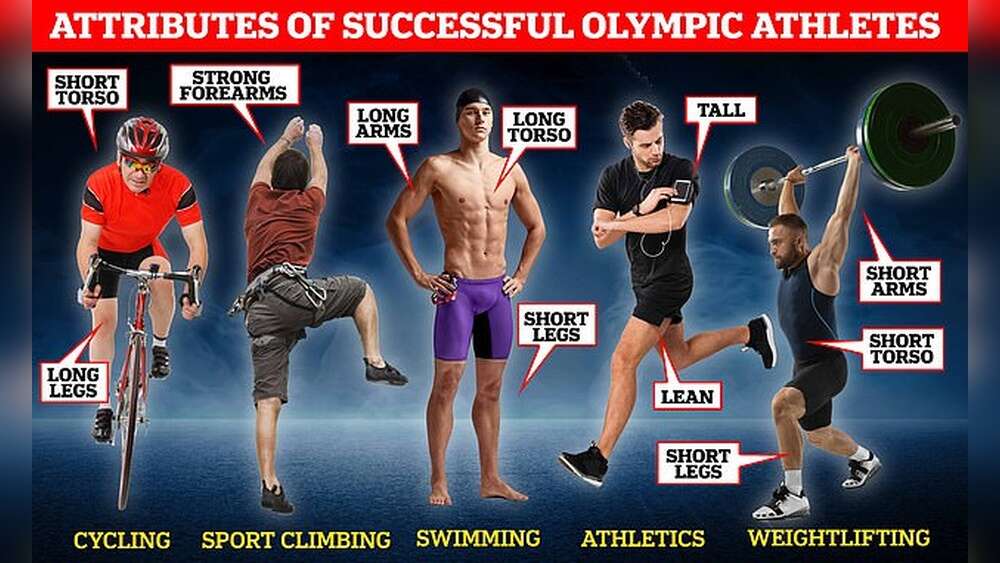
Choosing the right sport starts with understanding your body type. Your body shape affects your strength, speed, and endurance. Knowing your body type helps find sports that suit you best.
There are three main body types. Each has unique traits. These traits influence which sports fit you well.
Ectomorph Traits
Ectomorphs are usually slim with narrow shoulders and hips. They have a fast metabolism and find it hard to gain weight. Their long limbs help with endurance sports like running or cycling. Ectomorphs excel in activities needing speed and stamina.
Mesomorph Traits
Mesomorphs have a naturally muscular build. They gain muscle easily and have broad shoulders. Their bodies are strong and balanced. Sports like swimming, football, and weightlifting suit mesomorphs well. They perform well in power and strength activities.
Endomorph Traits
Endomorphs have a rounder body with more body fat. They may gain weight easily but also have good strength. Endomorphs do well in sports needing power and short bursts of energy. Examples include wrestling, shot put, and sprinting.
Credit: howdyhealth.tamu.edu
Evaluate Your Fitness Level
Evaluating your fitness level helps you find sports that suit your body. It prevents injuries and improves your enjoyment. Knowing your strengths and limits guides you toward the right sport. Three key areas to check are cardiovascular endurance, strength and power, and flexibility and mobility.
Cardiovascular Endurance
Cardiovascular endurance means how well your heart and lungs work during exercise. It shows how long you can keep moving without getting tired. Sports like running, cycling, and swimming need good endurance. Test yourself by walking fast or jogging and see how long you last. Choose sports that match your endurance level to stay motivated.
Strength And Power
Strength is the ability to use your muscles with force. Power means using strength quickly and explosively. Weightlifting, football, and wrestling require strength and power. You can test your strength with simple exercises like push-ups or lifting weights. Pick sports that fit your muscle strength to avoid strain and improve skill.
Flexibility And Mobility
Flexibility is how far your joints and muscles can move. Mobility is the ease of moving those joints. Sports like gymnastics, dance, and martial arts need high flexibility. Stretching tests can show your flexibility level. Choose sports that match your mobility to prevent injuries and enjoy better performance.
Match Sports To Body Strengths
Choosing a sport that fits your body strengths makes exercise more fun and effective. Your natural abilities can guide you to the best sport for you. Understanding your body helps you avoid injuries and enjoy the activity longer.
Best Sports For Endurance
Endurance means keeping your energy up for a long time. Sports like long-distance running, cycling, and swimming build this skill well. These sports need steady breathing and strong heart health. They help improve stamina and overall fitness.
Best Sports For Strength
Strength sports focus on muscle power and force. Weightlifting, wrestling, and shot put are good examples. These sports require strong muscles and good body control. They help increase muscle size and bone strength.
Best Sports For Agility
Agility means quick movements and fast reactions. Soccer, basketball, and tennis demand high agility. These sports improve balance, coordination, and speed. They help you move smoothly in many directions.
Credit: www.russiankyzyl.com
Consider Your Personal Interests
Choosing a sport starts with what you enjoy. Your personal interests guide you to the right fit. Playing a sport you like keeps you motivated and happy. It helps you stick with it for a long time.
Team Sports Vs Individual Sports
Think about whether you like being part of a group. Team sports let you work with others. You share goals and celebrate wins together. These sports teach teamwork and communication skills.
Individual sports focus on your own effort. You control your progress and results. These sports help build self-discipline and focus. Choose what feels best for your personality and mood.
Indoor Vs Outdoor Activities
Consider where you like to play. Indoor sports happen inside a gym or hall. They work well in any weather. These sports often need specific equipment and spaces.
Outdoor sports take place outside. You get fresh air and sunshine. These sports connect you with nature and open spaces. Think about what environment makes you feel good and active.
Factor In Injury History
Thinking about your injury history is important when choosing a sport. Past injuries can affect how your body reacts to certain activities. Ignoring old injuries might cause pain or new damage. Pick sports that suit your body’s current condition. This helps keep you safe and enjoy the sport more.
Common Sport Injuries
Some injuries happen often in sports. Sprains and strains affect muscles and ligaments. Knee injuries like ACL tears are common in running and jumping sports. Shoulder injuries happen in swimming and throwing sports. Knowing common injuries helps you avoid risky sports.
Preventing Re-injury
Preventing re-injury is key for long-term health. Warm up properly before sports to prepare your body. Use the right gear to protect injured areas. Strengthen muscles around old injuries with exercises. Rest enough to let your body heal fully. Talk to a doctor or trainer about safe activities.
Test And Adapt Your Choice
Choosing the right sport for your body is a process. It takes time and patience. Testing and adapting your choice helps you find what fits best. This step lets you explore different sports and notice how your body reacts. Adjustments help improve comfort and performance. The key is to stay open to change and learn from experience.
Trial Period Strategies
Start with a trial period for each sport you want to try. Give yourself at least two to four weeks. This time allows your body to adjust and react. Keep a simple journal. Write down how you feel during and after each session. Note energy levels, pain, and enjoyment. Use this information to compare sports.
Try different times of the day. See if mornings or evenings suit you better. Change the intensity and duration. Find what feels right without causing injury. Ask a coach or trainer for tips. They can help you improve and avoid mistakes.
Listening To Your Body
Your body gives clear signals. Pay close attention to aches and pains. Some discomfort is normal, but sharp pain is a warning. Rest or stop if pain lasts or worsens. Notice your breathing and heart rate. Sports that match your fitness level feel manageable.
Watch for signs of fatigue or stress. Balance activity with rest days. Enjoyment and energy after exercise show a good match. Trust your instincts. Your body knows what works best for you.
Frequently Asked Questions
What Factors Determine The Best Sport For My Body Type?
Your body type affects your strength, endurance, and flexibility. Choose sports that complement your physical traits for better performance and injury prevention.
How Can I Assess My Physical Strengths For Sports?
Evaluate your endurance, speed, strength, and flexibility through simple tests. Knowing your strengths helps in selecting sports that suit your abilities.
Which Sports Are Ideal For Tall Individuals?
Tall individuals often excel in basketball, volleyball, rowing, and swimming due to their reach and leverage advantages.
Can Body Flexibility Influence Sport Choice?
Yes, sports like gymnastics, yoga, and martial arts require high flexibility. Assess your flexibility to pick suitable sports.
Conclusion
Choosing the right sport suits your body and keeps you active. Think about what feels good and what you enjoy. Try different sports to find your best fit. Your body will thank you with better health and energy. Stay consistent and listen to your needs.
Enjoy the process and have fun moving. The right sport can make exercise simple and joyful. Keep exploring until you find what fits you well.

Brandon Knoxley is a sport & fitness writer and training guide contributor at MySportFitHub. He focuses on practical workouts, performance-based training, and honest fitness gear insights designed for real people and real results. Brandon is passionate about helping beginners and active individuals train smarter, avoid common mistakes, and build sustainable fitness habits.