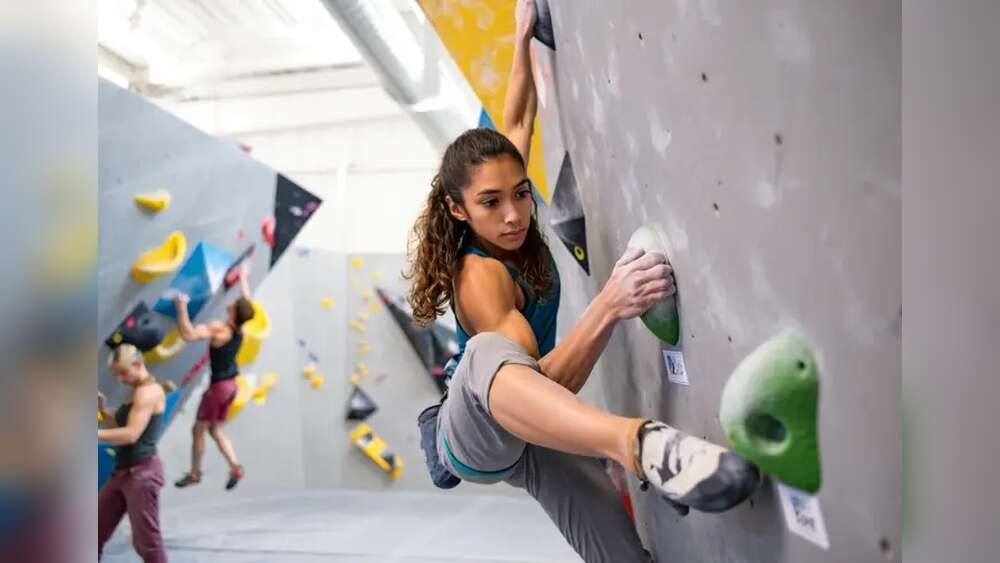
How to Progress from Beginner to Intermediate Sports: Ultimate Guide
Are you tired of feeling stuck in your sports routine? Moving from beginner to intermediate can be challenging, but it’s the key to unlocking your true potential.
Imagine playing with more confidence, skill, and energy every time you hit the field or court. You’ll discover simple, effective steps to level up your game and stay motivated along the way. Ready to see real progress? Let’s dive in and make your sports journey exciting and rewarding.
Setting Clear Goals
Setting clear goals helps you move from beginner to intermediate in sports. Goals give you focus and a sense of direction. They make your training more effective. Without clear goals, progress feels slow and confusing.
Goals break your journey into small, manageable steps. Each step builds confidence and skill. Setting goals also keeps you motivated and accountable. It helps track your improvements over time.
Short-term Milestones
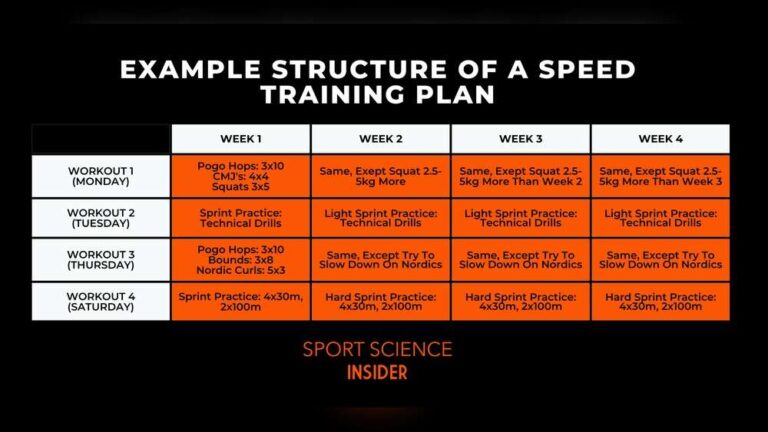
Short-term milestones are small targets you reach quickly. They keep your energy high and your mind sharp. For example, improving your sprint time by one second or mastering a new technique in a week. These milestones show steady progress. They make big goals less scary and easier to handle.
Focus on skills you can measure easily. Record your achievements to see how far you’ve come. Celebrate these small wins to stay encouraged.
Long-term Objectives
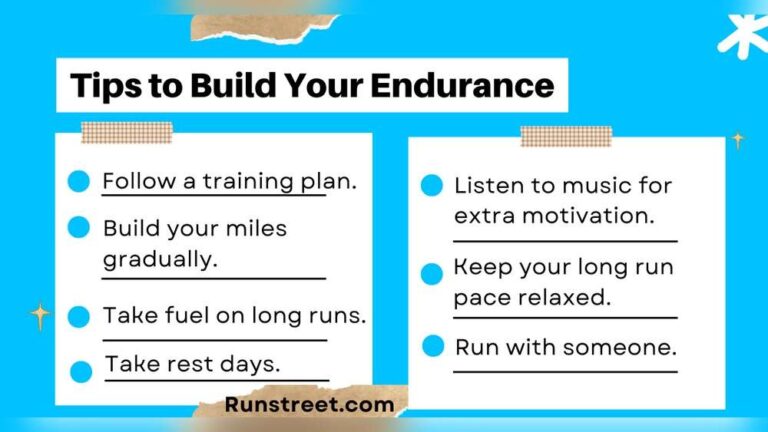
Long-term objectives are your main goals over months or years. They guide your overall training plan. Examples include competing in a local tournament or increasing endurance to run 5 kilometers. These goals require patience and steady effort.
Break long-term goals into smaller steps. This keeps you motivated and helps avoid burnout. Keep reviewing and adjusting these objectives as you improve. Clear long-term goals give your sports journey purpose and meaning.
Building A Strong Foundation
Building a strong foundation is the first step in advancing from beginner to intermediate in any sport. It sets the base for future skills and helps prevent injuries. Focusing on fundamentals improves confidence and overall performance.
Without solid basics, progress becomes harder. Training the right way early on saves time and effort later. Concentrate on key areas that support growth in your chosen sport.
Mastering Basic Techniques
Basic techniques form the core of any sport. Practice simple movements until they feel natural. Repetition helps build muscle memory and control.
Focus on posture, balance, and coordination. These elements improve accuracy and reduce mistakes. Watching videos or getting feedback can guide your practice. Take time to perfect each step before moving on.
Improving Physical Fitness
Physical fitness supports skill development and endurance. Strength, flexibility, and stamina all play a role in sports performance.
Start with exercises that increase overall strength and cardiovascular health. Stretch regularly to improve flexibility and avoid injuries. Consistent fitness routines boost energy levels for practice and competition.
Enhancing Skill Development
Enhancing skill development is key to moving from beginner to intermediate sports levels. It involves practicing more complex techniques and improving control. Focus and consistent effort help build confidence and ability.
Progress needs new challenges. Skills sharpen through practice and correction. Understanding how to train smart is essential for steady growth.
Advanced Drills And Exercises
Advanced drills push your limits. They target specific skills and improve precision. Try drills that require quick thinking and fast reactions. Use exercises that mimic real game situations. This helps skills become natural and automatic.
Practice with different equipment or surfaces. Change the speed and intensity of drills. These changes make your body adapt and improve. Doing varied exercises reduces boredom and keeps motivation high.
Incorporating Feedback
Feedback guides your progress. Listen carefully to coaches and teammates. They see mistakes you might miss. Use their advice to adjust your technique.
Record your practice sessions. Watch the videos to spot errors and strengths. Track improvements over time. This helps set clear goals for your next practice.

Credit: www.amazon.com
Developing Mental Toughness
Mental toughness is key to moving from beginner to intermediate in sports. It helps athletes stay strong during tough moments. Building mental strength means training your mind to focus and handle stress. This skill improves performance and boosts confidence. Developing mental toughness takes time and practice. It requires discipline and positive thinking.
Focus And Concentration
Focus means paying full attention to the task. Concentration stops distractions from breaking your flow. Practicing focus helps athletes react faster and make better decisions. Simple drills, like breathing exercises or visualization, can improve concentration. Try to block out noises and thoughts during training. Stay present in every moment of play. Good focus leads to better skills and results.
Handling Pressure
Pressure can cause fear and mistakes. Learning to stay calm under pressure is essential. Deep breathing slows the heart and clears the mind. Positive self-talk builds confidence and reduces stress. Practice pressure situations in training to get used to them. Remember, pressure is part of sports. Use it to push yourself, not to stop you.
Effective Training Routines
Effective training routines help athletes move from beginner to intermediate levels. These routines build skill, strength, and confidence. They focus on consistent practice and smart rest. A balanced approach prevents injury and boosts progress.
Structured Practice Sessions
Plan your practice with clear goals. Break down skills into small, easy steps. Practice each step slowly and carefully. Repeat these steps until they feel natural. Use drills that challenge your weak points.
Keep sessions short but focused. End each session with a review of what you learned. Track your progress to stay motivated. Structured practice helps your body and mind adapt faster.
Balancing Rest And Recovery
Rest is as important as training. Muscles grow stronger during rest, not practice. Take at least one full day off per week. Use light activities like walking or stretching on rest days.
Sleep well to allow your body to heal. Avoid overtraining, which causes fatigue and injury. Listen to your body’s signals and adjust your routine. Good recovery leads to steady improvement.

Credit: www.youtube.com
Nutrition And Hydration Tips
Nutrition and hydration are key to improving in sports. They give your body energy and help it recover. Eating well and drinking enough water make training more effective. These tips will help you eat and drink right as you move from beginner to intermediate level.
Fueling For Performance
Eat a balanced mix of carbs, proteins, and fats. Carbs give quick energy for workouts and games. Proteins help build and repair muscles. Healthy fats support long-lasting energy and brain health.
Choose whole grains, lean meats, vegetables, and fruits. Avoid too much sugar and processed foods. Eat small meals or snacks before and after exercise. This keeps your energy steady and aids recovery.
Staying Hydrated
Drink water regularly throughout the day. Dehydration lowers your strength and focus. Drink before, during, and after physical activity. For long workouts, consider sports drinks to replace lost salts.
Watch for signs like dry mouth and tiredness. Drink even if you don’t feel very thirsty. Proper hydration helps your body perform better and recover faster.
Tracking Progress
Tracking progress is key to moving from beginner to intermediate in sports. It helps you see how far you have come. It shows what works and what needs change. This keeps your training focused and effective. Progress tracking builds motivation and confidence. It turns goals into clear steps.
Using Performance Metrics
Performance metrics are numbers that show your sports ability. These include speed, strength, accuracy, and endurance. Measuring these regularly helps spot improvements and weaknesses. Use simple tools like stopwatches or apps for data. Write down results after each session. This practice creates a clear picture of your growth. It helps set realistic goals for the next stage.
Adjusting Training Plans
Training plans must change based on your progress. Use the data from your metrics to guide changes. Increase difficulty or add new exercises as you improve. Rest and recovery days are important too. Avoid pushing too hard to prevent injury. Small adjustments keep your body challenged and growing. A flexible plan fits your changing needs and goals.
Seeking Expert Guidance
Seeking expert guidance is a key step to move from beginner to intermediate sports. Experts can help you improve faster and avoid common mistakes. They give advice based on experience and knowledge. Learning from others who know more saves time and effort.
Coaches And Trainers
Coaches and trainers offer structured lessons and feedback. They spot errors you might miss and suggest corrections. Working with a coach builds confidence and skill. Trainers design workouts that match your level and goals. Regular sessions keep you motivated and on track.
Learning From Peers
Peers provide support and share useful tips. Playing or practicing with others helps you learn new techniques. Watching peers perform teaches you different styles and moves. Friendly competition pushes you to try harder. Group practice creates a positive learning environment.
Staying Motivated
Staying motivated is key to moving from beginner to intermediate sports. Many athletes start strong but lose drive over time. Finding ways to keep motivation high helps maintain steady progress. Motivation pushes you to train harder and improve skills. It also keeps the joy alive in sports. Without motivation, progress slows or stops.
Overcoming Plateaus
Plateaus are common in sports progress. You may feel stuck and not improve for a while. This can be frustrating and cause loss of interest. Break plateaus by changing your routine. Try new drills or increase training intensity. Small changes refresh your body and mind. Set short-term goals to measure small wins. This keeps motivation strong and progress moving.
Celebrating Achievements
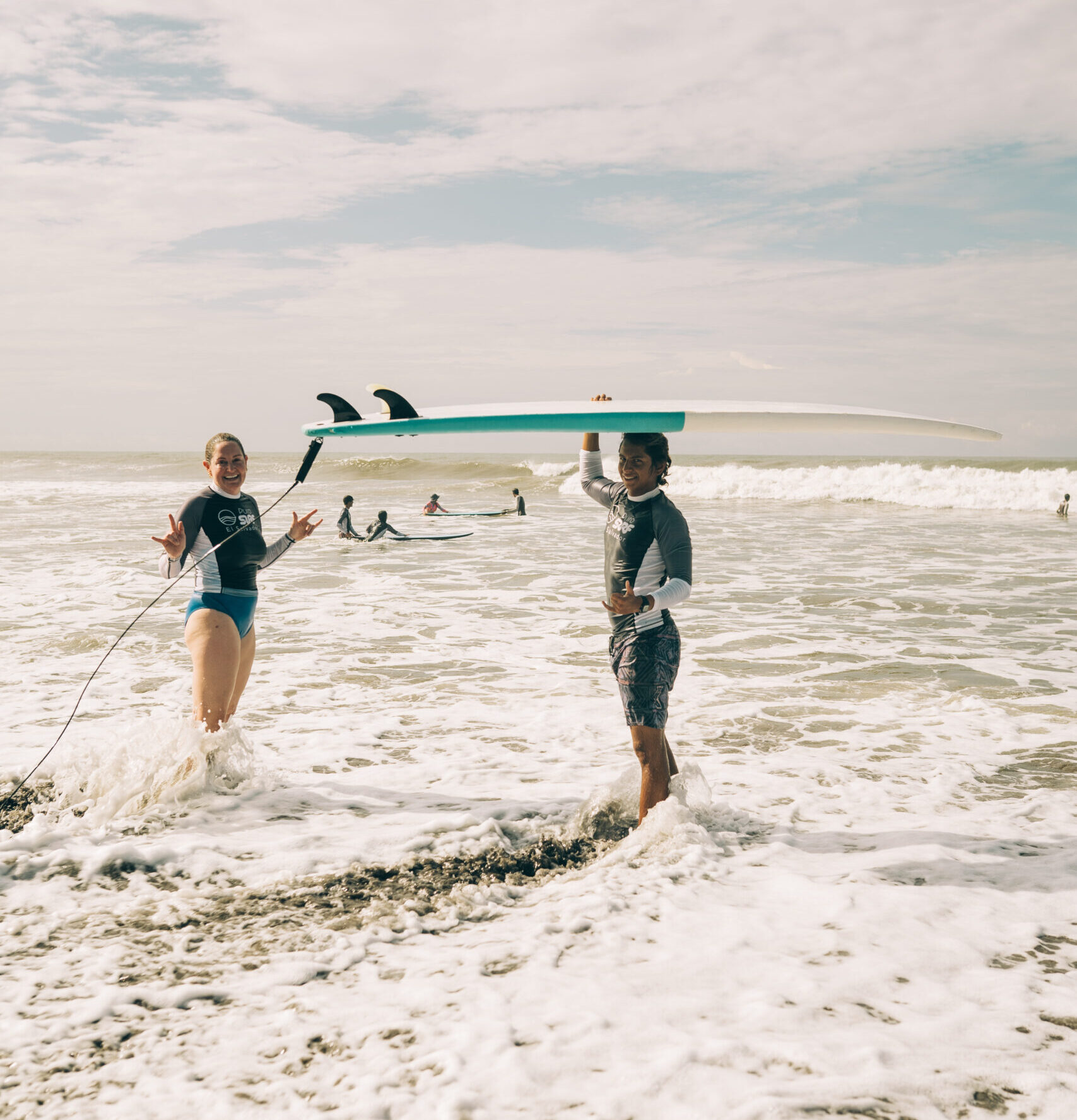
Recognizing your progress fuels motivation. Celebrate small victories like mastering a skill or improving time. Reward yourself in simple ways after reaching goals. This creates positive feelings around your sport. Sharing achievements with friends or teammates also boosts morale. Each success builds confidence and encourages you to keep going.
Credit: www.purosurf.com
Frequently Asked Questions
What Are The First Steps To Move From Beginner To Intermediate Sports?
Start by mastering basic skills and understanding game rules. Practice regularly, focus on improving technique, and gradually increase training intensity. Seek feedback from coaches to identify areas for improvement. Consistency and patience are key to progressing effectively in sports.
How Can I Improve My Sports Skills Faster?
Set clear goals and follow a structured training plan. Use drills that target specific skills and practice them daily. Watch tutorials or learn from experienced players. Track your progress and adjust your training to overcome weaknesses efficiently.
What Role Does Fitness Play In Advancing Sports Levels?
Physical fitness boosts endurance, strength, and agility, essential for intermediate sports. Incorporate cardio, strength training, and flexibility exercises into your routine. A fit body improves performance and reduces injury risk, helping you progress confidently.
How Important Is Mental Training For Sports Progression?
Mental training enhances focus, confidence, and stress management. Techniques like visualization, goal setting, and mindfulness help maintain motivation and overcome challenges. A strong mindset is crucial for consistent improvement in sports performance.
Conclusion
Progressing from beginner to intermediate sports takes time and effort. Practice regularly and focus on improving skills step by step. Set small goals to stay motivated and track your progress. Listen to your body and avoid pushing too hard too fast.
Find a coach or training partner to guide you along the way. Remember, patience and consistency bring steady improvement. Enjoy the journey and celebrate each success, no matter how small. Keep learning and stay curious about new techniques. Sports growth happens with dedication and a positive mindset.
Keep moving forward, one step at a time.

Brandon Knoxley is a sport & fitness writer and training guide contributor at MySportFitHub. He focuses on practical workouts, performance-based training, and honest fitness gear insights designed for real people and real results. Brandon is passionate about helping beginners and active individuals train smarter, avoid common mistakes, and build sustainable fitness habits.