What Does Treadmill Running Do: Benefits And Results
Treadmill running strengthens your heart, burns calories, builds endurance, and supports better health in a controlled setting.
What does treadmill running do beyond making you sweat? It gives you a steady, measurable way to improve fitness, manage body weight, train for races, and protect your joints from uneven outdoor ground. This guide explains the benefits, limits, best workouts, and safety tips so you can use a treadmill with confidence.
What Does Treadmill Running Do for Your Body?
Treadmill running is aerobic exercise. It makes your heart beat faster and your lungs work harder to deliver oxygen to your muscles. Over time, this can improve cardiovascular fitness and make daily tasks feel easier.
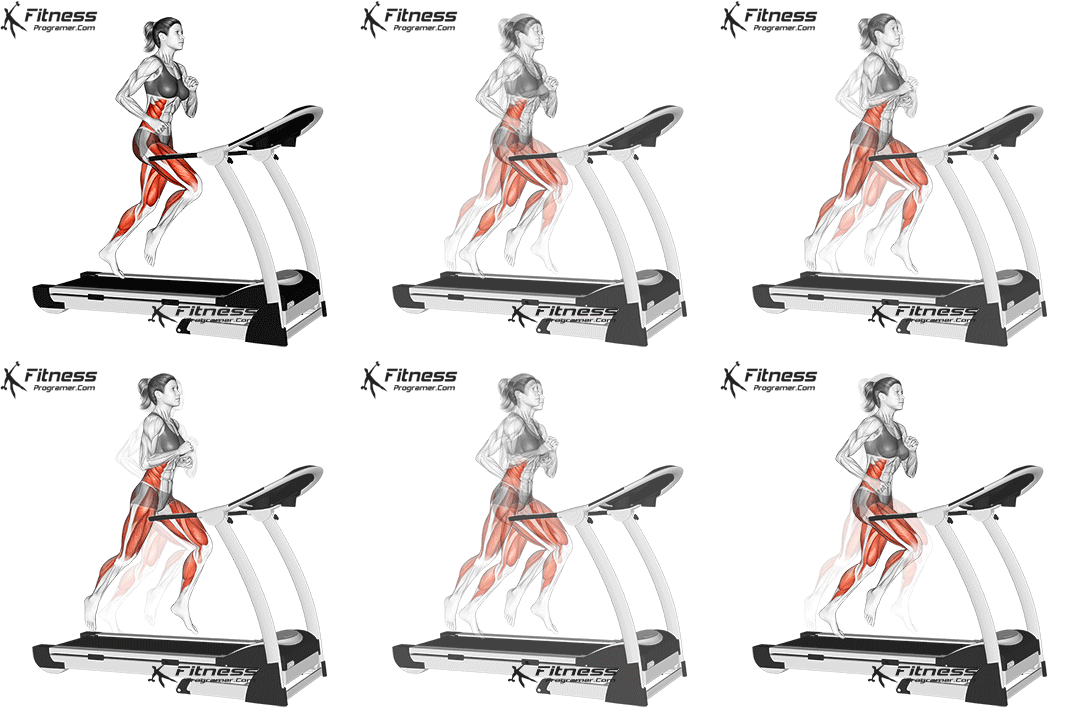
What does treadmill running do to your muscles? It mainly works your calves, hamstrings, quadriceps, glutes, and hip muscles. Your core also helps keep your body steady, especially when you increase speed or incline.
Regular treadmill workouts may help you:
• Improve heart and lung fitness
• Burn energy and support weight control
• Strengthen the lower body
• Increase running speed and stamina
• Improve mood and reduce stress
• Build a steady exercise habit
• Train safely in any season
The treadmill also gives you control over speed, incline, and workout time. That control makes it useful for beginners, busy adults, older exercisers, and experienced runners.

Cardiovascular Benefits of Treadmill Running
One of the biggest answers to “what does treadmill running do?” is that it challenges the cardiovascular system. As your fitness improves, your heart can pump blood more efficiently, and your body can use oxygen better.
A steady treadmill run can raise your heart rate into a moderate or vigorous training range. The right range depends on your age, health, fitness level, and workout goal. You should still be able to speak in short sentences during a moderate run, but talking may become difficult during hard intervals.
Regular aerobic exercise is linked with a lower risk of heart disease, high blood pressure, and Type 2 diabetes. Health guidelines commonly recommend at least 150 minutes of moderate aerobic activity or 75 minutes of vigorous activity each week, along with strength training.
Treadmill running may also improve:
• Resting heart rate
• Circulation
• Aerobic capacity
• Blood pressure control
• Recovery after exercise
• Energy during daily activities
You do not need to run hard every day. A brisk walk, light jog, or short interval session can still support heart health. Consistency matters more than trying to finish every workout exhausted.

Does Treadmill Running Burn Calories and Reduce Belly Fat?
What does treadmill running do for weight loss? It burns calories and can help create the energy deficit needed for fat loss. However, no exercise can choose exactly where your body loses fat.
The number of calories you burn depends on several factors:
• Your body weight
• Running speed
• Incline level
• Workout length
• Fitness level
• How often you train
Running usually burns more calories per minute than walking because it requires more effort. Still, walking at a steep incline can create a demanding workout with less impact than fast running.
For example, a person may use a mix of brisk walking, jogging, and short running intervals. This approach can burn energy without making the workout feel overwhelming. Pairing exercise with a balanced diet is usually more effective than trying to “run off” large meals.
A practical fat loss plan may include:
- Two or three treadmill sessions each week
- Two strength workouts each week
- Meals with protein, fiber, fruits, and vegetables
- Enough sleep and water
- A slow increase in weekly exercise
Avoid judging progress by sweat alone. Sweat mainly shows that your body is cooling itself. It does not prove that you burned a large amount of fat.

What Muscles Does Treadmill Running Work?
What does treadmill running do for your legs? It repeatedly loads the muscles that push your body forward and help you absorb each step.
The quadriceps straighten your knee and help control your landing. The hamstrings assist with hip movement and knee bending. Your glutes help extend your hips, while your calves push against the belt during each stride.
Your abdominal and back muscles also work in the background. They help maintain posture and control your pelvis. Arm movement adds balance and rhythm, although the main workload stays in the lower body.
Incline walking or running increases the demand on your glutes and calves. It can feel like climbing a long hill. A lower incline with a faster speed may place more focus on running rhythm and cardiovascular strain.
Treadmill running does not replace strength training. Running can make your legs stronger and more durable, but lifting weights or using resistance bands is better for building maximum muscle strength.
For balanced fitness, include movements such as:
• Squats
• Step ups
• Lunges
• Calf raises
• Hip hinges
• Planks
• Pushups
A common mistake is to increase speed while ignoring posture. Keep your chest open, look forward, and let your arms swing naturally. Do not hold the front bar unless you need support for safety.

Treadmill Running and Joint Health
What does treadmill running do to your joints? It creates repeated impact through the feet, ankles, knees, and hips. For many healthy adults, the body can adapt well to this stress when training increases slowly.
Modern treadmills often have a slightly softer surface than concrete. This may feel more comfortable, but it does not remove all impact. Your shoes, running form, body weight, training history, and speed also affect joint stress.
Treadmill walking is often easier on the joints than running. If you have knee pain, hip pain, arthritis, or a previous injury, begin with short walking sessions and speak with a health professional before starting hard runs.
Helpful ways to reduce unnecessary strain include:
• Warm up for five to ten minutes
• Use comfortable, supportive shoes
• Keep your steps light and controlled
• Avoid sudden speed increases
• Add rest days between hard sessions
• Stop if pain changes your walking pattern
• Replace worn shoes when the cushioning breaks down
Normal muscle tiredness is different from sharp pain. Pain that persists, worsens, or causes swelling deserves medical attention.
Does Treadmill Running Improve Speed and Endurance?
What does treadmill running do for performance? It lets you practice speed, pacing, and endurance with precise control.
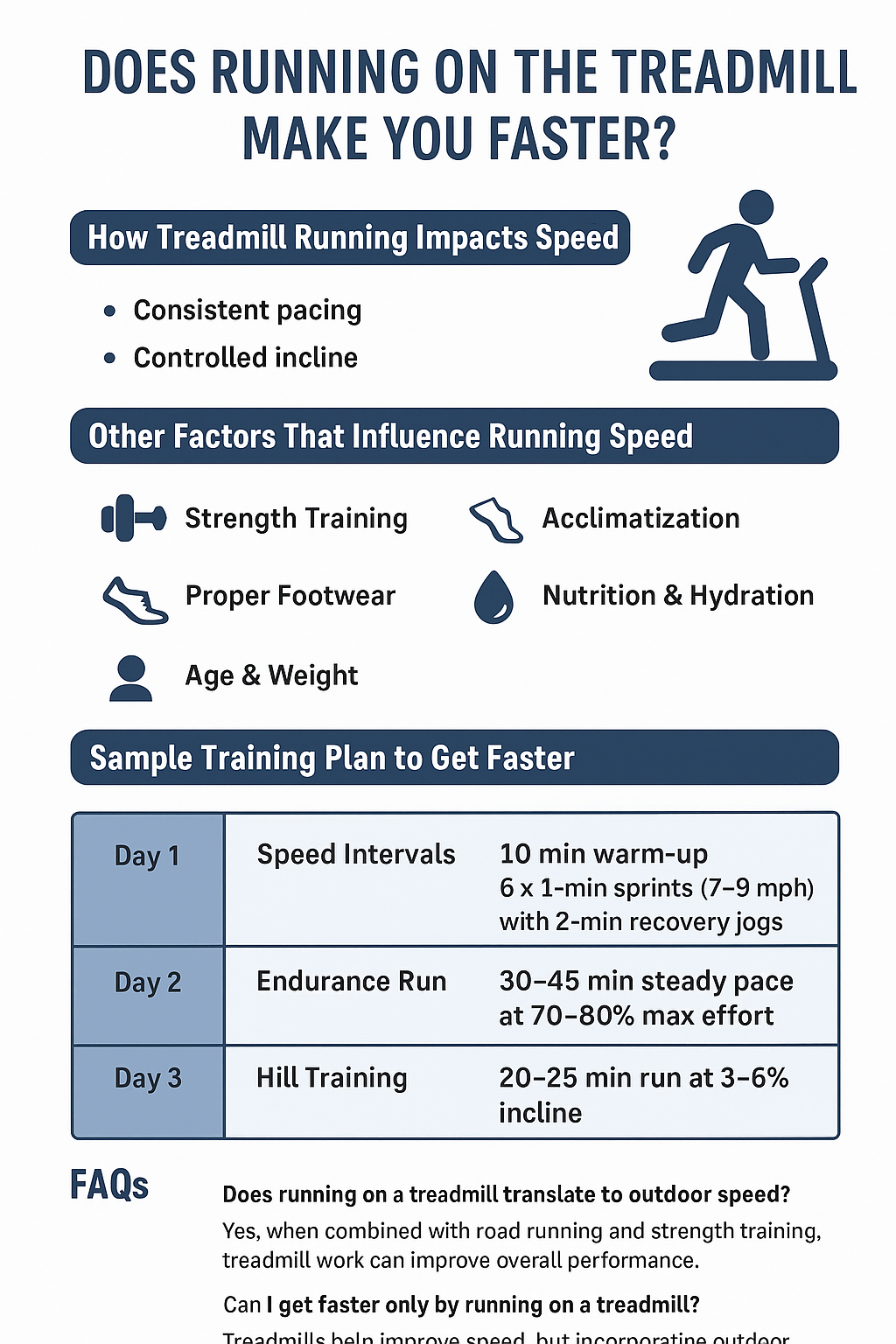
You can set a steady pace and learn how it feels to hold that speed. This is useful for race training because the belt gives you instant feedback. You can also use intervals, such as one minute of fast running followed by two minutes of easy jogging.
Try these simple workouts:
Easy endurance workout
• Warm up for five minutes
• Run at a comfortable pace for 20 to 30 minutes
• Cool down for five minutes
You should be able to speak in short sentences. This workout builds your aerobic base.
Beginner interval workout
• Warm up for five minutes
• Jog for one minute
• Walk for two minutes
• Repeat six to eight times
• Cool down for five minutes
This plan helps new runners build confidence without running continuously.
Speed interval workout
• Warm up for ten minutes
• Run hard for 30 seconds
• Jog easily for 90 seconds
• Repeat six to ten times
• Cool down for five to ten minutes
Use hard intervals sparingly. One or two sessions each week is enough for most people. Your easy days should remain easy so your body can recover.
A lesson many runners learn late is that more speed is not always better. The best training plan balances easy work, challenging work, rest, and strength training.
Treadmill Running Versus Outdoor Running
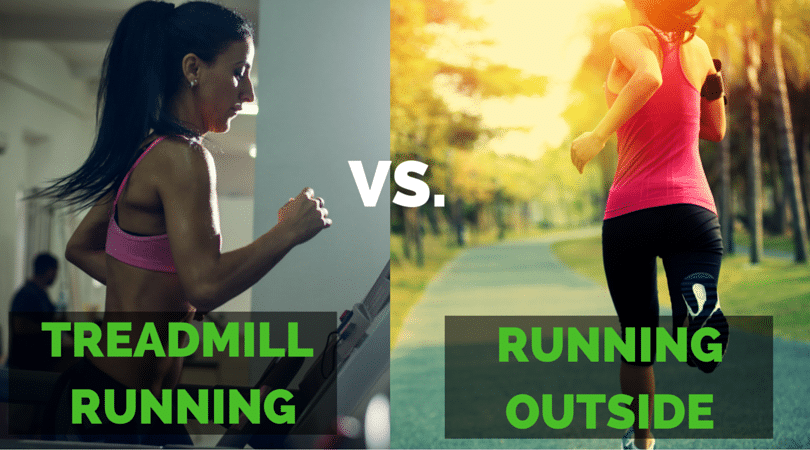
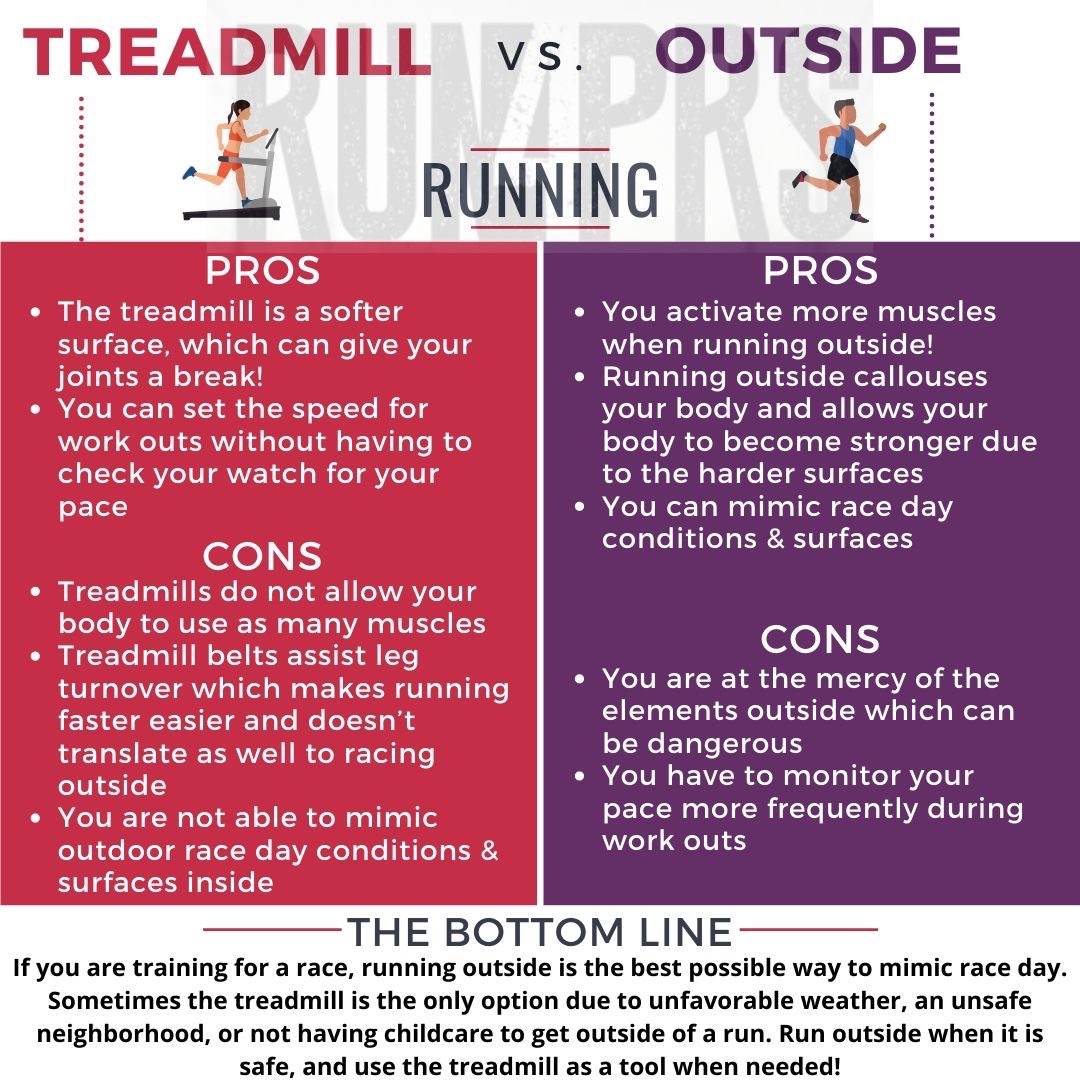
What does treadmill running do differently from outdoor running? It offers a stable surface, steady pacing, and protection from rain, heat, cold, traffic, and poor lighting.
Outdoor running requires you to deal with hills, wind, turns, and changing surfaces. These conditions may challenge balance and small stabilizing muscles more than a flat treadmill does. Outdoor running can also feel more mentally refreshing because the scenery changes.
The treadmill has its own advantages:
• You can stop quickly
• You can track speed and incline
• You can exercise in private
• You can train at any time
• You can avoid unsafe weather
• You can control the workout closely
However, treadmill running may feel easier because the belt moves beneath you. A small incline of about 1% is sometimes used to better match outdoor air resistance, especially during faster running. It is not required for every workout, and the best setting depends on your goal.
Both options are valuable. Choose the one that helps you exercise regularly. The most effective workout is usually the one you can perform safely and repeat over time.
How to Use Incline on a Treadmill
Incline changes what does treadmill running do to your body. A higher incline increases the work required from your calves, glutes, and heart.
Incline walking can provide a strong workout at a slower speed. This may be useful for people who want less impact or who are returning to exercise. It can also help runners build hill strength.
Start with a small incline, such as 1% to 3%. Increase it only when your form remains steady. Avoid leaning far back or gripping the handrails, since this can reduce the true workload and place stress on your posture.
Try this incline workout:
- Walk for five minutes at 0% incline
- Walk for three minutes at 3% incline
- Walk for two minutes at 1% incline
- Repeat four times
- Cool down at 0% incline
You can later add short periods at 5% to 8%, but high inclines are not necessary for everyone. If you feel pain in your Achilles tendon, calves, or lower back, reduce the incline and review your form.
Treadmill Running for Mental Health
What does treadmill running do for your mind? It can improve mood, reduce stress, and provide a regular break from work or daily pressure.
Exercise may support the release of brain chemicals linked with positive mood. It can also improve sleep quality and give you a sense of progress. Even a 15-minute walk may feel helpful on a difficult day.
A treadmill can be especially useful when outdoor conditions make exercise hard. You can listen to music, follow a guided workout, or watch a show while moving. Still, keep your attention on your form and the belt, especially when changing speed.
One practical mental health tip is to set a small goal. Instead of saying, “I must run for an hour,” try, “I will walk for ten minutes.” Small wins often create the momentum needed to continue.
Exercise can support mental well-being, but it is not a replacement for professional care. If anxiety, depression, or hopelessness continues, contact a qualified health provider.

Treadmill Running Safety Tips
What does treadmill running do when you use poor technique or progress too fast? It can increase the risk of blisters, muscle strains, tendon problems, and falls. Good habits reduce that risk.
Follow these safety steps:
• Keep the emergency stop clip attached
• Wear shoes made for walking or running
• Start at a slow speed
• Step onto the belt only when it is moving slowly or stopped
• Keep children and pets away from the machine
• Avoid sudden jumps in speed or incline
• Drink water before and after training
• Stop if you feel dizzy, faint, or unusually short of breath
Use the handrails only when you need help with balance. Holding them during a steep incline can change your posture and make the workout less natural.
Beginners should increase either workout time or intensity, not both at once. A useful rule is to add small amounts of training each week and take an easier week when your body feels unusually tired.
People with heart disease, uncontrolled blood pressure, diabetes, pregnancy-related concerns, or major joint problems should ask a health professional for personalized guidance.
How Often Should You Run on a Treadmill?
What does treadmill running do when you practice it regularly? It builds fitness through repeated, manageable stress followed by recovery.
A beginner may start with three sessions per week. Each session can include walking, jogging, or short run and walk intervals. Leave at least one rest or easy day between harder workouts.
A simple weekly plan may look like this:
• Monday: 20-minute easy walk or jog
• Tuesday: Strength training
• Wednesday: Rest or gentle walking
• Thursday: Run and walk intervals
• Friday: Strength training
• Saturday: 25 to 40-minute easy treadmill session
• Sunday: Rest
This plan is only a guide. Your schedule should match your current fitness, health, sleep, and other activities.
If you are training for a race, add one longer easy session and one speed session each week. Keep most of your running at an easy pace. Many runners improve more when they stop treating every workout like a test.
Common Treadmill Running Mistakes
Several small mistakes can make treadmill training less safe or less effective.
Running too fast too soon
New runners often copy the pace of experienced athletes. This can lead to soreness and burnout. Start at a speed you can control, then build gradually.
Skipping the warmup
Cold muscles are less prepared for sudden effort. Walk for five to ten minutes before jogging or running fast.
Holding the handrails
The rails can make a steep workout feel easier than it really is. They may also change your stride and posture. Use them for balance, not to support your body throughout the workout.
Ignoring recovery
Fitness improves when your body repairs itself after exercise. Rest days are part of training, not a sign of weakness.
Chasing calorie numbers
Treadmill calorie displays are estimates. They may not account for body composition, fitness level, handrail use, or machine accuracy. Use them as a rough guide rather than a precise measurement.
Frequently Asked Questions About What Does Treadmill Running Do
Does treadmill running reduce belly fat?
Treadmill running can help reduce overall body fat by burning calories and supporting an energy deficit. It cannot target belly fat alone, so nutrition, strength training, sleep, and time also matter.
Is treadmill running good for weight loss?
Yes, treadmill running can support weight loss when it is combined with a suitable eating pattern. The best workout is one you can perform regularly without causing injury or extreme fatigue.
Can treadmill running build leg muscles?
Treadmill running can strengthen and improve the endurance of your calves, hamstrings, quadriceps, and glutes. It usually does not build as much muscle as progressive strength training with weights.
Is treadmill running better than walking?
Running burns more calories per minute and creates a stronger cardiovascular challenge, but walking is easier to recover from. The better option depends on your goals, fitness level, joints, and personal preference.
How long should I run on a treadmill?
Beginners can start with 15 to 25 minutes, including walking breaks. As fitness improves, many people can gradually work toward 30 to 45 minutes, provided they recover well.
Can I use a treadmill every day?
You can walk on a treadmill every day if your body tolerates it, but hard running every day may increase injury risk. Mix easy sessions with rest, strength training, or low impact exercise.
What incline should I use when running on a treadmill?
A flat setting is fine for many workouts, while a 1% incline may add a small outdoor-style challenge. Use higher inclines for controlled hill training, but increase them gradually and keep good form.
Conclusion
What does treadmill running do? It strengthens your cardiovascular system, works major leg muscles, burns calories, improves endurance, and can support both physical and mental health. Its greatest advantage is control: you can adjust the pace, incline, duration, and difficulty to match your needs.
Start with a comfortable workout, warm up well, and increase your training slowly. Mix easy runs with intervals, strength work, and rest so your progress stays steady. Choose a plan you can enjoy and repeat, then track how your energy, pace, and fitness improve.
Try a simple treadmill session this week and share which workout works best for you.

Brandon Knoxley is a sport & fitness writer and training guide contributor at MySportFitHub. He focuses on practical workouts, performance-based training, and honest fitness gear insights designed for real people and real results. Brandon is passionate about helping beginners and active individuals train smarter, avoid common mistakes, and build sustainable fitness habits.