
How to Train Sports Indoors Beginners: Ultimate Guide to Get Started
Are you looking to improve your sports skills but can’t always head outside? Training indoors can be just as effective, especially if you know the right techniques.
Whether you’re new to sports or just want to keep active when the weather isn’t on your side, this guide will show you simple, practical ways to train indoors. You’ll discover easy exercises that fit your space and boost your strength, agility, and focus.
Keep reading, and you’ll find out how to turn your home into the perfect training ground—no fancy equipment needed. Your path to better performance starts here.
Credit: ivhog.org
Benefits Of Indoor Sports Training
Indoor sports training offers many benefits for beginners. It creates a perfect space to learn and practice skills. This type of training helps build confidence and improve technique. Training indoors also allows for regular practice without many obstacles.
Convenience And Accessibility
Indoor sports facilities are easy to reach. You can train anytime that suits your schedule. No need to wait for good weather or daylight. This convenience helps beginners stay consistent. It also saves travel time and energy.
Weather-independent Practice
Rain, snow, or extreme heat do not stop indoor training. The environment stays the same all year. This means you can train every day without interruptions. Continuous practice leads to faster improvement. No weather changes mean fewer cancellations and delays.
Controlled Environment Advantages
Indoor training gives a stable and safe place to practice. The floor and lighting are designed for sports. This reduces the risk of injury for beginners. Coaches can control many factors to help learning. It also allows focus on skill development without distractions.
Essential Equipment For Beginners
Starting indoor sports training needs the right tools. Beginners must have essential equipment to train safely and effectively. Having the right gear helps improve skills faster and keeps motivation high. This section covers the key items beginners need for indoor sports training.
Basic Gear For Different Sports
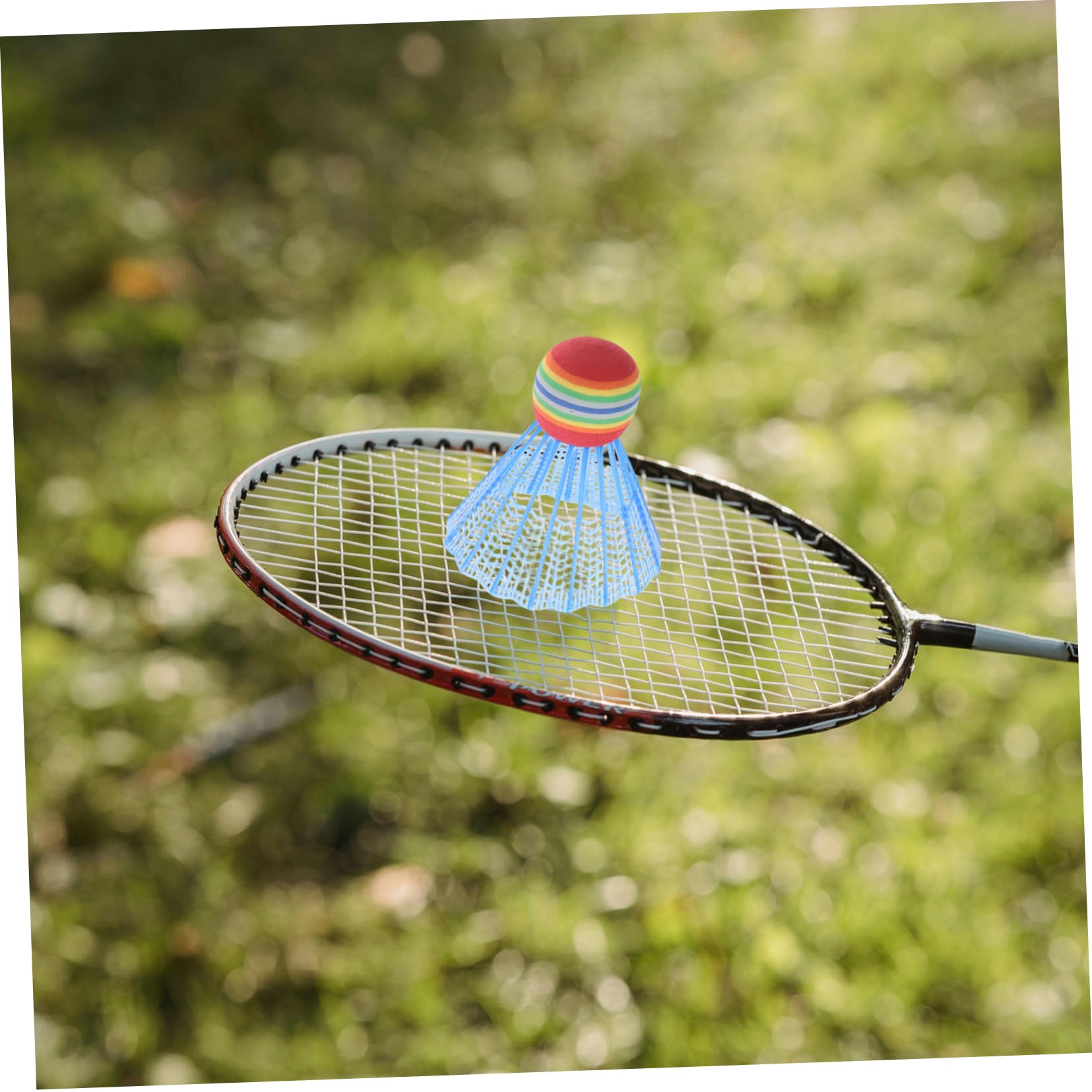
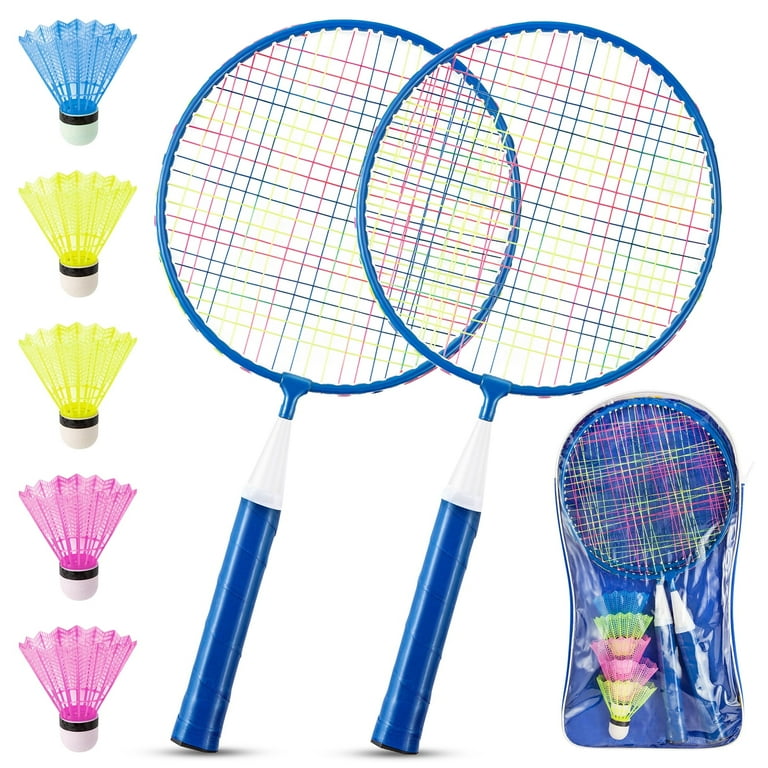
Each sport needs specific basic gear. For indoor basketball, get a ball and a hoop. For badminton, a racket and shuttlecocks are necessary. Soccer training indoors requires a soft ball and cones for drills. Choose gear that fits the sport and your skill level. Start simple, then add more equipment later.
Space-saving Equipment Options
Indoor spaces can be small. Choose equipment that saves space and is easy to store. Foldable mats work well for yoga and stretching. Adjustable dumbbells take less room than full sets. Resistance bands fit in any drawer. Pick gear that fits your available space and can be put away quickly.
Budget-friendly Choices
Training indoors does not need expensive gear. Many basic tools cost little but work well. A jump rope or a medicine ball are affordable and useful. Check for secondhand equipment in good condition. Focus on quality over brand names to get the best value. Simple, budget options can still improve skills.
Setting Up Your Indoor Training Space
Setting up an indoor training space is the first step for beginners. A good space helps improve focus and performance. Creating the right environment makes training easier and safer. The space should fit your sport and your daily routine.
Choosing The Right Location
Pick a quiet spot with enough room to move freely. Avoid places with fragile items or sharp corners. A well-lit area helps keep energy high. Try to find a flat, clean surface to train on. Natural light boosts mood and alertness during workouts.
Maximizing Limited Space
Use vertical space for storing gear. Foldable or small equipment saves room. Keep only what you need to avoid clutter. Move furniture to create more open space. Use mirrors to check your form and technique.
Safety Considerations
Clear the floor of obstacles and loose rugs. Wear proper footwear to avoid slipping. Check that equipment is secure and stable. Keep water nearby to stay hydrated. Make sure the area is ventilated for fresh air.

Credit: optima-schlafsysteme.de
Warm-up And Stretching Techniques
Warming up and stretching are key steps before indoor sports training. They prepare your body for exercise and help avoid injuries. Proper warm-up and stretching improve blood flow and increase muscle flexibility. This makes your movements safer and more effective. Beginners should focus on simple and gentle techniques to get the best results.
Dynamic Warm-ups
Dynamic warm-ups involve moving your body actively. They raise your heart rate and warm your muscles. Examples include arm circles, leg swings, and light jogging in place. These movements mimic the actions you will do in your sport. Dynamic warm-ups help improve coordination and muscle readiness. Spend 5 to 10 minutes on these exercises before training.
Key Stretches For Flexibility
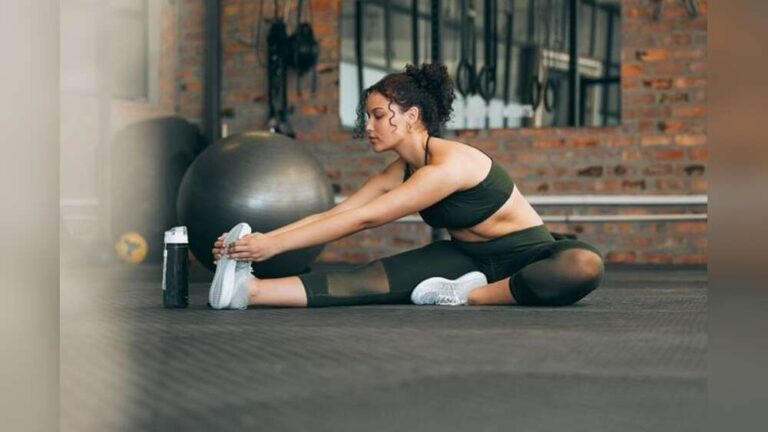
Stretching after warming up increases flexibility. Focus on major muscle groups used in your sport. Try hamstring stretches, calf stretches, and shoulder stretches. Hold each stretch for 15 to 30 seconds without bouncing. Gentle stretching helps muscles relax and lengthen. This improves your range of motion and performance.
Preventing Injuries
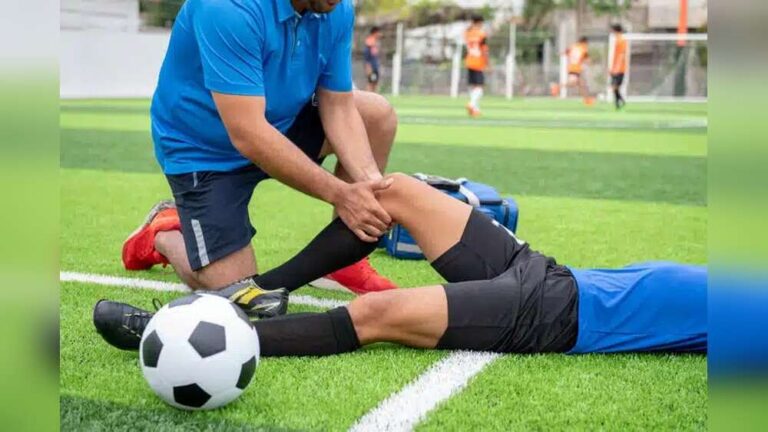
Warming up and stretching reduce the risk of injuries. Cold muscles are more likely to get strained or pulled. Warm muscles are more elastic and ready for action. Stretching helps prevent tightness and muscle imbalances. Always listen to your body and avoid pushing too hard. Consistent warm-up and stretching protect your muscles and joints.
Beginner Training Drills
Starting sports training indoors can be simple and fun. Beginner training drills help build a strong foundation. These drills focus on basic skills, strength, and balance. Practicing regularly improves performance and confidence. Here are some easy drills to get started.
Basic Skill Development
Begin with simple drills that teach core skills. Practice passing, catching, or dribbling depending on the sport. Use soft balls or light equipment to avoid injury. Repeat movements slowly to build muscle memory. Focus on accuracy and control. Short sessions work best for beginners.
Strength And Conditioning
Strength is key for all sports. Use bodyweight exercises like squats, lunges, and push-ups. These help build muscle and endurance. Add light weights or resistance bands if available. Keep workouts short but consistent. Rest well between sets to avoid fatigue. Strength training supports better performance and injury prevention.
Improving Coordination And Balance
Coordination and balance improve movement and stability. Try simple drills like standing on one foot or walking heel-to-toe. Use cones or markers to practice quick direction changes. Jump rope or catch a ball to enhance hand-eye coordination. Balance boards or cushions add challenge. These exercises help control the body during sports.
Tracking Progress And Staying Motivated
Tracking progress and staying motivated are key to training sports indoors. Watching small improvements helps keep you excited and focused. It shows how far you have come and what to work on next. This section explains easy ways to track your progress and stay on track.
Setting Achievable Goals
Start with simple goals you can reach soon. Small wins build confidence and push you forward. Write down your goals and check them often. Change goals as you improve to keep challenges fresh. This keeps training fun and prevents boredom.
Using Apps And Tools
Use apps to record your workouts and results. Many apps track time, distance, or reps automatically. Some apps also give reminders to train regularly. Choose easy apps that fit your sport and skill level. This helps you see progress clearly and stay organized.
Maintaining Consistency
Train at the same time every day or week. This forms a strong habit that lasts longer. Prepare your space and gear ahead to avoid delays. Even short sessions add up and improve your skills. Consistency helps build strength and confidence steadily.
Common Challenges And Solutions
Training sports indoors presents some common challenges. These challenges can slow progress or reduce enjoyment. Finding solutions helps keep training effective and fun. Here are common problems beginners face and simple ways to solve them.
Dealing With Limited Space
Indoor spaces are often smaller than outdoor fields or courts. This limits movement and drills. Use exercises that need less room, like agility ladders or shadow drills. Focus on skills like balance, strength, and hand-eye coordination. Rearrange furniture to create more space. Clear areas temporarily for practice.
Overcoming Motivation Slumps
Training alone indoors can feel boring. Motivation may drop quickly. Set short, clear goals for each session. Use a timer to keep workouts focused. Mix different exercises to avoid routine boredom. Play music to boost energy. Track progress to see improvement and stay motivated.
Adapting To Equipment Constraints
Not everyone has full sports gear at home. Lack of equipment limits some drills. Use household items as substitutes. A towel can replace a resistance band. A chair helps with balance exercises. Focus on bodyweight training to build strength. Improvise creatively to keep training diverse and effective.
Credit: www.walmart.com
Frequently Asked Questions
What Are The Best Indoor Sports For Beginners?
The best indoor sports for beginners include badminton, table tennis, and indoor basketball. These sports require minimal equipment and space. They help improve coordination, fitness, and agility. Beginners can easily learn the basics and gradually increase skill levels indoors.
How Can Beginners Start Training Sports Indoors?
Beginners should begin with simple drills focusing on technique and fitness. Use available space efficiently and choose sports suitable for indoor practice. Consistent short sessions help build skills and stamina. Incorporating warm-ups and cool-downs reduces injury risk.
What Equipment Is Needed For Indoor Sports Training?
Basic equipment varies by sport but often includes balls, nets, rackets, and mats. Choose lightweight, portable gear ideal for indoor use. Proper footwear with good grip is important. Equipment should suit the space and skill level for safety.
How To Stay Motivated While Training Sports Indoors?
Set clear, achievable goals and track progress regularly. Vary training routines to keep sessions interesting. Join online groups or virtual classes for community support. Celebrate small milestones to boost confidence and maintain enthusiasm.
Conclusion
Training sports indoors helps you stay active any time. Small spaces can still offer good workouts. Focus on basic moves and use simple equipment. Practice regularly to build strength and skills. Keep sessions short but consistent for best results. Enjoy the process and stay motivated each day.
Indoor training suits beginners who want safe, easy starts. With patience and effort, progress will come naturally. Start today and feel the benefits grow step by step.

Brandon Knoxley is a sport & fitness writer and training guide contributor at MySportFitHub. He focuses on practical workouts, performance-based training, and honest fitness gear insights designed for real people and real results. Brandon is passionate about helping beginners and active individuals train smarter, avoid common mistakes, and build sustainable fitness habits.