What Are The Long Dumbbells Called: Your Guide
Long dumbbells are usually called barbells, although some smaller versions are called weighted bars or body bars.
If you are searching for what are the long dumbbells called, the right name depends on their shape, size, and use. A standard barbell holds weight plates on both ends, while a body bar has fixed weight and a simpler design. Knowing the difference helps you choose the right tool for strength training, home workouts, or group fitness.

What are the long dumbbells called?
The long dumbbells most people mean are called barbells. A barbell is a long metal bar with weight plates placed on both ends. You use both hands to lift it, unlike a dumbbell, which is made for one hand.
The word “long dumbbells” is common in casual speech, but it is not the usual fitness term. In a gym, a trainer will normally call the equipment a barbell, weighted bar, or body bar.
Here are the most common names:
• Barbell: A long bar that holds removable weight plates.
• Olympic barbell: A stronger, longer bar made for Olympic-style lifting.
• Standard barbell: A lighter bar with smaller sleeves and thinner plates.
• Body bar: A fixed-weight bar used for light strength work and group classes.
• Weighted bar: A general name for a fixed-weight exercise bar.
• Curl bar: A shorter bar with angled grips for biceps and triceps exercises.
The key point is simple: a long bar with plates is usually a barbell. A long bar with built-in weight is often a body bar or weighted bar.

How a barbell differs from a dumbbell
A dumbbell is designed for one hand. A barbell is designed for both hands, although some movements use only one hand at a time. This difference changes how your muscles work.
Dumbbells let each arm move on its own. That can reveal strength gaps between your left and right sides. Barbells connect both hands, which can make it easier to lift more total weight.
For example, compare these two exercises:
• Dumbbell bench press: Each arm presses its own weight.
• Barbell bench press: Both arms press one shared bar.
A barbell can offer more stability during heavy lifts. However, that stability can also hide a weak side. Dumbbells often require more control because each hand must balance its own load.
In my experience comparing home gym equipment, beginners often buy a barbell when they really want a fixed-weight body bar. The barbell needs plates, collars, and enough room to use it safely. A body bar is simpler and often better for light workouts.

Types of long weight bars
Not every long exercise bar serves the same purpose. The bar’s length, weight, sleeve design, and grip shape all affect how it feels.
Standard barbell
A standard barbell is often shorter and lighter than an Olympic bar. It uses smaller weight plates with a narrow center hole. This type can work well in a home gym with limited space.
Standard bars are useful for:
• Basic squats
• Light deadlifts
• Overhead presses
• Bent-over rows
• Beginner strength routines
Always check the bar’s weight limit before loading it heavily. Some low-cost bars are made for light training only.
Olympic barbell
An Olympic barbell is built for heavier training. A full-size Olympic bar is about 7 feet long and commonly weighs 20 kilograms, or about 44 pounds. Some women’s Olympic bars are shorter and lighter.
Olympic bars often have rotating sleeves. These sleeves allow the plates to turn during lifts such as cleans and snatches. That design can reduce stress on the hands and wrists.
Olympic bars are common for:
• Squats
• Deadlifts
• Bench presses
• Cleans
• Snatches
• Powerlifting and weightlifting drills
Body bar
A body bar is a long, solid bar with fixed weight. It does not use removable plates. Many body bars have colored ends or printed weight labels.
Body bars are popular in group fitness because they are easy to share and quick to set up. They are also useful for beginners who want a simple workout without learning how to load plates.
A body bar may weigh anywhere from a few pounds to about 30 pounds. The exact range varies by brand.
Weighted bar
“Weighted bar” is a broad term. It may describe a body bar, padded bar, or short steel bar with fixed weight. The name does not always tell you the bar’s exact design.
Read the product details before buying one. Look for the total weight, length, grip material, and whether the weight is fixed or adjustable.

What is a curl bar?
A curl bar is a shorter weight bar with a zigzag shape. It is also called an EZ curl bar. The angled grips place your hands in a more natural position during curls.
Many people find a curl bar more comfortable than a straight bar for biceps work. It may reduce wrist strain for some lifters, although comfort depends on your grip and technique.
A curl bar is useful for:
• Barbell curls
• Reverse curls
• Skull crushers
• Close-grip presses
• Upright rows
A curl bar is not usually what people mean by “long dumbbells.” It is a special barbell made for arm exercises. It also takes less space than a full-size barbell.

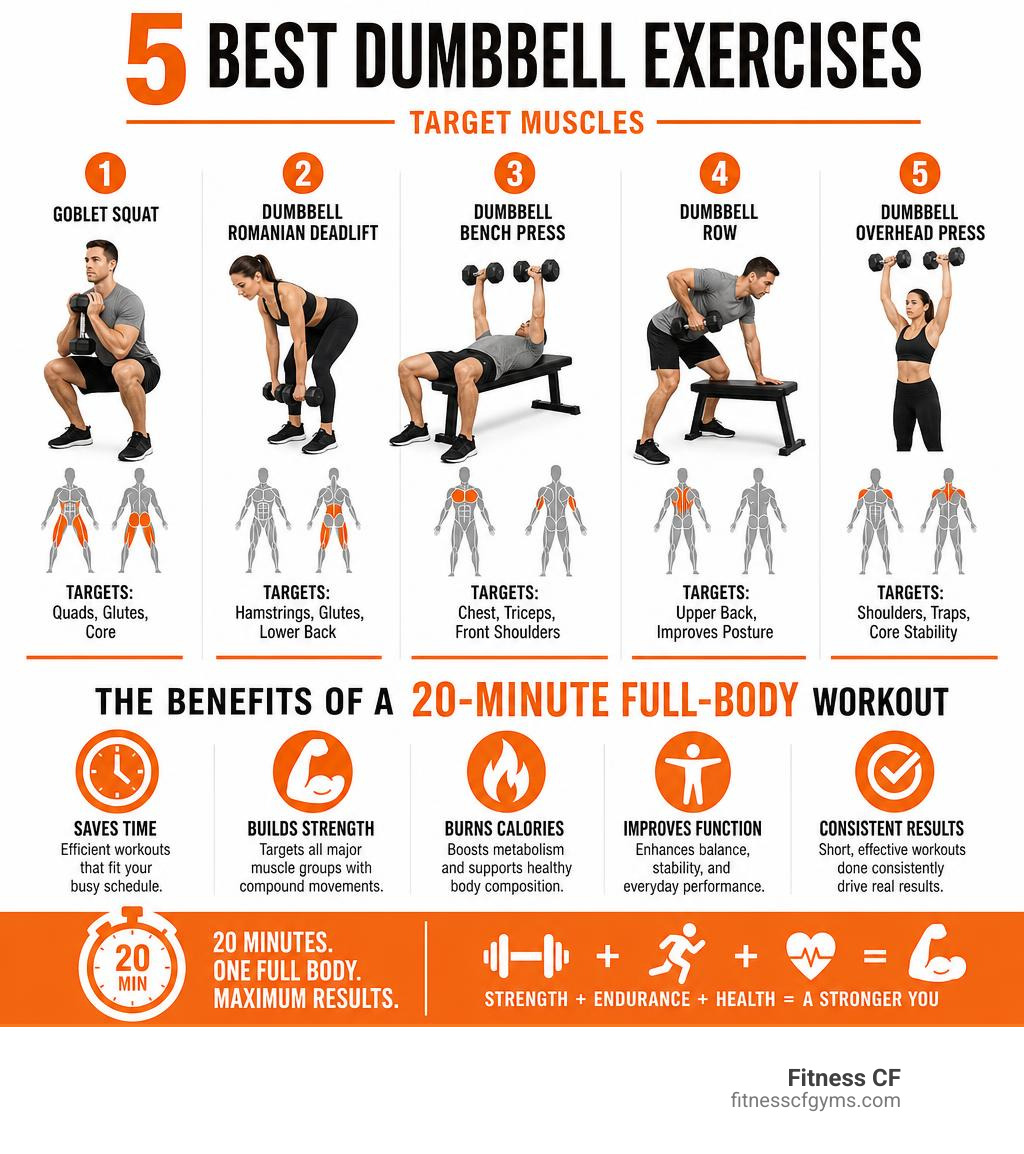
Why use a barbell instead of dumbbells?
Both tools can build strength. The best choice depends on your goals, experience, space, and comfort.
Benefits of barbells
• You can increase the load in small steps.
• Both hands share the same bar.
• They work well for compound lifts.
• They are useful for strength and power training.
• They can support heavy lower-body exercises.
A barbell squat, for example, trains the legs, hips, back, and core. A barbell deadlift works several large muscle groups at once. This makes barbells time-efficient for people who want full-body training.
Benefits of dumbbells
• Each arm works independently.
• They can improve balance and coordination.
• They require less storage space.
• They often allow a more natural range of motion.
• They are useful for single-arm exercises.
Dumbbells may feel safer for some beginners because you can place them down quickly. Still, poor form can cause injury with either tool.
The American College of Sports Medicine supports resistance training for improving muscular strength and function. Its guidance also stresses proper technique, gradual progress, and a training plan suited to the person.
How to choose the right long weight bar
Start by deciding how you plan to use the bar. A person doing light home workouts needs a different bar from someone training for powerlifting.
Use these points as a guide:
-
Choose a body bar for light workouts, mobility drills, and group fitness.
-
Choose a standard barbell for basic home strength training with moderate loads.
-
Choose an Olympic barbell for serious lifting, bumper plates, and Olympic movements.
-
Choose a curl bar if wrist comfort matters during arm exercises.
-
Choose a shorter bar if your workout area is small.
Check the bar’s diameter as well. A thicker bar may require more grip strength. A thinner bar can feel easier to hold but may offer less support under heavy loads.
Also check the collars and plate fit. Standard plates do not fit Olympic sleeves unless you use the correct adapter. This is a common buying mistake.

Common mistakes when using long dumbbells
Many beginners ask what are the long dumbbells called because they see a barbell but do not know how to use it. Learning the name is useful, but safe handling matters more.
Avoid these mistakes:
• Loading plates without securing collars.
• Using a bar that is too heavy for your skill level.
• Squatting without enough space or a stable rack.
• Letting the bar roll on the floor near your feet.
• Rounding your back during deadlifts.
• Pressing overhead near a low ceiling.
• Dropping a standard barbell onto a hard floor.
• Assuming every long bar can hold heavy plates.
A barbell is like a loaded shopping cart. It may look easy to move, but it can become difficult to control once it gains weight. Begin with a light load and practice the movement before adding plates.
One lesson I have learned from reviewing strength equipment is that the simplest setup is often the safest. A new lifter may benefit more from a light body bar and good form than from buying a heavy Olympic bar too soon.
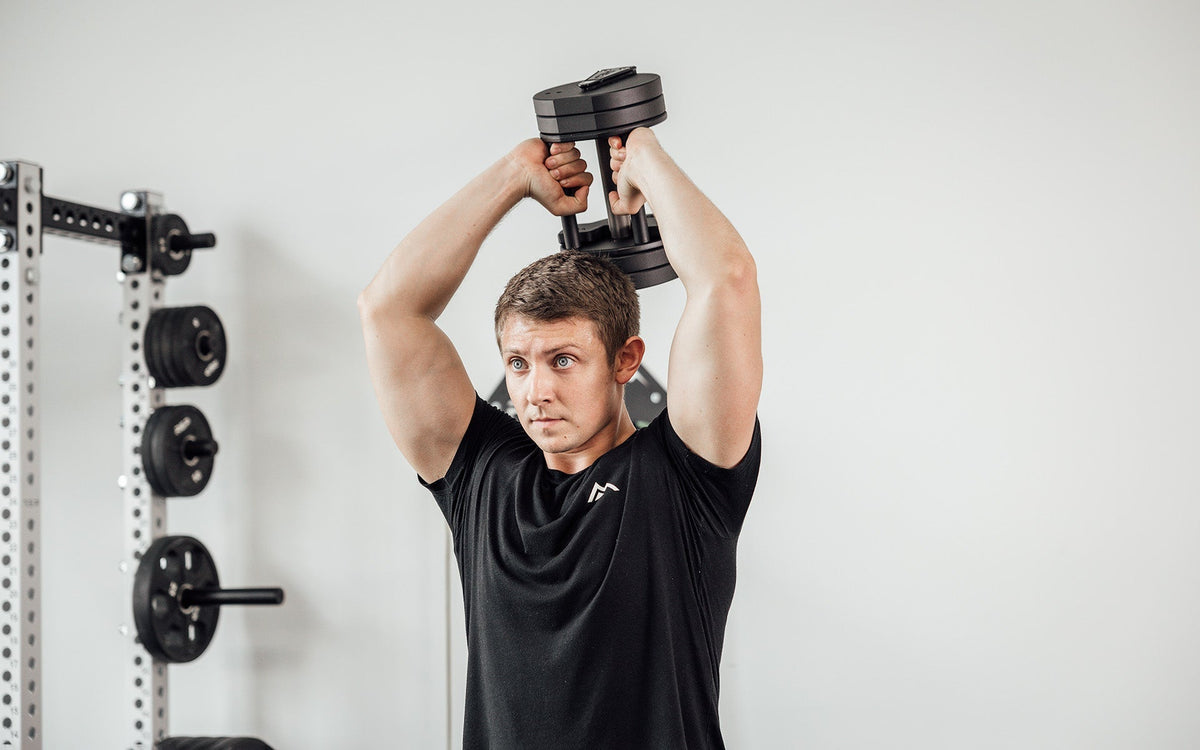
How to use a barbell safely
Set up your space before you lift. Remove loose objects, check the floor, and make sure you have room to step or place the bar down.
Use these basic safety steps:
• Warm up with light movement.
• Test the empty bar first.
• Keep your spine in a neutral position.
• Move through a controlled range of motion.
• Increase weight slowly.
• Use a spotter for heavy bench presses.
• Use a rack for squats and overhead presses.
• Stop if you feel sharp pain.
The National Strength and Conditioning Association promotes gradual loading and sound technique as key parts of resistance training. A qualified coach can also help you adjust your stance, grip, and bar path.
For home use, rubber flooring can protect the floor and reduce noise. However, rubber mats do not make an unsafe lift safe. Good equipment supports good habits; it does not replace them.

Can you call a barbell a long dumbbell?
In casual conversation, you can describe a barbell as a long dumbbell, and most people will understand you. In fitness settings, however, “barbell” is the correct term.
Using the right word helps when you shop, search for exercises, or ask a trainer for advice. Search terms such as “barbell exercises,” “body bar workouts,” and “weighted bar training” will produce more useful results than “long dumbbell exercises.”
The phrase “long dumbbells” may also describe a pair of short bars used with removable plates. These are usually called dumbbell handles or adjustable dumbbell bars. They are not the same as a full-size barbell.
Frequently asked questions about what are the long dumbbells called
What are the long dumbbells called in a gym?
They are usually called barbells. If the bar has fixed weight and no removable plates, it may be called a body bar or weighted bar.
Is a barbell just a long dumbbell?
No. A dumbbell is normally used with one hand, while a barbell is made for two-handed lifting. Barbells also use longer shafts and often hold separate weight plates.
What is a long dumbbell with fixed weight called?
A long fixed-weight exercise bar is usually called a body bar or weighted bar. These bars are common in home workouts, aerobics classes, and beginner strength programs.
What is the difference between an Olympic barbell and a standard barbell?
An Olympic barbell is usually longer, stronger, and designed for Olympic-size plates. A standard barbell is often lighter and uses plates with smaller center holes.
What is the short bar for biceps called?
The short, angled bar used for biceps curls is called a curl bar or EZ curl bar. Its angled grips may feel more comfortable for some wrists than a straight bar.
Can beginners use a barbell?
Yes, beginners can use a barbell when they start with light weight and learn proper form. A coach, trainer, or knowledgeable training partner can help with setup and technique.
Conclusion
The long dumbbells most people mean are called barbells. A barbell holds removable plates, while a body bar or weighted bar has fixed weight. A curl bar is a shorter, angled option made mainly for arm exercises.
Choose the bar that matches your goal, space, and skill level. Start light, learn the movement, and add weight slowly. If you are building a home gym, explore trusted equipment guides and share your favorite barbell exercises in the comments.

Brandon Knoxley is a sport & fitness writer and training guide contributor at MySportFitHub. He focuses on practical workouts, performance-based training, and honest fitness gear insights designed for real people and real results. Brandon is passionate about helping beginners and active individuals train smarter, avoid common mistakes, and build sustainable fitness habits.