
How To Transition From Treadmill To Outdoor Running: Smoothly
Transition gradually by matching effort, easing into outdoor terrain, and adjusting pace, shoes, hydration, and safety habits.
Learning how to transition from treadmill to outdoor running takes more than pressing “stop” on the belt and stepping outside. A treadmill gives you steady pace, smooth footing, and climate control. Outdoor running adds hills, turns, wind, heat, cold, and changing surfaces. This guide explains how to make that change safely, using practical training steps, injury prevention tips, and evidence-based advice.
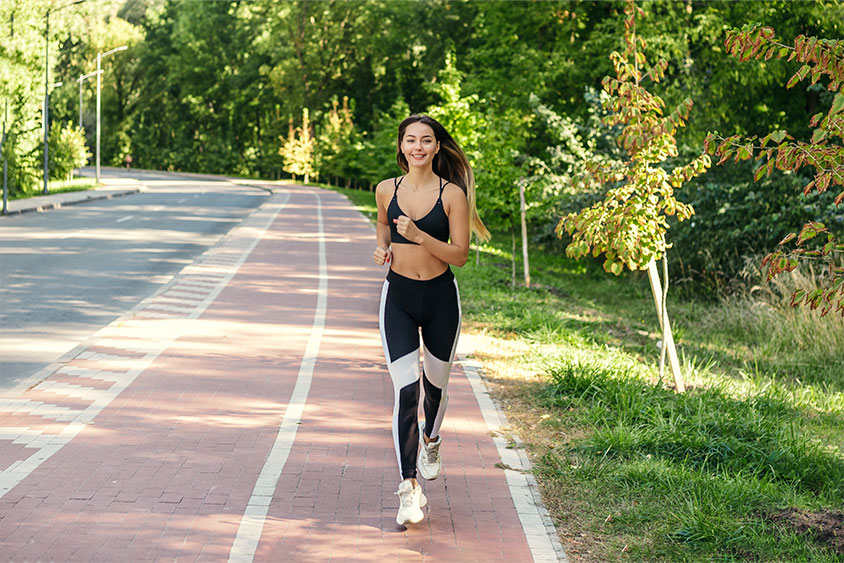
Why outdoor running feels harder than treadmill running
Many runners are surprised when an easy treadmill run feels harder outdoors. This does not mean your fitness has vanished. It means your body must solve more problems outside.
A treadmill moves beneath you at a steady speed. You only need to maintain rhythm. Outdoors, you must push against the ground, manage hills, adjust your stride, and respond to wind or uneven paths.
Outdoor running also uses more stabilizing muscles. Your ankles, calves, hips, and core work to keep you balanced. Even small changes in terrain can increase muscle demand.
Here are common reasons outdoor running feels more challenging:
• Wind creates resistance, even when the air feels calm.
• Hills increase the work placed on your heart, lungs, and leg muscles.
• Uneven ground requires more balance and ankle control.
• Turns and stops interrupt your steady treadmill rhythm.
• Outdoor heat and humidity can raise your heart rate.
• GPS pace may change even when your effort feels steady.
A treadmill incline of about 1% is sometimes used to better match outdoor energy use at faster speeds. However, it is not a perfect rule for every runner or every workout. Your goal should be to control effort, not chase a specific incline setting.
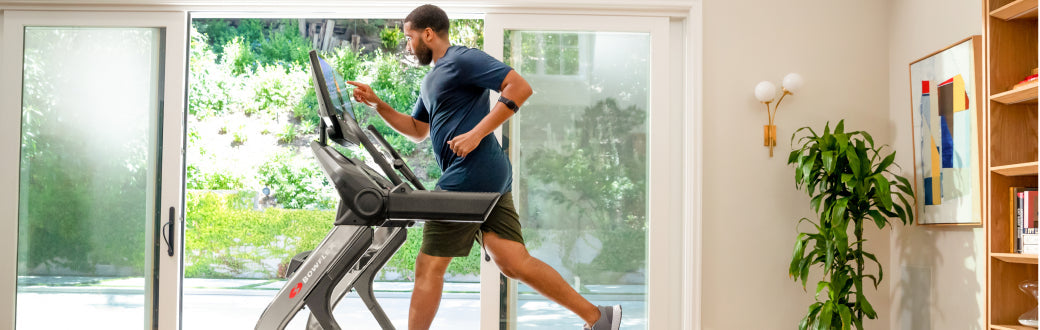
How to transition from treadmill to outdoor running
The safest method is to shift one variable at a time. Do not increase distance, speed, hills, and outdoor frequency in the same week.
Start with short outdoor sessions while keeping most of your normal treadmill routine. This gives your muscles and joints time to learn the new demands.
A simple four week transition may look like this:
Week 1: Add short outdoor segments
Run outdoors for 10 to 20 minutes at an easy effort. Keep your other runs on the treadmill if that feels more comfortable.
If you usually run for 30 minutes, try this:
• Walk for five minutes.
• Run outside for 10 minutes.
• Walk or jog for five more minutes.
• Finish with light stretching.
Choose a flat route with a smooth surface. The goal is to learn how outdoor movement feels, not to set a personal record.
Week 2: Extend the outdoor easy run
Increase the outdoor session to 20 or 30 minutes if your legs feel normal after Week 1. Keep the pace relaxed enough that you can speak in short sentences.
Avoid hard hills and fast intervals during this stage. Outdoor running should still feel like practice, not a test.
Week 3: Replace another treadmill run
Add a second outdoor run. Keep it easy, and leave at least one rest or low impact day between outdoor sessions.
You can use the treadmill for speed work because it offers precise pace control. This mixed approach often works well for runners who live in areas with bad weather or limited safe routes.
Week 4: Build normal outdoor habits
By Week 4, many runners can complete most easy runs outside. You can begin adding gentle hills or short pace changes, but do so one at a time.
Increase weekly distance slowly. A fixed 10% rule is not a universal law, so use your recovery, sleep, soreness, and past injury history to guide progress.

Use effort instead of treadmill pace
One of the most important parts of how to transition from treadmill to outdoor running is learning to pace by effort. Your outdoor pace will change with wind, hills, heat, and surface type.
Use a simple effort scale from 1 to 10:
• Easy effort: 3 to 4 out of 10. You can talk in full sentences.
• Moderate effort: 5 to 6 out of 10. You can speak, but breathing is more active.
• Hard effort: 7 to 8 out of 10. You can say only a few words.
• Maximum effort: 9 to 10 out of 10. Use this level rarely and only for planned workouts.
Most transition runs should stay at easy effort. If you ran 10 minutes per mile indoors, you may need to run 10:30 or 11:00 per mile outside. That slower pace can still provide an excellent workout.
Heart rate can help, but it also has limits. Heat, stress, caffeine, and poor sleep can raise your heart rate. Perceived effort remains a useful tool because it reflects how your whole body feels.
How to pace hills
Do not force your treadmill pace up a hill. Shorten your stride and let your speed drop. Keep your effort controlled.
On the downhill, avoid braking with long steps. Lean slightly forward from the ankles, keep your steps light, and allow your legs to move freely.

Choose the right outdoor route
Your first outdoor routes should make success easy. A flat, familiar loop is often better than a scenic route with steep climbs and rough ground.
Look for:
• Sidewalks, tracks, or maintained paths.
• Good lighting if you run early or late.
• Water access during longer sessions.
• Low traffic and visible crossings.
• Places where you can stop if pain or fatigue appears.
A measured park loop can help you understand outdoor pace. GPS watches are useful, but trees, buildings, and poor signal can affect distance readings. Treat GPS pace as an estimate rather than an absolute measure.
Trail running requires another adjustment. Dirt and gravel may reduce impact in some areas, but roots, rocks, mud, and sharp turns increase the risk of trips and ankle rolls. Start with short trail walks or easy runs before adding technical terrain.

Adjust your running form outdoors
You do not need to completely change your running form outdoors. In fact, trying to force a new style can create tension. Instead, make small adjustments that help you respond to the ground.
Focus on these simple cues:
• Keep your steps light and quiet.
• Let your arms swing naturally.
• Keep your shoulders relaxed.
• Look several feet ahead instead of staring at your feet.
• Take shorter steps on hills and uneven ground.
• Keep your body tall without leaning back.
Outdoor runners often overstride when they try to hold their treadmill pace. Overstriding places your foot too far in front of your body and may increase braking forces. A slightly quicker, comfortable step rate can help you stay balanced, but do not force a specific cadence.
I have seen many runners make the same mistake: they treat the first outdoor run like a fitness exam. They speed up on flat sections, attack every hill, and finish exhausted. A better first run feels almost too easy. That patience helps your body adapt without turning a new habit into an injury cycle.

Wear suitable shoes and clothing
The best running shoes are not always the most expensive shoes. They should fit well, feel comfortable, and match the surface where you run.
When selecting outdoor running shoes, consider:
• Enough room to wiggle your toes.
• A secure heel that does not slip.
• Comfortable cushioning for your preferred surface.
• A sole with suitable grip for wet paths or trails.
• No pressure points, rubbing, or numbness.
Do not wear brand-new shoes for a long outdoor run. Test them during a short walk or easy session first.
Outdoor clothing also affects comfort. Dress for the weather, not just the temperature shown on your phone. In cold weather, use layers that you can remove. In warm weather, choose breathable fabric and protect your skin from the sun.
For visibility, wear bright colors or reflective details when running near traffic. A headlamp can improve visibility on dark paths, but it does not make an unsafe route safe.

Prepare for weather, hydration, and safety
Weather is one of the biggest differences between treadmill and outdoor running. A climate-controlled room hides conditions that your body must manage outside.
In heat and humidity, slow down and drink according to thirst. Longer runs may require fluids with electrolytes, especially if you sweat heavily or run in hot conditions. There is no single hydration amount that suits every person.
In cold weather, warm up gradually. Your muscles may feel stiff during the first few minutes, so begin with a brisk walk and easy jogging. Wear gloves and protect exposed skin in severe cold.
Use these outdoor safety habits:
• Tell someone your route and expected finish time.
• Carry a phone or identification.
• Run against traffic when no sidewalk is available.
• Use lights or reflective gear in low light.
• Keep one ear free if you listen to music.
• Check the weather before longer runs.
• Avoid running through lightning, dangerous heat, or icy conditions.
The Centers for Disease Control and Prevention recommends taking heat illness seriously. Stop if you feel confused, faint, unusually weak, or unable to cool down. Safety matters more than completing a planned workout.

Prevent common transition injuries
Outdoor running can expose weak areas that the treadmill did not challenge as much. The most common problems include calf tightness, Achilles irritation, shin pain, plantar foot pain, and knee discomfort.
These issues often appear when runners change too much too soon. A new surface, longer route, faster pace, and extra hills can combine into one large training jump.
Reduce your risk with the following habits:
• Increase outdoor time gradually.
• Keep most early runs easy.
• Add strength work two times per week.
• Rest when pain changes your stride.
• Sleep enough to support recovery.
• Replace worn shoes before the sole loses useful grip.
Helpful strength exercises include:
• Calf raises for the lower leg and Achilles area.
• Split squats for the hips and thighs.
• Step ups for single leg control.
• Glute bridges for hip strength.
• Side leg raises for hip stability.
Strength training supports running, but it does not replace gradual mileage. If pain lasts more than a few days, worsens during a run, or causes swelling, seek advice from a qualified medical professional or physical therapist.

Add strength and mobility work
A treadmill can make running feel smooth and predictable. Outdoor terrain asks your body to stabilize and react. Strength and mobility work can help you handle those demands.
Keep the routine simple. Two short sessions each week may be enough for a recreational runner.
Try this basic plan:
-
Complete two sets of 10 calf raises.
-
Complete two sets of 8 split squats per side.
-
Complete two sets of 10 step ups per side.
-
Hold a side plank for 20 to 30 seconds per side.
-
Perform gentle ankle and hip mobility movements.
Do not perform hard strength work right before a demanding run. Place it after an easy run or on a separate day.
Mobility should feel smooth, not painful. Stretching can help you feel less stiff, but it does not guarantee injury prevention. A complete plan includes training control, strength, recovery, and sensible increases in workload.
Use a treadmill and outdoor running together
You do not have to choose between treadmill and outdoor running. Each setting offers useful benefits.
Treadmills are helpful for:
• Controlled speed workouts.
• Running during storms or extreme temperatures.
• Flat training when hills are not available.
• New runners who prefer a predictable environment.
Outdoor running is useful for:
• Building balance and surface awareness.
• Practicing race conditions.
• Improving confidence in real world settings.
• Enjoying fresh air and changing scenery.
A balanced week might include one outdoor easy run, one treadmill workout, and one longer run that slowly shifts outdoors. This plan offers structure while allowing your body time to adapt.
If you are training for a road race, move some key workouts outdoors as the event approaches. Practice the surface, hills, weather, shoes, and fueling plan you expect to use on race day.
Follow a practical transition workout plan
Here is a sample plan for a runner who currently completes three treadmill runs each week.
Week 1
• Run 1: Treadmill easy run for 25 to 30 minutes.
• Run 2: Outdoor walk and easy run for 20 minutes.
• Run 3: Treadmill easy run for 30 minutes.
Week 2
• Run 1: Outdoor easy run for 20 to 25 minutes.
• Run 2: Treadmill easy run for 30 minutes.
• Run 3: Outdoor easy run for 25 to 30 minutes.
Week 3
• Run 1: Outdoor easy run for 30 minutes.
• Run 2: Treadmill workout with short, controlled intervals.
• Run 3: Outdoor easy run for 30 to 35 minutes.
Week 4
• Run 1: Outdoor easy run for 30 minutes.
• Run 2: Treadmill or outdoor steady run for 25 to 30 minutes.
• Run 3: Outdoor longer run for 35 to 45 minutes.
Repeat a week if your legs feel unusually sore or your energy drops. A plan should guide you, not pressure you. Recovery is part of training.
Track progress without chasing numbers
Progress during this transition may not appear as a faster pace. You may notice better balance, easier breathing, less soreness, or greater confidence on hills.
Track a few useful details after each run:
• Total time.
• Outdoor distance, if GPS seems accurate.
• Effort from 1 to 10.
• Weather and surface.
• Any pain or unusual soreness.
• Sleep and energy levels.
A simple training journal can reveal patterns. For example, you may learn that your pace slows in humidity but returns to normal in cooler weather. That is not lost fitness. It is a normal response to conditions.
Research on training load supports a gradual approach, but no single mileage formula works for everyone. Age, training history, body weight, past injuries, sleep, and stress all affect recovery. Use data as guidance, not as a judgment.
Frequently Asked Questions About How to Transition From Treadmill to Outdoor Running
How long does it take to transition from treadmill to outdoor running?
Many runners adjust within two to six weeks when they increase outdoor time gradually. The exact timeline depends on current fitness, terrain, weather, injury history, and how often you run.
Should I run slower outdoors than on a treadmill?
Usually, yes, especially during the first few outdoor sessions. Use effort instead of forcing your treadmill pace because hills, wind, heat, and uneven surfaces can make the same pace feel much harder.
Is outdoor running better than treadmill running?
Neither option is always better. Outdoor running builds surface awareness and helps you prepare for road races, while treadmill running offers reliable pacing, weather protection, and a controlled setting.
Should I use a 1% incline on the treadmill before running outdoors?
A 1% incline may make some treadmill efforts more similar to outdoor running, especially at faster speeds. However, it does not copy every outdoor condition, so it should not replace gradual practice on real terrain.
What should I do if my legs hurt after running outdoors?
Stop or reduce the workout if pain changes your stride or becomes sharp. Mild muscle soreness may improve with rest, but ongoing pain, swelling, or worsening symptoms should be assessed by a qualified health professional.
How often should I run outdoors during the transition?
Start with one outdoor run per week, then add a second when your body feels recovered. Keep at least one easy or rest day between harder sessions while your muscles adapt.
Conclusion
Learning how to transition from treadmill to outdoor running is a gradual process. Start with short, easy sessions, choose simple routes, pace by effort, and adjust for hills, weather, and surface changes. Strength work, good shoes, recovery, and basic safety habits will make the change smoother.
Your first outdoor runs do not need to be fast or impressive. They only need to build comfort and consistency. Step outside with patience, listen to your body, and keep a simple training log so you can see progress over time. Explore more running guidance, share your experience, or leave a comment about the outdoor route you plan to try next.

Brandon Knoxley is a sport & fitness writer and training guide contributor at MySportFitHub. He focuses on practical workouts, performance-based training, and honest fitness gear insights designed for real people and real results. Brandon is passionate about helping beginners and active individuals train smarter, avoid common mistakes, and build sustainable fitness habits.